

Why Dogs Lick Feet: Expert Insights Into This Common Behavior
If you’ve ever wondered why your dog seems obsessed with licking your feet, you’re not alone. This quirky behavior is one of the most common questions pet owners ask veterinarians and animal behaviorists. Dogs lick feet for a variety of reasons—some are completely harmless signs of affection, while others might indicate underlying health concerns or behavioral issues that need attention.
Understanding the root cause of your dog’s foot-licking habit is essential for maintaining their health and ensuring a happy relationship. Whether your pup is showing you love, seeking attention, or dealing with a medical condition, this comprehensive guide will help you decode this mysterious behavior and determine when it’s time to call your vet.
Natural Reasons Dogs Lick Feet
Dogs have been licking feet since their earliest days as puppies, and there are several completely natural explanations for this behavior. Understanding these reasons can help you appreciate why your furry friend finds your feet so fascinating.
Affection and Bonding
One of the most heartwarming reasons dogs lick feet is simple: they love you. Licking releases endorphins in dogs’ brains, creating a pleasurable sensation that strengthens the bond between you and your pet. When your dog licks your feet, they’re often expressing attachment and trust. This behavior mirrors how mother dogs lick their puppies to show care and nurture them. Your dog may be treating you as part of their pack family.
Salt and Taste
Feet are naturally salty, and dogs are attracted to salt. Your skin produces sweat containing sodium chloride, making your feet an irresistible snack for curious canines. This explains why dogs often target feet more than other body parts. The salty taste is genuinely appealing to their palates, similar to how humans crave certain flavors.
Scent Glands and Communication
Dogs have scent glands in their noses and mouths, and when they lick your feet, they’re gathering information about you. Your feet contain unique scent markers that tell your dog about your emotional state, where you’ve been, and other important details. This is a form of chemical communication that’s deeply ingrained in canine behavior. By licking your feet, your dog is essentially reading your personal scent signature.
Grooming Behavior
In multi-dog households, dogs often groom each other as a sign of companionship and hierarchy. When your dog licks your feet, they may be extending this grooming behavior to you as a valued family member. This is particularly common in dogs who see themselves as caretakers or who have a particularly close bond with their owners.
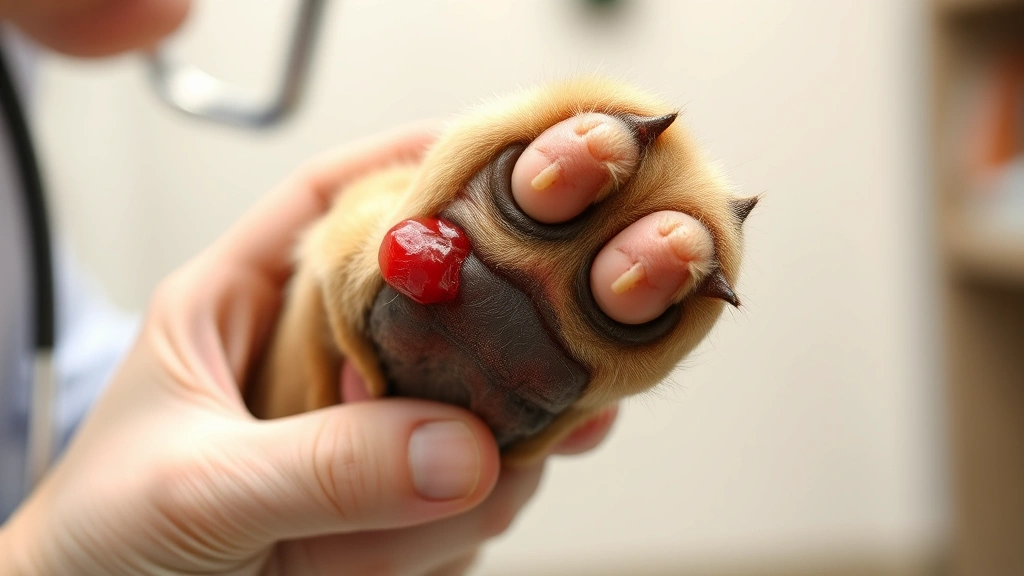
Medical Reasons Behind Foot Licking
While many cases of foot licking are benign, excessive licking can sometimes indicate health problems that require veterinary attention. It’s important to distinguish between normal, occasional licking and compulsive behavior.
Allergies and Skin Conditions
One of the most common medical reasons dogs lick feet—both their own and yours—is allergies. Dogs can develop allergies to food, environmental factors, or contact irritants. When allergies cause itching, dogs often focus on their paws, leading to excessive self-licking. If your dog is licking your feet more than usual, they might be seeking relief from itching or trying to tell you about their discomfort. Common dog health problems include various allergic reactions that manifest through licking behavior.
Parasites and Infections
Fleas, mites, and other parasites can cause intense itching, leading dogs to lick excessively. Fungal or bacterial infections, including yeast infections between the toes, also drive compulsive licking. These conditions require prompt treatment to prevent secondary infections and discomfort. If you notice your dog licking their own feet frequently, parasites should be ruled out immediately.
Pain and Injury
Dogs may lick feet as a self-soothing response to pain. If your dog suddenly starts licking your feet more intensely or frequently, they might be experiencing discomfort in their own legs or paws. Arthritis, joint pain, or injuries can trigger this behavior as dogs attempt to comfort themselves through licking.
Nutritional Deficiencies
In some cases, excessive licking can indicate nutritional imbalances. Dogs lacking certain minerals or vitamins may engage in pica-like behaviors, including excessive licking. Ensuring your dog receives a balanced diet with proper nutrients is crucial. Consider whether your dog’s diet includes adequate carrots good for dogs and other nutritious vegetables, or if you’re providing complete commercial dog food that meets their nutritional needs.

Behavioral and Psychological Factors
Beyond physical health, dogs’ licking behavior is often influenced by emotional and behavioral factors. Understanding your dog’s psychology can reveal why they’re drawn to your feet specifically.
Attention-Seeking Behavior
Dogs are intelligent creatures who quickly learn what behaviors get them attention. If you’ve responded enthusiastically to your dog’s foot licking in the past—even with negative reactions—your dog may have learned that licking feet is an effective way to engage with you. This is particularly true if the behavior started when your dog was a puppy and you found it cute or amusing.
Anxiety and Stress Relief
Licking has a calming effect on dogs, similar to how humans find certain repetitive activities soothing. Dogs experiencing anxiety, separation anxiety, or stress may resort to licking as a coping mechanism. If your dog licks your feet more when you’re leaving the house or during thunderstorms, anxiety might be the underlying cause.
Boredom and Lack of Stimulation
Under-stimulated dogs may develop repetitive behaviors like excessive licking. If your dog isn’t getting enough physical exercise or mental enrichment, they might turn to your feet as entertainment. Increasing playtime and providing puzzle toys can help redirect this energy.
Compulsive Behavior Disorders
In some cases, excessive foot licking can develop into a compulsive disorder. This is more common in certain breeds and situations where dogs experience chronic stress. Compulsive licking becomes self-perpetuating and may require behavioral modification or medication to address.
How to Address Excessive Licking
If your dog’s foot licking has become excessive or bothersome, there are several strategies you can implement to manage or eliminate the behavior.
Redirect the Behavior
When your dog starts licking your feet, redirect their attention to an appropriate toy or activity. Keep engaging toys nearby and reward your dog when they choose to play with toys instead of licking your feet. Consistency is key—everyone in your household should follow the same redirection strategy.
Increase Exercise and Enrichment
Ensure your dog is getting adequate physical exercise daily. A tired dog is less likely to engage in repetitive behaviors. Additionally, provide mental stimulation through training, puzzle toys, and interactive games. This addresses boredom-related licking effectively.
Establish Boundaries
If your dog licks your feet while you’re sitting, consider wearing socks or keeping your feet covered. You can also use positive reinforcement to teach your dog that feet are off-limits. When your dog respects this boundary, reward them with treats or praise.
Maintain Proper Hygiene
Keep your feet clean and dry, as excessive moisture and salt buildup can attract your dog’s attention. Regular washing reduces the appeal of your feet as a licking target. Additionally, ensure your dog’s paws are clean and dry to prevent infections that might cause them to lick their own feet excessively.
Consider Dietary Adjustments
Ensure your dog’s diet is nutritionally complete and balanced. While you’re evaluating their nutrition, you might wonder about specific foods. For instance, can dogs eat broccoli, or should you stick to commercial dog foods? Similarly, understanding whether dogs can eat corn and other human foods helps you make informed dietary choices. Some owners also ask if dogs can eat cheese as occasional treats. Finally, can dogs eat rice as a dietary staple? These questions matter because proper nutrition supports skin health and reduces excessive licking.
When to Consult Your Veterinarian
While occasional foot licking is normal, certain situations warrant professional veterinary evaluation. Knowing when to seek help ensures your dog receives appropriate care.
Signs That Require Veterinary Attention
- Excessive or obsessive licking that occurs multiple times daily or for extended periods
- Sudden changes in licking behavior or intensity
- Visible skin damage such as redness, rawness, or lesions caused by licking
- Accompanied symptoms like hair loss, odor, or discharge
- Self-directed licking of the dog’s own paws that causes injury
- Behavioral changes such as increased anxiety or aggression
What Your Veterinarian Will Evaluate
When you visit your vet about excessive foot licking, they’ll perform a thorough examination. This typically includes checking for parasites, infections, allergies, and skin conditions. Your vet may ask detailed questions about when the behavior started, how frequent it is, and any other symptoms you’ve noticed. They might recommend allergy testing, skin scrapings, or other diagnostic procedures. According to the American Kennel Club, behavioral issues should also be evaluated to rule out underlying anxiety or compulsive disorders.
Treatment Options
Treatment depends on the underlying cause. Parasitic infections require appropriate medications, allergies may need dietary changes or antihistamines, and skin infections need antibiotics or antifungals. Behavioral issues might be addressed through training, environmental modifications, or in some cases, anti-anxiety medication. Your vet will develop a treatment plan tailored to your dog’s specific situation.
FAQ
Is it normal for dogs to lick feet?
Yes, occasional foot licking is completely normal canine behavior. Many dogs lick their owners’ feet as a sign of affection, curiosity, or because they enjoy the salty taste. However, excessive or compulsive licking may indicate an underlying issue requiring attention.
Why does my dog lick my feet at night?
Dogs may lick your feet more at night when you’re relaxed and sitting down, making your feet more accessible. Additionally, nighttime can be when anxiety peaks for some dogs, and licking provides comfort. If this behavior is new or excessive, consult your veterinarian to rule out medical causes.
Can excessive foot licking cause skin problems?
Yes, excessive licking can lead to skin irritation, rawness, and secondary infections. The constant moisture and friction damage the skin barrier, making it vulnerable to bacterial or fungal infections. This is why addressing excessive licking promptly is important.
How can I stop my dog from licking my feet?
Start by redirecting your dog’s attention to appropriate toys when they begin licking. Wear socks to reduce accessibility, ensure adequate exercise and mental stimulation, and avoid reinforcing the behavior with attention. If the behavior persists, consult your veterinarian to rule out medical or behavioral issues.
Does foot licking indicate a health problem?
Not necessarily. While occasional licking is normal, excessive foot licking—especially if it’s new or accompanied by other symptoms—can indicate allergies, parasites, infections, anxiety, or nutritional deficiencies. Monitor the frequency and intensity, and seek veterinary advice if you’re concerned.
Is it safe to let my dog lick my feet?
Occasional licking is generally safe, but excessive licking can introduce bacteria from your dog’s mouth to your skin, especially if you have cuts or compromised skin. Additionally, allowing excessive licking may reinforce the behavior. It’s best to set gentle boundaries while appreciating that some licking is a normal expression of affection.





