
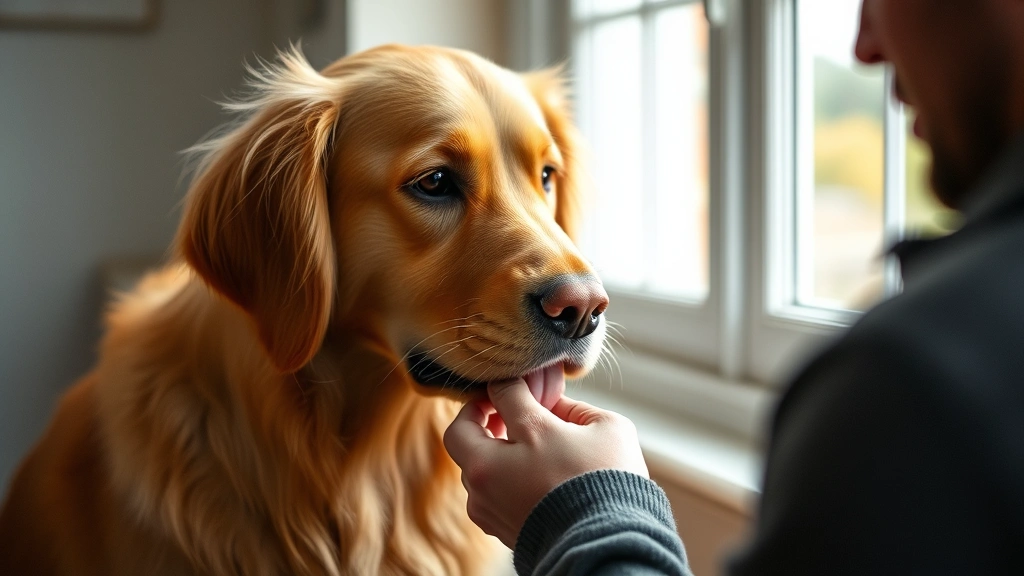
Why Does My Dog Nibble Me? Expert Insights into Canine Behavior
If you’ve ever wondered why your dog gently nibbles on your hands, arms, or face, you’re not alone. This common behavior, often called “mouthing” or “nipping,” puzzles many dog owners. While it might seem like aggressive behavior at first, dog nibbling is usually a normal form of communication and affection. Understanding the reasons behind these nibbles can help you strengthen your bond with your furry companion and determine whether the behavior needs gentle correction.
Dog nibbling behavior varies significantly depending on your pet’s age, temperament, and environment. Puppies nibble as part of their natural exploration and play, while adult dogs may nibble to show affection, seek attention, or communicate discomfort. Learning to decode these signals is essential for responsible dog ownership and ensuring a harmonious household dynamic.
Natural Reasons Dogs Nibble
Dogs communicate through their mouths in ways that humans sometimes misinterpret. Nibbling is a multifaceted behavior rooted in canine instinct and social structure. According to the American Kennel Club, mouthing and nibbling are entirely normal canine behaviors that serve multiple purposes in a dog’s social and emotional life.
The most straightforward reason your dog nibbles is exploration. Dogs use their mouths to investigate their environment, similar to how human infants explore with their hands. When your dog nibbles your skin, they’re gathering sensory information about you, your emotional state, and your relationship with them. This gentle form of contact helps dogs understand their surroundings and the beings they interact with daily.
Another natural reason for nibbling relates to pack dynamics and social bonding. In wolf packs and feral dog groups, mouthing serves as a greeting ritual and a way to reinforce social bonds. Your dog may nibble you as a way of saying hello or expressing their comfort in your presence. This behavior typically feels soft and playful rather than aggressive or painful.
Puppy Mouthing and Teething
Puppies are notorious nibblers, and this behavior is completely developmentally appropriate. Young dogs explore their world primarily through their mouths, and nibbling is how they learn about objects, people, and appropriate social behavior. Puppy mouthing typically begins around three to four weeks of age and continues through their socialization period.
Teething compounds the nibbling behavior in puppies between three and seven months old. During this stage, puppies experience significant discomfort as their baby teeth fall out and permanent teeth emerge. Nibbling helps relieve this discomfort and pressure on their gums. Providing appropriate chew toys and frozen treats during this period can significantly reduce inappropriate nibbling on your hands and clothing.
It’s crucial to understand that puppy mouthing is distinct from aggressive biting. During play, puppies learn bite inhibition—the ability to control the force of their bite—through interaction with littermates and human caregivers. When a puppy bites too hard during play, their littermates yelp and stop playing, teaching the puppy to moderate their bite force. You can replicate this training at home by gently redirecting inappropriate mouthing behavior.
The ASPCA recommends that owners of puppies consistently redirect mouthing to appropriate toys and reward calm behavior with treats and praise. This positive reinforcement helps puppies learn the difference between acceptable and unacceptable nibbling targets.

Affection and Bonding Behavior
One of the sweetest reasons your dog nibbles you is to express affection and reinforce your bond. Many dogs develop a habit of gently nibbling their favorite humans as a sign of love and trust. This behavior, sometimes called “grooming nibbles,” mimics the grooming behavior dogs perform on pack members. When your dog nibbles your hand or arm gently while relaxed, they’re likely communicating that they consider you part of their family pack.
Affectionate nibbling is typically accompanied by other positive body language signals: a soft expression, relaxed ears, a wagging tail, and leaning into your touch. Your dog may nibble you during calm moments when you’re sitting together, petting them, or simply enjoying each other’s company. This type of nibbling strengthens the emotional connection between you and your pet and indicates a secure attachment.
Some breeds are more prone to affectionate nibbling than others. Smaller breeds like Cavalier King Charles Spaniels, Maltese, and Pomeranians often exhibit more frequent gentle mouthing behavior. However, dogs of any size and breed can develop this habit as a way of showing love to their humans. Understanding this behavior as an expression of affection helps you appreciate the gesture rather than viewing it negatively.
Attention-Seeking Nibbling
Dogs are intelligent creatures that quickly learn which behaviors capture their owners’ attention. If your dog has learned that nibbling results in a response—whether positive or negative—they may use this behavior to seek your attention. This is particularly common in dogs that don’t receive enough mental or physical stimulation throughout the day.
Attention-seeking nibbling often occurs when your dog is bored, lonely, or wants to initiate playtime. They may nibble your leg, hand, or clothing to prompt you to engage with them. If you’ve consistently reacted strongly to nibbling—whether by laughing, scolding, or playing—your dog has learned that this behavior successfully communicates their desire for interaction.
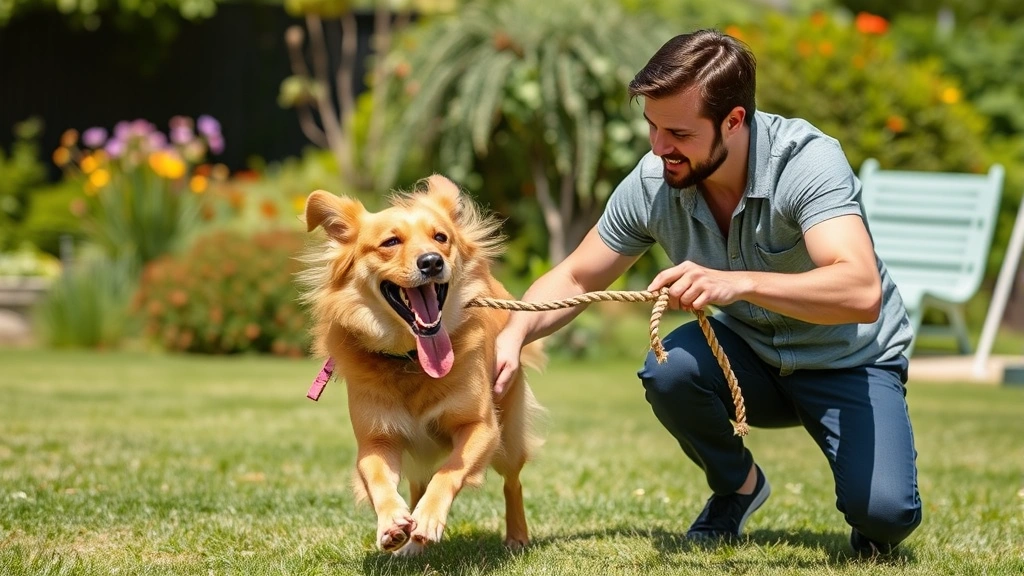
The key to addressing attention-seeking nibbling is ensuring your dog receives adequate daily exercise and mental enrichment. A tired dog is far less likely to engage in attention-seeking behaviors. Aim for at least 30 minutes of physical activity daily, depending on your dog’s age and energy level. Additionally, provide puzzle toys, interactive feeding devices, and regular training sessions to keep your dog’s mind engaged.
When your dog nibbles for attention, the best response is often to ignore the behavior completely. Avoid eye contact, don’t speak, and don’t move. Once your dog stops nibbling and displays calm behavior, reward them with attention and praise. This teaches your dog that calm behavior, not nibbling, earns your attention.
Signs of Stress or Discomfort
While most nibbling is benign, sometimes this behavior can indicate stress, anxiety, or physical discomfort. Dogs that are anxious or nervous may engage in self-soothing nibbling, similar to how humans might bite their nails when stressed. If your dog’s nibbling behavior has suddenly increased or changed in character, it’s worth investigating potential underlying causes.
Dogs experiencing pain or illness may nibble more frequently or in specific locations. If your dog is primarily nibbling around one particular area of your body, they may be trying to communicate discomfort or attempting to provide comfort. Conversely, if your dog is excessively licking or nibbling their own body parts, this could indicate skin irritation, allergies, or other health issues requiring veterinary attention.
Stress-related nibbling often accompanies other anxiety signals: excessive panting, pacing, whining, or attempts to hide. Dogs that are experiencing separation anxiety, fear of loud noises, or environmental stress may resort to increased mouthing and nibbling as a coping mechanism. In these cases, addressing the underlying stress through desensitization, counterconditioning, or professional training is essential.
If you suspect your dog’s nibbling is stress-related or pain-related, consult your veterinarian. A professional examination can rule out medical issues and provide recommendations for behavioral intervention if needed. Your vet can also refer you to a certified professional dog trainer or veterinary behaviorist for specialized guidance.
When to Redirect the Behavior
Not all nibbling requires intervention, but knowing when to redirect this behavior is important for maintaining appropriate boundaries. If your dog’s nibbling is gentle, infrequent, and accompanied by positive body language, there’s typically no need to discourage it. However, if the nibbling is becoming excessive, painful, or occurring at inappropriate times, gentle redirection is warranted.
Redirection works best when you provide an attractive alternative to nibbling on you. Keep appropriate chew toys and teething toys readily available. When your dog begins to nibble you, calmly redirect them to a toy: “Let’s chew on this instead.” Praise and reward your dog enthusiastically when they engage with the toy rather than your skin. This positive reinforcement teaches your dog the preferred behavior.
The timing of redirection is crucial. You want to catch the behavior early, before it escalates. If you wait until your dog is deeply engaged in mouthing, redirection becomes more difficult. Stay alert to your dog’s body language and intervene gently at the first sign of inappropriate nibbling.
Some owners find that providing healthy chew alternatives helps redirect nibbling behavior naturally. Consider offering carrots as chew toys, which provide both mental stimulation and nutritional benefits. You might also explore squash options for variety in your dog’s chewing repertoire. These natural alternatives keep dogs engaged while satisfying their natural urge to chew.
Training Techniques That Work
Effective training for excessive nibbling combines several evidence-based techniques. The “yelp and withdraw” method, borrowed from how puppies learn from littermates, can be surprisingly effective. When your dog nibbles too hard, respond with a high-pitched yelp and immediately withdraw your attention by leaving the room briefly. This mimics how puppies learn bite inhibition naturally.
Another successful technique is the “trade-up” method. When your dog begins to nibble you, immediately offer an appealing toy and enthusiastically engage in play with the toy instead. This teaches your dog that appropriate toys result in rewarding interaction with you. Consistency is essential—every time your dog attempts to nibble you, redirect to a toy.
The “nothing in life is free” protocol also helps reduce attention-seeking nibbling. Require your dog to display calm behavior before receiving attention, treats, or playtime. This teaches your dog that good manners, not mouthing, earn your rewards. Ask for a sit, wait, or other calm behavior before petting, feeding, or engaging with your dog.
For puppies, supervised playtime with other well-socialized dogs is invaluable. Playing with littermates or other puppies teaches bite inhibition naturally. If your puppy is an only dog, arrange regular playdate sessions with friendly dogs in controlled environments. This peer interaction helps puppies learn appropriate mouthing boundaries.
Consistency across all household members is absolutely critical. Everyone living with or regularly visiting your dog must respond to nibbling in the same way. If one person redirects nibbling while another finds it amusing and engages with it, your dog receives mixed messages and training progress stalls.
Consider consulting a certified professional dog trainer if excessive nibbling persists despite your efforts. A trainer can assess your dog’s specific situation and develop a customized training plan. The Certification Council for Professional Dog Trainers maintains a directory of qualified trainers in your area who use positive reinforcement methods.
FAQ
Is dog nibbling a sign of aggression?
Gentle nibbling is rarely a sign of aggression. True aggressive biting is typically accompanied by growling, stiff body posture, pinned back ears, and a hard stare. Affectionate or playful nibbling feels soft, occurs during relaxed moments, and is accompanied by positive body language signals like a wagging tail and soft eyes. However, if you’re uncertain about your dog’s behavior, consult a professional trainer or veterinary behaviorist for evaluation.
How can I tell the difference between playful nibbling and aggressive biting?
Playful nibbling is gentle, doesn’t break the skin, and occurs during relaxed or playful interactions. The dog’s overall body language is loose and friendly. Aggressive biting, by contrast, is forceful, may break skin, and is accompanied by tension, growling, and a hard stare. Aggressive bites often occur when a dog feels threatened or is protecting resources. The context and accompanying body language make the distinction clear in most cases.
My puppy’s nibbling hurts—what should I do?
Puppy bites that hurt, even unintentionally, require immediate redirection and training. Use the “yelp and withdraw” method to teach your puppy to moderate bite force. Additionally, provide plenty of appropriate chew toys and engage in supervised play sessions that teach bite inhibition. If your puppy’s biting is severe or accompanied by growling or stiffness, consult a professional trainer immediately.
Can I use punishment to stop nibbling?
Punishment is generally ineffective and counterproductive for addressing nibbling behavior. Harsh corrections can damage your relationship with your dog, increase anxiety, and may actually increase aggressive behaviors. Positive reinforcement methods—redirecting to toys, rewarding calm behavior, and providing appropriate outlets for mouthing—are far more effective and humane.
At what age do puppies stop mouthing?
Most puppies naturally decrease mouthing behavior as they mature and learn appropriate social boundaries. However, some adult dogs continue gentle affectionate nibbling throughout their lives. With consistent training and redirection, excessive or inappropriate mouthing can be significantly reduced by 6-12 months of age. Individual dogs vary in how quickly they learn these lessons.
Should I be concerned if my adult dog suddenly increases nibbling?
A sudden increase in nibbling behavior warrants investigation. Changes in behavior can indicate stress, anxiety, pain, or other health issues. Schedule a veterinary examination to rule out medical problems. If your vet clears your dog medically, consult a trainer or behaviorist to identify potential environmental or behavioral triggers for the increased mouthing.
Are certain dog breeds more prone to nibbling?
Smaller breeds and certain toy breeds may exhibit more frequent gentle mouthing behavior. Additionally, breeds with naturally high prey drive or strong mouths may display more intense mouthing during play. However, all dogs can develop nibbling behaviors, and individual personality matters more than breed. With consistent training, any dog’s mouthing habits can be managed effectively.





