
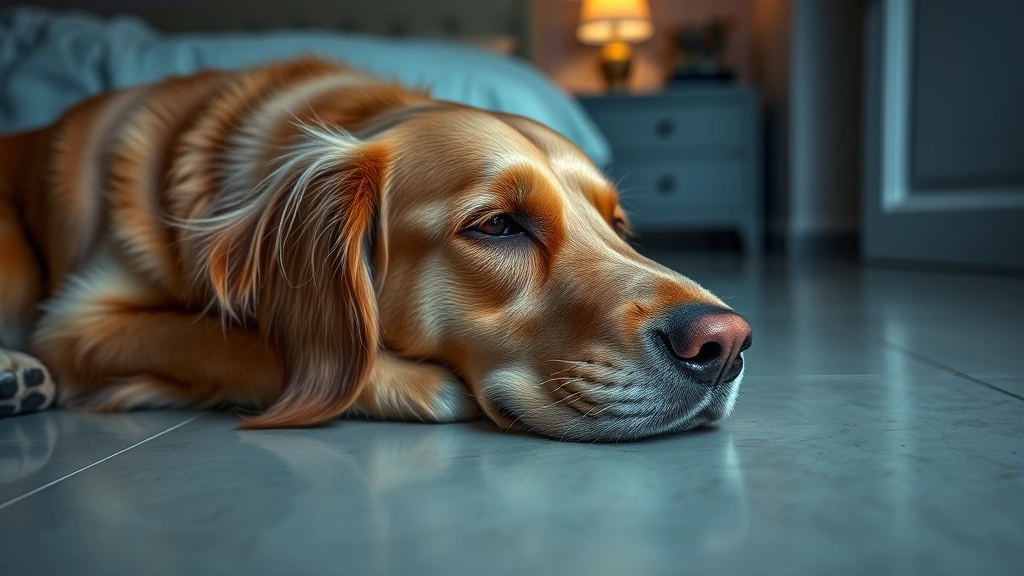
Why Do Dogs Pant at Night? Vet Insights and What You Should Know
If you’ve noticed your dog panting heavily at night, you’re not alone. Many pet owners worry when their furry companion seems to be breathing rapidly or excessively during sleep hours. While some nighttime panting is completely normal, understanding the underlying causes can help you determine whether your dog needs veterinary attention or if it’s simply a behavioral quirk.
Nighttime panting can stem from numerous factors—ranging from harmless environmental conditions to serious health concerns. This comprehensive guide explores the most common reasons dogs pant at night, backed by veterinary expertise, and provides practical solutions to help your dog rest peacefully.
Normal Panting vs. Excessive Panting
Dogs pant as their primary cooling mechanism since they lack functional sweat glands across their bodies. Unlike humans who sweat to regulate temperature, dogs rely on rapid breathing to dissipate heat through their mouth and nasal passages. Panting is a completely normal physiological response, especially after exercise or during warm weather.
However, distinguishing between normal panting and excessive panting is crucial for identifying potential problems. Normal panting typically occurs:
- After physical activity or play
- During warm weather or in hot environments
- When your dog is excited or stimulated
- Following stressful situations (that resolve quickly)
- For short durations with clear triggers
Excessive or abnormal panting may indicate concerns if:
- It persists without apparent cause
- Your dog pants heavily at rest during cool nights
- Panting is accompanied by lethargy or loss of appetite
- You notice changes in breathing patterns or difficulty breathing
- Your dog seems distressed or uncomfortable
Understanding this distinction helps you respond appropriately and seek professional help when necessary. Keep a mental note of when the panting occurs and what circumstances surround it—this information proves invaluable during veterinary consultations.
Temperature and Environmental Factors
The most straightforward explanation for nighttime panting involves your home’s temperature and humidity levels. Many people assume that because the sun has set, the house naturally cools down. However, bedrooms can retain heat, especially during summer months or if your home lacks adequate ventilation.
Temperature considerations for dogs:
Dogs are more sensitive to heat than humans, and breeds with thick double coats (like Golden Retrievers, German Shepherds, and Huskies) are particularly prone to overheating. If your bedroom temperature exceeds 72°F (22°C), your dog may pant to cool down. Additionally, humidity levels affect how efficiently panting works—high humidity reduces evaporative cooling effectiveness, forcing your dog to pant more intensely.
Certain breeds are inherently more susceptible to heat sensitivity. The American Kennel Club categorizes brachycephalic breeds (those with flat faces like Bulldogs, Pugs, and Boston Terriers) as particularly vulnerable to breathing difficulties and heat intolerance. These breeds may pant excessively even in mildly warm conditions.
Environmental solutions include:
- Lowering your thermostat to 68-70°F during sleeping hours
- Using fans to improve air circulation in your bedroom
- Providing a cool, elevated dog bed away from direct sunlight
- Ensuring access to fresh water throughout the night
- Using breathable bedding instead of heavy blankets
If you suspect temperature is the culprit, monitor whether panting decreases when you adjust environmental conditions. This simple troubleshooting can often resolve the issue without medical intervention.
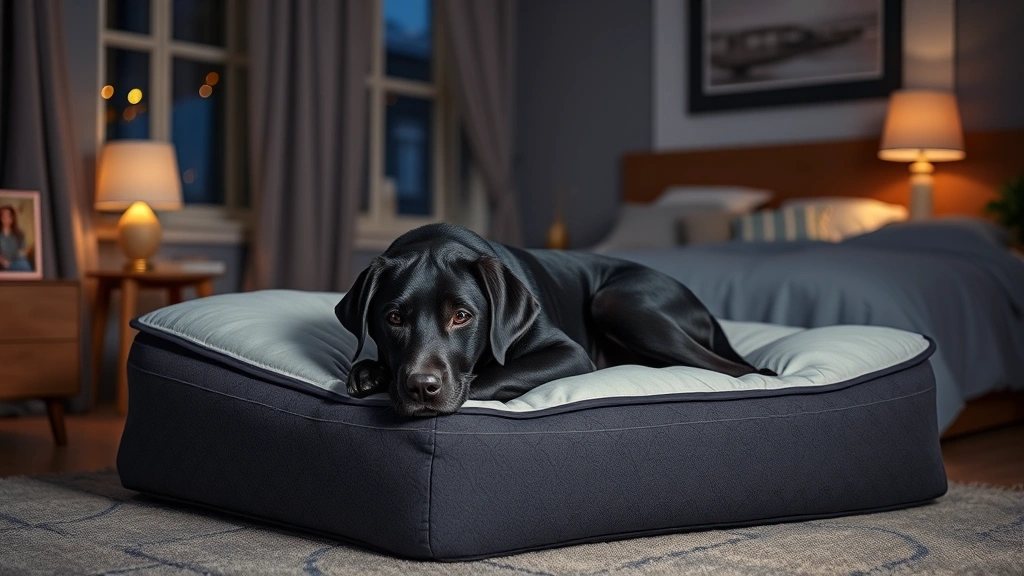
Anxiety and Stress-Related Panting
Dogs experience anxiety and stress just as humans do, and nighttime can amplify these feelings. When dogs are anxious, their nervous system triggers the “fight or flight” response, which increases heart rate and respiratory rate. Panting becomes a physical manifestation of their emotional state.
Common nighttime anxiety triggers include:
- Separation anxiety when owners go to bed
- Fear of thunderstorms or loud noises
- Changes in routine or environment
- Lack of exercise during the day
- Insufficient mental stimulation
- Trauma or past negative experiences
Senior dogs and rescue dogs particularly experience nighttime anxiety. Rescue dogs may have unknown backgrounds that trigger fear responses, while senior dogs sometimes experience cognitive dysfunction, leading to confusion and anxiety during nighttime hours.
Addressing anxiety-related panting:
Creating a calming bedtime routine significantly reduces nighttime anxiety. Establish consistent sleep schedules, provide a designated safe space for your dog, and consider using anxiety-reducing techniques like gentle massage or calming music. Some dogs benefit from ASPCA-recommended calming supplements containing L-theanine or chamomile, though always consult your veterinarian before introducing supplements.
Exercise plays a vital role in managing anxiety. Dogs that receive adequate physical activity during the day tire out mentally and physically, making them more likely to sleep peacefully at night. Aim for at least 30 minutes of moderate to vigorous exercise daily, adjusted for your dog’s age and health status.
Medical Conditions Behind Nighttime Panting
While environmental and emotional factors account for many cases of nighttime panting, various medical conditions can trigger excessive breathing. Recognizing these potential health issues ensures your dog receives timely veterinary care.
Respiratory infections and diseases:
Infections affecting the lungs, bronchi, or trachea cause inflammation and difficulty breathing, prompting increased panting. Kennel cough, pneumonia, and bronchitis are common respiratory conditions that worsen during rest periods when your dog lies down. These conditions typically present with coughing, lethargy, and decreased appetite alongside panting.
Heart disease and cardiovascular issues:
Heart problems significantly impact oxygen circulation, forcing the lungs to work harder and the dog to pant more frequently. Congestive heart failure, arrhythmias, and valve disease all manifest with nighttime panting. Older dogs and certain breeds (like Cavalier King Charles Spaniels and Boxers) face elevated heart disease risk. If your dog pants excessively alongside fainting, weakness, or exercise intolerance, cardiac evaluation becomes essential.
Pain and discomfort:
Dogs experiencing pain often pant as a stress response. Arthritis, hip dysplasia, intervertebral disc disease, and other painful conditions intensify at night when your dog settles into positions that exacerbate discomfort. Panting may accompany restlessness, difficulty lying down, or frequent position changes.
Hormonal imbalances:
Conditions like Cushing’s syndrome and hyperthyroidism alter metabolic rates and temperature regulation, leading to excessive panting. These endocrine disorders typically develop gradually and present with additional symptoms like increased thirst, urination, and appetite changes.
Fever and infection:
Systemic infections cause fever, which triggers panting as the body attempts to cool itself. Urinary tract infections, skin infections, and other bacterial or viral infections can cause nighttime panting. Fever typically accompanies lethargy, reduced appetite, and behavioral changes.
Proper diagnosis requires professional veterinary evaluation. Your veterinarian may recommend blood work, chest radiographs, ultrasound, or ECG depending on the suspected condition. Early detection of serious health issues dramatically improves treatment outcomes.
Age-Related Panting in Dogs
A dog’s age significantly influences panting patterns. Puppies and senior dogs experience different physiological changes that affect breathing.
Puppies and young dogs:
Young dogs pant more frequently as they regulate body temperature less efficiently than adults. Puppies also experience higher energy levels and may pant from excitement or play residue. Teething puppies sometimes pant excessively due to oral discomfort. These age-related patterns typically normalize as dogs mature.
Senior dogs:
Dogs aged 7 years and older commonly experience increased nighttime panting due to multiple age-related factors. Cognitive dysfunction syndrome (canine dementia) causes confusion and anxiety during nighttime hours. Senior dogs also develop decreased pain tolerance, making arthritic joints particularly uncomfortable when lying down for extended periods.
Additionally, older dogs have reduced thermoregulation efficiency, meaning they struggle more with temperature regulation. Their cardiovascular and respiratory systems work less efficiently, requiring increased effort to maintain adequate oxygen circulation. Weight gain common in senior dogs exacerbates breathing difficulties.
If your senior dog suddenly increases nighttime panting, veterinary evaluation becomes important to rule out developing health conditions. However, some increase in panting represents normal aging and can be managed through environmental modifications and comfort enhancements.
When to Contact Your Veterinarian
Knowing when to seek professional help prevents minor issues from developing into serious conditions. Certain panting patterns warrant immediate veterinary attention.
Seek emergency veterinary care if your dog:
- Displays rapid, labored breathing with visible effort
- Shows signs of choking or gagging
- Has pale or blue-tinged gums
- Exhibits extreme restlessness or inability to settle
- Demonstrates weakness, collapse, or fainting
- Experiences prolonged panting that doesn’t resolve with cooling measures
Schedule a routine veterinary appointment if your dog:
- Suddenly increases nighttime panting without clear cause
- Combines panting with other symptoms like coughing, lethargy, or appetite loss
- Shows behavioral changes alongside panting patterns
- Is overweight and experiences increased panting
- Is a brachycephalic breed with chronic panting
Your veterinarian can perform a thorough physical examination, assess vital signs, and recommend diagnostic testing if necessary. Providing your vet with detailed information about when panting occurs, its duration, associated symptoms, and any recent changes to your dog’s routine helps facilitate accurate diagnosis.
Practical Tips to Help Your Dog Sleep Better
While addressing underlying causes, several practical strategies promote better nighttime sleep and reduce panting frequency.
Environmental optimization:
Maintain a cool, well-ventilated sleeping area. Position your dog’s bed away from heating vents, direct sunlight through windows, and heat-generating electronics. Ceiling fans or portable fans improve air circulation without creating drafts. Consider cooling dog beds filled with gel or water for breeds prone to overheating.
Hydration and nutrition:
Ensure your dog has constant access to fresh water. Dehydration increases panting and body temperature. However, limit water intake immediately before bedtime to prevent nighttime bathroom breaks. Regarding nutrition, feeding appropriate portions maintains healthy weight—obesity significantly worsens panting and breathing difficulties. If you’re concerned about your dog’s diet, consult your veterinarian. Some owners find that offering carrots as low-calorie treats supports weight management while providing nutritional benefits.
Exercise and mental stimulation:
Provide adequate daytime exercise to tire your dog physically and mentally. A tired dog sleeps more soundly and experiences less nighttime anxiety. However, avoid vigorous exercise within 2-3 hours of bedtime, as post-exercise panting may interfere with sleep.
Bedtime routine:
Establish a consistent pre-sleep routine signaling to your dog that rest time approaches. This might include a calm walk, gentle grooming, or quiet playtime. Consistency helps regulate your dog’s internal clock and reduces bedtime anxiety.
Comfort enhancements:
Provide an orthopedic bed that supports aging joints and reduces pain-related panting. Use washable, breathable bedding that maintains appropriate temperature. Some dogs benefit from white noise machines that mask environmental sounds triggering anxiety.
Health monitoring:
Maintain regular veterinary check-ups, especially for senior dogs or breeds predisposed to health issues. Discuss any concerns about panting patterns, and don’t hesitate to mention behavioral or environmental changes you’ve observed.
Dietary considerations:
Proper nutrition supports overall health and can reduce panting related to obesity or nutritional deficiencies. If your dog experiences digestive issues affecting sleep quality, consult your vet about dietary adjustments. Some owners ask whether dogs can eat corn or can dogs eat broccoli as healthy food options. Additionally, understanding what to feed a dog with diarrhea helps manage digestive upset that might interfere with sleep. For cooling treats, watermelon peel can be a refreshing option during warm nights.
FAQ
Is it normal for dogs to pant at night?
Some nighttime panting is normal, especially in warm environments or after activity. However, excessive or persistent panting without clear cause warrants veterinary evaluation to rule out medical issues.
Why does my dog pant at night but not during the day?
Nighttime panting often relates to anxiety, bedroom temperature, or pain that worsens when lying down. Reduced daytime activity and cooler nighttime temperatures might mask symptoms during the day.
Can anxiety cause nighttime panting in dogs?
Yes, anxiety significantly contributes to nighttime panting. Separation anxiety, fear of noises, and environmental changes trigger stress responses that increase respiratory rates.
What temperature should my house be for my dog?
Most dogs sleep comfortably in temperatures between 68-72°F (20-22°C). However, individual preferences vary based on breed, coat type, age, and health status. Observe your dog’s behavior to determine optimal temperature.
When should I worry about dog panting?
Worry if panting is accompanied by labored breathing, weakness, pale gums, excessive drooling, or behavioral changes. Also be concerned if panting suddenly increases or occurs without environmental triggers.
Can overweight dogs pant more at night?
Absolutely. Obesity increases respiratory effort and heat retention, causing excessive panting—particularly during rest when body position may compress airways. Weight management through proper diet and exercise significantly reduces panting.
Do senior dogs pant more at night?
Yes, senior dogs commonly pant more due to decreased thermoregulation, joint pain, cognitive dysfunction, and age-related health conditions. These changes represent normal aging but warrant veterinary monitoring.
What medications help reduce nighttime panting?
Treatment depends on underlying causes. Anxiety medications, pain relievers, cardiac medications, and antibiotics address specific conditions. Never administer medications without veterinary guidance.
Is panting a sign of pain in dogs?
Panting can indicate pain, particularly when accompanied by restlessness, reluctance to move, or behavioral changes. Pain management through medication and environmental modifications can reduce pain-related panting.
Should I take my dog to the vet for nighttime panting?
Consult your veterinarian if nighttime panting is new, excessive, persistent, or accompanied by other symptoms. Routine panting in response to temperature or mild anxiety typically doesn’t require urgent care but benefits from professional evaluation if concerning.





