
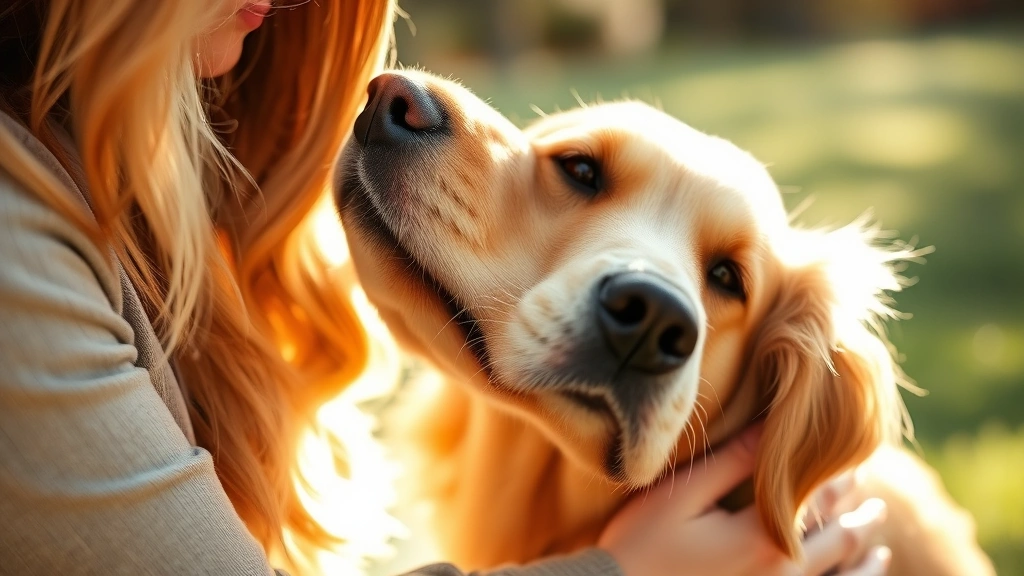
Why Dogs Rub Their Faces on You: Vet Insights
If you’ve ever wondered why your dog rubs their face on you, you’re not alone. This common canine behavior puzzles many dog owners, but veterinarians and animal behaviorists have identified several fascinating reasons behind it. From scent marking to showing affection, face rubbing is a multifaceted communication method that reveals your dog’s emotional state and social bonds.
Understanding this behavior helps you strengthen your relationship with your furry companion and recognize when your dog is trying to tell you something important. Whether your dog is claiming you as part of their pack or seeking comfort, learning to interpret these signals deepens the human-canine connection.
Scent Marking and Territory Claims
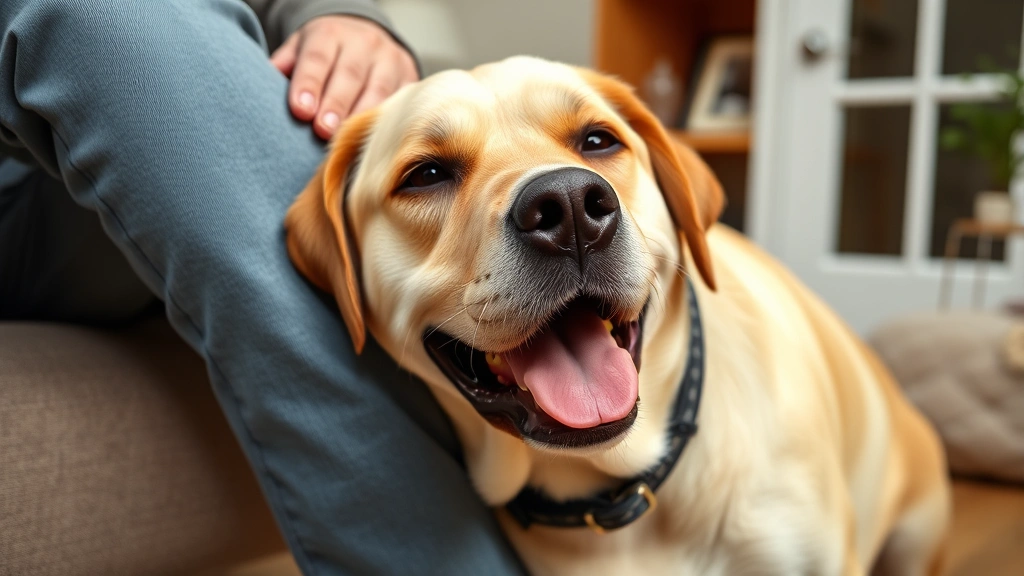
One of the primary reasons dogs rub their faces on you is scent marking. Dogs have specialized scent glands located on their cheeks, temples, and chin. When your dog rubs their face against your leg, arm, or body, they’re depositing pheromones—chemical signals that carry important information to other dogs.
According to research from the American Kennel Club, these facial glands produce unique scent profiles that serve multiple purposes. Your dog is essentially marking you as part of their territory and social group. This behavior is instinctual and dates back to your dog’s wolf ancestors, who used scent marking to establish pack hierarchies and maintain group cohesion.
When your dog rubs their face on you, they’re saying, “You belong to my pack, and I’m claiming you.” This is a sign of ownership and protection. Other dogs can detect these pheromones and understand that you’re connected to your dog. It’s a form of non-verbal communication that strengthens social bonds within the pack—and in this case, your family is your dog’s pack.
The intensity and frequency of face rubbing can vary based on your dog’s personality, confidence level, and how secure they feel in their environment. Anxious dogs might rub their faces more frequently as a way to self-soothe by surrounding themselves with familiar scents.
Affection and Pack Bonding
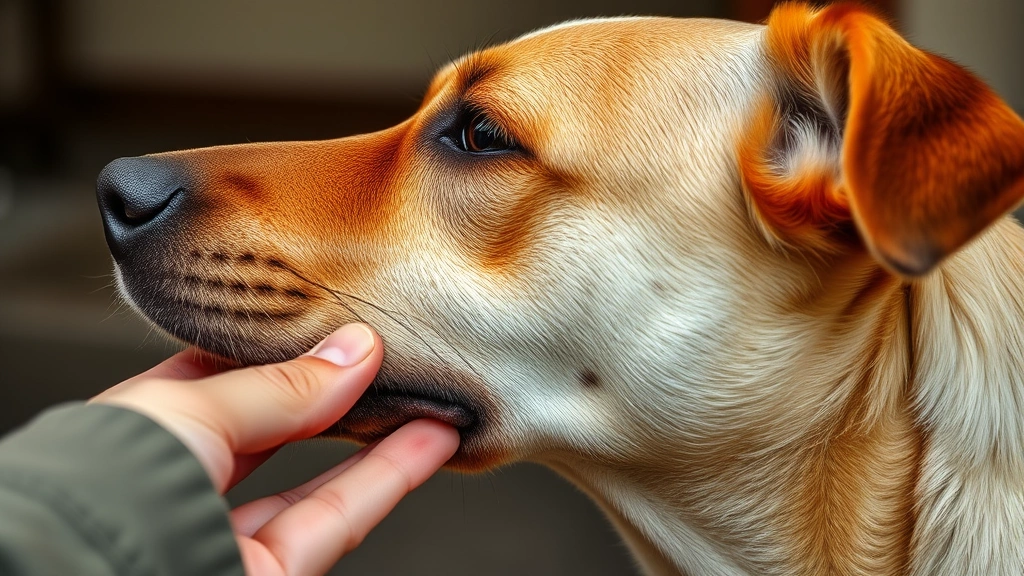
Beyond scent marking, face rubbing is a powerful display of affection and emotional connection. When your dog rubs their face on you in a gentle, repetitive manner, they’re showing trust and love. This behavior mimics how dogs interact with littermates and their mothers, making it an intimate gesture in canine society.
Dogs that feel secure and bonded to their owners are more likely to engage in frequent face rubbing. It’s their way of reinforcing the attachment bond and expressing contentment. When combined with other positive behaviors like tail wagging, soft eyes, and relaxed body posture, face rubbing clearly indicates your dog is happy to be near you.
Research in animal behavior suggests that this type of physical contact releases oxytocin—the “bonding hormone”—in both dogs and humans. When your dog rubs their face on you and you respond with affection, both of you experience a neurochemical reward. This mutual reinforcement strengthens your relationship and creates a positive feedback loop of attachment and trust.
Multi-dog households often show interesting dynamics around face rubbing. Higher-ranking or more confident dogs may rub their faces on their owners more frequently, asserting their position within the family hierarchy. This doesn’t mean they’re being aggressive; rather, they’re demonstrating confidence and secure attachment.
Canine Communication Methods
Face rubbing is just one component of your dog’s complex communication system. Dogs use their entire bodies to convey messages, and understanding this language helps you respond appropriately to your pet’s needs.
According to the ASPCA, dogs communicate through:
- Facial expressions: Soft eyes, relaxed mouths, and forward-facing ears indicate friendliness
- Body posture: Play bows, tail position, and body tension convey emotional states
- Vocalizations: Barks, whines, and growls carry specific meanings
- Touch behaviors: Face rubbing, nudging, and leaning demonstrate bonding
- Scent communication: Pheromone marking through facial glands and urine
When your dog rubs their face on you, pay attention to the context and accompanying behaviors. Is your dog’s tail wagging? Are their ears relaxed? Do they seem calm or anxious? These signals help you interpret whether your dog is seeking comfort, establishing dominance, or simply expressing affection.
Some dogs also rub their faces to get your attention or request something specific—a walk, meal, or playtime. This learned behavior becomes a communication tool when dogs discover their owners respond positively to it. Over time, your dog may use face rubbing strategically to manipulate situations in their favor.
When Face Rubbing Signals Health Issues
While occasional face rubbing is completely normal, excessive or sudden increases in this behavior can indicate underlying health problems. Veterinarians recommend monitoring the frequency and intensity of your dog’s face rubbing.
Excessive face rubbing may signal:
- Ear infections: Dogs with painful ears often rub their faces compulsively to relieve discomfort
- Allergies: Environmental or food allergies can cause itching and facial irritation
- Skin conditions: Mange, dermatitis, or fungal infections lead to excessive rubbing
- Eye problems: Irritation, conjunctivitis, or foreign objects trigger face rubbing
- Dental issues: Tooth pain or gum disease can manifest as facial rubbing
- Anxiety: Stressed dogs sometimes engage in repetitive behaviors including face rubbing
If you notice your dog’s face rubbing has become obsessive or is accompanied by hair loss, redness, discharge, or foul odor, consult your veterinarian immediately. A professional examination can rule out medical conditions and provide appropriate treatment.
Your dog’s overall health is interconnected with their behavior. Proper nutrition plays a crucial role in maintaining healthy skin and coat. If your dog has skin sensitivities, you might explore dietary options. For instance, whether dogs can eat broccoli depends on individual digestive systems, and some vegetables may help or hinder skin health depending on allergies.
Breed Differences in Face Rubbing
Different dog breeds show varying tendencies toward face rubbing behaviors. Some breeds are naturally more affectionate and tactile, while others are more independent.
Breeds that frequently engage in face rubbing include:
- Brachycephalic breeds: Bulldogs, Pugs, and Boston Terriers often rub their faces due to their facial structure and sensitivity
- Companion breeds: Cavalier King Charles Spaniels, Maltese, and Affenpinschers are highly affectionate and frequently rub faces
- Scent hounds: Beagles and Basset Hounds use their facial glands extensively for communication
- Working breeds: German Shepherds and other protective breeds may rub faces to assert pack position
Individual personality matters more than breed tendencies. Some dogs are naturally more physical and expressive, while others show affection more subtly. Understanding your specific dog’s communication style helps you appreciate their unique way of connecting with you.
Environmental factors also influence face rubbing frequency. Dogs living in multi-pet households may rub their faces more to establish their presence. Similarly, dogs in stressful environments might increase this behavior as a self-soothing mechanism.
Consider your dog’s overall dietary health when evaluating behavioral changes. Nutritional deficiencies can affect mood and behavior. Questions like whether dogs can eat corn or if dogs can eat carrots become relevant when optimizing your dog’s health and potentially improving mood-related behaviors.
FAQ
Is it normal for dogs to rub their faces on their owners?
Yes, absolutely. Face rubbing is a completely normal canine behavior rooted in scent marking and affection. Most dogs rub their faces on their owners multiple times daily. However, if the frequency increases dramatically or seems obsessive, consult your veterinarian to rule out health issues.
What does it mean when a dog rubs their face on your leg?
When a dog rubs their face on your leg, they’re typically marking you with their scent glands while simultaneously expressing affection and claiming you as part of their pack. This behavior strengthens the bond between you and your dog and communicates trust.
Can excessive face rubbing indicate a problem?
Excessive face rubbing can signal allergies, ear infections, skin conditions, dental problems, or anxiety. If your dog’s face rubbing seems compulsive or is accompanied by other symptoms like hair loss or redness, schedule a veterinary appointment. The ASPCA provides resources on common dog health problems that may help you understand potential causes.
Do all dogs rub their faces on their owners?
While most dogs rub their faces to some degree, the frequency and intensity vary based on personality, breed, and individual temperament. Some dogs are more tactile and expressive, while others show affection more subtly through other behaviors.
How should I respond when my dog rubs their face on me?
Respond positively by gently petting your dog, speaking in a calm, affectionate tone, and providing the attention or interaction they’re seeking. This reinforces the bonding behavior and strengthens your relationship. However, if your dog seems distressed or the behavior seems compulsive, assess the situation more carefully.
Is face rubbing different from head bunting?
While similar, face rubbing and head bunting are slightly different. Face rubbing involves the dog’s cheeks and temples, while head bunting typically involves pushing their head against you with more force. Both serve similar purposes—scent marking and affection—but may indicate different emotional intensities.
Can diet affect my dog’s face rubbing behavior?
Yes, diet can indirectly affect face rubbing if nutritional deficiencies, allergies, or sensitivities cause skin problems. A balanced diet supports healthy skin and coat. If your dog has food sensitivities, understanding which foods they can safely eat matters. For example, knowing whether dogs can eat mushrooms or if dogs can eat onions helps prevent allergic reactions that might trigger excessive rubbing.
Consult your veterinarian about appropriate dietary options if your dog exhibits skin-related behaviors or allergies. A veterinary information network can provide additional guidance on nutrition and health-related behavioral changes.
Should I discourage my dog from rubbing their face on me?
Generally, no. Face rubbing is a healthy, normal behavior that strengthens your bond. However, if your dog’s rubbing causes discomfort or if it’s accompanied by signs of health issues, you may want to address the underlying cause with your veterinarian rather than discouraging the behavior itself.





