
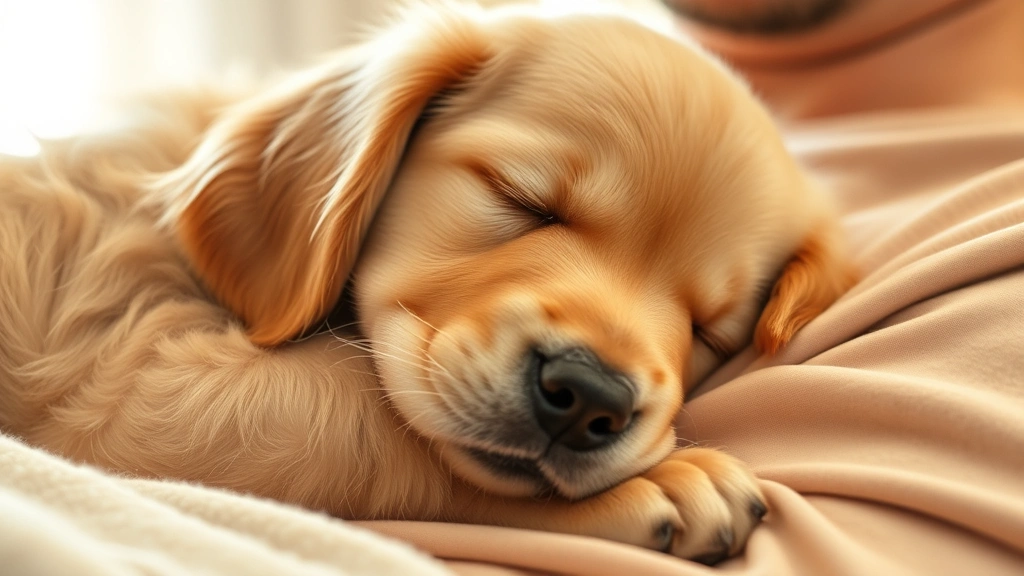
Why Does My Dog Sleep on Me? Understanding Canine Behavior
If you’ve ever found yourself pinned to the couch by a snoozing pup draped across your lap, you’re not alone. Many dog owners experience this adorable phenomenon and wonder what’s going through their furry friend’s mind. The question “why does my dog sleep on me?” might seem simple on the surface, but the answer reveals fascinating insights into canine psychology, bonding, and pack behavior.
Dogs have been our companions for thousands of years, and their sleeping habits around us tell a story of trust, security, and love. When your dog chooses your lap or chest as their personal sleeping spot, they’re communicating something meaningful. Understanding these behaviors can deepen your relationship with your four-legged best friend and help you recognize what your pup is trying to tell you.
Whether your dog is a tiny Chihuahua or a massive Great Dane, the reasons behind their choice to snooze on top of you are rooted in canine instinct and emotional connection. Let’s explore the various reasons why your dog finds your presence so irresistibly comfortable and what it means for your bond.
Security and Comfort
At the core of why your dog sleeps on you lies a fundamental need for security. Dogs are pack animals by nature, and in the wild, puppies would sleep huddled together with their littermates and mother for warmth and protection. When your dog chooses to sleep on you, they’re recreating that primal sense of safety and belonging.
Your dog sees you as their pack leader and trusted caregiver. By sleeping directly on your body, they’re positioning themselves in what they perceive as the safest location available. This behavior is especially common in puppies and rescue dogs who may have experienced trauma or uncertainty. The steady rhythm of your heartbeat, the warmth of your body, and your consistent presence all contribute to creating an environment where your dog feels completely secure.
This sense of security extends beyond just physical comfort. Dogs who sleep on their owners often experience reduced stress levels and lower anxiety. Research from the American Kennel Club indicates that physical proximity to their owners helps dogs maintain emotional stability and confidence throughout their day.
Pack Bonding and Affection
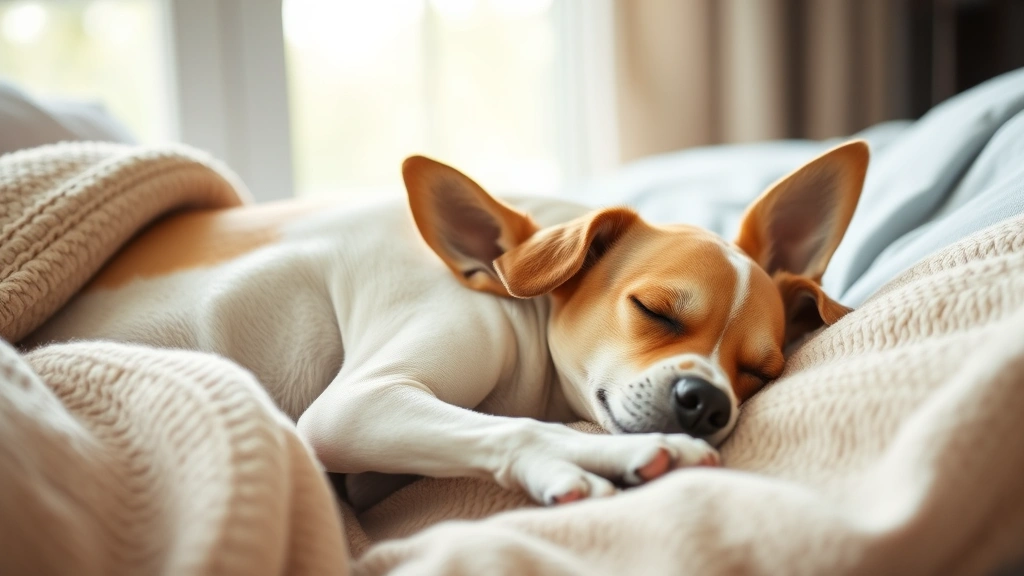
Dogs are inherently social creatures, and sleeping behavior is one of their primary ways of expressing affection and reinforcing pack bonds. When your dog sleeps on you, they’re literally saying “you’re my family, and I trust you completely.” This behavior strengthens the emotional connection between you and your pet.
Unlike humans who might find a sleeping dog on their chest uncomfortable, dogs view this arrangement as the ultimate expression of loyalty and love. They’re not just randomly choosing your lap—they’re making a deliberate choice to be as close to you as possible during their vulnerable sleeping hours. This demonstrates that your dog considers you part of their inner circle and feels safe enough to enter a state where they can’t defend themselves.
The connection between whether your dog knows you love them and their sleeping habits is undeniable. Dogs who feel secure in their owner’s affection are more likely to sleep on or near them. This behavior is their way of reciprocating that love and reinforcing your bond through physical proximity.
Additionally, when dogs sleep on their owners, they’re engaging in what behaviorists call “proximity seeking.” This is a sign of a healthy, secure attachment relationship. Your dog isn’t just looking for a comfortable place to rest—they’re seeking emotional reassurance and connection with the person they love most.
Temperature Regulation
Beyond emotional reasons, there’s a practical element to why your dog might prefer sleeping on you: your body is warm. Dogs naturally seek out warmth, especially during cooler months or in air-conditioned homes. Your body temperature, which hovers around 98.6°F, makes you an ideal heat source for your furry friend.
Puppies in particular rely heavily on external heat sources because they haven’t fully developed their own temperature regulation systems. Even adult dogs appreciate the warmth that comes from snuggling against a human body. This is why you might notice your dog is more likely to sleep on you during winter months or when your home is particularly cool.
However, it’s worth noting that dogs also have other ways of regulating their temperature. They might seek out sunny spots, move to cooler tile floors, or find drafty areas depending on their needs. If your dog consistently chooses to sleep on you even when your home is warm, it’s likely a combination of the temperature factor plus the emotional security and bonding elements we discussed earlier.
Health and Anxiety Factors
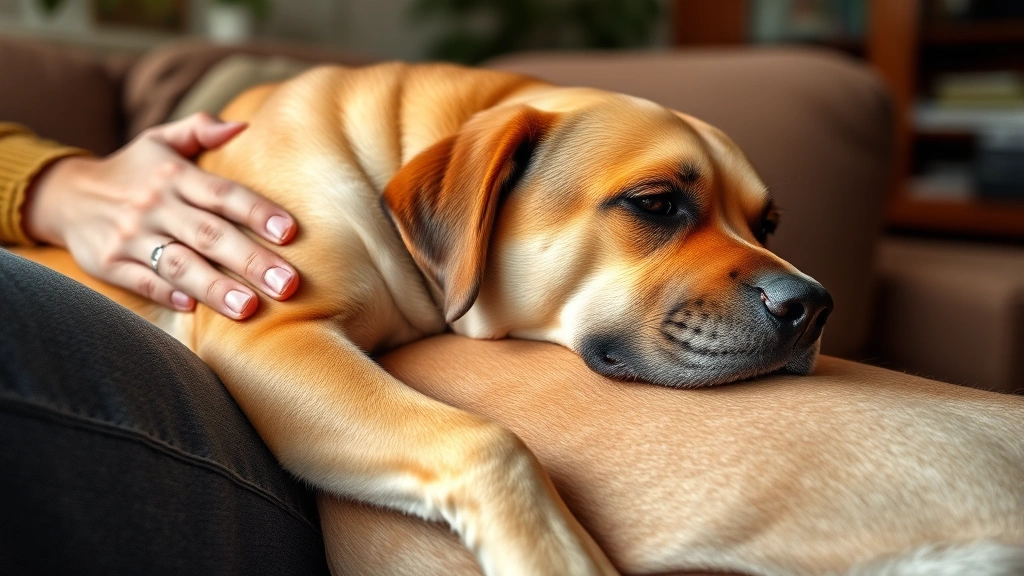
Sometimes, the reasons your dog sleeps on you relate to their physical or emotional health. Dogs experiencing separation anxiety often seek out physical contact with their owners as a coping mechanism. If your dog has been through trauma or has a history of abandonment, sleeping on you might be their way of ensuring you don’t leave them.
Medical conditions can also influence sleeping behavior. Dogs in pain or discomfort often stay close to their owners, hoping for comfort and support. If your dog has suddenly started sleeping on you more frequently than usual, it might be worth consulting with a veterinarian to rule out any underlying health issues.
Anxiety in dogs can manifest in various ways, and increased clinginess during sleep is one of them. According to the ASPCA, dogs with anxiety disorders may exhibit increased attachment behaviors to their primary caregivers. If your dog seems excessively anxious or you notice other behavioral changes, professional help from a veterinary behaviorist might be beneficial.
It’s also important to understand that some dogs are simply more affectionate and clingy by nature. Certain breeds, like Golden Retrievers and Cavalier King Charles Spaniels, are known for their strong desire to be near their humans. If you have one of these breeds, sleeping on you might just be their personality shining through.
Territorial Behavior
While it might seem counterintuitive, your dog sleeping on you can also be a subtle form of territorial behavior. By sleeping on you, your dog is marking you as “theirs” and claiming you as part of their territory. This isn’t aggressive territoriality but rather a way of establishing ownership and belonging within the pack structure.
Dogs have scent glands throughout their bodies, and when they sleep on you, they’re transferring their scent onto your clothing and skin. This serves as a marker that says “this person belongs to my pack.” It’s similar to how your dog might follow you everywhere—they’re reinforcing the idea that you’re part of their family unit.
This territorial aspect doesn’t mean your dog is being possessive in a negative way. Rather, it’s a healthy expression of their pack mentality and their desire to keep their loved ones close. In multi-dog households, you might notice that your dogs take turns sleeping on you or compete for your lap space—this is all normal pack behavior.
When to Be Concerned
While most dogs sleeping on their owners is perfectly normal and healthy, there are situations where you might want to pay closer attention. If your dog’s sleeping behavior has changed dramatically or is accompanied by other concerning symptoms, it’s worth investigating.
If your dog is sleeping on you excessively and showing signs of separation anxiety, such as destructive behavior when you leave or excessive barking, you might need to work with a trainer or behaviorist. Similarly, if your dog seems lethargic, uninterested in play, or is sleeping more than usual, these could be signs of illness or depression.
The relationship between your dog’s sleeping location and their overall wellbeing is connected to broader behavioral patterns. Understanding why dogs sleep at your feet versus on top of you can provide insights into their emotional state and comfort level. Dogs who are confident and secure might sleep at your feet, while those seeking maximum security sleep on your chest or lap.
If you’re concerned about your dog’s behavior, consulting with a veterinary professional is always the best course of action. VCA Animal Hospitals and similar facilities can provide expert guidance on behavioral concerns and medical issues.
It’s also worth considering whether your dog’s sleeping position is comfortable for you long-term. While it’s lovely to have a cuddly companion, if you’re experiencing sleep disruption or physical discomfort, you might need to establish gentle boundaries. You can encourage your dog to sleep in a bed beside yours rather than directly on you, maintaining your bond while ensuring better sleep quality for both of you.
Another consideration is whether allowing your dog to sleep on you is reinforcing any problematic behaviors. While it’s generally fine, some trainers suggest that if your dog shows signs of resource guarding or dominance issues, you might want to be more selective about when you allow this behavior. This is particularly important if you have young children or multiple pets in your home.
Frequently Asked Questions
Is it bad to let my dog sleep on me?
No, it’s generally not bad to let your dog sleep on you. In fact, it can strengthen your bond and provide comfort to your dog. However, if you’re experiencing sleep disruption or your dog shows signs of separation anxiety or other behavioral issues, you might want to establish some boundaries. It’s a personal choice based on your comfort level and your dog’s individual needs.
What does it mean when a dog sleeps on your chest?
When a dog sleeps on your chest, they’re demonstrating deep trust and affection. Your chest is a vulnerable position for a dog, and sleeping there means they feel completely safe with you. It also allows them to hear your heartbeat and feel your breathing, which provides comfort and security.
Why does my dog only sleep on me and not my family members?
Dogs often choose one person as their primary attachment figure. This could be the person who feeds them, plays with them most, or whom they’ve bonded with most strongly. Your dog might sleep on you specifically because they see you as their main source of security and comfort. This doesn’t mean they don’t love other family members—they might just have a stronger connection to you.
Can a dog sleeping on me cause health problems?
Generally, no. However, if you have allergies or respiratory issues, having a dog sleep directly on your chest might exacerbate these conditions. Additionally, if you experience sleep disruption or back pain from the weight, you might want to encourage your dog to sleep beside you instead. Always consider your own health and comfort alongside your dog’s emotional needs.
How is this related to why dogs lay on me?
The reasons your dog lays on you are very similar to why they sleep on you. Whether they’re actively lying on you during the day or sleeping on you at night, both behaviors indicate affection, security-seeking, and a desire for physical closeness. Your dog views you as a comfortable, safe place to rest and relax.
Does sleeping position indicate my dog’s health?
Sleeping position can sometimes indicate health status. Dogs in pain might sleep more than usual or in unusual positions. However, healthy dogs also have natural sleeping preferences. If you notice a sudden change in your dog’s sleeping habits or position, especially accompanied by other symptoms, consult your veterinarian.
What does it mean if my dog suddenly stops sleeping on me?
If your dog has suddenly stopped sleeping on you, it could indicate various things: they might be uncomfortable due to pain or illness, they could be adjusting to changes in their environment, or they might simply be going through a phase. If this change is accompanied by other behavioral shifts, it’s worth consulting with your vet to rule out health issues.
Can I train my dog to sleep on me?
You can encourage your dog to be more comfortable sleeping near you through positive reinforcement, but you can’t force genuine affection or comfort. If your dog naturally wants to sleep on you, that’s wonderful. If they prefer their own bed or spot, that’s equally valid. The key is respecting your dog’s preferences while building trust and bonding through other activities like petting and physical affection.
Is there a difference between small and large dogs sleeping on their owners?
While the emotional reasons are the same regardless of size, small dogs are more likely to sleep on their owners simply because they’re physically capable of doing so comfortably. Large dogs might want to but find it uncomfortable for both themselves and their owners. Many large breeds will sleep as close to their owners as possible without actually being on top of them, such as sleeping pressed against your leg or at your feet.





