

Why Does My Dog Sleep Under My Bed? Explained
If you’ve ever wondered why your furry best friend insists on turning the space beneath your bed into their personal sleeping quarters, you’re not alone. This quirky behavior is surprisingly common among dogs, and understanding the reasons behind it can actually tell you quite a bit about your pup’s personality, emotional state, and instinctive needs. Whether it’s a cozy refuge or a sign of anxiety, the reasons dogs choose to sleep under beds are more fascinating than you might think.
Many dog owners find it endearing—or occasionally perplexing—when their canine companion prefers the cramped, dark space under the bed over a plush dog bed in the living room. But this behavior isn’t random or necessarily a cause for concern. Instead, it often reveals important insights into how your dog views safety, comfort, and their relationship with you. Let’s explore the science and psychology behind this adorable sleeping habit.
The Den Instinct: A Natural Behavior
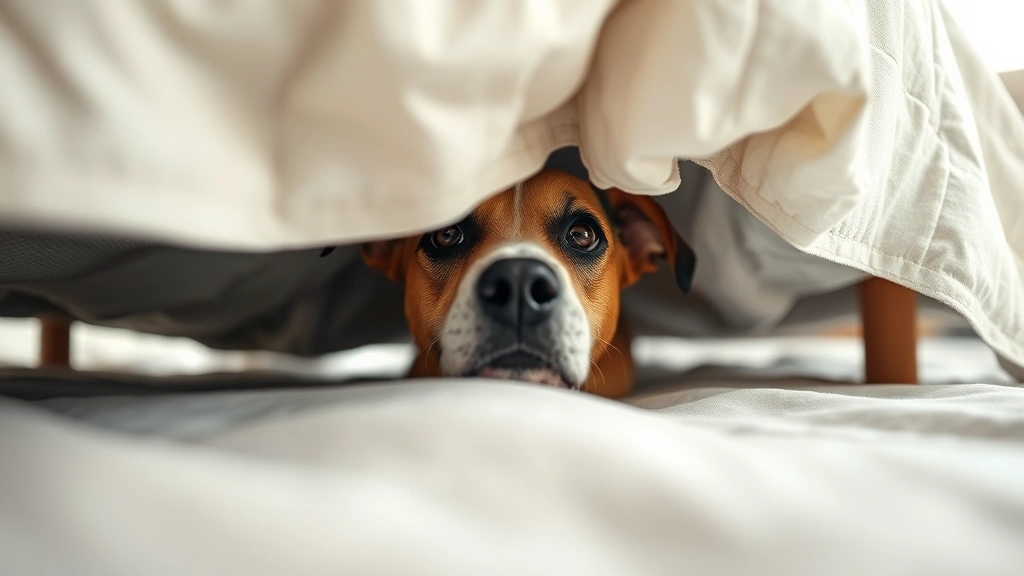
Dogs are descendants of wolves, and like their wild ancestors, they retain powerful instincts related to denning behavior. In nature, wolves seek out caves, hollow trees, and sheltered spaces to create dens—safe spaces where they can rest, raise pups, and escape from predators and harsh weather. Your dog’s bed under your bed is essentially their version of this ancestral den.
This denning instinct hasn’t been bred out of dogs despite thousands of years of domestication. In fact, many dog training experts and veterinarians recognize this behavior as completely normal and even healthy. When your dog crawls under the bed, they’re tapping into millions of years of evolutionary programming that tells them enclosed spaces equal safety. It’s not a sign of weakness or excessive dependency—it’s just your pup being, well, a dog.
The appeal of an under-bed space is particularly strong because it checks all the boxes for an ideal den: it’s enclosed on multiple sides, provides overhead protection, offers a sense of privacy, and allows your dog to observe their environment from a secure vantage point. Some dogs take their denning preferences seriously enough that they’ll arrange blankets or pillows to make their under-bed space even more nest-like.
Safety and Security Matters
Beyond the ancestral den instinct, under-bed sleeping often relates to your dog’s need for security and safety. This is particularly true for rescue dogs, dogs with trauma histories, or those who are naturally more anxious. The enclosed space provides what psychologists call a “secure base”—a location where your dog feels protected enough to let their guard down and truly rest.
Your bedroom specifically is a high-security zone for most dogs. It’s where you sleep, which means it’s the most important location in their world. By sleeping under your bed, your dog gets the benefits of both the secure den space and proximity to you—the person they trust most. It’s a way of saying, “I feel safe here, with you nearby.” This behavior is particularly common in dogs that experience separation anxiety or those who are deeply bonded to their owners.
Research from the American Kennel Club indicates that dogs sleeping in their owner’s bedroom—whether on the bed, beside it, or under it—tend to have stronger bonds with their owners and often feel more secure overall. The under-bed position is essentially your dog’s way of maximizing security while maintaining their own personal space.
Anxiety and Stress Signals
While under-bed sleeping is often completely normal, it can sometimes indicate that your dog is experiencing anxiety or stress. If your dog suddenly starts spending excessive amounts of time under the bed, especially if this is a new behavior, it could be worth investigating. Changes in sleeping patterns can signal physical discomfort, emotional distress, or even medical issues.
Signs that your dog’s under-bed sleeping might indicate anxiety include: refusing to come out even for meals or walks, excessive panting while underneath, destructive behavior when removed from under the bed, or trembling and whining. If your dog displays these symptoms, especially during thunderstorms or fireworks, they may be seeking the under-bed space as a refuge from sensory overload.
Dogs experiencing stress might also display other behavioral changes. You might notice your dog is less playful than usual, more withdrawn, or reluctant to engage in activities they normally enjoy. Some dogs even stop eating or have digestive issues when anxious. If you’re concerned about your dog’s emotional state, consulting with a veterinary behaviorist can help determine whether the under-bed behavior is normal denning instinct or a sign of deeper anxiety that needs addressing.

Temperature and Physical Comfort
Sometimes the explanation for under-bed sleeping is much simpler: it’s just more comfortable. The space under a bed tends to be cooler, darker, and more temperature-stable than other areas of your home. Dogs regulate their body temperature differently than humans, and some dogs prefer cooler sleeping environments, especially larger breeds or those with thick coats.
During summer months, you might notice your dog gravitates toward under-bed sleeping more frequently as they seek out the cooler floor and reduced air circulation in that space. Conversely, in winter, if your dog tends to sleep on top of the bed with you, the under-bed space might be their preference during warmer months. This seasonal variation is completely normal and nothing to worry about.
The darkness under a bed also promotes better sleep quality for dogs, just as it does for humans. Melatonin production is triggered by darkness, which helps regulate sleep-wake cycles. Your dog might actually be getting better, more restorative sleep under the bed than they would in a brightly lit bedroom corner. Additionally, the soft flooring (carpet or rug) under most beds provides cushioning that some dogs prefer to hard surfaces.
Bonding Through Proximity
There’s something deeply meaningful about your dog choosing to sleep under your bed. This behavior demonstrates that your dog wants to be close to you while still maintaining their own space—a perfect balance of intimacy and independence. When you understand does my dog know I love him, you realize that under-bed sleeping is one way your dog shows they trust and love you.
This proximity-seeking behavior is related to the broader phenomenon of why dogs sleep near their owners at all. Similar to how why do dogs sleep at your feet, sleeping under your bed serves as a bonding ritual. Your dog is essentially saying, “I want to be close to you, but I also need my own space.” It’s a compromise that works beautifully for many dog-owner relationships.
The behavior might also relate to pack dynamics. In the wild, pack members sleep near each other for warmth, security, and social bonding. Your dog sees you as their pack leader and family, so being in your bedroom and close to you satisfies their pack instincts. This is why many dogs seem content sleeping under the bed—they’re with their pack, they’re safe, and they’re comfortable.
When to Worry: Health Considerations
While under-bed sleeping is usually harmless, there are situations where it could indicate an underlying health issue. Older dogs with arthritis might prefer under-bed spaces because they provide easier access (no need to jump up on furniture) and the cooler temperature can help reduce joint inflammation. If your senior dog has recently started this behavior, it might be worth mentioning to your veterinarian.
Dogs experiencing pain, nausea, or other physical discomfort sometimes seek out dark, quiet spaces where they can rest undisturbed. If your dog’s under-bed sleeping is accompanied by other symptoms—lethargy, loss of appetite, vomiting, diarrhea, or excessive licking of a particular area—schedule a veterinary check-up. According to the ASPCA, behavioral changes can sometimes signal medical issues that need professional attention.
Conversely, if your dog simply enjoys sleeping under the bed and shows no signs of distress or illness, there’s no reason to discourage the behavior. Some owners worry that under-bed sleeping indicates depression or emotional problems, but veterinarians generally agree that this behavior is normal and often indicates a well-adjusted dog who has found their perfect comfort spot.
Managing and Responding to Under-Bed Sleeping
If your dog’s under-bed sleeping doesn’t concern you, there’s no need to change anything. However, if you want to encourage alternative sleeping arrangements or need to modify the behavior, there are strategies you can employ. First, make other sleeping options equally attractive by investing in high-quality dog beds, adding blankets and pillows, and placing beds in comfortable locations.
You might also explore why your dog prefers under-bed sleeping and address those specific needs. If it’s the cool temperature they want, place their bed near a fan or in a cooler room. If it’s the enclosed space, consider a dog bed with high sides or a covered crate that provides the den-like feeling. If it’s proximity to you, keeping their bed in your bedroom (but not under the bed) might satisfy both needs.
The relationship between your sleeping location and your dog’s comfort is worth considering. Some dogs that why does my dog lay on me during the day might prefer the under-bed location at night for independence. Understanding these preferences helps you create a sleep environment that works for both of you.
If your dog is hiding under the bed due to anxiety, addressing the root cause is important. This might involve desensitization training for noise phobias, creating a safe space away from triggers, or working with a professional trainer. Anxiety-related under-bed sleeping often improves with consistent, patient training and sometimes medication prescribed by a veterinarian.
For dogs that struggle with excessive anxiety, you might also explore whether other comfort-seeking behaviors are present. Understanding the full context of your dog’s emotional state helps determine the best approach. Sometimes what appears to be simple under-bed sleeping is actually part of a larger anxiety pattern that benefits from professional intervention.
Frequently Asked Questions
Is it bad if my dog sleeps under the bed?
No, it’s not bad. Under-bed sleeping is a normal behavior rooted in your dog’s denning instincts. As long as your dog is healthy, eating well, and showing no signs of distress, this sleeping preference is perfectly fine. Many veterinarians consider it a sign of a well-adjusted dog who has found their comfort zone.
Should I be worried if my dog suddenly starts sleeping under the bed?
A sudden change in behavior warrants attention. If your dog has never slept under the bed before and suddenly starts spending excessive time there, it could indicate anxiety, stress, or physical discomfort. Monitor for other symptoms and consult your veterinarian if the behavior is accompanied by changes in appetite, energy levels, or other health signs.
How can I get my dog to stop sleeping under the bed?
If you want to discourage this behavior, make alternative sleeping spots more attractive. Invest in comfortable dog beds, place them in appealing locations, and reward your dog for using them. However, if your dog simply prefers under-bed sleeping and it’s not causing problems, there’s no reason to force a change. Dogs benefit from having choices about where they rest.
Does sleeping under the bed mean my dog is anxious?
Not necessarily. While anxiety can be one reason dogs sleep under beds, it’s far from the only explanation. Many dogs simply enjoy the den-like environment, cooler temperature, darkness, or proximity to their owner. Only if the behavior is accompanied by other anxiety symptoms should you be concerned.
Can I make the under-bed space more comfortable for my dog?
Absolutely. You can place a comfortable dog bed, blankets, or pillows under the bed to make the space even more inviting. Some owners create a designated under-bed sleeping area with their dog’s favorite bedding. This acknowledges and accommodates your dog’s preference while ensuring they have a comfortable surface to sleep on.
Is under-bed sleeping a sign of a strong bond?
It can be. When your dog chooses to sleep under your bed, they’re choosing to be close to you while maintaining their own space. This often indicates a secure attachment and trust. However, dogs that sleep in other locations can be equally bonded to their owners. Sleeping location is just one of many ways dogs express their relationships with us.





