

Dog’s Breath Smells Fishy? Vet Insights on Causes and Solutions
If you’ve noticed your dog’s breath smells distinctly fishy, you’re not alone—and there’s usually a reason behind it. That pungent odor isn’t just unpleasant; it can signal underlying health issues that deserve your attention. While some causes are harmless and easily remedied, others may require veterinary intervention to prevent more serious complications.
Understanding why your dog’s breath has that distinctive fish-like smell is the first step toward addressing the problem. Whether it stems from dietary choices, oral health issues, or metabolic concerns, this guide will help you identify the root cause and determine the best course of action for your furry friend’s health and comfort.
Common Causes of Fishy Dog Breath
Fishy-smelling breath in dogs typically originates from a few common sources. The most frequent culprit is anal gland secretions, which dogs naturally release and sometimes lick, transferring the odor to their mouths. These glands produce a pungent, fish-like secretion that serves as a scent marker in the canine world. When dogs groom themselves excessively or experience anal gland dysfunction, this smell becomes more pronounced on their breath.
Another significant cause is poor oral hygiene leading to bacterial overgrowth in the mouth. When plaque and tartar accumulate on teeth, anaerobic bacteria thrive, producing volatile sulfur compounds that create that distinctive fishy odor. This isn’t just a cosmetic issue—it can escalate into serious periodontal disease if left untreated.
Additionally, certain fish-based dog foods and treats naturally contain oils and proteins that linger on the breath. While nutritionally beneficial, these foods can leave a lasting fishy smell that’s entirely normal and harmless. Many premium dog foods include fish meal or fish oil for omega-3 fatty acids, which support coat and joint health.
Less commonly, fishy breath can indicate metabolic or systemic health issues, such as kidney disease or diabetes, which alter your dog’s body chemistry and breath odor. These conditions require professional medical evaluation and management.
Anal Gland Issues and Odor
The anal glands, or anal sacs, are small pouches located on either side of your dog’s anus. They secrete a musky, fish-like substance that serves important communication functions in dog society. Many dog owners are surprised to learn that this is actually the most common reason for fishy breath in their pets.
When anal glands function normally, they empty during bowel movements. However, several factors can cause dysfunction:
- Insufficient fiber intake – Dogs on low-fiber diets may not experience enough pressure during defecation to naturally empty their glands
- Obesity – Extra weight can make it harder for glands to empty properly
- Chronic diarrhea or constipation – Both conditions prevent normal gland function
- Allergies and skin conditions – Inflammatory issues can affect anal gland health
- Breed predisposition – Small breeds and certain breeds are more prone to anal gland problems
When glands become impacted or infected, dogs often lick and bite at their rear end, then lick their mouths and face, spreading the odor everywhere. This excessive licking behavior is actually your dog’s attempt to relieve discomfort from full or infected glands.
If your dog displays scooting behavior, excessive rear-end licking, or if you notice a strong fishy smell combined with anal area redness or discharge, it’s time to contact your veterinarian. A vet can manually express the glands or address underlying causes like dietary adjustments to increase fiber that helps prevent future issues.
Oral Health Problems
Your dog’s mouth is a complex ecosystem, and when bacteria get out of balance, unpleasant odors result. Fishy breath caused by oral issues typically stems from one of several conditions:
Periodontal disease is the most common culprit. This progressive condition begins with gingivitis—inflammation of the gums caused by plaque buildup. As the disease advances, it affects the tooth roots and supporting structures, creating pockets where anaerobic bacteria flourish. These bacteria produce sulfur compounds responsible for that fishy, rotten smell.
According to the American Veterinary Medical Association, dental disease affects up to 90% of dogs over age four. The condition causes not only bad breath but also pain, tooth loss, and potential systemic infections that can damage vital organs.
Tooth decay and cavities, while less common in dogs than humans, can also contribute to oral odor. Broken or fractured teeth expose the inner pulp, creating an ideal environment for bacterial infection and foul smells.
Oral infections and abscesses produce particularly pungent odors. A tooth root abscess or infected gum pocket creates a localized infection that generates strong-smelling discharge. These are painful conditions requiring immediate veterinary attention.
Stomatitis and mouth ulcers can also cause fishy or unpleasant odors due to secondary bacterial infections. These inflammatory conditions may stem from autoimmune disease, viral infections, or other underlying health issues.
Regular dental care is crucial for prevention. This includes daily tooth brushing, professional cleanings under anesthesia as recommended by your vet, and choosing dental-specific treats that help reduce plaque accumulation.
Dietary Factors and Fish-Based Foods
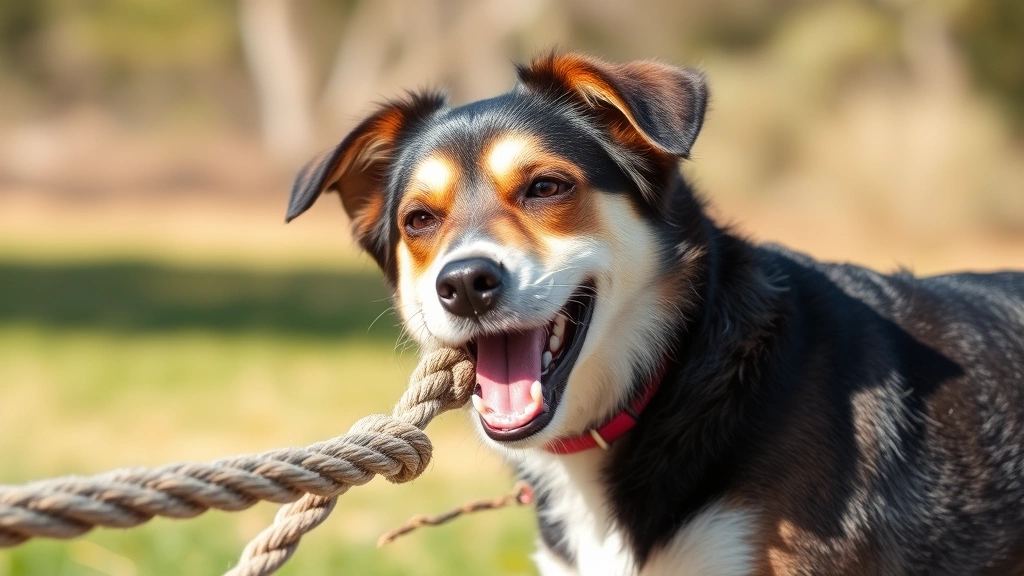
What your dog eats directly impacts their breath odor. Fish-based diets and treats are particularly known for creating fishy breath, which is usually harmless but certainly noticeable.
Many high-quality dog foods include fish or fish meal as primary protein sources because they’re rich in omega-3 and omega-6 fatty acids. These nutrients support:
- Healthy skin and coat condition
- Joint health and mobility
- Cognitive function and brain development
- Immune system support
- Reduced inflammation
Fish oil supplements, commonly recommended for joint health and skin conditions, also contribute to fishy breath. While the nutritional benefits are substantial, the breath odor is simply a side effect of the fish oils being metabolized and exhaled through your dog’s lungs.
Additionally, some dogs eat fish-scented treats like salmon biscuits or fish jerky, which leave residual odors in the mouth and on the breath. This is entirely normal and not a health concern.
If you’re bothered by the fishy smell but want to maintain the nutritional benefits of fish-based foods, consider these alternatives:
- Switch to fish-free formulas with other protein sources like chicken, beef, or lamb
- Use fish oil supplements in pill form rather than liquid, which may reduce lingering odor
- Try omega-3 sources from non-fish origins like flaxseed or algae-based supplements
- Maintain excellent dental hygiene to minimize any odor enhancement from oral bacteria
- Offer fresh water and dental treats to freshen breath between meals
If dietary changes don’t resolve the issue, or if the smell is accompanied by other symptoms, investigate other potential causes with your veterinarian.
Kidney Disease and Metabolic Issues
While less common than the previously mentioned causes, fishy or unusual breath can sometimes indicate serious metabolic conditions. Chronic kidney disease (CKD) is one such condition that can alter breath odor significantly.
In kidney disease, the kidneys fail to filter waste products efficiently. These toxins accumulate in the bloodstream and are partially exhaled through the lungs, creating distinctive odors on the breath. Some dogs with kidney disease develop breath that smells like ammonia, urine, or fish—the exact odor depends on the specific waste products being exhaled.
Other symptoms of kidney disease include:
- Increased thirst and frequent urination
- Loss of appetite or weight loss
- Lethargy and decreased activity
- Vomiting
- Pale gums
- Mouth ulcers
Diabetes mellitus can also cause unusual breath odors. Diabetic dogs may develop breath that smells fruity or acetone-like, though some dogs develop different odors as their metabolism changes.
Liver disease can produce musty or fishy-smelling breath as the liver loses its ability to process and eliminate certain compounds. This is often accompanied by jaundice (yellowing of the gums and whites of eyes), abdominal distension, or behavioral changes.
The ASPCA emphasizes that any sudden change in your dog’s breath odor, especially if accompanied by other symptoms, warrants veterinary evaluation. These systemic conditions require blood work and urinalysis to diagnose properly.
When to Visit Your Veterinarian
Not every instance of fishy breath requires emergency care, but certain situations definitely warrant a veterinary visit. Schedule an appointment if you notice:
- Sudden onset of fishy breath – Abrupt changes in odor can indicate new problems requiring investigation
- Breath odor accompanied by other symptoms – If fishy breath coincides with vomiting, lethargy, loss of appetite, or behavioral changes, professional evaluation is essential
- Excessive drooling or difficulty eating – These suggest oral pain or dental disease
- Visible tartar, broken teeth, or gum inflammation – Clear signs of oral disease require veterinary attention
- Persistent scooting or anal area licking – Indicates anal gland dysfunction or other rear-end issues
- Increased thirst and urination – Potential signs of kidney disease or diabetes
- Weight loss or decreased appetite – Could indicate metabolic issues or systemic disease
- Swelling around the face or jaw – Suggests dental abscess or infection
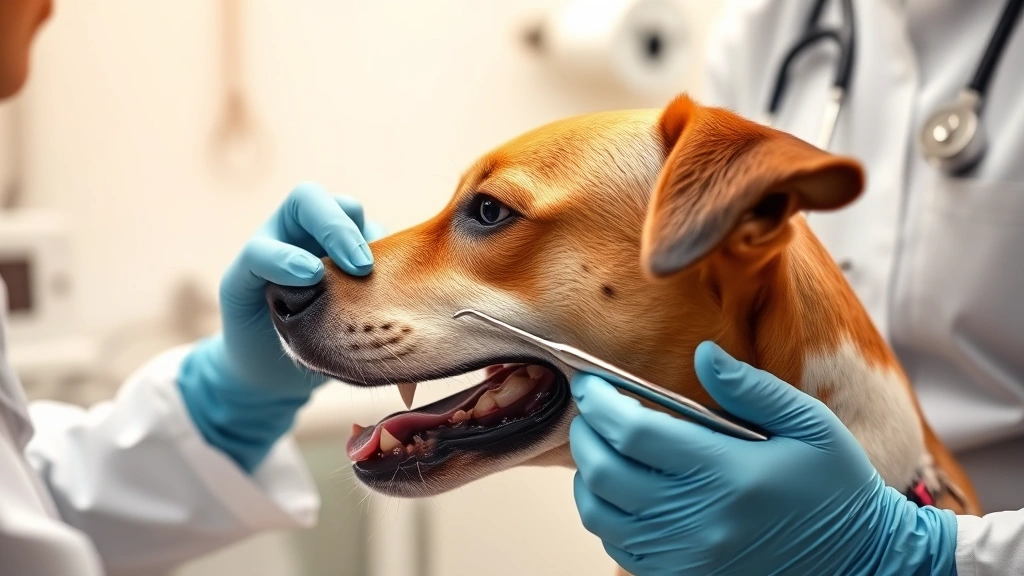
During your veterinary visit, be prepared to discuss when you first noticed the odor, any dietary changes, and any other symptoms your dog has exhibited. Your vet will perform a thorough oral examination, may take dental radiographs, and might recommend blood work or urinalysis depending on their findings.
Treatment Options and Prevention
Treatment depends entirely on the underlying cause of your dog’s fishy breath. Here are the main approaches:
For Anal Gland Issues: Your vet can manually express impacted glands. For chronic problems, increasing dietary fiber through adding pumpkin or switching to higher-fiber foods like foods containing corn can help. Some dogs benefit from regular gland expression, while others require dietary management or treatment of underlying allergies.
For Dental Disease: Professional cleaning under anesthesia removes plaque and tartar from above and below the gumline. Extractions may be necessary for severely damaged or infected teeth. Following professional cleaning, establish a home dental care routine including daily brushing with dog-specific toothpaste, dental treats, and water additives designed to reduce bacteria.
For Dietary Causes: If fish-based foods are causing the odor and it bothers you, simply switch to fish-free formulas. This doesn’t affect your dog’s health negatively if you choose nutritionally complete alternatives. However, if your dog has specific health needs met by fish (like joint support), the nutritional benefits may outweigh the breath odor concern.
For Systemic Conditions: Kidney disease, diabetes, and liver disease require ongoing veterinary management including medication, dietary changes, and regular monitoring. Your vet will create a treatment plan tailored to your dog’s specific condition and stage of disease.
General Prevention Strategies:
- Brush your dog’s teeth daily with enzymatic toothpaste formulated for dogs
- Schedule professional dental cleanings as recommended by your vet
- Provide appropriate chew toys and dental treats that mechanically clean teeth
- Ensure adequate dietary fiber to promote healthy anal gland function
- Maintain a healthy weight through proper nutrition and exercise
- Address any skin allergies promptly, as they can contribute to anal gland and oral issues
- Offer fresh water throughout the day to support oral hygiene
- Have regular veterinary checkups to catch health issues early
Additionally, you might consider offering appropriate dental-friendly treats like certain cheeses that encourage chewing and saliva production, both of which naturally clean the mouth. Avoid hard treats or bones that might crack teeth, and be cautious with certain foods and toxic foods like onions that can affect your dog’s overall health.
FAQ
Is fishy dog breath always a sign of a serious health problem?
No, not always. Fishy breath is often caused by anal gland secretions or fish-based foods, both of which are harmless. However, it can sometimes indicate dental disease or systemic health issues, so it’s worth investigating if the smell is new or accompanied by other symptoms.
Can I use human toothpaste on my dog?
No, human toothpaste contains fluoride and xylitol, both of which are toxic to dogs. Always use toothpaste specifically formulated for dogs, which is designed to be safe if swallowed and often contains enzymes that help reduce bacteria.
How often should my dog’s teeth be professionally cleaned?
This depends on your individual dog’s oral health. Most dogs benefit from annual professional cleanings, though some may need them more frequently. Your veterinarian can recommend an appropriate schedule based on your dog’s breed, age, and dental health status.
Can diet alone fix fishy breath?
It depends on the cause. If the odor stems from fish-based foods, switching diets will resolve it. If it’s caused by dental disease or anal gland issues, diet alone won’t fix the problem, though proper nutrition supports overall health. Systemic conditions like kidney disease require veterinary treatment beyond dietary changes.
What’s the difference between normal anal gland smell and a problem?
A small amount of fishy smell on the breath from normal anal gland secretion is harmless. However, if your dog is excessively licking or biting their rear end, scooting across the floor, or if there’s visible inflammation or discharge, the glands need veterinary attention.
Are certain dog breeds more prone to fishy breath?
Small breeds are more susceptible to anal gland dysfunction and dental disease, both common causes of fishy breath. Additionally, breeds with genetic predispositions to kidney disease or other metabolic conditions may be at higher risk for breath odor related to systemic issues.
Is bad breath a normal part of aging in dogs?
While some age-related changes occur, significantly worsening breath in senior dogs often indicates dental disease or systemic health issues that become more common with age. Never assume bad breath is simply a sign of aging—have it evaluated by your vet.





