
Dogs vs. Cats: Experts on Why Dogs Win
The age-old debate between dog lovers and cat enthusiasts has captivated pet owners for centuries. While both animals make wonderful companions, scientific research, behavioral studies, and expert opinions increasingly suggest that dogs possess unique qualities that make them superior pets for most households. From their unwavering loyalty to their trainability and social intelligence, dogs consistently demonstrate why they’ve earned the title of “man’s best friend.”
This comprehensive guide explores the evidence-backed reasons why dogs make better pets than cats, drawing on veterinary expertise, psychological research, and real-world observations from animal behaviorists. Whether you’re considering adding a furry friend to your family or simply curious about what makes dogs exceptional, you’ll discover the scientific and practical reasons why dogs continue to outshine their feline counterparts in the pet world.
Unmatched Loyalty and Emotional Bonding
Dogs exhibit a level of loyalty that sets them apart from virtually every other domesticated animal. According to research published by the American Kennel Club, dogs form deep attachment bonds with their owners that are scientifically measurable. This loyalty isn’t merely behavioral—it’s rooted in neurochemistry. When dogs interact with their owners, their brains release oxytocin, the same bonding hormone that strengthens human parent-child relationships.
Cats, by contrast, display significantly more independent behavior. They view their owners as convenient resources rather than pack members. While cats can be affectionate, their attachment is transactional. A dog, however, will follow you from room to room, greet you enthusiastically after brief absences, and remain devoted regardless of circumstances. This emotional investment creates a reciprocal relationship where both pet and owner experience genuine companionship.
The distinction matters profoundly for families seeking genuine connection. Dogs don’t just live in your home—they become integrated family members who consider their owners’ wellbeing as essential to their own happiness. This isn’t anthropomorphizing; it’s documented behavioral science supported by veterinary professionals worldwide.
Superior Trainability and Obedience
One of the most compelling reasons why dogs make better pets than cats involves their natural inclination toward training and obedience. Dogs are pack animals with hierarchical social structures. They instinctively understand leadership, follow commands, and respond to consistent guidance. This cognitive framework makes them exceptionally trainable compared to cats, which lack comparable social hierarchies in their evolutionary history.
A certified dog trainer can teach a dog to sit, stay, come, heel, and perform complex tasks within weeks. Dogs comprehend human intentions, interpret tone of voice, and adjust behavior based on feedback. The ASPCA emphasizes that this trainability extends beyond tricks—it encompasses house-training, leash manners, and behavioral management.
Cats, meanwhile, resist training. They can learn to use litter boxes through instinct rather than instruction, but teaching a cat to come on command or walk on a leash proves nearly impossible. This fundamental difference impacts daily life significantly. A trained dog enhances safety, reduces property damage, and facilitates social interactions. A cat’s resistance to training often results in behavioral challenges like inappropriate elimination, scratching furniture, and aggressive tendencies that owners must manage rather than correct.
For households with children or complex living situations, a dog’s trainability provides peace of mind and practical advantages that cats cannot match.
Social Intelligence and Pack Mentality
Dogs possess sophisticated social intelligence that allows them to read human emotions, interpret facial expressions, and respond appropriately to social cues. Research from veterinary behaviorists demonstrates that dogs can distinguish between human emotional states and modify their behavior accordingly. A dog recognizes when you’re sad and offers comfort; when you’re excited, they mirror your enthusiasm.
This social awareness extends to multi-pet and multi-person households. Dogs navigate complex social hierarchies, understand their role within family structures, and generally coexist peacefully with other animals. Their pack mentality—evolved over thousands of years of domestication—makes them naturally inclined toward cooperation and group cohesion.
Cats lack this social sophistication. They’re solitary hunters with territorial instincts that make cohabitation challenging. Multiple cats in one home frequently result in conflict, stress, and behavioral issues. Cats rarely bond with other pets and often tolerate human family members rather than genuinely engage with them. This fundamental difference in social capacity makes dogs dramatically superior for creating harmonious, connected households.

Physical and Mental Health Benefits
Scientific evidence overwhelmingly demonstrates that dog ownership provides substantial health benefits to humans. Research published in peer-reviewed journals shows that dog owners experience lower blood pressure, reduced stress hormones, and decreased risk of cardiovascular disease. The American Heart Association has recognized dog ownership as a legitimate cardiovascular health intervention.
Dogs encourage physical activity through walking, playing, and outdoor engagement. This regular exercise combats obesity, strengthens muscles, and improves overall fitness. Mental health benefits are equally significant—dogs reduce anxiety, alleviate depression, and combat loneliness through their constant companionship and non-judgmental affection.
For children, dogs provide developmental advantages. They teach responsibility, empathy, and social skills while reducing childhood anxiety and increasing self-esteem. Service dogs and therapy dogs formalize these benefits, serving individuals with disabilities, PTSD, and medical conditions requiring intervention.
Cats provide minimal health benefits by comparison. While some studies suggest cat ownership reduces stress, the effect is substantially weaker than dog ownership benefits. Cats don’t encourage physical activity, rarely provide emotional support during crises, and offer limited developmental advantages to children.
Protection and Security
Dogs instinctively protect their families and territory. This protective nature, refined through selective breeding for thousands of years, makes dogs exceptional security assets. A dog’s presence alone deters many potential threats. Their ability to alert owners to danger—whether through barking at intruders or alerting to medical emergencies—provides security that cats simply cannot offer.
Service dogs trained to detect seizures, diabetic episodes, and other medical emergencies literally save lives. Police and military forces worldwide rely on dogs for protection, detection, and security operations. This isn’t sentimental preference—it’s practical recognition of dogs’ unmatched capabilities in threat assessment and response.
Cats offer no security function. They won’t alert you to danger, protect family members, or deter intruders. Their primary interaction with threats involves hiding or fleeing, leaving owners vulnerable.
Remarkable Adaptability
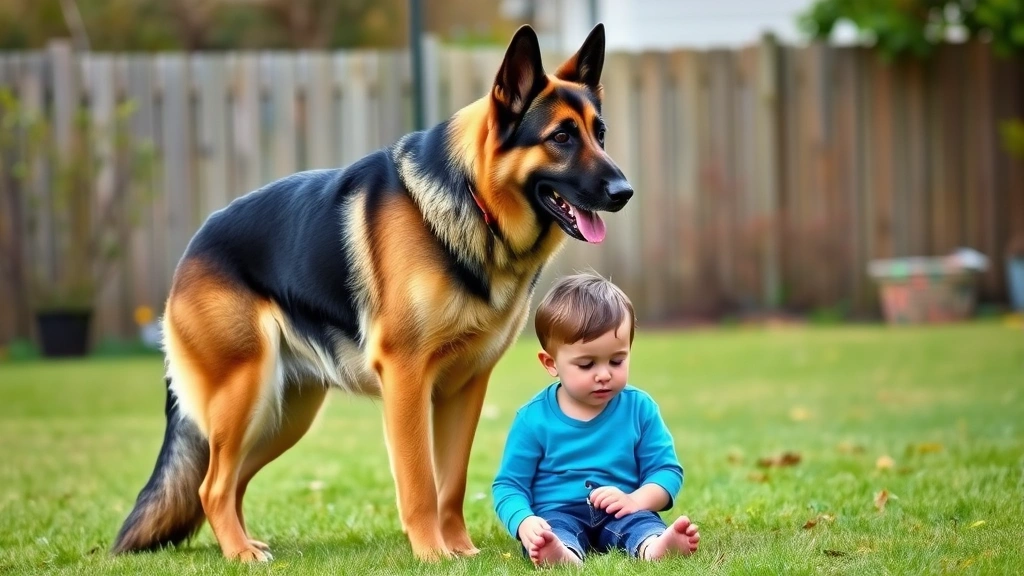
Dogs adapt to virtually any living situation. Whether you live in an apartment, house, rural property, or urban environment, dog breeds exist suited to your circumstances. From tiny Chihuahuas to massive Great Danes, from high-energy Border Collies to laid-back Bulldogs, dogs demonstrate extraordinary adaptability to diverse lifestyles.
This adaptability extends to dietary considerations. Dogs can thrive on various diets and enjoy diverse foods. If you’re curious about supplementing your dog’s nutrition with vegetables, resources like guides on can dogs eat broccoli, can dogs eat corn, and can dogs eat carrots provide comprehensive information. Additionally, understanding which foods to avoid, such as information on can dogs eat onions and can dogs eat mushrooms, helps ensure optimal pet nutrition.
Dogs adjust to routine changes, travel, new family members, and environmental shifts more readily than cats. They’re resilient, forgiving, and maintain stable temperaments despite life’s inevitable disruptions. This adaptability makes them ideal pets for dynamic families and changing life circumstances.
Active Companionship and Engagement
Dogs actively participate in your life. They want to be involved in your activities, accompany you on adventures, and share experiences. This active engagement creates genuine companionship rather than mere cohabitation. Whether hiking, traveling, visiting friends, or relaxing at home, dogs are present and engaged participants.
This active companionship provides psychological benefits that passive pet ownership cannot match. The interactive nature of dog relationships strengthens bonds, creates shared memories, and provides constant emotional support. Dogs celebrate your happiness, comfort your sadness, and remain consistently present throughout life’s journey.
Cats, conversely, engage on their terms. They disappear when they choose, ignore you when disinterested, and provide companionship only when convenient for them. This transactional relationship lacks the depth and mutual engagement that characterizes true companionship.
FAQ
Can cats be as loyal as dogs?
While some cats form attachments to their owners, their loyalty fundamentally differs from canine devotion. Cats’ independent nature and territorial instincts prevent them from developing the pack-oriented, hierarchical bonds that dogs naturally form. Scientific studies consistently show dogs exhibit stronger attachment behaviors and emotional responsiveness than cats.
Are certain dog breeds better than others for families?
Different breeds suit different families. Families with children often thrive with breeds known for patience and playfulness, while active individuals prefer high-energy breeds. Consulting breed-specific resources and working with reputable breeders helps match dogs to appropriate families.
Do dogs require significantly more care than cats?
Dogs do require more active engagement—daily walks, training, and social interaction. However, this investment yields substantial returns in companionship quality, behavioral stability, and mutual wellbeing. Many dog owners find that the additional care requirements enhance rather than detract from the pet ownership experience.
Can cats provide service functions like dogs?
Cats lack the cognitive abilities, trainability, and social intelligence required for service work. While some individuals have trained cats for specific tasks, their unreliability and limited responsiveness make them unsuitable for service, therapy, or protection roles.
What about allergies to dogs versus cats?
Dog allergies exist but affect fewer people than cat allergies. Additionally, numerous low-allergen dog breeds produce minimal dander, providing options for allergy-prone individuals. Cats offer fewer alternatives for those with feline allergies.
Do dogs truly improve mental health?
Extensive research confirms that dog ownership correlates with reduced anxiety, depression, and stress. The mechanisms involve oxytocin release, increased physical activity, social connection, and consistent emotional support. These benefits are measurable and documented across diverse populations.