

Why Is My Dog Vomiting? Vet Answers to Common Causes
Discovering your dog has vomited can be alarming for any pet parent. Whether it’s a one-time incident or a recurring problem, understanding what causes dog vomiting is essential for your furry friend’s health and wellbeing. Vomiting in dogs can range from minor digestive upset to a sign of something more serious, and knowing when to worry versus when to watch and wait makes all the difference.
In this comprehensive guide, we’ll explore the most common reasons why dogs vomit, what you should do when it happens, and when it’s time to call your veterinarian. Armed with this knowledge, you’ll be better equipped to care for your beloved companion and recognize potential health issues early.
Common Causes of Dog Vomiting
Dog vomiting can stem from numerous causes, and understanding the most frequent culprits helps you determine the appropriate response. According to the American Kennel Club, vomiting is one of the most common clinical signs seen in veterinary practices, affecting dogs of all ages and breeds.
Eating Too Quickly is one of the most benign causes. Some dogs, particularly those from multi-dog households or rescue backgrounds, develop a habit of gulping their food without proper chewing. This rapid consumption can trigger the gag reflex and cause regurgitation shortly after meals. The solution is often as simple as using a slow-feeder bowl or dividing meals into smaller portions throughout the day.
Dietary Indiscretion refers to your dog eating something they shouldn’t. This might include garbage, spoiled food, foreign objects, or human food that upsets their stomach. Many dogs are natural scavengers, and their curious nature can lead them to consume items that cause vomiting. If you suspect your dog has ingested something toxic or dangerous, contact your veterinarian immediately.
Eating Grass and Plants is another common behavior. While occasional grass consumption is typically harmless, some dogs vomit shortly after eating large quantities of grass. This behavior often indicates an upset stomach or a desire to induce vomiting to clear their digestive tract naturally. If your dog frequently eats grass and vomits, consult your vet about possible underlying issues.
Stress and Anxiety can manifest physically in dogs, just as they do in humans. Changes in environment, loud noises, separation anxiety, or travel can trigger nausea and vomiting. Dogs with anxiety may also develop stress-related digestive issues that require behavioral intervention alongside medical treatment.
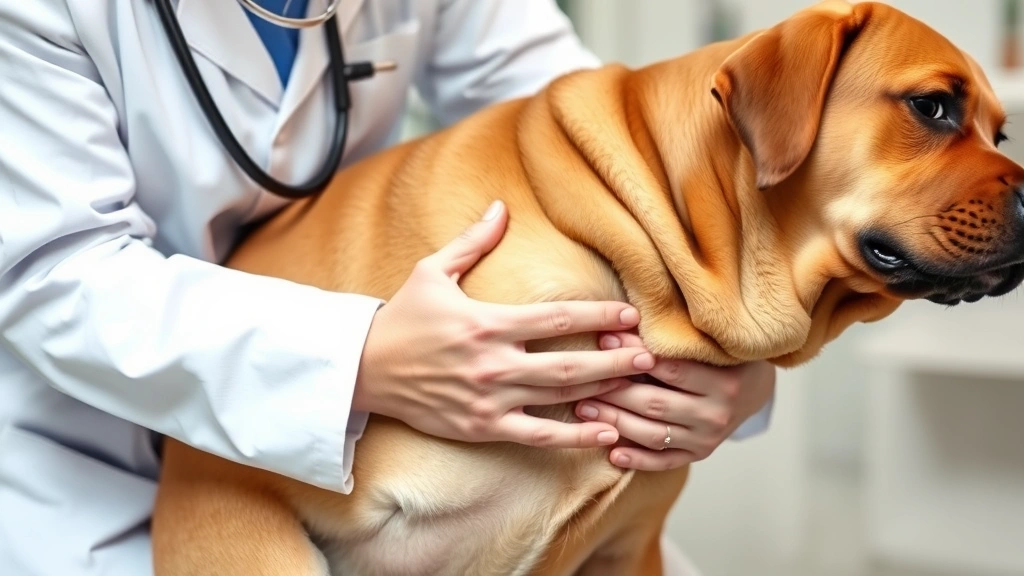
Dietary Issues and Food Sensitivity
One of the most significant contributors to dog vomiting is diet-related problems. Many dogs experience sensitivity to certain ingredients or have difficulty digesting particular foods. Understanding your dog’s nutritional needs and potential food triggers is crucial for maintaining their digestive health.
Food Allergies and Intolerances are increasingly common in dogs. Unlike allergies, which trigger immune responses, intolerances cause digestive upset without immune involvement. Common allergens include chicken, beef, dairy, wheat, and soy. If you suspect your dog has a food sensitivity, your veterinarian may recommend an elimination diet to identify the problematic ingredient.
Sudden Diet Changes frequently cause vomiting and digestive upset. When switching your dog’s food, veterinarians recommend a gradual transition over 7-10 days, mixing increasing amounts of new food with decreasing amounts of old food. Abrupt changes shock the digestive system and can trigger vomiting, diarrhea, and other GI issues.
When dealing with digestive upset, many pet parents wonder about specific foods. For instance, you might ask: can dogs eat broccoli? While broccoli is generally safe in small amounts, it can cause digestive issues in sensitive dogs. Similarly, can dogs eat corn is a common question, as corn is a frequent filler in lower-quality dog foods that may contribute to digestive problems. Can dogs eat carrots is usually answered affirmatively, as carrots are nutritious and generally well-tolerated.
Obesity and Overeating also contribute to vomiting. Overweight dogs are more prone to digestive issues, and feeding excessive portions stresses the digestive system. Maintaining a healthy weight through proper portion control and regular exercise significantly reduces vomiting frequency in many dogs.
If your dog experiences ongoing digestive issues, learning what to feed a dog with diarrhea and other digestive upset can be incredibly helpful. Additionally, some veterinarians recommend can dogs eat pumpkin for digestive health, as pumpkin is beneficial for both constipation and diarrhea.

Medical Conditions Associated with Vomiting
While many causes of dog vomiting are minor and self-limiting, others indicate serious medical conditions requiring veterinary attention. Understanding these conditions helps you recognize when professional help is necessary.
Gastroenteritis, or inflammation of the stomach and intestines, is one of the most common medical reasons for vomiting. Caused by bacterial or viral infections, dietary indiscretion, or inflammatory conditions, gastroenteritis often accompanies diarrhea. Most cases resolve with supportive care, though severe cases may require hospitalization and IV fluids.
Pancreatitis, inflammation of the pancreas, causes severe vomiting, abdominal pain, and loss of appetite. This condition is particularly common in dogs who consume high-fat foods or table scraps. Pancreatitis ranges from mild to life-threatening and always requires veterinary evaluation. The ASPCA notes that prompt treatment significantly improves outcomes.
Bloat (Gastric Dilatation-Volvulus) is a life-threatening emergency where the stomach fills with gas and potentially twists on itself. Large breed dogs are particularly susceptible. Symptoms include repeated unproductive vomiting, abdominal distension, restlessness, and signs of shock. Bloat requires immediate emergency veterinary surgery and is fatal without treatment.
Kidney Disease affects many aging dogs and commonly causes vomiting, particularly in advanced stages. Uremia, a buildup of waste products in the blood, triggers nausea and vomiting. Your veterinarian can diagnose kidney disease through blood and urine tests, and early intervention can slow disease progression.
Liver Disease presents with vomiting, jaundice, lethargy, and loss of appetite. Various conditions can affect the liver, including infections, toxin exposure, and genetic predisposition. Liver disease requires specialized treatment and dietary management.
Intestinal Obstruction occurs when something blocks the digestive tract, preventing normal passage of food and waste. Foreign objects, tumors, or strictures can cause obstruction. Signs include repeated vomiting, loss of appetite, abdominal pain, and constipation. Obstruction typically requires surgical intervention.
Infections and Parasites frequently cause vomiting in dogs. Bacterial infections like H. pylori, viral infections such as parvovirus, and parasitic infestations can all trigger digestive upset. Regular parasite prevention and vaccinations significantly reduce infection risk.
Medication Side Effects can cause vomiting in some dogs. Certain antibiotics, NSAIDs, and other medications list nausea as a potential side effect. If vomiting coincides with starting new medication, contact your veterinarian about alternative options.
When to Call Your Veterinarian
Not all instances of dog vomiting require emergency care, but knowing when professional evaluation is necessary protects your pet’s health. Several red flags indicate you should contact your veterinarian promptly or seek emergency care.
Seek Emergency Care Immediately If:
- Your dog vomits repeatedly over several hours with no relief
- Vomit contains blood or appears like coffee grounds
- Your dog shows signs of severe abdominal pain
- Your dog is unable to keep down water
- Your dog appears lethargic, weak, or in shock
- You suspect your dog ingested a toxin or foreign object
- Your dog has a distended, hard abdomen
- Vomiting accompanies other severe symptoms like difficulty breathing
Call Your Veterinarian Within 24 Hours If:
- Your dog vomits multiple times in a day but seems otherwise normal
- Vomiting persists for more than a few hours
- Your puppy vomits frequently (puppies dehydrate quickly)
- Your senior dog vomits, as age-related conditions are common
- Vomiting accompanies other symptoms like diarrhea or loss of appetite
- You recently changed your dog’s food and vomiting started
- Your dog has pre-existing medical conditions
Monitor at Home If:
- Your dog vomits once and otherwise acts normally
- You witnessed your dog eating something unusual but they seem fine
- Your dog has a known sensitive stomach and the episode is typical for them
Home Care and Prevention Strategies
While some vomiting requires professional intervention, many cases respond well to supportive home care. Understanding proper home management helps your dog recover and prevents future episodes.
Fasting Protocol is the first step for uncomplicated vomiting. Withhold food for 6-12 hours to allow the stomach to settle. Continue offering small amounts of water or ice chips to prevent dehydration. After the fasting period, introduce bland, easily digestible food like boiled chicken and white rice in small portions.
Hydration Management is critical, especially for repeated vomiting. Offer water frequently in small amounts rather than large bowls. If your dog refuses water or continues vomiting, professional evaluation is necessary to assess dehydration severity.
Dietary Modifications help prevent future episodes. Feed high-quality, easily digestible food appropriate for your dog’s age and health status. Divide daily food into multiple smaller meals rather than one large meal. Avoid table scraps, high-fat foods, and sudden diet changes.
Environmental Management reduces stress-related vomiting. Maintain consistent routines, provide a calm environment, and use calming supplements or anxiety medications if recommended by your veterinarian. For dogs with separation anxiety, gradual desensitization training helps.
Prevention Best Practices significantly reduce vomiting frequency:
- Use slow-feeder bowls to prevent rapid consumption
- Feed at consistent times each day
- Keep garbage and toxic substances inaccessible
- Supervise outdoor time to prevent grass and plant consumption
- Maintain current vaccinations and parasite prevention
- Schedule regular veterinary checkups
- Keep emergency contact information for your veterinarian and nearest emergency clinic readily available
According to UC Davis School of Veterinary Medicine, maintaining preventive care through regular checkups allows veterinarians to identify and address health issues before they cause severe symptoms like vomiting.
Frequently Asked Questions
How long should I wait before taking my vomiting dog to the vet?
If your dog vomits once and acts normally, monitor them for a few hours. If vomiting persists, repeats, or accompanies other symptoms, contact your veterinarian within 24 hours. Seek emergency care for repeated vomiting, blood in vomit, or signs of severe illness.
Is it normal for dogs to vomit occasionally?
Occasional vomiting can be normal, especially if your dog ate something unusual or too quickly. However, frequent vomiting—more than once weekly—warrants veterinary investigation, as it may indicate underlying health issues.
What’s the difference between vomiting and regurgitation?
Vomiting involves active expulsion of stomach contents with retching and abdominal contractions. Regurgitation is passive, where food returns without warning shortly after eating. Regurgitation often indicates rapid eating or esophageal issues, while vomiting suggests stomach or systemic problems.
Can I give my dog medication to stop vomiting at home?
Never give anti-vomiting medication without veterinary guidance. While these medications can be helpful, they may mask serious conditions requiring treatment. Always consult your veterinarian before administering any medication.
What should I feed my dog after vomiting?
After a 6-12 hour fast, introduce bland, easily digestible food like boiled chicken with white rice in small portions. Gradually return to normal food over several days. If vomiting recurs, seek veterinary evaluation.
Does stress cause dog vomiting?
Yes, stress and anxiety can trigger vomiting in dogs. Identify stress sources and work on anxiety management through environmental modifications, consistent routines, training, and if necessary, medication or supplements recommended by your veterinarian.
Are certain dog breeds more prone to vomiting?
Large breed dogs have increased bloat risk, which causes vomiting. Some breeds have genetic predispositions to conditions like pancreatitis or inflammatory bowel disease. Discuss breed-specific health concerns with your veterinarian.
When should I be concerned about my puppy vomiting?
Puppies dehydrate quickly and are susceptible to serious infections like parvovirus. Any vomiting in puppies warrants veterinary evaluation. Ensure your puppy receives all age-appropriate vaccinations and maintains parasite prevention.
Understanding why your dog is vomiting empowers you to provide appropriate care and recognize when professional help is necessary. While many cases resolve with home care and dietary management, persistent or severe vomiting always requires veterinary evaluation. By staying vigilant and maintaining regular veterinary checkups, you can help your dog live a healthy, comfortable life. When in doubt, contact your veterinarian—they’re your best resource for keeping your beloved companion healthy and happy.





