

When you notice your dog breathing heavily, it can be concerning and leave you wondering if something is wrong. Heavy breathing in dogs, also known as dyspnea, can range from normal responses to environmental factors to serious medical conditions requiring immediate veterinary attention. Understanding the difference between normal and abnormal breathing patterns is crucial for every dog owner.
Dogs naturally breathe differently than humans, and their breathing patterns can vary significantly based on their activity level, emotional state, and environment. While some heavy breathing is completely normal, especially after exercise or during hot weather, persistent or sudden changes in breathing patterns should never be ignored. This comprehensive guide will help you understand the various reasons why your dog might be breathing heavily and when you should seek professional veterinary care.
Normal vs. Abnormal Breathing in Dogs
Understanding what constitutes normal breathing for your dog is the first step in identifying when heavy breathing becomes a concern. A healthy dog at rest typically breathes between 10-30 breaths per minute, depending on their size, age, and breed. Smaller dogs generally have higher respiratory rates than larger breeds.
Normal breathing should be quiet, effortless, and regular. You should observe gentle rise and fall of the chest without any visible strain or unusual sounds. Dogs may naturally breathe heavier during or immediately after physical activity, when they’re excited, or when they’re trying to cool down through panting.
Abnormal breathing, on the other hand, may include labored breathing at rest, rapid breathing without obvious cause, wheezing, gasping, or breathing with an open mouth when not exercising or overheated. If you notice fast breathing that persists even when your dog is calm and cool, this warrants closer attention.
The American Kennel Club emphasizes that any sudden changes in breathing patterns or difficulty breathing should be evaluated by a veterinarian promptly.

Common Causes of Heavy Breathing
Several benign factors can cause your dog to breathe heavily. Exercise is the most common and normal reason for increased respiratory rate. After a vigorous play session or long walk, dogs need to increase their breathing to deliver more oxygen to their muscles and remove carbon dioxide from their system.
Heat regulation is another primary reason dogs breathe heavily. Unlike humans, dogs don’t sweat through their skin effectively. Instead, they rely primarily on panting to cool themselves down. This rapid, shallow breathing helps evaporate moisture from their tongue and respiratory tract, providing a cooling effect.
Emotional states can also trigger heavy breathing. Excitement, anxiety, stress, or fear can all cause dogs to breathe more rapidly. This is particularly common during thunderstorms, fireworks, vet visits, or when meeting new people or animals. Age-related changes may also affect breathing patterns, as older dogs may breathe slightly heavier due to decreased lung capacity or mild heart changes.
Certain breeds are naturally predisposed to breathing issues. Brachycephalic breeds (those with flat faces) like Bulldogs, Pugs, and Boston Terriers often experience heavier breathing due to their compressed airways. These dogs may breathe heavily even during mild exertion or in warm weather.
Medical Conditions That Cause Heavy Breathing
While many cases of heavy breathing are benign, several medical conditions can cause this symptom. Heart disease is one of the most serious causes of heavy breathing in dogs. Conditions like congestive heart failure, heart murmurs, or cardiomyopathy can reduce the heart’s ability to pump blood effectively, leading to fluid accumulation in the lungs and labored breathing.
Respiratory conditions including pneumonia, bronchitis, or upper respiratory infections can also cause heavy breathing. These conditions may be accompanied by coughing, discharge from the nose or mouth, or changes in appetite and energy levels. The American Veterinary Medical Association notes that respiratory infections require prompt veterinary treatment.
Allergic reactions can cause sudden onset heavy breathing, often accompanied by other symptoms like facial swelling, hives, or vomiting. This is a medical emergency requiring immediate veterinary attention. Pain can also cause dogs to breathe heavily, as they may pant as a response to discomfort from injuries, arthritis, or other painful conditions.
Fever often causes increased respiratory rate as the body works to regulate temperature. If you suspect your dog has a fever, learning how to check can be helpful, though veterinary confirmation is always recommended.
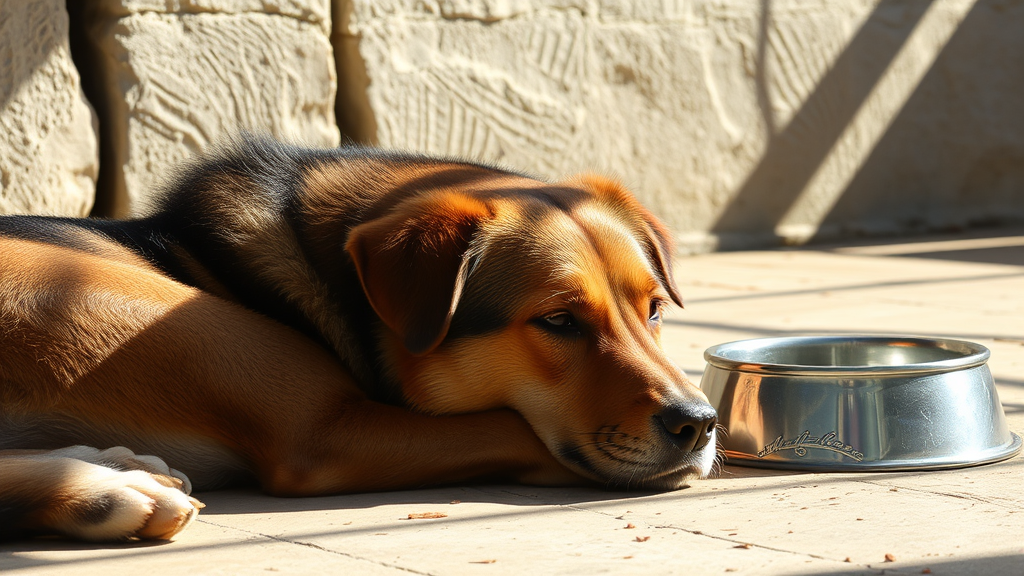
Environmental and Situational Factors
Environmental conditions play a significant role in your dog’s breathing patterns. High temperatures and humidity can cause dogs to breathe heavily as they work to cool themselves down. Dogs are particularly susceptible to heat-related breathing issues, and heatstroke is a serious medical emergency.
Poor air quality, including smoke, pollution, or strong chemical odors, can irritate your dog’s respiratory system and cause heavy breathing. If you notice excessive panting in conjunction with environmental irritants, move your dog to fresh air immediately.
Altitude changes can also affect breathing, particularly if you’re traveling to higher elevations with your dog. The thinner air at high altitudes contains less oxygen, which may cause your dog to breathe more heavily until they acclimate.
Medications can sometimes cause heavy breathing as a side effect. If your dog recently started new medication and you notice changes in breathing patterns, consult with your veterinarian about possible adjustments.
When to Be Concerned
Recognizing when heavy breathing requires veterinary attention is crucial for your dog’s health. Any breathing difficulty that occurs at rest, without obvious cause, or that doesn’t resolve quickly should be evaluated by a professional. If your dog’s breathing doesn’t return to normal within a few minutes of stopping exercise or moving to a cooler environment, this is concerning.
Persistent heavy breathing that lasts for hours or days, even if it seems mild, warrants veterinary evaluation. Changes in breathing patterns accompanied by other symptoms like lethargy, loss of appetite, coughing, or behavioral changes should also prompt a veterinary visit.
The PetMD resource emphasizes that any dog showing signs of respiratory distress should be seen immediately, as breathing problems can deteriorate rapidly.
If you notice your dog breathing heavily along with shaking or trembling, this combination could indicate pain, fever, or anxiety that requires professional assessment.
Emergency Warning Signs
Certain breathing-related symptoms require immediate emergency veterinary care. Blue or pale gums, tongue, or inner eyelids indicate inadequate oxygen levels and constitute a medical emergency. Gasping for air, open-mouth breathing at rest, or breathing that appears extremely labored or painful requires immediate attention.
If your dog collapses, loses consciousness, or appears unable to catch their breath, this is a life-threatening emergency. Other emergency signs include excessive drooling combined with heavy breathing, which could indicate heatstroke or poisoning, and any breathing difficulty accompanied by vomiting or diarrhea.
The ASPCA provides detailed guidance on recognizing emergency breathing situations in dogs. When in doubt, it’s always better to err on the side of caution and seek immediate veterinary care.
Prevention and Care Tips
Preventing breathing problems in dogs involves maintaining their overall health and being aware of their limitations. Regular veterinary checkups can help identify potential heart or respiratory issues before they become serious. Keep your dog at a healthy weight, as obesity can strain the respiratory and cardiovascular systems.
During hot weather, provide plenty of fresh water and shade, and avoid exercising your dog during the hottest parts of the day. Never leave your dog in a parked car, even for a few minutes, as temperatures can rise rapidly and cause life-threatening heatstroke.
For brachycephalic breeds, be extra cautious about exercise intensity and environmental conditions. These dogs may need modified exercise routines and careful monitoring during warm weather. The Humane Society offers excellent guidance on keeping dogs safe in hot weather.
Maintain good air quality in your home by avoiding smoking around your dog and using air purifiers if necessary. Regular grooming can also help prevent respiratory issues by keeping your dog’s coat and skin healthy and reducing allergens.
Frequently Asked Questions
How can I tell if my dog’s heavy breathing is normal or concerning?
Normal heavy breathing typically occurs after exercise, in warm weather, or when your dog is excited and should resolve quickly once the trigger is removed. Concerning heavy breathing happens at rest, persists for extended periods, or is accompanied by other symptoms like blue gums, lethargy, or loss of appetite. If you’re unsure, it’s always best to consult your veterinarian.
What should I do if my dog is breathing heavily at night?
Heavy breathing at night could indicate several issues, from anxiety to heart problems. First, ensure your dog isn’t too warm and has access to fresh water. If the breathing doesn’t improve or is accompanied by other symptoms, contact your veterinarian. Persistent nighttime heavy breathing often requires professional evaluation to rule out serious conditions.
Can stress cause heavy breathing in dogs?
Yes, stress and anxiety can definitely cause heavy breathing in dogs. Common stressors include loud noises, new environments, separation anxiety, or unfamiliar people or animals. If stress is the cause, the breathing should return to normal once the stressor is removed. However, chronic stress-related breathing issues may require behavioral intervention or veterinary support.
Is it normal for older dogs to breathe heavily?
While some changes in breathing patterns can occur with age, heavy breathing shouldn’t be considered a normal part of aging. Older dogs may develop heart disease, arthritis, or other conditions that can cause breathing changes. Regular veterinary checkups are especially important for senior dogs to monitor for age-related health issues that might affect breathing.
When should I take my dog to the emergency vet for breathing problems?
Seek emergency veterinary care if your dog has blue or pale gums, is gasping for air, collapses, or shows extreme difficulty breathing. Other emergency signs include breathing that doesn’t improve with rest and cooling, excessive drooling with heavy breathing, or any breathing problem accompanied by vomiting, diarrhea, or loss of consciousness.
Can certain dog breeds be more prone to breathing heavily?
Yes, brachycephalic breeds (flat-faced dogs) like Bulldogs, Pugs, French Bulldogs, and Boston Terriers are more prone to breathing difficulties due to their compressed airways. These dogs may breathe heavily even with mild exertion or in warm weather. Owners of these breeds should be extra vigilant about monitoring breathing and avoiding situations that might cause respiratory distress.
How can I help my dog if they’re breathing heavily due to heat?
Move your dog to a cool, shaded area immediately and provide fresh water. You can help cool them by applying cool (not cold) water to their paw pads, belly, and inner thighs. Use fans to improve air circulation and never use ice, which can actually worsen the situation by causing blood vessels to constrict. If breathing doesn’t improve quickly or if you suspect heatstroke, seek immediate veterinary care.





