
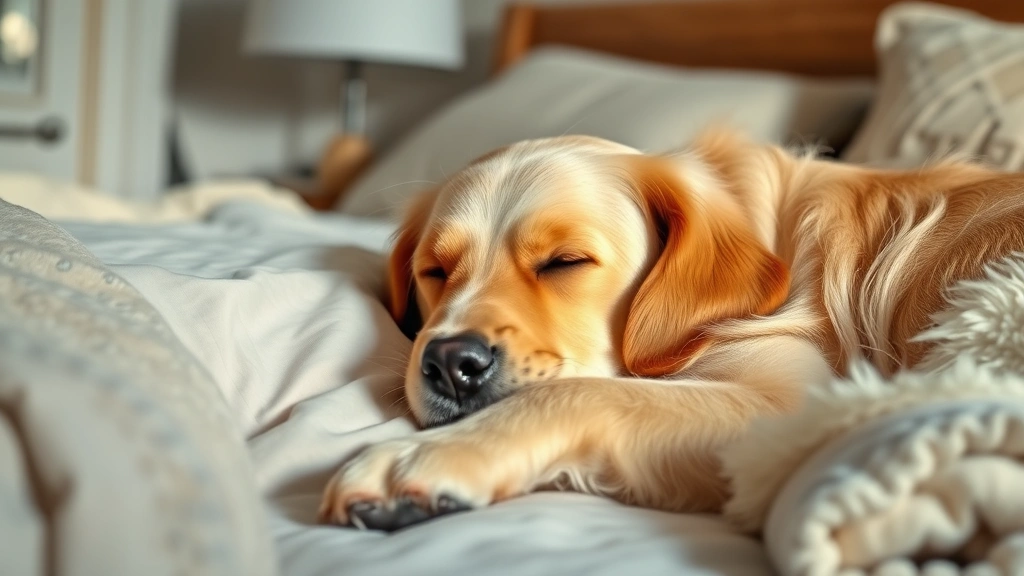
Fast Sleep Breathing in Dogs? Vet Insights on Rapid Respiration During Rest
If you’ve noticed your dog breathing rapidly while sleeping, you’re not alone in wondering what’s happening. Many dog owners experience moments of concern watching their furry companion’s chest rise and fall at what seems like an unusually quick pace during nap time. Understanding the difference between normal sleep breathing and potentially problematic rapid respiration is essential for responsible pet ownership.
Dogs naturally experience variations in breathing patterns throughout the day and night, and sleep introduces a whole new set of respiratory behaviors. Some rapid breathing during sleep is completely normal, while other instances may warrant a veterinary consultation. This comprehensive guide explores the science behind canine sleep respiration, common causes of fast breathing, and when you should contact your veterinarian.
Normal Dog Sleep Breathing Patterns
Understanding what constitutes normal breathing is your first step in evaluating your dog’s health. A healthy adult dog typically breathes between 10 and 30 times per minute while awake and at rest. During sleep, this rate can fluctuate significantly as their body cycles through different sleep stages, much like humans experience REM and non-REM sleep phases.
Dogs experience two main sleep stages: non-REM sleep, where their body is deeply relaxed and breathing is typically slower and more regular, and REM (Rapid Eye Movement) sleep, where dreams occur and breathing becomes irregular and often faster. During REM sleep, you might notice your dog’s paws twitching, tail wagging, or even hear them making little barking sounds—this is completely normal and accompanied by increased respiratory rate.
The variability in sleep breathing is actually a sign of a healthy nervous system. Puppies and senior dogs may experience even more variation in their breathing patterns during sleep compared to middle-aged adults. Small breed dogs also tend to have naturally faster baseline breathing rates than large breed dogs, so context matters when evaluating your individual pet.
Why Dogs Breathe Faster During Sleep
Several physiological processes explain why your dog might breathe faster while sleeping. The primary reason is the natural sleep cycle that includes REM sleep periods, during which the brain is highly active despite the body appearing relaxed. This increased neural activity requires more oxygen, triggering faster breathing to meet those metabolic demands.
Temperature regulation plays another important role. Dogs rely heavily on panting to cool themselves, and during sleep, their internal thermostat continues operating. If your dog is sleeping in a warm room or under blankets, they may breathe faster as their body attempts to maintain optimal temperature. This is particularly common in dogs with thick coats or breeds prone to overheating.
Dreaming is another fascinating explanation for increased respiratory rates. When dogs dream—which they absolutely do—their brain activity mirrors waking states, requiring increased oxygen delivery. You’ve probably observed your sleeping dog appearing to run or chase something; during these dream sequences, their breathing naturally accelerates.
Emotional processing during sleep also contributes to breathing variations. Dogs process their daily experiences during sleep, and emotional content can trigger faster breathing patterns. If your dog had an exciting, stressful, or stimulating day, their sleep breathing may reflect that heightened emotional processing.
Common Causes of Rapid Sleep Breathing
Beyond normal physiological variations, several benign factors can cause increased breathing rates during sleep. Exercise timing is significant—if your dog exercised shortly before sleep, their body may still be cooling down and recovering, resulting in faster breathing for several hours into sleep. The recovery period allows their heart rate and respiratory rate to gradually normalize.
Environmental factors substantially influence sleep breathing. A warm sleeping environment, high humidity, or inadequate air circulation can all trigger compensatory faster breathing. Additionally, the sleeping position matters; dogs sleeping on their side typically breathe more easily than those curled tightly in a ball, which can compress their chest slightly.
Stress and anxiety can manifest through breathing changes even during sleep. Dogs that experience separation anxiety, noise phobias, or general anxiety may exhibit faster breathing patterns when they finally do sleep, as their nervous system processes accumulated stress. Creating a calm sleep environment with minimal disruptions helps mitigate this issue.
Nutritional factors also play a subtle role. While the food your dog eats—whether they can safely consume broccoli, corn, or carrots—shouldn’t directly cause breathing changes, digestive discomfort from inappropriate foods can lead to restless sleep and altered breathing patterns. Ensuring your dog eats nutritious, appropriate foods supports overall respiratory health.

Health Conditions to Monitor
While most instances of fast sleep breathing are harmless, certain medical conditions warrant attention. Respiratory infections like kennel cough, pneumonia, or bronchitis cause persistent rapid breathing even during sleep. These conditions typically present with additional symptoms including coughing, nasal discharge, or lethargy. According to the ASPCA, respiratory infections require prompt veterinary treatment to prevent complications.
Obesity significantly impacts sleep breathing patterns. Overweight dogs experience increased strain on their respiratory system, and excess fatty tissue can compress airways. This compression becomes more pronounced during sleep when muscles relax, causing noticeably faster breathing. Weight management through appropriate exercise and nutrition is crucial for these dogs.
Heart disease represents a serious condition that manifests through rapid breathing during sleep. Dogs with heart problems experience reduced oxygen efficiency, prompting their body to compensate with faster breathing. This is often accompanied by coughing, especially when lying down, and decreased exercise tolerance. The American Kennel Club provides resources on breed-specific heart conditions.
Allergies and inflammatory conditions affecting the airways can cause breathing changes. Environmental allergies, food sensitivities, or chronic inflammatory airway disease all potentially increase respiratory rate during sleep. These conditions often present with additional symptoms like excessive scratching, sneezing, or nasal congestion.
Anxiety disorders and pain conditions also alter sleep breathing patterns. Dogs experiencing chronic pain may breathe faster as their body remains in a semi-alert state even during sleep. Similarly, anxiety disorders prevent true relaxation, maintaining elevated respiratory rates throughout sleep cycles.
Brachycephalic airway syndrome affects flat-faced breeds like Bulldogs, Pugs, and French Bulldogs. These breeds naturally have compromised airways, resulting in faster breathing even during sleep. While this is normal for these breeds, it’s important to monitor for worsening symptoms that might indicate surgical intervention is needed.
When to Contact Your Veterinarian
Knowing when rapid sleep breathing requires professional evaluation prevents missed diagnoses while avoiding unnecessary worry about normal variations. Contact your veterinarian if your dog’s breathing rate exceeds 40 breaths per minute during sleep consistently, or if rapid breathing is accompanied by coughing, wheezing, or noisy breathing sounds.
Additional warning signs include lethargy or decreased activity levels, loss of appetite, exercise intolerance, or difficulty breathing when awake. If your dog seems distressed, gasps for air, or shows blue-tinged gums or tongue, seek emergency veterinary care immediately—these indicate insufficient oxygen levels.
Sudden changes in breathing patterns warrant evaluation even if the absolute rate isn’t extremely elevated. If your previously normal-breathing dog suddenly develops fast sleep breathing, underlying health changes may be occurring. Your veterinarian can perform diagnostic tests including chest radiographs, blood work, and cardiac screening to identify potential issues.
Senior dogs (over 7 years old) experiencing new or worsening rapid breathing should be evaluated promptly, as age-related conditions affecting the heart, lungs, or kidneys become increasingly common. Similarly, puppies with consistently rapid breathing should be assessed to rule out developmental issues or early-onset conditions.
If you’re uncertain whether your dog’s breathing warrants concern, recording a video to show your veterinarian helps them assess the pattern more accurately than verbal descriptions alone. Timing the breaths per minute during a calm sleep period provides objective data for your vet’s evaluation.
Tips for Monitoring Your Dog’s Breathing
Developing a baseline understanding of your dog’s normal breathing patterns enables you to identify changes early. Count your dog’s breaths during calm wakefulness and during sleep by observing chest rise and fall for 60 seconds. Record these numbers so you have documentation of normal patterns for your individual dog.
Create an optimal sleep environment by maintaining comfortable room temperature (around 65-70°F), ensuring adequate ventilation, and minimizing noise disruptions. Provide appropriate bedding that supports proper sleeping posture without compression of the chest or airways. Consider elevated beds that improve air circulation around your dog.
Monitor sleep quality and duration. Dogs typically sleep 12-14 hours daily, distributed throughout the day and night. If your dog isn’t sleeping enough or experiences restless, interrupted sleep, this can trigger compensatory breathing changes. Ensuring adequate, quality sleep supports overall respiratory health.
Maintain regular veterinary check-ups, especially for breeds predisposed to respiratory or cardiac issues. Preventive care identifies emerging problems before they cause noticeable symptoms. During wellness visits, mention any breathing pattern changes you’ve observed, even if they seem minor.
Support respiratory health through appropriate exercise, weight management, and a balanced diet. While specific foods like broccoli or cauliflower won’t directly affect breathing, maintaining optimal nutrition supports immune function and overall health resilience.
Keep your dog’s living environment clean and free from respiratory irritants like smoke, strong chemical odors, or excessive dust. Improving air quality reduces strain on the respiratory system and promotes healthier sleep breathing patterns.
FAQ
Is it normal for dogs to breathe fast while sleeping?
Yes, some variation in breathing rate during sleep is completely normal, particularly during REM sleep when dreams occur. Rates between 20-40 breaths per minute during sleep are generally considered normal for most dogs. However, consistent rates above 40 breaths per minute warrant veterinary evaluation.
How do I know if my dog’s breathing is abnormal?
Abnormal breathing typically includes rates consistently exceeding 40 breaths per minute during sleep, accompanied by symptoms like coughing, wheezing, lethargy, decreased appetite, or exercise intolerance. Changes from your dog’s baseline pattern are also concerning, even if the absolute rate seems within normal range.
Can anxiety cause fast breathing in sleeping dogs?
Yes, anxiety can cause faster breathing even during sleep because the nervous system remains partially activated. Dogs with anxiety disorders may not achieve truly deep, restful sleep, maintaining elevated respiratory rates throughout sleep cycles. Addressing underlying anxiety helps normalize breathing patterns.
Should I wake my dog if they’re breathing fast while sleeping?
Generally, avoid waking your dog during sleep unless they appear in distress. Waking them disrupts necessary sleep cycles and doesn’t address underlying causes. However, if your dog seems gasping or struggling, gently wake them and seek veterinary care if the pattern continues.
What’s the difference between normal panting and abnormal rapid breathing?
Panting involves open-mouth rapid breathing used for cooling and is under conscious control. Abnormal rapid breathing during sleep typically occurs with the mouth closed and represents unconscious, involuntary respiratory changes. Abnormal breathing often accompanies other symptoms like distress or behavioral changes.
Can diet affect my dog’s sleep breathing?
While specific foods don’t directly cause breathing changes, digestive discomfort from inappropriate diet can cause restless sleep and altered breathing patterns. Maintaining a balanced, appropriate diet supports overall health and promotes quality sleep without digestive disruptions.





