
Why Is My Dog Foaming at the Mouth? Causes Explained
If you’ve ever noticed your beloved pup with foam or frothy saliva around their mouth, you might have experienced a moment of panic. That foamy, bubbly appearance can look alarming, but before you rush to the emergency vet, take a breath—there are actually many reasons why this happens, and not all of them are serious. Some causes are completely harmless quirks of dog ownership, while others do warrant professional attention.
Understanding what’s behind your dog’s foamy mouth is the first step to determining whether it’s just a silly moment caught on camera or a sign that your furry friend needs medical care. In this guide, we’ll explore the common and uncommon reasons your dog might be foaming at the mouth, help you recognize when it’s time to call the vet, and give you practical tips for keeping your pup healthy and happy.
Let’s dive into the foam-filled facts and separate the silly from the serious.
Normal Reasons for Foaming at the Mouth
Here’s the good news: sometimes a foamy mouth is just part of being a dog. Dogs naturally produce saliva, and under certain conditions, this saliva can become frothy and bubbly. Think of it like the foam on a freshly poured soda—it’s the same liquid, just aerated.
One of the most common and completely innocent reasons for foaming is simple excitement. When your dog is thrilled about something—whether it’s mealtime, a walk, or seeing you come home from work—they might drool more heavily, and all that enthusiasm can create foam. This is especially true for breeds that are naturally more prone to drooling, like Saint Bernards, Mastiffs, and Bulldogs.
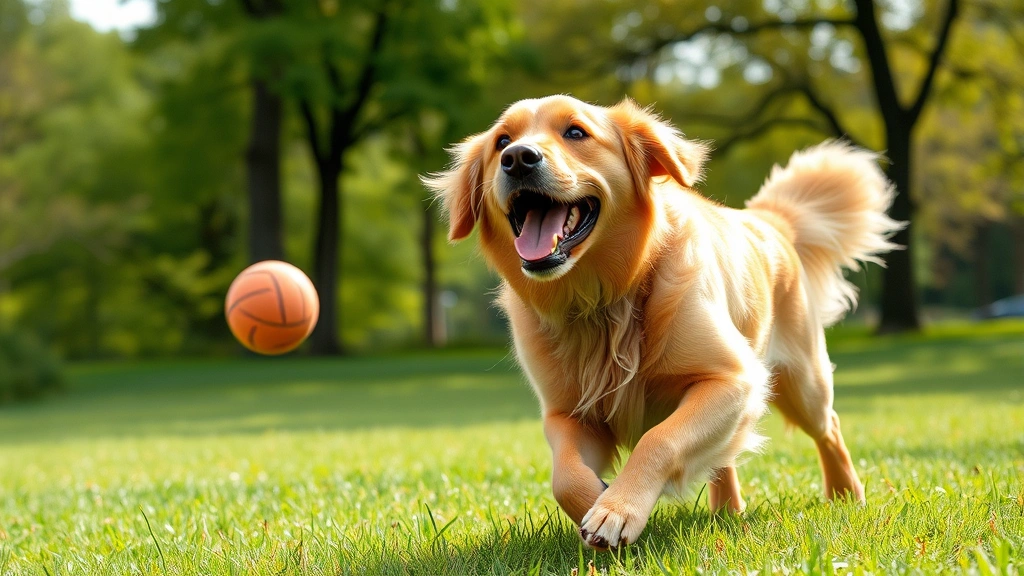
Physical exertion is another benign culprit. After a vigorous play session, a long run, or an intense game of fetch, your dog’s mouth might be filled with foamy saliva. Their breathing is heavy, they’re panting to cool down, and the combination of saliva and rapid air movement creates that distinctive foam. It’s actually quite normal and typically resolves within minutes once they’ve had a chance to rest and hydrate.
Stress and anxiety can also trigger foaming at the mouth. If your dog is nervous about a car ride, a thunderstorm, or a visit to the groomer, they might produce excess saliva as a stress response. While why dogs drool is often harmless, it’s worth noting when stress seems to be a pattern, as you might want to work with a trainer on anxiety management.
Excitement and Play
One of the most delightful reasons for dog foam is pure, unadulterated joy. When dogs get excited, they produce more saliva than usual. Add in some enthusiastic panting and rapid movement, and you’ve got the perfect recipe for foam formation. This is especially common when:
- You’re preparing their meal and they can smell the food coming
- You pick up their leash for an adventure
- A friend arrives for a visit
- They spot another dog at the park
- You initiate playtime with their favorite toy
This type of foaming is completely harmless and actually quite endearing—it’s your dog’s way of showing enthusiasm. The foam typically disappears quickly once they’ve calmed down or had a drink of water. There’s no need for concern unless the foaming persists for extended periods or is accompanied by other unusual symptoms.
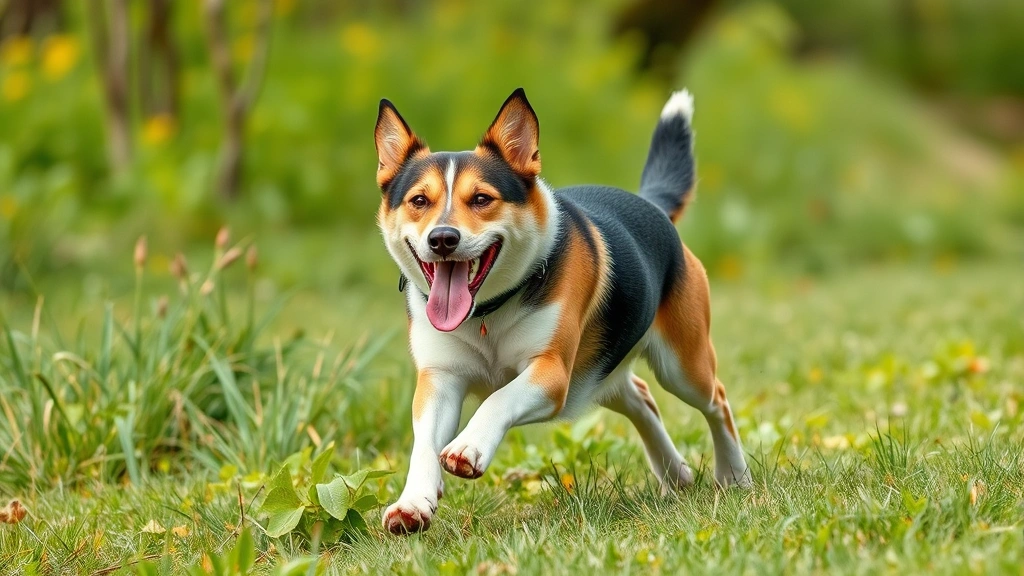
Play-related foaming is especially common in high-energy breeds like Border Collies, Australian Shepherds, and Jack Russell Terriers. Their natural exuberance combined with intense physical activity creates the perfect storm for foam production. If your dog is foaming during play and seems otherwise happy and healthy, you can simply enjoy the moment and snap a funny photo for your collection.
Medical Concerns to Watch
While many causes of foaming are benign, some do warrant veterinary attention. Several medical conditions can cause excessive foaming or abnormal salivation. Understanding these will help you determine when it’s time to make that call to your vet.
Nausea and gastrointestinal upset frequently cause foaming at the mouth. When a dog feels sick to their stomach, they often produce excess saliva. If your pup is throwing up, has diarrhea, or seems lethargic along with the foaming, it’s definitely time for a vet visit. Gastrointestinal issues can range from something minor like eating something they shouldn’t have to more serious conditions requiring treatment.
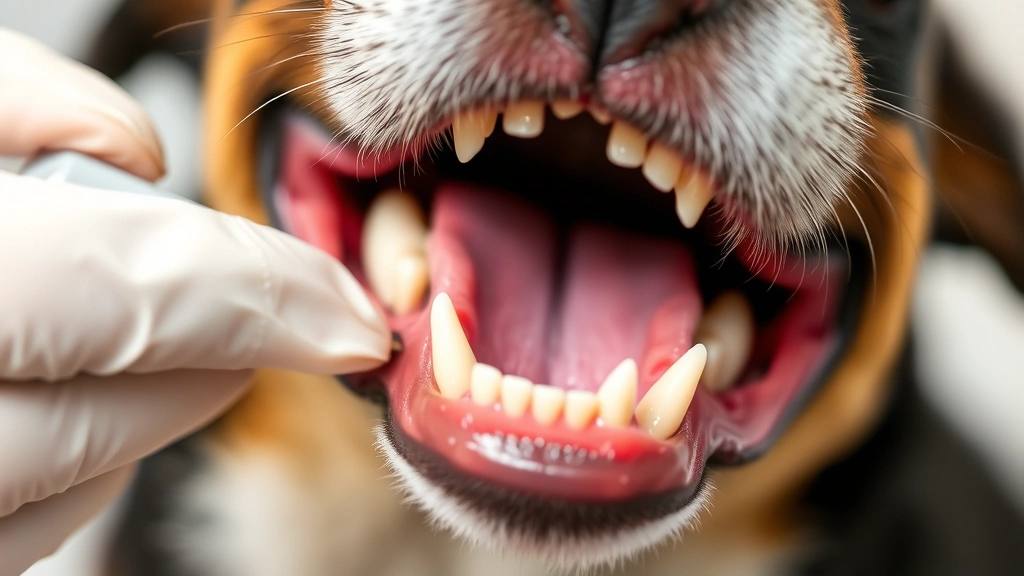
Oral health problems are surprisingly common culprits. Dental disease, broken teeth, mouth injuries, or infections in the mouth can all trigger excessive salivation and foaming. If you notice your dog foaming and also displaying signs like difficulty eating, bad breath, or reluctance to touch their face, a dental evaluation is in order. Your vet can examine their teeth and gums thoroughly.
Neurological issues present another category of concern. Seizures, in particular, are frequently associated with foaming at the mouth. During a seizure, dogs may lose control of their facial muscles and produce excessive foam. If you suspect your dog has had a seizure, understanding what to do if your dog has a seizure is crucial. Other neurological conditions can also cause abnormal salivation.
Respiratory infections and illnesses can cause foaming as well. If your dog can get the flu, they might also experience excessive salivation along with coughing, sneezing, and lethargy. Similarly, other respiratory conditions can produce this symptom. Dogs with a fever might foam due to the overall systemic illness.
Toxin exposure is a serious emergency. If your dog has ingested something toxic—whether it’s chocolate, xylitol, certain plants, medications, or chemicals—they may foam at the mouth along with other symptoms like vomiting, tremors, or unusual behavior. This is a situation where you should contact your vet or animal poison control immediately.
According to the ASPCA’s guide to poison control, knowing what’s toxic to your dog and acting quickly can save their life. Keep your vet’s number and the ASPCA Animal Poison Control Center number (888-426-4435) easily accessible.
Rabies and Serious Diseases
Let’s address the elephant in the room: rabies. Yes, foaming at the mouth is classically associated with rabies, and while it’s certainly a possibility that warrants concern, it’s important to put this in perspective. Rabies is actually quite rare in vaccinated dogs in developed countries, thanks to widespread vaccination programs.
That said, rabies is serious and potentially fatal, so it deserves careful consideration. Dogs with rabies typically display other symptoms alongside foaming, including:
- Behavioral changes (aggression, withdrawal, or unusual friendliness)
- Hypersensitivity to light, sound, or touch
- Difficulty swallowing
- Paralysis, often starting in the hind legs
- Excessive drooling and difficulty controlling saliva
- Jaw dropping or facial paralysis
If your dog is current on their rabies vaccination, the risk is extremely low. However, if your dog has had contact with a wild animal, was bitten by an unknown animal, or hasn’t been vaccinated, and is now foaming at the mouth, this is a medical emergency. Contact your vet or emergency clinic immediately.
Other serious diseases can also cause foaming. Distemper, for example, is a viral disease that can cause neurological symptoms including excessive salivation and foam. This is another reason why vaccination is so important—distemper is preventable through proper immunization.
According to the American Kennel Club’s information on rabies, keeping your dog’s vaccinations current is the best protection against this disease. Your vet can provide guidance on the appropriate vaccination schedule for your specific dog.
Dental Problems and Oral Health
Your dog’s mouth is a common source of health issues, and many of these can manifest as foaming or excessive salivation. Dental disease affects a significant percentage of dogs, especially as they age. Plaque and tartar buildup can lead to gum disease, infections, and tooth decay.
When a dog has dental pain or infection, they often produce more saliva as a response. Combined with difficulty swallowing or discomfort, this saliva can become foamy. Signs that dental issues might be the culprit include:
- Bad breath (worse than typical dog breath)
- Visible tartar or discoloration on teeth
- Swollen or bleeding gums
- Difficulty eating or dropping food
- Pawing at the mouth
- Preference for soft food over hard kibble
Broken teeth and mouth injuries are another concern. If your dog has a fractured tooth or has injured their gums or tongue, foaming may result. Some injuries are obvious, while others might be harder to spot without a thorough oral examination.
Oral tumors, while less common, can also cause excessive salivation and foaming. These may appear as growths in the mouth or cause difficulty with normal mouth function. Regular dental checkups with your vet can help catch these issues early.
The good news is that many dental problems are preventable or manageable. Regular teeth brushing, appropriate chew toys, and professional dental cleanings as recommended by your vet can keep your dog’s mouth healthy and reduce the risk of foam-causing issues.
When to Call Your Veterinarian
So how do you know when foaming at the mouth is just a quirky moment versus a sign that your dog needs medical attention? Here’s a practical guide to help you decide.
Call your vet immediately (or go to an emergency clinic) if:
- Your dog is foaming excessively and continuously, not just occasionally
- The foaming is accompanied by difficulty breathing, choking, or gasping
- Your dog seems confused, disoriented, or is behaving unusually
- There are signs of seizure activity (jerking, loss of consciousness, rigidity)
- Your dog has difficulty swallowing or is drooling excessively
- They’ve potentially been exposed to a toxin
- The foaming is accompanied by vomiting, diarrhea, and lethargy
- Your dog hasn’t been vaccinated for rabies and may have been exposed to wildlife
- There’s visible injury in or around the mouth
- Your dog seems to be in pain
Schedule a vet appointment soon if:
- The foaming has been happening occasionally over several days
- You notice it primarily during or after play
- Your dog has bad breath or visible dental issues
- They seem otherwise healthy but you want professional reassurance
- Your dog has a history of seizures (even if this seems mild)
You can probably relax if:
- Your dog foams only during excitement or after vigorous play
- It resolves quickly once they calm down
- Their teeth look healthy and breath is normal
- They’re eating, drinking, and acting normally otherwise
- They’re current on all vaccinations
When in doubt, it’s always better to err on the side of caution. Your vet would rather answer a question about harmless foaming than miss something serious. If you’re worried, call—that’s what they’re there for.
Home Care and Prevention
While you can’t prevent all causes of foaming at the mouth, there are several things you can do to support your dog’s overall health and reduce the risk of foam-causing conditions.
Maintain excellent dental health: Brush your dog’s teeth regularly, provide appropriate chew toys, and schedule professional cleanings as recommended by your vet. Good oral hygiene prevents many issues that can cause excessive salivation.
Keep vaccinations current: This is non-negotiable. Rabies, distemper, and other vaccine-preventable diseases can all cause foaming. Talk to your vet about the appropriate vaccination schedule for your dog.
Prevent toxin exposure: Keep harmful substances out of reach. This includes chocolate, certain plants, medications, chemicals, and xylitol-containing products. If you suspect toxin exposure, contact your vet or poison control immediately.
Monitor for stress and anxiety: If your dog seems to foam when stressed, work on anxiety management. This might include training, environmental modifications, or in some cases, medication prescribed by your vet.
Provide fresh water: Always ensure your dog has access to clean, fresh water. This helps keep their mouth healthy and can dilute excess saliva.
Watch for signs of illness: Keep an eye out for changes in behavior, appetite, or activity level. Early detection of illness is key to successful treatment. If you notice your dog seems unwell and is also foaming, contact your vet.
Regular vet checkups: Annual wellness visits (or more frequent visits for senior dogs) allow your vet to catch problems early. During these visits, they can examine your dog’s mouth, teeth, and overall health.
According to the UC Davis School of Veterinary Medicine, preventive dental care is one of the most important things you can do for your dog’s long-term health.
Frequently Asked Questions
Is foaming at the mouth always a sign of rabies?
No, absolutely not. While rabies is classically associated with foaming, it’s actually quite rare in vaccinated dogs. Many common, benign conditions cause foaming, including excitement, exercise, and stress. Rabies typically presents with other symptoms like behavioral changes, paralysis, and difficulty swallowing. If your dog is vaccinated and foaming, rabies is very unlikely.
Can I catch anything from my dog’s foam?
In most cases, no. However, there are some exceptions. If your dog has rabies (extremely unlikely if vaccinated), it could theoretically be transmitted through saliva contact with open wounds. Certain other infections could potentially be transmitted, though this is rare. If you’re concerned about exposure to saliva, simply wash your hands after contact. For most dogs with normal foaming, there’s no risk.
My dog is foaming after eating. Is that normal?
Yes, it’s quite normal for dogs to foam after eating, especially if they’ve eaten quickly or enthusiastically. The combination of food, saliva, and sometimes rapid chewing creates foam. As long as your dog isn’t choking, having difficulty swallowing, or showing other signs of distress, this is nothing to worry about.
How can I tell if my dog’s foaming is from excitement versus illness?
Context is key. Foaming from excitement or play typically resolves quickly once your dog calms down. It’s usually accompanied by other signs of happiness like tail wagging or playful behavior. Illness-related foaming tends to be more persistent and is often accompanied by other symptoms like lethargy, loss of appetite, vomiting, or behavioral changes. If you’re unsure, describe the situation to your vet.
Should I be worried if my dog foams occasionally?
Occasional foaming, especially during or after play or when excited, is usually nothing to worry about. However, if the foaming becomes more frequent, persists longer than usual, or is accompanied by other symptoms, it’s worth mentioning to your vet at your next appointment. If it’s accompanied by concerning symptoms like difficulty breathing or seizure activity, seek immediate veterinary care.
What’s the difference between normal drooling and foaming?
Normal drooling is typically clear saliva that flows from the mouth. Foaming is when saliva becomes aerated and bubbly, creating a frothy appearance. Foaming often indicates that air is being mixed with the saliva, which happens during heavy panting, rapid mouth movement, or increased saliva production. Both can be normal, but foaming is more likely to indicate either excitement/exertion or a medical issue.
Can certain dog breeds foam more than others?
Yes. Breeds that naturally drool more, like Saint Bernards, Mastiffs, Bulldogs, and Boxers, are more likely to foam. Their loose lips and increased saliva production make foaming more visible. This doesn’t mean there’s anything wrong; it’s just part of their breed characteristics. If you own one of these breeds, occasional foaming is probably normal for them.
What should I do if my dog has a seizure and is foaming?
First, stay calm. During a seizure, your dog cannot control their body, including their facial muscles, which is why foaming occurs. Keep your dog safe by moving them away from hazards. Don’t put your hands in their mouth. Time the seizure if possible. After it ends, contact your vet. They can evaluate whether your dog needs medication to prevent future seizures. For detailed guidance, review what to do if your dog has a seizure.
Is foaming related to how I know if my dog is dying?
Foaming alone is not necessarily a sign that your dog is dying. However, if foaming is accompanied by other serious symptoms—like inability to breathe, unresponsiveness, extreme lethargy, or multiple organ system failures—it could be part of a more serious condition. For comprehensive information on recognizing serious health issues, check out how to know if your dog is dying. When in doubt, contact your vet immediately.





