

Have you ever watched your dog enthusiastically lick the floor, furniture, or even the air, leaving you wondering what drives this peculiar behavior? If you’ve found yourself asking “why is my dog licking everything,” you’re not alone. This common canine behavior can range from completely normal to potentially concerning, depending on the frequency, intensity, and circumstances surrounding the licking.
Understanding why dogs engage in excessive licking behavior is crucial for every pet owner. While occasional licking is natural and healthy, persistent or obsessive licking can indicate underlying issues that require attention. From instinctual behaviors rooted in their evolutionary past to medical conditions that need professional intervention, the reasons behind your dog’s licking habits are diverse and fascinating.
Natural Instincts and Communication
Dogs are naturally inclined to use their tongues for exploration and communication, a behavior that stems from their earliest days of life. From the moment they’re born, puppies experience the world through licking, as their mothers use this action to clean them and stimulate vital functions. This early association creates a deep-seated connection between licking and comfort, security, and social bonding.
In the wild, canines use licking as a fundamental form of communication within their pack structure. Subordinate wolves and dogs often lick the faces and mouths of dominant pack members as a sign of respect and submission. This instinctual behavior carries over into domestic life, which explains why does my dog lick me so frequently – your dog may be acknowledging you as the pack leader or simply showing affection.
The tongue also serves as a sophisticated sensory organ for dogs. With taste buds that can detect different flavors and textures, dogs gather valuable information about their environment through licking. This explains why they might lick surfaces that seem unappealing to humans but contain interesting scents or residual tastes that capture their attention.
Medical Causes Behind Excessive Licking
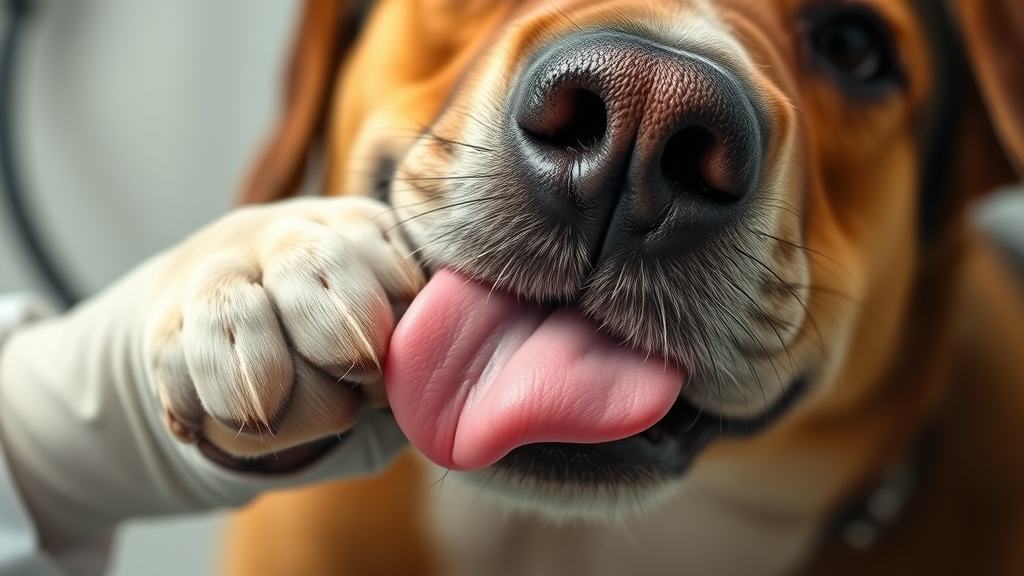
When licking becomes excessive or compulsive, it often signals underlying medical conditions that require veterinary attention. Allergies are among the most common culprits, causing dogs to lick their paws, legs, and other body parts in an attempt to relieve itching and discomfort. Environmental allergens like pollen, dust mites, or certain fabrics can trigger these reactions, while food allergies may cause more generalized licking behaviors.
Skin conditions such as dermatitis, hot spots, or fungal infections can create intense itching that drives dogs to lick affected areas obsessively. These conditions often worsen with excessive licking, creating a cycle of irritation and self-trauma that requires professional intervention. The American Veterinary Medical Association emphasizes the importance of early diagnosis and treatment for skin-related licking behaviors.
Gastrointestinal issues can also manifest as increased licking behavior. Dogs experiencing nausea, acid reflux, or digestive discomfort may lick surfaces, swallow excessively, or show other oral behaviors as they attempt to cope with their symptoms. Dental problems, including tooth pain, gum disease, or oral infections, can similarly drive dogs to lick in an effort to self-soothe.
Understanding what can i give my dog for allergies becomes crucial when allergic reactions drive the licking behavior. However, it’s essential to work with a veterinarian to identify the root cause and develop an appropriate treatment plan.
Behavioral and Psychological Factors
Beyond medical causes, psychological and behavioral factors play significant roles in excessive licking behaviors. Anxiety and stress are primary drivers of compulsive licking, with dogs often developing this behavior as a coping mechanism for emotional distress. Separation anxiety, changes in routine, new environments, or traumatic experiences can all trigger stress-related licking.
Boredom represents another major factor in excessive licking behaviors. Dogs require mental and physical stimulation to maintain psychological well-being, and when these needs aren’t met, they may develop repetitive behaviors like licking as a way to occupy themselves. This is particularly common in intelligent breeds that need substantial mental engagement to prevent behavioral issues.
Attention-seeking behavior can also drive licking habits. If dogs learn that licking gets them attention from their owners – even negative attention like scolding – they may continue the behavior to maintain human interaction. This creates a reinforcement cycle that can be challenging to break without consistent training approaches.
Compulsive disorders, similar to obsessive-compulsive behaviors in humans, can develop in dogs and manifest as repetitive licking. These disorders often require professional behavioral intervention and may benefit from both training modifications and medical support. The American Kennel Club provides valuable insights into recognizing and addressing compulsive behaviors in dogs.

Environmental Triggers and Sensory Attraction
Dogs’ exceptional sense of smell and taste makes them particularly susceptible to environmental triggers that promote licking behavior. Residual food scents on floors, furniture, or clothing can attract dogs to lick these surfaces long after the original source has been removed. Even microscopic food particles or spilled liquids can create lasting attractions for sensitive canine noses.
Salt deposits from human skin, particularly on feet and hands, provide another common trigger for licking behavior. This explains why does my dog lick my feet – the salt content is naturally appealing to dogs and may taste pleasant to them. Similarly, lotions, soaps, and other personal care products can leave residual scents and tastes that dogs find interesting.
Cleaning products and household chemicals can also attract dogs to lick surfaces, which poses potential health risks. Many commercial cleaners leave residual scents that dogs find appealing, but these substances can be harmful if ingested. The ASPCA’s Animal Poison Control Center provides important information about household substances that can be dangerous for pets.
Seasonal changes can influence licking behaviors as well. During winter months, dogs may lick more frequently due to dry skin caused by heating systems and lower humidity levels. Summer allergies and increased exposure to environmental irritants can similarly trigger excessive licking as dogs attempt to relieve discomfort.
When Licking Becomes a Concern
Distinguishing between normal and problematic licking requires careful observation of frequency, intensity, and associated symptoms. While occasional licking is natural, certain warning signs indicate the need for veterinary consultation. Persistent licking that creates raw spots, hair loss, or open wounds requires immediate attention to prevent infection and further complications.
Changes in licking patterns can also signal developing issues. If a dog suddenly begins licking excessively after previously showing normal behavior, this change warrants investigation. Similarly, licking that interferes with normal activities like eating, sleeping, or playing suggests the behavior has become problematic.
Physical symptoms accompanying excessive licking provide important diagnostic clues. Red, inflamed skin, swelling, discharge, or foul odors around licked areas indicate possible infections or other medical conditions. Dogs showing signs of distress, such as whining or difficulty settling, while licking may be experiencing pain or significant discomfort.
The location and pattern of licking can also indicate specific problems. For instance, understanding why do dogs lick their paws often reveals allergies or local irritations, while generalized licking might suggest systemic issues or behavioral problems. The Humane Society offers guidelines for recognizing when licking becomes excessive.
Management and Prevention Strategies
Addressing excessive licking requires a comprehensive approach that considers both medical and behavioral factors. The first step involves a thorough veterinary examination to rule out underlying medical conditions. This may include allergy testing, skin scrapings, blood work, or other diagnostic procedures depending on the presenting symptoms.
For allergy-related licking, identifying and eliminating triggers becomes crucial. This might involve changing diets, using hypoallergenic bedding, or implementing environmental controls to reduce exposure to allergens. Learning about how to stop dog from licking paws home remedy options can provide additional support alongside veterinary treatment.
Behavioral modification strategies focus on addressing underlying causes like anxiety, boredom, or attention-seeking behaviors. Increasing physical exercise and mental stimulation can significantly reduce stress-related licking. Puzzle toys, training sessions, and interactive games help redirect nervous energy into productive activities.
Environmental management involves removing or reducing access to attractive licking targets. This includes thorough cleaning of surfaces to remove food residues, using pet-safe cleaning products, and providing appropriate alternatives for dogs that need oral stimulation. Chew toys, frozen treats, or specially designed licking mats can satisfy the urge to lick in healthier ways.
Training techniques can help interrupt and redirect licking behaviors. Teaching commands like “leave it” or “stop” provides tools for managing the behavior when it occurs. Positive reinforcement for calm, non-licking behavior helps establish new patterns over time.
In some cases, understanding why dogs might engage in related behaviors, such as why do dogs chew their paws, can provide insights into addressing licking behaviors as well, since both may stem from similar underlying causes.
Frequently Asked Questions
Is it normal for dogs to lick everything they encounter?
Some licking is completely normal as dogs use their tongues to explore their environment and gather information about scents and tastes. However, excessive licking that occurs constantly or interferes with normal activities may indicate underlying medical or behavioral issues that require attention.
Can excessive licking be a sign of anxiety in dogs?
Yes, anxiety is one of the most common causes of excessive licking behavior in dogs. Stress, separation anxiety, changes in routine, or environmental factors can trigger compulsive licking as dogs attempt to self-soothe. If anxiety is suspected, working with a veterinarian or animal behaviorist can help develop appropriate management strategies.
What medical conditions commonly cause dogs to lick excessively?
Common medical causes include allergies (both environmental and food-related), skin conditions like dermatitis or fungal infections, gastrointestinal issues, dental problems, and pain or discomfort from injuries. The National Center for Biotechnology Information has published research on various medical conditions that can manifest as excessive licking in dogs.
How can I tell if my dog’s licking is becoming problematic?
Warning signs include licking that creates raw spots or hair loss, sudden changes in licking patterns, licking that interferes with eating or sleeping, and any physical symptoms like redness, swelling, or discharge around licked areas. Additionally, if the behavior seems compulsive or your dog appears unable to stop licking despite distractions, veterinary consultation is recommended.
Are there any household items that might attract dogs to lick surfaces?
Yes, many household items can attract dogs to lick surfaces, including food residues, salt from human skin, cleaning products, lotions, and soaps. Some of these substances can be harmful if ingested, so it’s important to use pet-safe cleaning products and ensure thorough cleaning of surfaces that dogs might access.
Can dietary changes help reduce excessive licking behavior?
Dietary modifications can be helpful, especially if food allergies are contributing to the licking behavior. Elimination diets, hypoallergenic formulas, or specific nutritional supplements may reduce allergic reactions that trigger licking. However, dietary changes should always be implemented under veterinary guidance to ensure nutritional needs are met.
When should I seek professional help for my dog’s licking behavior?
Professional help should be sought if licking becomes excessive, causes physical damage to the skin, suddenly increases in frequency, or is accompanied by other concerning symptoms. Additionally, if home management strategies aren’t effective after several weeks, or if the behavior seems to be worsening, veterinary consultation is recommended to rule out underlying medical conditions and develop an appropriate treatment plan.





