

Why Is My Dog Peeing on My Bed? Causes and Solutions
There’s nothing quite like the sinking feeling of discovering a wet spot on your beloved bedding—especially when you know exactly who the culprit is. If you’re asking yourself “why is my dog peeing on my bed,” you’re definitely not alone. This frustrating behavior affects countless dog owners, and the good news is that it’s almost always solvable once you understand what’s driving it.
Your furry friend isn’t trying to ruin your day or assert dominance (that’s a myth, by the way). Instead, bed-wetting typically signals an underlying issue that ranges from medical concerns to behavioral problems. Whether your pup is a senior having accidents or a young dog with anxiety, identifying the root cause is the first step toward a dry bed and a happier household.
In this comprehensive guide, we’ll explore the most common reasons dogs pee on beds, help you distinguish between medical and behavioral issues, and provide practical solutions to stop this behavior once and for all. Let’s dive in!
Medical Causes of Bed Wetting
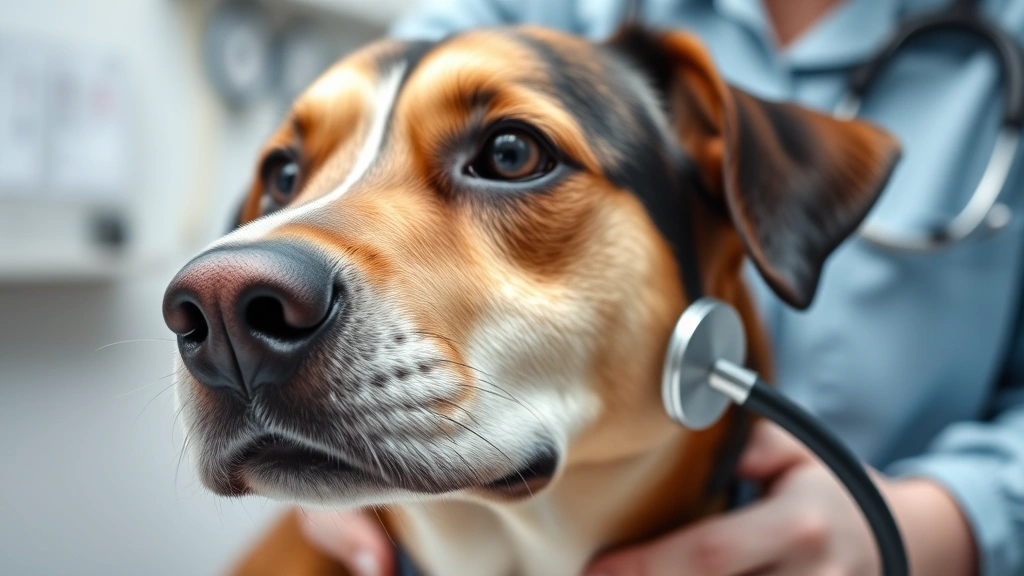
Before jumping to behavioral explanations, it’s crucial to rule out medical issues. Many dogs that pee on beds are actually dealing with health problems that require veterinary attention. The most common medical culprits include:
Urinary Tract Infections (UTIs) are surprisingly common in dogs and often go undiagnosed. A UTI creates an urgent need to urinate frequently, and your dog may not have the control to make it outside. If you suspect a UTI, learning how to treat dog UTI at home can help, but professional diagnosis is essential. Signs include frequent urination, straining, and blood in the urine.
Incontinence affects many older dogs and some younger ones with genetic predispositions. Spay incontinence, which occurs in spayed females, happens because the hormones that help control the urinary sphincter are no longer present. This isn’t a behavioral issue—it’s purely physiological.
Diabetes and kidney disease cause excessive drinking and urination. If your dog is consuming more water than usual and having frequent accidents, these conditions should be evaluated immediately by your veterinarian. According to the American Kennel Club’s guide to canine diabetes, early detection can significantly improve outcomes.
Hormonal imbalances like Cushing’s disease increase thirst and urination frequency. Thyroid issues can also contribute to inappropriate elimination.
Behavioral and Emotional Causes
Once medical issues are ruled out, behavioral factors often explain bed-wetting. Dogs aren’t spiteful creatures, but they do communicate through their actions, and peeing on your bed sends a message.
Anxiety and stress are major behavioral triggers. Some dogs experience separation anxiety and may pee on their owner’s bed because it smells like them—it’s a comfort thing. Why your dog pees on your bed often comes down to emotional distress. Changes in routine, moving to a new home, or the arrival of a new family member can trigger anxiety-related accidents.
Marking territory is another behavioral explanation. Intact males and occasionally females mark their territory by urinating on objects, including beds. This is different from typical elimination and usually involves small amounts of urine on vertical surfaces or your bedding.
Submissive or excitement urination occurs in some dogs, particularly puppies and anxious dogs. When greeting you enthusiastically or in response to perceived threats, they may leak urine involuntarily. This is more common on floors but can happen on beds too.
Attention-seeking behavior shouldn’t be overlooked. If your dog has learned that peeing on the bed gets a reaction (even a negative one), they might repeat the behavior. Dogs sometimes interpret any attention as positive reinforcement.
Age-Related Factors
Your dog’s age significantly influences the likelihood and cause of bed-wetting. Understanding age-specific patterns helps narrow down the problem.
Puppies simply lack bladder control. Until around 4-6 months old, puppies can’t physically hold their urine for extended periods. Accidents on beds are normal during this developmental stage and shouldn’t be punished. Instead, focus on consistent potty training and frequent outdoor breaks.
Adult dogs between 1-7 years old typically have full bladder control. If an adult dog suddenly starts peeing on the bed, something has changed—whether it’s medical, environmental, or emotional. This sudden change warrants investigation.
Senior dogs (7+ years) frequently experience age-related incontinence. Their muscles weaken, their kidneys may not function optimally, and they may develop cognitive dysfunction. Stopping your dog from peeing in the house becomes more about management and compassion for older pups than punishment.

Effective Solutions and Prevention
Now that we’ve identified potential causes, let’s discuss practical solutions. The approach depends on whether you’re dealing with medical or behavioral issues.
Veterinary Treatment
If your vet diagnoses a UTI, antibiotics will resolve it. For incontinence, medications like phenylpropanolamine (PPA) can help strengthen the urinary sphincter. Hormonal treatments address spay incontinence effectively. Manage diabetes through insulin and dietary changes. Always follow your veterinarian’s recommendations.
Behavioral Modification
For anxiety-related issues, create a safe space where your dog feels secure. Consider crate training—most dogs won’t pee where they sleep. Use calming supplements or consult a veterinary behaviorist about anti-anxiety medications if needed.
Establish a strict potty schedule. Take your dog outside first thing in the morning, before bed, after meals, and at regular intervals throughout the day. Reward successful outdoor bathroom trips with praise and treats.
If marking is the issue, neutering or spaying often resolves it. Even neutered dogs may mark occasionally, but it’s usually a minor problem compared to intact dogs.
Environmental Management
Use waterproof mattress protectors to protect your bed. Consider having your dog sleep in a crate next to your bed or in their own sleeping area. Many dogs prefer having their own comfortable spot anyway.
Wash bedding regularly with enzymatic cleaners to remove urine odors completely. If your dog can smell old urine, they’re more likely to re-mark the spot.
Limit water intake before bedtime, but ensure your dog has access to fresh water throughout the day. Never restrict water as a punishment or long-term strategy.
Training Techniques
Never punish accidents after the fact. Your dog won’t understand the connection, and punishment increases anxiety, potentially worsening the problem. If you catch your dog in the act, calmly interrupt them and take them outside immediately.
Use positive reinforcement exclusively. Praise and reward outdoor elimination enthusiastically. Consider using a bell-training system where your dog learns to ring a bell when they need to go out.
Cleaning and Managing Accidents
Proper cleanup is essential for preventing repeat incidents. Your dog’s sensitive nose can detect urine long after you think the smell is gone.
Enzymatic Cleaners
Regular cleaners and even vinegar won’t fully eliminate urine odor. You need enzymatic cleaners that break down uric acid crystals. Products specifically designed for pet urine are worth the investment. Getting dog pee out of a mattress requires thorough enzymatic treatment applied generously and left to work for the recommended time.
Mattress Protection
Invest in high-quality waterproof mattress protectors. These create a barrier between your mattress and accidents while remaining breathable and comfortable. Washable protectors are more economical than replacing mattresses.
Odor Removal Steps
- Blot up fresh urine immediately with paper towels or cloth
- Apply enzymatic cleaner generously to the affected area
- Let it sit for 12-24 hours (check product instructions)
- Vacuum or rinse thoroughly
- Allow to dry completely
- Repeat if necessary for stubborn odors
For couch accidents, the same principles apply. Cleaning dog pee smell out of your couch follows the same enzymatic process, though you may need to use spray bottles and towels instead of soaking.
When to Contact Your Veterinarian
Certain situations require immediate veterinary attention. Don’t wait to schedule an appointment if you notice:
- Sudden onset of accidents in a previously housetrained dog
- Excessive drinking and urination beyond normal patterns
- Straining or difficulty urinating
- Blood in the urine
- Lethargy or other signs of illness
- Accidents occurring even when your dog has recently been outside
- Incontinence during sleep that’s new for your dog
Your vet can perform urinalysis, blood work, and imaging to identify underlying medical conditions. According to the ASPCA’s guide to common dog behavior issues, professional evaluation is the first step in resolving persistent problems.
If behavioral issues are confirmed, ask your vet for a referral to a certified dog behaviorist or trainer. These professionals can develop customized training plans for your specific situation.
Frequently Asked Questions
Is my dog peeing on my bed to punish me?
No. Dogs don’t understand punishment in the way humans do, and they’re not vindictive. Bed-wetting is either a medical issue or a sign of anxiety, stress, or marking behavior. Assuming your dog is trying to hurt you will only lead to ineffective punishment and a more anxious dog.
How long does it take to stop a dog from peeing on the bed?
Timeline depends on the cause. Medical issues treated with antibiotics or medication may resolve in days to weeks. Behavioral issues typically take several weeks to months of consistent training and management. Senior dogs with incontinence require ongoing management rather than a cure.
Can I use bleach to clean up dog urine?
Avoid bleach. It can react with urine ammonia and create toxic fumes. Stick with enzymatic cleaners specifically designed for pet urine. These are safe, effective, and won’t damage your mattress or furniture.
Should I crate train my dog to prevent bed-wetting?
Crate training can be helpful as a management tool, especially for dogs with anxiety or incomplete house training. However, it’s not a solution—it’s a temporary measure while you address the underlying cause. A properly sized crate (large enough to stand and turn around) encourages your dog not to eliminate inside.
What’s the difference between marking and regular urination?
Marking typically involves small amounts of urine sprayed on vertical surfaces like furniture, walls, or—yes—beds. Regular elimination involves larger volumes and occurs when the bladder is full. Males are more prone to marking than females, though both sexes can do it.
Can diet affect my dog’s urination?
Absolutely. High-sodium diets increase thirst and urination. Some foods may trigger urinary issues or UTIs in sensitive dogs. Discuss your dog’s diet with your vet, especially if urinary problems are new. According to research on canine urinary incontinence, dietary adjustments sometimes help manage symptoms.
Is bed-wetting more common in certain dog breeds?
While any dog can experience bed-wetting, some breeds are predisposed to incontinence, particularly spayed females of larger breeds. Certain breeds also have higher rates of UTIs and other urinary issues. Your vet can discuss breed-specific risks for your dog.
What if nothing seems to work?
If standard approaches aren’t working, consult a veterinary behaviorist—these are vets with specialized training in behavior. They can rule out subtle medical issues and develop advanced behavioral protocols. Sometimes a combination of medication and training is necessary for stubborn cases.





