

Why Is My Dog Shaking and Panting? Vet Insights
If you’ve noticed your dog shaking and panting simultaneously, you’re likely concerned about their wellbeing. These two symptoms appearing together can signal various conditions ranging from mild to serious, and understanding what’s happening is the first step toward helping your furry companion. As pet parents, we want to know exactly what’s going on when our dogs display unusual behaviors, and the good news is that veterinary science has given us plenty of insight into these common signs.
Shaking and panting are actually separate body responses that can occur independently or together. When they happen at the same time, it often indicates your dog is experiencing stress, pain, illness, or environmental discomfort. The combination of these symptoms warrants attention because it suggests your dog’s body is reacting to something significant. In this comprehensive guide, we’ll explore the numerous reasons why your dog might be shaking and panting, what you should do about it, and when it’s time to contact your veterinarian.
Understanding your dog’s body language and physical responses is essential for responsible pet ownership. By learning to recognize what these symptoms mean, you’ll be better equipped to provide appropriate care and know when professional veterinary intervention is necessary. Let’s dive into the various causes and what you need to know.
Medical Causes of Shaking and Panting
Several medical conditions can cause your dog to shake and pant simultaneously. One of the most common culprits is a fever, which causes your dog’s body to work harder to regulate temperature. When dogs have a fever, they often exhibit both trembling and rapid breathing as their body attempts to cool itself down. If you suspect your dog has a fever, learning how to tell if a dog has a fever is crucial for early detection.
Hypoglycemia (low blood sugar) is another serious medical condition that presents with these symptoms. This condition is particularly common in toy breeds, puppies, and senior dogs. When blood sugar drops dangerously low, dogs experience weakness, trembling, and rapid breathing. This is a medical emergency requiring immediate veterinary attention.
Respiratory infections, including kennel cough and pneumonia, frequently cause panting and shaking. These infections make breathing difficult, which causes compensatory panting. The body’s inflammatory response also triggers shaking as the immune system fights off the infection. Why do dogs pant is a question many owners ask, and infection is one significant answer.
Heart disease can manifest as excessive panting and trembling. When the heart isn’t pumping efficiently, the body doesn’t receive adequate oxygen, leading to rapid breathing and muscle tremors. Senior dogs are particularly susceptible to cardiac issues, making this a serious concern in aging pets.
Kidney disease, liver disease, and other systemic conditions can also cause these symptoms. Pancreatitis, inflammation of the pancreas, is particularly notable as it causes significant discomfort and distress. If your dog is experiencing this condition, understanding how to comfort a dog with pancreatitis can help manage symptoms while seeking veterinary care.
Toxin ingestion, including exposure to certain medications, plants, or substances, can trigger acute shaking and panting. This is a medical emergency and requires immediate veterinary evaluation.
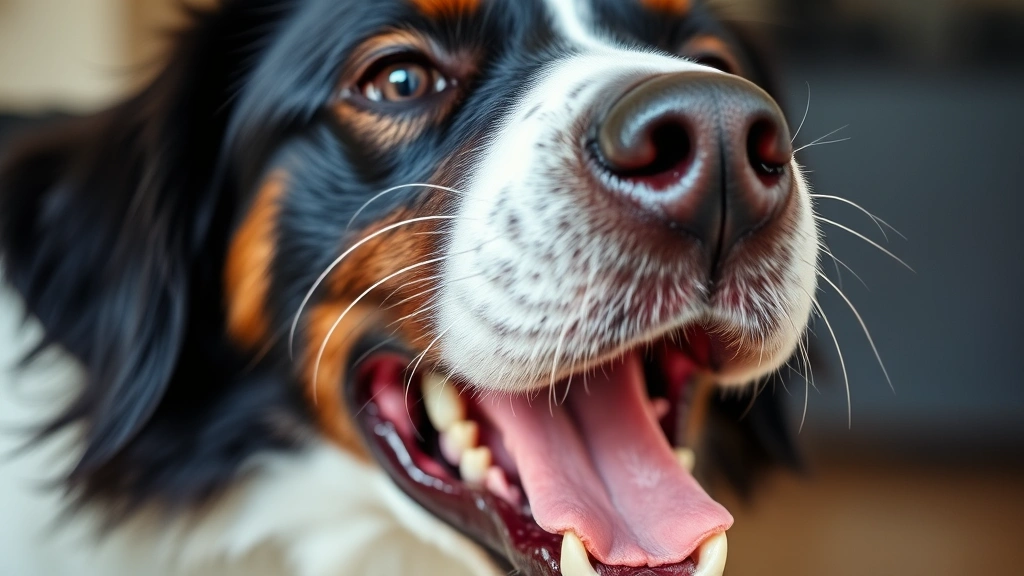
Anxiety and Stress-Related Symptoms
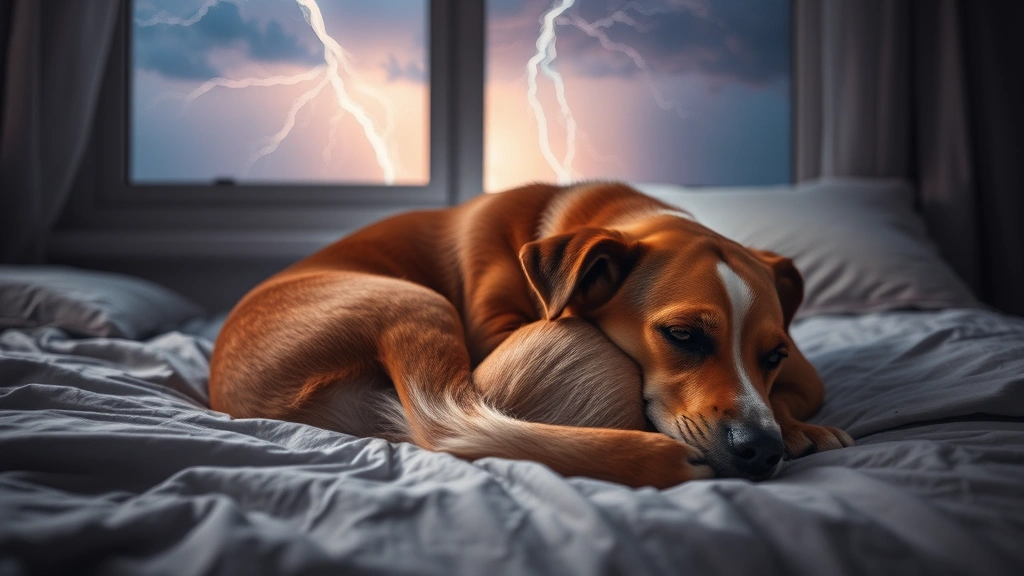
Anxiety is one of the most common non-medical reasons dogs shake and pant. Many dogs experience anxiety during thunderstorms, fireworks, car rides, or vet visits. The stress response triggers the sympathetic nervous system, causing both trembling and rapid breathing. Your dog’s body is essentially in a “fight or flight” state, preparing for perceived danger.
Separation anxiety is particularly prevalent in dogs and can cause intense shaking and panting when owners leave. Some dogs develop anxiety around specific situations or locations, and these conditioned responses can be quite severe. Recognizing that why is my dog shaking might be anxiety-related is important for determining appropriate interventions.
Environmental stressors like loud noises, unfamiliar people, or new environments can trigger anxiety responses. Some dogs are naturally more anxious than others, and certain breeds have predispositions to anxiety disorders. Understanding your individual dog’s triggers is essential for managing stress-related symptoms.
The good news is that anxiety-related shaking and panting typically resolve once the stressor is removed or the dog feels safe again. However, chronic anxiety requires more comprehensive management strategies, including behavioral training, environmental modifications, and sometimes medication prescribed by your veterinarian.
Environmental and Temperature Factors
Temperature extremes are significant factors in shaking and panting. Cold temperatures cause dogs to shiver as their bodies attempt to generate heat. Small breeds, dogs with thin coats, and senior dogs are particularly susceptible to cold-related shaking. Panting may also occur as the body works to maintain homeostasis.
Heat stress is equally concerning. When dogs overheat, they pant excessively to cool down. However, if the heat is extreme, dogs may also shake due to distress and potential heat stroke. This is a dangerous situation requiring immediate cooling measures and veterinary attention.
Humidity levels affect your dog’s ability to cool through panting. High humidity reduces the effectiveness of panting, potentially leading to dangerous body temperature elevation. Dogs are more susceptible to heat stress than humans because they have fewer sweat glands and rely primarily on panting for cooling.
Indoor heating and air conditioning changes can also trigger temporary shaking and panting as your dog’s body adjusts to new temperatures. Sudden temperature fluctuations are more problematic than gradual changes.
Pain and Discomfort Indicators
Chronic or acute pain frequently manifests as shaking and panting. Dogs experiencing pain from arthritis, injuries, or post-surgical recovery often exhibit these symptoms. The trembling is involuntary, a result of muscle tension and the body’s pain response. Panting increases as the body’s stress response to pain elevates.
Dental disease is surprisingly common and causes significant discomfort that leads to shaking and excessive panting. If you notice these symptoms along with bad breath or difficulty eating, dental issues might be the culprit. Your veterinarian can assess your dog’s oral health during a routine examination.
Gastrointestinal issues, including upset stomach, bloating, or more serious conditions, can cause visible distress manifesting as shaking and panting. Why is my dog panting so much might be answered by examining their digestive health.
Ear infections, eye problems, and other localized pain sources can trigger these symptoms. Dogs can’t verbally communicate their discomfort, so recognizing physical signs becomes crucial for pet parents.
Identifying the specific location or cause of pain requires careful observation and professional veterinary assessment. Behavioral changes, reluctance to move certain ways, or changes in posture can provide important clues.
When to Contact Your Veterinarian
Knowing when to seek veterinary care is critical for your dog’s health. Contact your vet immediately if:
- Your dog is shaking and panting along with vomiting, diarrhea, or loss of appetite
- The symptoms persist for more than a few hours without obvious cause
- Your dog shows signs of difficulty breathing or extreme distress
- There’s evidence of injury or trauma
- Your dog is drooling excessively or unable to swallow
- You suspect toxin ingestion or poisoning
- Your dog is a young puppy or senior dog showing these symptoms
- The symptoms are accompanied by fever, lethargy, or behavioral changes
Schedule a regular appointment if:
- Shaking and panting occur occasionally in response to identifiable stressors
- Symptoms resolve quickly once the trigger is removed
- Your dog is otherwise eating, drinking, and acting normally
- You want to rule out underlying medical conditions
Your veterinarian has access to diagnostic tools including blood tests, imaging, and physical examination capabilities that can identify underlying causes. The American Kennel Club recommends annual veterinary check-ups as part of responsible dog ownership, which helps catch problems early.
Home Management and Care
While awaiting veterinary evaluation or for managing non-emergency shaking and panting, several home care strategies can help your dog feel more comfortable.
For anxiety-related symptoms: Create a safe space where your dog can retreat. This might be a quiet room, crate, or designated area with familiar bedding. Calming aids, including anxiety wraps or what can I give my dog for allergies type supplements (many have calming properties), may help. Some dogs benefit from white noise, which masks triggering sounds.
For temperature-related issues: Provide appropriate shelter and clothing. Small dogs and those with thin coats benefit from dog sweaters in cold weather. In hot weather, ensure access to shade, fresh water, and cool surfaces. Never leave your dog in a parked car.
For pain management: Provide comfortable bedding, limit strenuous activity, and keep pain medications on schedule if prescribed. Gentle massage of non-painful areas can provide comfort. Maintain appropriate weight to reduce joint stress.
General comfort measures: Ensure your dog has constant access to fresh water. Maintain a consistent routine, as predictability reduces anxiety. Spend quality time with your dog to provide reassurance and bonding.
Monitor your dog’s symptoms carefully, noting when they occur, how long they last, and any patterns. This information is invaluable for your veterinarian in making an accurate diagnosis.
Prevention and Wellness Tips
Preventing shaking and panting starts with maintaining your dog’s overall health and wellbeing. Regular veterinary check-ups, appropriate nutrition, and consistent exercise form the foundation of preventive care.
Nutritional support: Feed high-quality dog food appropriate for your dog’s age, size, and health status. Proper nutrition supports immune function and helps prevent many medical conditions. Discuss dietary needs with your veterinarian, especially for dogs with specific health concerns.
Exercise and mental stimulation: Regular exercise reduces anxiety and maintains healthy body weight. Mental stimulation through play, training, and enrichment activities promotes emotional wellbeing. A tired dog is often a calm dog.
Stress reduction: Gradually desensitize your dog to common stressors through positive reinforcement training. Create calm environments and establish predictable routines. Consider professional training or behavior consultation for dogs with significant anxiety.
Environmental management: Protect your dog from extreme temperatures. Provide appropriate shelter and avoid leaving dogs in hot cars. Use dog-safe cooling mats in summer and sweaters in winter.
Regular health monitoring: Establish a relationship with a trusted veterinarian. Keep vaccinations current, maintain parasite prevention, and address health concerns promptly. Dental care is often overlooked but critically important.
The ASPCA emphasizes the importance of preventive veterinary care in maintaining dog health. Regular wellness exams can identify problems before they become serious.
Frequently Asked Questions
Is it normal for dogs to shake and pant when excited?
Some shaking and panting can occur during excitement, but excessive symptoms warrant investigation. Brief trembling and mild panting during play or greetings is generally normal. However, if your dog shows these symptoms without obvious excitement or if they persist after calming down, medical evaluation is appropriate.
Can allergies cause shaking and panting?
Severe allergic reactions can cause panting and shaking as the body responds to allergens. More commonly, allergies cause itching, skin issues, and respiratory symptoms. If your dog has known allergies, ensure they’re on appropriate management. Learning what can I give my dog for allergies helps prevent severe reactions.
What’s the difference between normal panting and concerning panting?
Normal panting occurs after exercise or in warm environments and resolves with rest and cooling. Concerning panting persists without obvious cause, occurs at rest, or is accompanied by other symptoms like weakness or drooling. If you’re uncertain, erring on the side of caution by contacting your vet is always wise.
Should I give my dog medication for anxiety-related shaking?
Only a veterinarian should recommend medication for anxiety. While some dogs benefit from anti-anxiety medications, others respond better to behavioral training and environmental management. Your vet will evaluate your dog’s specific situation and recommend appropriate interventions.
How can I tell if my dog’s shaking is from cold or illness?
Cold-related shaking typically occurs in cold environments and resolves with warming. Illness-related shaking often persists regardless of temperature and usually accompanies other symptoms like lethargy, appetite changes, or fever. When in doubt, take your dog’s temperature and contact your veterinarian.
Is panting a sign of pain in dogs?
Yes, panting can indicate pain, especially when combined with other signs like restlessness, reluctance to move, or behavioral changes. Pain-related panting often accompanies a tense body posture. If you suspect pain, have your veterinarian evaluate your dog promptly.
Can senior dogs shake and pant more than younger dogs?
Senior dogs may show increased shaking and panting due to age-related conditions like arthritis, heart disease, or cognitive decline. They’re also more susceptible to temperature extremes and anxiety. Regular veterinary care becomes even more important for senior dogs, with many vets recommending twice-yearly check-ups for dogs over seven years old.
What should I do if my dog is shaking and panting during a thunderstorm?
Create a safe, quiet space away from windows. Remain calm yourself, as dogs pick up on your anxiety. Provide comfort through petting if your dog seeks it, or give space if they prefer. Some dogs benefit from anxiety wraps or calming supplements. For dogs with severe storm anxiety, discuss medication options with your veterinarian.





