
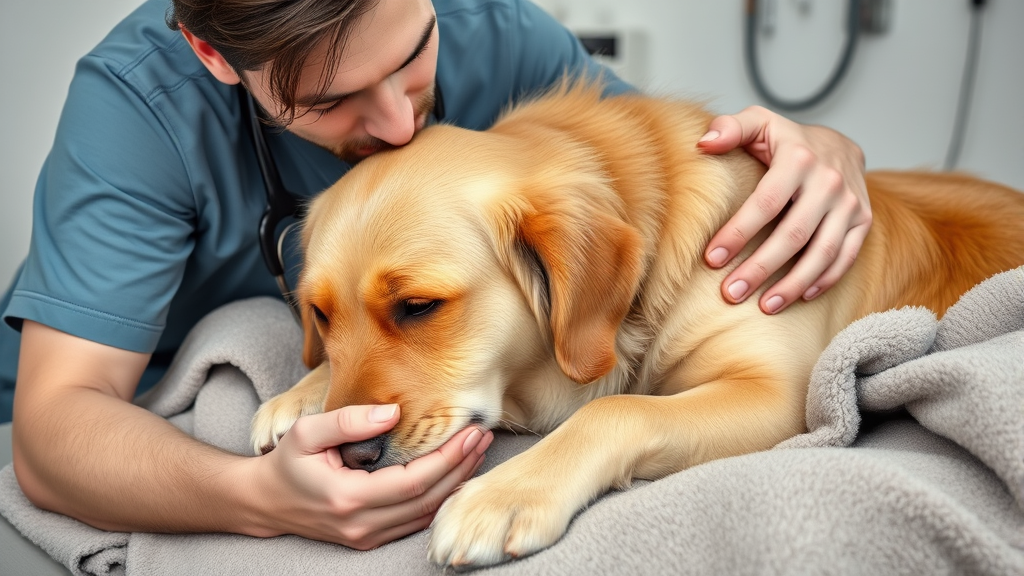
Watching your dog throw up can be alarming and distressing for any pet owner. While occasional vomiting is relatively common in dogs, understanding when it’s normal and when it signals a serious health concern is crucial for your furry friend’s wellbeing. Dogs vomit for various reasons, ranging from simple dietary indiscretions to more complex medical conditions that require immediate veterinary attention.
As a responsible pet owner, knowing how to respond when your dog is throwing up can make the difference between a minor inconvenience and a medical emergency. This comprehensive guide will help you understand the common causes of canine vomiting, recognize warning signs that require professional intervention, and learn practical steps to help your dog recover safely at home.
Understanding Dog Vomiting vs. Regurgitation
Before addressing why your dog might be throwing up, it’s essential to distinguish between vomiting and regurgitation, as they indicate different underlying issues. Vomiting is an active process involving abdominal contractions and retching, typically producing partially digested food mixed with bile or stomach fluids. The expelled material often appears yellowish or greenish and may have a strong, acidic odor.
Regurgitation, on the other hand, is a passive process where undigested food comes up from the esophagus without the dramatic heaving associated with vomiting. Regurgitated material usually looks exactly like the food your dog just ate and doesn’t contain bile or stomach acid. This distinction helps veterinarians determine whether the problem originates in the stomach or esophagus.
The timing also differs significantly between these conditions. Vomiting typically occurs hours after eating, while regurgitation happens immediately or within minutes of consumption. Understanding this difference will help you provide accurate information to your veterinarian and receive appropriate treatment recommendations.

Common Causes of Vomiting in Dogs
Dogs throw up for numerous reasons, with dietary issues being among the most frequent culprits. Eating too quickly, consuming spoiled food, or sudden dietary changes can trigger vomiting episodes. Many dogs are notorious scavengers, eating garbage, dead animals, or inappropriate items during walks, leading to stomach upset and subsequent vomiting.
Food allergies and intolerances also contribute to vomiting in sensitive dogs. Certain ingredients like onions or chocolate are toxic to dogs and can cause severe vomiting along with other serious symptoms. Additionally, some dogs develop sensitivities to common protein sources or grains over time.
Infections represent another significant category of vomiting causes. Viral infections like parvovirus or bacterial infections from contaminated food or water can trigger severe vomiting episodes. Flu-like illnesses and common colds can also cause nausea and vomiting in dogs, particularly when accompanied by fever.
Parasites, including roundworms, hookworms, and giardia, frequently cause digestive upset and vomiting. These organisms irritate the intestinal lining and can lead to chronic vomiting if left untreated. Regular deworming and parasite prevention are essential for maintaining digestive health.
More serious medical conditions can also manifest as vomiting. Kidney disease, liver problems, pancreatitis, and certain cancers often present with vomiting as an early symptom. Bloat, a life-threatening condition where the stomach twists on itself, typically causes unproductive vomiting and requires immediate emergency intervention.
When to Seek Immediate Veterinary Care
Certain symptoms accompanying vomiting indicate medical emergencies requiring immediate veterinary attention. Persistent vomiting lasting more than 24 hours, especially when combined with lethargy, diarrhea, or loss of appetite, suggests serious underlying issues. Blood in vomit or stool is particularly concerning and demands urgent evaluation.
Dehydration signs include dry gums, sunken eyes, loss of skin elasticity, and excessive panting. If your dog shows these symptoms along with vomiting, professional treatment is necessary to prevent serious complications. Puppies and senior dogs are especially vulnerable to dehydration and may require more aggressive intervention.
Neurological symptoms such as disorientation, seizures, or loss of coordination accompanying vomiting may indicate poisoning or serious medical conditions. Similarly, difficulty breathing, pale gums, or collapse alongside vomiting requires emergency care. Fever symptoms combined with vomiting often signal infections requiring antibiotic treatment.
Unproductive vomiting, where your dog attempts to vomit but nothing comes up, is a classic sign of bloat and constitutes a veterinary emergency. This condition can be fatal within hours if not treated immediately. Large, deep-chested breeds are particularly susceptible to this dangerous condition.

Immediate Response Steps
When your dog begins vomiting, your first response should be to remove access to food and water temporarily. This allows the stomach to rest and prevents further irritation. Monitor your dog closely for additional symptoms and note the frequency, appearance, and timing of vomiting episodes for your veterinarian.
Create a calm, comfortable environment for your dog to rest. Stress can worsen nausea and vomiting, so minimize noise and activity around your pet. Ensure your dog has access to a quiet, clean area where they can lie down comfortably.
Document important details about the vomiting episodes, including when they started, what your dog ate recently, any potential toxin exposure, and the appearance of the vomited material. This information helps veterinarians diagnose the underlying cause more effectively.
Never attempt to induce vomiting unless specifically instructed by a veterinarian or pet poison control center. In some cases, inducing vomiting can cause more harm than good, particularly if your dog ingested caustic substances or sharp objects.
Contact your veterinarian or emergency animal hospital if vomiting persists or if you observe concerning symptoms. Many veterinary clinics offer telephone consultations to help determine whether immediate care is necessary or if home monitoring is appropriate.
Home Care and Recovery
After consulting with your veterinarian and ruling out serious conditions, you can provide supportive care at home. Withhold food for 12-24 hours to allow the stomach to rest, but ensure water remains available in small amounts to prevent dehydration. Offer ice chips or small sips of water every few hours rather than allowing unrestricted access.
When reintroducing food, start with a bland diet consisting of boiled chicken and rice or commercial prescription diets designed for digestive upset. Feed small, frequent meals rather than large portions to minimize stomach irritation. Gradually transition back to your dog’s regular diet over several days once vomiting subsides.
Understanding how long dogs can go without eating helps you make informed decisions about when to seek professional help. Most healthy adult dogs can safely fast for 24-48 hours, but puppies, senior dogs, and those with medical conditions require more careful monitoring.
Proper portion control plays a crucial role in preventing future vomiting episodes. Learn appropriate feeding amounts for your dog’s size, age, and activity level to avoid overfeeding, which commonly triggers vomiting.
Monitor your dog’s hydration status by checking gum color and capillary refill time. Pink, moist gums that return to pink color within two seconds after gentle pressure indicate adequate hydration. Encourage water consumption by offering ice cubes, low-sodium broth, or adding water to food.
Prevention Strategies
Preventing vomiting episodes requires a multifaceted approach focusing on diet, environment, and healthcare. Maintain consistent feeding schedules and avoid sudden dietary changes, which can trigger digestive upset. When changing foods, gradually transition over 7-10 days by mixing increasing amounts of new food with decreasing amounts of the current diet.
Supervise your dog during walks and outdoor activities to prevent scavenging behavior. Train commands like “leave it” and “drop it” to prevent consumption of inappropriate items. Secure garbage cans, compost bins, and other potential sources of harmful materials your dog might access.
Regular veterinary checkups help identify underlying health conditions before they manifest as vomiting. Annual blood work, parasite screening, and dental examinations catch problems early when they’re more manageable and less expensive to treat.
Establish a consistent routine for your dog, as stress and anxiety can contribute to digestive issues. Provide adequate exercise, mental stimulation, and a stable environment to minimize stress-related vomiting. Consider puzzle feeders or slow-feed bowls for dogs who eat too quickly.
Keep a first aid kit specifically for your dog, including contact information for your veterinarian, emergency animal hospital, and pet poison control hotline. Having these resources readily available can save precious time during emergencies.
Frequently Asked Questions
Why is my dog throwing up yellow foam?
Yellow foam typically indicates your dog is vomiting bile, which occurs when the stomach is empty. This often happens in the morning before breakfast or when there are long gaps between meals. While occasional bile vomiting may not be serious, frequent episodes could indicate underlying conditions like inflammatory bowel disease or liver problems. According to the American Kennel Club, feeding smaller, more frequent meals often resolves this issue.
How long should I wait before calling the vet if my dog keeps throwing up?
Contact your veterinarian if vomiting persists for more than 24 hours, occurs more than twice in a day, or is accompanied by concerning symptoms like lethargy, diarrhea, or loss of appetite. Puppies, senior dogs, and those with existing health conditions require faster intervention. The American Veterinary Medical Association recommends immediate care for severe or persistent symptoms.
Can I give my dog human medications for vomiting?
Never give human medications to dogs without veterinary approval. Many human anti-nausea medications are toxic to dogs and can cause serious complications. Over-the-counter medications like Pepto-Bismol contain ingredients that can be harmful to dogs. Always consult your veterinarian before administering any medication to ensure safety and appropriate dosing.
What’s the difference between vomiting and regurgitation in dogs?
Vomiting involves active abdominal contractions and retching, producing partially digested food mixed with bile or stomach fluids. Regurgitation is passive, with undigested food coming up from the esophagus without dramatic heaving. Vomited material typically appears yellowish and acidic, while regurgitated food looks unchanged from when consumed. The PetMD veterinary resource explains these differences help determine whether problems originate in the stomach or esophagus.
Should I withhold water from my vomiting dog?
Generally, don’t completely withhold water from vomiting dogs, as dehydration poses serious risks. Instead, offer small amounts of water frequently rather than allowing unlimited access. Ice chips can help provide hydration while minimizing stomach irritation. However, if your dog immediately vomits after drinking water, consult your veterinarian as this may indicate a more serious condition requiring professional treatment.
What foods are safe to give my dog after vomiting?
After the stomach has rested for 12-24 hours, introduce bland foods like boiled chicken (without skin or seasoning) mixed with plain white rice. Commercial prescription diets designed for digestive upset are also appropriate. The Humane Society recommends feeding small, frequent meals and gradually transitioning back to regular food over several days once vomiting stops.
When is dog vomiting considered an emergency?
Vomiting becomes an emergency when accompanied by blood, severe lethargy, difficulty breathing, pale gums, or signs of dehydration. Unproductive vomiting (retching without producing anything) may indicate bloat, a life-threatening condition. Persistent vomiting lasting more than 24 hours, especially in puppies or senior dogs, requires immediate veterinary attention. The ASPCA Animal Poison Control should be contacted immediately if poisoning is suspected.





