

Why Is My Dog’s Poop Black?
Discovering black or dark-colored stool in your dog’s poop can be alarming for any pet owner. While it might seem like an emergency, black poop in dogs isn’t always a sign of serious illness. However, it does warrant attention and investigation. Understanding what causes black dog poop is essential for determining whether you need to contact your veterinarian immediately or if it’s a minor issue that can be resolved with dietary adjustments or home care.
As a certified dog trainer and veterinary specialist, I’ve encountered countless concerned dog owners asking about their pet’s stool color. The truth is that dog poop can tell us a lot about their digestive health, diet, and overall wellbeing. Black or tarry stools, medically known as melena, can result from various causes ranging from benign to serious. This comprehensive guide will help you understand what’s happening with your dog’s digestive system and when it’s time to seek professional veterinary help.
In this article, we’ll explore the most common reasons behind black dog poop, discuss when it becomes a medical emergency, and provide practical solutions to help your furry friend feel better.
Table of Contents
- Common Causes of Black Dog Poop
- Upper GI Bleeding and Melena
- Dietary Factors and Food Components
- Medications and Supplements
- When to Worry: Red Flags and Emergencies
- Veterinary Diagnosis and Testing
- Treatment and Prevention Strategies
- Frequently Asked Questions
Common Causes of Black Dog Poop
Black poop in dogs typically falls into two categories: melena (dark, tarry stools indicating digested blood) and simply dark-colored stools from other causes. The distinction is crucial because it helps determine the severity of the issue. According to resources from the American Kennel Club, black dog poop is one of the most commonly reported stool issues in veterinary practices.
One of the most straightforward causes of black poop is your dog consuming dark-colored foods or substances. Iron-rich foods, activated charcoal, or even dirt and debris can darken your dog’s stool. If your dog recently ate something unusual or you’ve made dietary changes, this could be the culprit. Additionally, some commercial dog foods contain ingredients that naturally produce darker stools.
The presence of blood in your dog’s digestive tract is another common reason for black poop. However, it’s important to understand that the location of bleeding determines the stool color. Upper gastrointestinal bleeding—occurring in the stomach or small intestines—results in black, tarry stools because the blood is digested as it passes through the system. This is distinctly different from lower GI bleeding, which may produce bright red blood or bloody diarrhea. If you notice your dog is pooping blood, it requires immediate evaluation.
Upper GI Bleeding and Melena
Melena is the medical term for black, tarry stools that indicate upper gastrointestinal bleeding. This symptom suggests that blood from the stomach, esophagus, or small intestines has been partially digested, giving it the characteristic dark appearance. Understanding melena is critical because it often indicates an underlying health condition that needs professional attention.
Common causes of upper GI bleeding include ulcers, gastritis (stomach inflammation), liver disease, or blood clotting disorders. Certain medications, particularly nonsteroidal anti-inflammatory drugs (NSAIDs), can damage the stomach lining and cause bleeding. Tumors or growths in the digestive tract can also result in melena. More serious conditions like hemophilia or other clotting disorders may present with black stools as a warning sign.
According to PetMD’s veterinary experts, melena accompanied by other symptoms such as vomiting, lethargy, loss of appetite, or abdominal pain should be treated as a potential emergency. The consistency and frequency of black stools can also provide clues about the severity of the bleeding.
Dietary Factors and Food Components
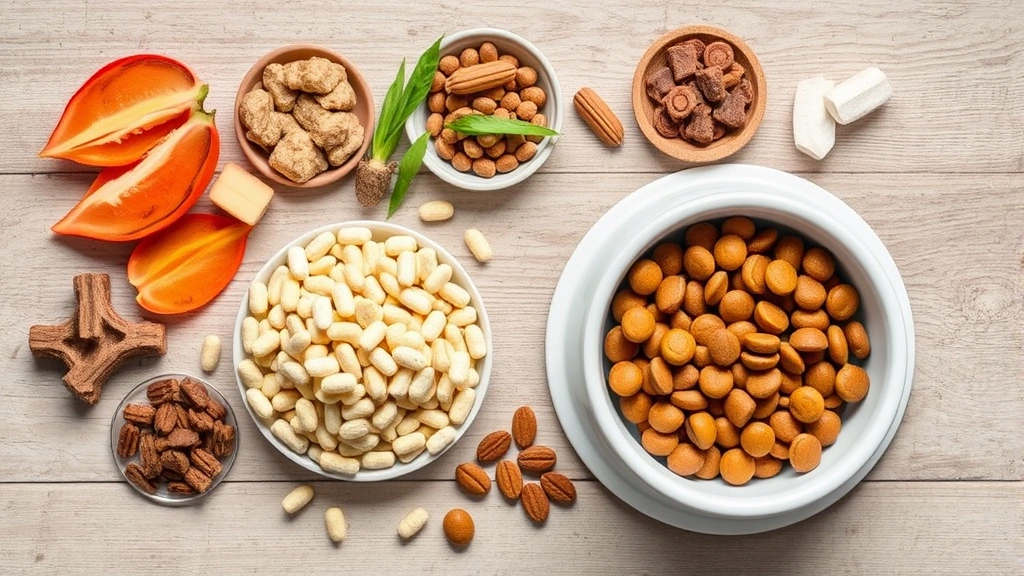
Your dog’s diet plays a significant role in stool color and consistency. Many pet owners don’t realize that certain foods naturally produce darker stools. High-quality dog foods with complex proteins and specific vegetables can change stool appearance. Iron-fortified commercial foods may also contribute to darker coloration.
Some pet parents add supplements or foods to their dog’s diet that can affect stool color. For instance, can dogs eat spinach is a common question, and while spinach is generally safe in moderation, it’s iron-rich and can darken stools. Similarly, can dogs eat pumpkin is frequently recommended for digestive health, and pumpkin can affect stool color depending on the quantity fed.
Sudden dietary changes are a common trigger for altered stool color and consistency in dogs. If you’ve recently switched dog food brands or introduced new treats, this could explain the black poop. It’s recommended to transition foods gradually over 7-10 days to minimize digestive upset. Some dogs have sensitivities to specific ingredients that cause digestive inflammation, which can manifest as discolored stools.
Fiber content in your dog’s diet significantly impacts stool appearance. Low-fiber diets may produce softer, darker stools, while high-fiber diets typically result in firmer, lighter-colored stools. If you’re considering adding fiber to your dog’s diet, can dogs have rice is a safe option that provides digestible carbohydrates and gentle fiber.
Medications and Supplements
Certain medications and supplements can cause black or dark-colored stools in dogs. Iron supplements, commonly prescribed for anemic dogs, frequently produce black or very dark stools as a side effect. This is generally not a cause for concern and typically resolves once the supplementation ends or the dosage is adjusted.
Bismuth subsalicylate, found in products like Pepto-Bismol, can create dark gray or black stools. If you’ve recently given your dog an over-the-counter medication for digestive upset, this could be responsible for the color change. Always inform your veterinarian about any medications or supplements your dog is receiving, as they may contribute to altered stool appearance.
NSAIDs prescribed for pain or inflammation can cause gastric irritation leading to melena. If your dog is on pain medication following surgery or for chronic conditions like arthritis, black poop might indicate medication-related gastric bleeding. Never stop prescribed medications without veterinary guidance, but do report the symptom to your vet promptly.
Natural supplements, while often considered safe, can also affect stool color. Some herbal remedies and probiotics contain ingredients that may darken stools. Additionally, can dogs have pumpkin seeds is another dietary consideration, as these nutrient-dense seeds can contribute to stool color changes when added to a dog’s regular diet.
When to Worry: Red Flags and Emergencies
While some cases of black poop are harmless, certain situations require immediate veterinary attention. If your dog is experiencing black stools accompanied by vomiting, especially if the vomit contains blood or appears like coffee grounds, seek emergency care immediately. This combination suggests active gastrointestinal bleeding.
Additional red flags include lethargy or weakness, which may indicate significant blood loss or anemia. Loss of appetite, abdominal pain (indicated by hunched posture or reluctance to move), and behavioral changes should prompt veterinary evaluation. If your dog has a history of eating non-food items or has access to toxins, black poop requires urgent assessment.
Pay attention to the consistency and frequency of black stools. Occasional black poop might be dietary-related, but persistent black stools over several days warrant professional evaluation. Similarly, if your previously healthy dog suddenly produces black stools without any recent dietary changes, this is more concerning than color changes following a known dietary modification.
Puppies and senior dogs are more vulnerable to serious conditions causing melena, so any black stool in these age groups should be evaluated promptly. Dogs with pre-existing health conditions like liver disease, kidney disease, or bleeding disorders require immediate veterinary assessment if black poop develops.
Veterinary Diagnosis and Testing
When you visit your veterinarian about your dog’s black poop, be prepared to provide a detailed history. Information about recent dietary changes, medication administration, exposure to toxins, and any other symptoms will help guide the diagnostic process. VCA Animal Hospitals recommends keeping a sample of the affected stool to show your veterinarian.
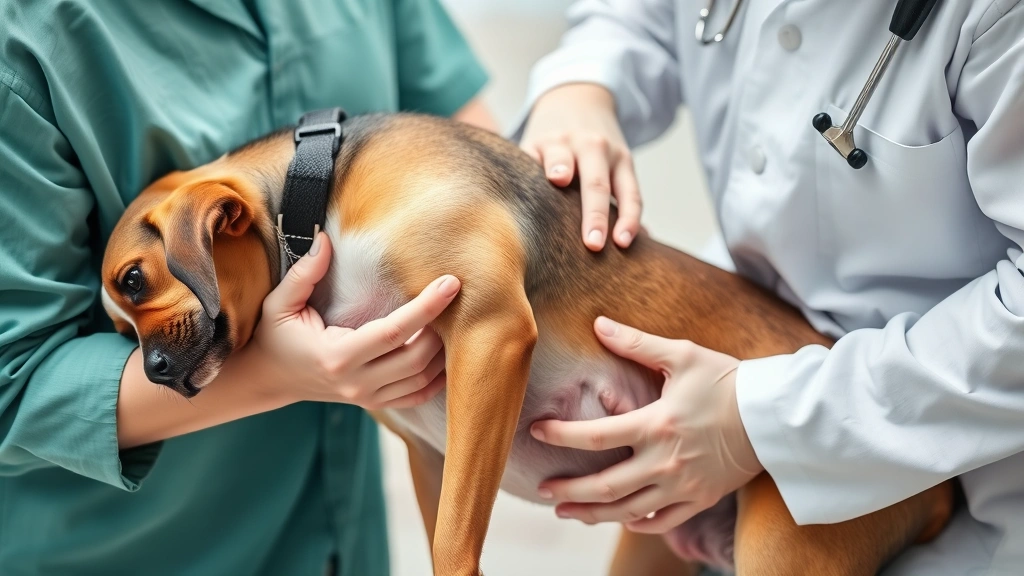
Your vet will perform a thorough physical examination, palpating the abdomen to check for pain or abnormalities. They may ask questions about your dog’s overall health, appetite, and any recent travels or exposure to new environments. Blood work is often recommended to check for anemia, clotting disorders, and organ function.
Fecal examination under a microscope helps identify parasites or bacterial imbalances that might cause black stools. In some cases, your veterinarian may recommend more advanced diagnostics like ultrasound or endoscopy to visualize the gastrointestinal tract directly. These imaging techniques help identify ulcers, tumors, or other structural problems causing upper GI bleeding.
According to the American Veterinary Medical Association, stool color is just one indicator of digestive health, and comprehensive evaluation is often necessary for accurate diagnosis.
Treatment and Prevention Strategies
Treatment for black dog poop depends entirely on the underlying cause. If the issue is dietary, your veterinarian may recommend specific dietary modifications or a bland diet consisting of easily digestible foods. Many vets suggest a temporary diet of boiled chicken and white rice to soothe the digestive system while addressing the stool color.
For cases related to specific ingredients, elimination diets help identify problematic foods. If your dog has a sensitive stomach, switching to a limited ingredient or prescription digestive diet might resolve the issue. Your vet can recommend appropriate dietary changes, including whether options like can dogs eat cauliflower or can dogs eat broccoli would be beneficial additions to their meals.
If medications are causing the black poop, your veterinarian may adjust the dosage, switch to an alternative medication, or recommend protective medications like gastroprotectants to reduce gastric irritation. Never modify medication regimens without professional guidance.
For more serious underlying conditions like ulcers or gastritis, treatment may include medications to reduce stomach acid and promote healing. If parasites are identified, appropriate antiparasitic medications will be prescribed. In cases of clotting disorders or serious bleeding, more intensive treatment may be necessary.
Prevention strategies include maintaining a consistent, high-quality diet, avoiding sudden food changes, preventing access to toxins and non-food items, and keeping vaccinations current. Regular veterinary check-ups help identify health issues before they progress to cause black stools.
Frequently Asked Questions
Is black dog poop always a sign of bleeding?
No, black dog poop isn’t always caused by bleeding. While melena (black, tarry stools from digested blood) is a common cause, black poop can also result from dietary factors, food coloring, supplements, or medications like iron supplements. However, if the black poop is accompanied by other symptoms like vomiting, lethargy, or loss of appetite, bleeding should be suspected and evaluated by a veterinarian.
Can stress cause black poop in dogs?
While stress can trigger digestive upset in dogs, it typically causes diarrhea or loose stools rather than black poop specifically. However, stress-related gastric inflammation could potentially contribute to melena in some cases. If you’ve noticed black stools following a stressful event like moving, boarding, or a significant lifestyle change, consult your veterinarian to rule out stress-related gastric issues.
How long should I wait before contacting my vet about black poop?
If your dog has a single instance of black poop and is otherwise acting normal with a good appetite, you can monitor the situation for one bowel movement. However, if black poop persists for more than one or two days, or if it’s accompanied by any other symptoms, contact your veterinarian. Don’t wait if your dog shows signs of illness like vomiting, lethargy, or abdominal pain.
Can changing dog food cause black poop?
Yes, dietary changes are a common cause of altered stool color in dogs. New ingredients, different protein sources, or varying levels of fiber can all affect stool appearance. This is why veterinarians recommend transitioning to new food gradually over 7-10 days. If you’ve recently changed your dog’s diet and noticed black poop, try reverting to the previous food or consulting your vet about a slower transition.
What does black versus dark brown dog poop mean?
Dark brown poop is typically considered normal, while truly black, tarry stool (melena) suggests digested blood from the upper gastrointestinal tract. The Humane Society notes that the distinction between dark brown and black is important for determining whether your dog needs veterinary evaluation. If you’re unsure about the color, take a photo or bring a sample to your vet for assessment.
Can parasites cause black poop in dogs?
While parasites typically cause diarrhea, bloody stools, or mucus in stool rather than black poop specifically, certain parasitic infections can cause gastrointestinal bleeding that manifests as melena. Intestinal parasites like hookworms are particularly known for causing bloody stools. Regular fecal examinations help identify parasitic infections before they cause serious complications.
When is black dog poop considered a medical emergency?
Black poop becomes a medical emergency when accompanied by severe symptoms such as repeated vomiting (especially with blood), collapse or extreme letharness, inability to stand, rapid or difficulty breathing, abdominal swelling or severe pain, or pale gums. These signs suggest significant internal bleeding or shock, requiring immediate emergency veterinary care. Don’t delay seeking help if you observe any of these warning signs.





