
Why Is My Dog’s Poop Green? Vet Insights on Causes and Solutions
Discovering green poop in your dog’s yard can be alarming, but don’t panic just yet. While it’s certainly not the typical brown color we expect, green stool in dogs is usually manageable and often resolves on its own. However, understanding what causes this color change is essential for determining whether your furry friend needs veterinary attention or if it’s simply a dietary quirk.
Green dog poop can indicate anything from harmless dietary factors to more serious digestive issues. As responsible pet owners, it’s important to recognize the signs and know when to call your veterinarian. This comprehensive guide breaks down the most common reasons behind green stool, what you should monitor, and when professional help is necessary.
Dietary Causes of Green Poop
The most common reason for green stool in dogs is diet-related. When dogs consume certain foods, particularly those high in chlorophyll or specific vegetables, their poop can turn shades of green. This is usually completely harmless and nothing to worry about.
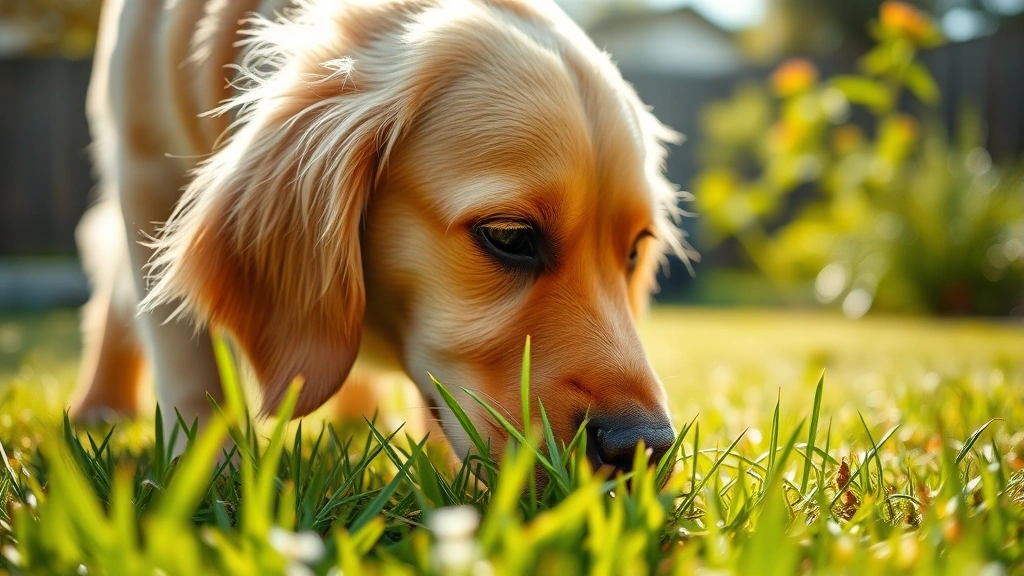
Grass and Plant Material: Many dogs eat grass regularly, whether out of boredom, curiosity, or an upset stomach. Fresh grass contains chlorophyll, the pigment that makes plants green. When your dog consumes significant amounts of grass, the chlorophyll passes through their digestive system relatively unchanged, resulting in green-tinted stool. This behavior is entirely normal and rarely indicates a serious problem.
Leafy Greens and Vegetables: If you’ve been sharing vegetables with your pup, green stool might be the result. Dogs that consume broccoli, spinach, kale, or other leafy greens may produce green poop. While these vegetables offer nutritional benefits, they should only comprise a small portion of your dog’s diet. Similarly, cauliflower and other cruciferous vegetables can affect stool color.
If you’re wondering about incorporating vegetables into your dog’s diet, carrots are an excellent choice and generally won’t cause green poop. In fact, carrots are good for dogs and provide beneficial nutrients without the digestive complications of some other vegetables.
Corn and Other Plant-Based Foods: Some commercial dog foods contain corn, which can contribute to green stool in sensitive dogs. Additionally, if you’ve recently switched your dog’s food, the new diet might be causing the color change. It typically takes 7-10 days for a dog’s digestive system to fully adjust to a new food.
Food Dyes and Additives: Certain commercial dog treats and foods contain artificial dyes and food coloring. These additives can alter stool color. If your dog has consumed treats with green coloring or certain food dyes, green poop may result within hours to a day.
Digestive and Health Issues
While dietary causes are most common, green stool can sometimes indicate digestive upset or other health concerns that warrant attention.
Rapid Intestinal Transit: When food moves through your dog’s digestive system too quickly, stool can appear green because bile (which is normally reabsorbed in the colon) remains in the feces. This condition, called rapid transit or diarrhea, can occur due to stress, excitement, dietary indiscretion, or underlying digestive issues. If your dog’s poop is green and also loose or watery, rapid transit might be the culprit.
Bacterial or Parasitic Infections: Certain parasites and bacterial infections can alter stool color and consistency. Giardia, a common parasitic infection in dogs, can cause green or yellowish diarrhea along with a foul odor. These infections are more concerning and typically require veterinary treatment with appropriate medications.
Food Sensitivities and Allergies: Dogs with food allergies or sensitivities may experience digestive upset, resulting in unusual stool colors. Common culprits include chicken, beef, dairy, wheat, and soy. If your dog has a food sensitivity, you might notice green poop along with other symptoms like itching, vomiting, or chronic diarrhea.
Inflammatory Bowel Disease: In some cases, green stool can indicate inflammatory bowel disease (IBD) or other chronic digestive conditions. Dogs with IBD often experience alternating constipation and diarrhea, along with other symptoms like weight loss and decreased appetite.

Bile and Gallbladder Problems
Green poop can sometimes be related to bile, the digestive fluid produced by the liver and stored in the gallbladder. Understanding bile’s role helps explain why stool color changes.
The Role of Bile in Digestion: Bile is naturally yellowish-green and plays a crucial role in breaking down fats during digestion. Normally, bile is reabsorbed in the colon, but when this process is disrupted, bile can remain in the stool, making it appear green. This is particularly common when dogs have empty stomachs or haven’t eaten in several hours.
Gallbladder Issues: Problems with the gallbladder, such as inflammation or infection, can affect bile production and release. While gallbladder disease isn’t common in dogs, it can occur and may result in green or yellowish stool. Other signs include vomiting, abdominal pain, and loss of appetite.
Bilious Vomiting Syndrome: This condition occurs when bile refluxes into the stomach, typically when the stomach is empty. Dogs with bilious vomiting syndrome may vomit yellow or greenish bile, and their stool color may also be affected. This condition is usually managed through dietary changes and feeding schedule adjustments.
When to Contact Your Vet
Most cases of green poop in dogs are harmless and resolve within a few days. However, certain situations warrant professional veterinary evaluation to rule out serious health issues.
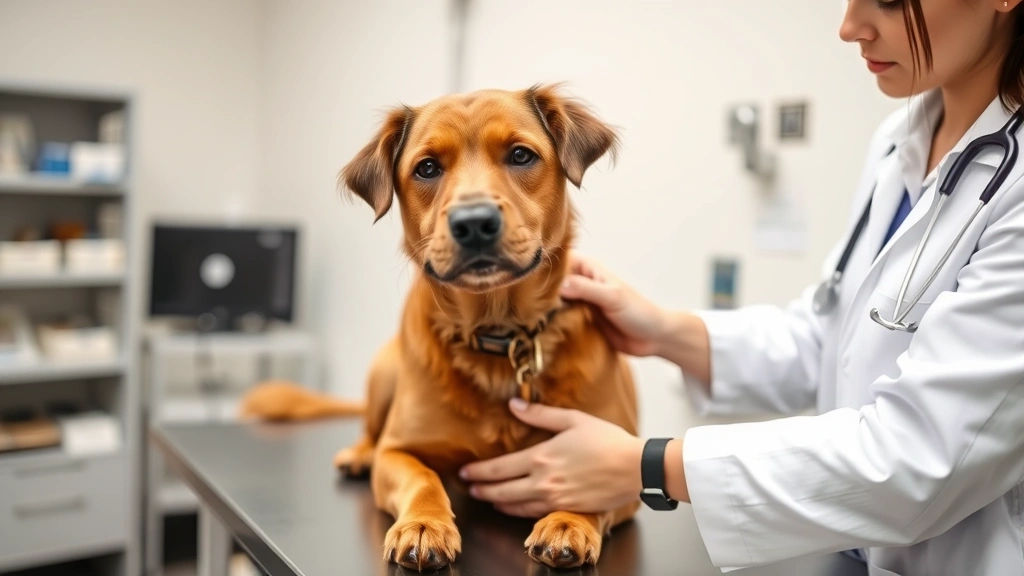
Signs That Require Immediate Attention: Contact your veterinarian immediately if your dog’s green poop is accompanied by vomiting, severe diarrhea, lethargy, loss of appetite, or abdominal pain. Additionally, if your dog appears to be in distress or the condition persists for more than a few days, professional evaluation is necessary. Puppies and senior dogs may require faster intervention since they’re more vulnerable to dehydration and other complications.
Accompanying Symptoms to Monitor: Pay attention to whether your dog is acting normally aside from the stool color. A dog that’s playful, eating well, and maintaining normal energy levels with green poop is likely experiencing something minor. However, behavioral changes, reduced appetite, or signs of digestive distress suggest a need for veterinary assessment.
Persistent Green Stool: If your dog’s poop remains green for more than a week despite dietary adjustments, or if the color intensifies, schedule a veterinary appointment. Your vet can perform fecal tests, blood work, or other diagnostics to identify underlying causes.
Frequency and Pattern Changes: Monitor your dog’s bowel movement frequency and consistency. If green poop coincides with increased frequency or changes in consistency, this may indicate a digestive issue requiring professional attention.
Prevention and Management
Taking proactive steps can help prevent green poop and maintain your dog’s digestive health.
Dietary Management: Feed your dog a balanced, high-quality diet appropriate for their age, size, and health status. Avoid sudden food changes by transitioning gradually over 7-10 days when switching brands or types of food. Limit treats and table scraps, particularly high-chlorophyll vegetables. If you want to include vegetables in your dog’s diet, stick to dog-safe options in appropriate portions.
Grass Consumption Control: While occasional grass eating is normal, excessive consumption can lead to green stool and potential digestive issues. Ensure your dog has adequate mental stimulation and exercise to reduce boredom-related grass eating. Consider creating a designated area where your dog can safely graze if grass eating is a frequent behavior.
Maintain a Regular Feeding Schedule: Consistent meal times help regulate your dog’s digestive system. Most dogs benefit from two meals per day spaced 8-12 hours apart. Avoid leaving food out all day, which can contribute to overeating and digestive upset.
Hydration and Exercise: Ensure your dog has constant access to fresh water and receives adequate daily exercise. Proper hydration and physical activity support healthy digestion and overall gastrointestinal function.
Monitor Stool Quality: Regularly observe your dog’s stool to establish what’s normal for your pet. This helps you quickly identify changes that might indicate health issues. Keep notes on stool color, consistency, and frequency, which can be valuable information to share with your veterinarian.
Regular Veterinary Check-ups: Schedule annual wellness exams for adult dogs and more frequent visits for puppies and seniors. These appointments allow your vet to monitor your dog’s digestive health and catch potential issues early.
FAQ
Is green dog poop always a sign of illness?
No, green poop is usually not a sign of serious illness. Most cases result from diet, grass consumption, or rapid intestinal transit. However, if accompanied by other symptoms or persisting for several days, veterinary evaluation is recommended.
How long does it take for stool color to return to normal?
If the cause is dietary, stool color typically returns to normal within 24-48 hours of removing the offending food or substance. If the cause is an infection or health condition, resolution depends on treatment and may take longer.
Can changing dog food cause green poop?
Yes, food transitions can cause temporary stool color changes. Gradual transitions over 7-10 days help minimize digestive upset and unusual stool colors.
Should I be concerned about green poop if my dog acts normal?
If your dog is acting normally, eating well, and maintaining good energy levels, green poop is likely not serious. Monitor the situation and contact your vet if the color persists or other symptoms develop.
What’s the difference between green and yellow poop?
Yellow or yellowish poop often indicates bile issues or rapid intestinal transit. Green poop typically suggests chlorophyll from grass or vegetables. Both can be normal, but persistent yellow stool warrants veterinary attention.
Can probiotics help with green poop?
Probiotics may help support digestive health in some dogs, but they won’t directly change stool color. If green poop results from a bacterial imbalance or dysbiosis, probiotics might help, but consult your vet before starting supplements.





