
Why Is My Dog’s Poop White? Expert Insights on Causes and Solutions
Discovering white poop in your dog’s yard can be alarming, but this common occurrence has several straightforward explanations. White or chalky stools in dogs aren’t always a sign of serious illness, though they do warrant attention. Understanding what causes this discoloration helps you determine whether your furry friend needs veterinary care or if a simple dietary adjustment will resolve the issue.
As a responsible pet owner, recognizing changes in your dog’s digestive health is crucial. White poop can indicate anything from excess calcium intake to parasitic infections. In this comprehensive guide, we’ll explore the primary causes, when to seek veterinary help, and practical steps you can take to restore your dog’s digestive health.

Main Causes of White Dog Poop
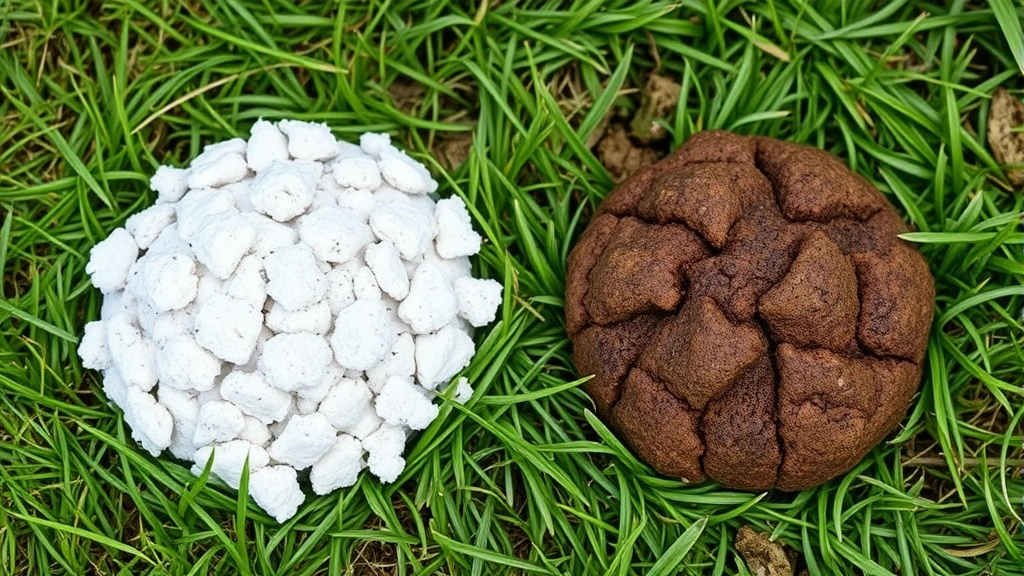
White or pale-colored stool in dogs stems from several distinct causes. The most common culprit is excess calcium in your dog’s diet, which creates that distinctive chalky appearance. When dogs consume too much calcium—often from raw bones, supplements, or calcium-rich foods—their bodies cannot absorb all of it, resulting in white fecal matter.
Another frequent cause involves parasitic infections. Certain intestinal parasites, particularly tapeworms, can cause white or rice-like segments to appear in or around your dog’s stool. These visible parasites are often more alarming than the white poop itself, as they indicate your dog needs immediate deworming treatment.
Dietary indiscretions also play a significant role. If your dog recently consumed cheese, corn, or other high-fat, high-calcium foods, white poop may develop temporarily. Additionally, clay, chalk, or other non-food items your dog ingests can create the same effect.
Less commonly, white stool indicates bile duct issues or pancreatic problems. When bile doesn’t properly reach the intestines, stool loses its typical brown coloration and appears pale or white. This situation requires veterinary evaluation to rule out serious conditions.
High Calcium Content in Diet
Calcium is essential for your dog’s bone health, but excess amounts create problems. Many dog owners inadvertently overfeed calcium, particularly those feeding raw diets or adding supplements without veterinary guidance. Raw bone diets are common culprits, as raw bones contain substantial calcium that doesn’t fully digest.
When you feed your dog broccoli and other calcium-rich vegetables alongside bone-based meals, calcium accumulates rapidly. The recommended daily calcium intake for adult dogs is approximately 1,200-1,500 mg per day, depending on size and activity level. Exceeding this threshold by 50% or more regularly causes white stool.
Signs your dog has excessive dietary calcium include:
- Chalky, white, or pale gray stools
- Constipation or difficulty defecating
- Increased thirst and urination
- Lethargy or reduced activity levels
- Poor coat quality
To address high calcium intake, reduce bone portions in raw diets or switch to commercially prepared raw food with balanced calcium-phosphorus ratios. Most quality commercial dog foods contain appropriate calcium levels—typically 1-1.8% on a dry matter basis. Discontinue calcium supplements unless your veterinarian specifically recommends them for medical reasons.
Parasitic Infections and Worms
Parasites represent one of the more concerning causes of white poop in dogs. Tapeworms particularly cause visible white segments that resemble grains of rice in your dog’s stool or around the rectal area. These segments are actually tapeworm proglottids—reproductive units that detach and exit the body.
Other parasites that may cause pale or white stool include roundworms and hookworms. Dogs contract these parasites through contaminated soil, infected prey, or from their mother before birth. Puppies and senior dogs face higher infection risks, as do dogs with compromised immune systems.
Warning signs of parasitic infection include:
- Visible white or rice-like segments in stool
- Scooting or dragging rear end on ground
- Excessive licking of anal area
- Weight loss despite normal appetite
- Dull coat and lethargy
- Vomiting or diarrhea
Preventive care is essential. Regular deworming—typically every 3 months for adult dogs and monthly for puppies—significantly reduces infection risk. Ask your veterinarian about appropriate parasite prevention protocols for your dog’s age, weight, and lifestyle. Dogs with outdoor access need more frequent monitoring than indoor-only pets.
Digestive Issues and Pancreatitis
White or pale stool sometimes indicates underlying digestive problems. Pancreatitis—inflammation of the pancreas—frequently causes pale, fatty stools alongside other symptoms like vomiting, abdominal pain, and decreased appetite. This condition requires immediate veterinary attention, as acute pancreatitis can become life-threatening.
Certain dietary triggers exacerbate pancreatitis. High-fat meals, particularly after your dog consumes rich foods like bacon or fatty meat scraps, commonly provoke flare-ups. Avoid feeding onions and other toxic foods, but also monitor fat intake carefully, especially in predisposed breeds like Schnauzers and Cocker Spaniels.
Inflammatory bowel disease (IBD) and malabsorption syndrome also cause stool discoloration. These conditions prevent your dog’s intestines from properly absorbing nutrients and water, resulting in pale, loose stools. Chronic diarrhea, weight loss, and poor coat quality typically accompany these conditions.
Bile-related issues represent another category of concern. When your dog’s liver or bile ducts malfunction, bile doesn’t properly reach the intestines. Without bile’s natural pigments, stool appears pale, clay-colored, or white. Liver disease requires professional veterinary diagnosis and management.
If white stool persists for more than a few days or accompanies other symptoms, schedule a veterinary appointment promptly.
When to Call Your Vet
Not every instance of white poop demands emergency intervention, but certain scenarios warrant immediate veterinary attention. Contact your vet if:
- White stool persists for more than 2-3 days
- Your dog shows visible parasitic segments
- Stool is accompanied by vomiting or severe diarrhea
- Your dog exhibits abdominal pain or distension
- Lethargy, loss of appetite, or weight loss accompanies the white stool
- Your dog has fever or signs of illness
- Multiple dogs in your household develop white stool simultaneously
Schedule a routine appointment if:
- White stool appears occasionally but your dog seems healthy
- You recently changed your dog’s diet
- Your dog consumed unusual items
- Stool color normalizes within a few days
During your veterinary visit, bring a fresh stool sample. Your vet will perform a fecal exam to check for parasites and may recommend bloodwork if liver or pancreatic disease is suspected. Provide detailed information about your dog’s diet, recent dietary changes, and any other symptoms you’ve observed.
Diet Adjustments and Prevention
Once you’ve identified the cause of white poop, dietary adjustments often resolve the issue. If excess calcium is the culprit, transition to a balanced commercial diet formulated by Association of American Feed Control Officials (AAFCO) standards. These diets contain appropriate calcium-phosphorus ratios and comprehensive nutrient profiles.
For raw-feeding enthusiasts, use a reputable commercial raw diet with verified nutritional analysis rather than homemade versions. Many well-formulated commercial raw diets eliminate the calcium imbalance problem while maintaining raw-feeding benefits. If you prefer preparing raw meals at home, consult with a veterinary nutritionist for proper formulation.
Gradually transition to any new diet over 7-10 days to prevent digestive upset. Mix the new food with your dog’s current food, slowly increasing the new food proportion while decreasing the old. This gradual transition prevents additional stool issues during the change.
Avoid problematic foods and supplements:
- Discontinue calcium supplements unless veterinarian-recommended
- Limit bone content in raw diets to 10-15% of total diet
- Avoid mushrooms and other foods that may cause digestive issues
- Reduce fatty treats and table scraps
- Ensure fresh water availability at all times
Preventive measures for long-term health:
- Schedule annual veterinary exams including fecal screening
- Maintain consistent, high-quality diet
- Provide regular parasite prevention year-round
- Monitor stool appearance and consistency regularly
- Keep your dog at healthy weight through appropriate exercise and nutrition
- Avoid feeding raw or undercooked meat and bones from unknown sources
Most cases of white dog poop resolve quickly once the underlying cause is addressed. Your dog’s stool should return to normal brown coloration within 3-5 days of dietary adjustments or parasite treatment. If improvement doesn’t occur, return to your veterinarian for further investigation.
FAQ
Is white dog poop always a sign of serious illness?
No. While white poop can indicate serious conditions like pancreatitis or liver disease, it often results from harmless dietary causes like excess calcium. However, persistence warrants veterinary evaluation to rule out medical concerns. Most cases resolve with simple dietary adjustments.
Can I treat white poop at home?
If your dog seems healthy and white poop appeared after dietary changes, home management through diet adjustment is reasonable. However, if your dog shows other symptoms or white poop persists beyond a few days, professional veterinary evaluation is necessary. Never self-diagnose without veterinary input.
How long does it take for stool to return to normal?
After addressing the underlying cause, stool typically normalizes within 3-5 days. If your dog received parasite treatment, stool improvement may take slightly longer as the digestive system recovers. Contact your vet if stool doesn’t improve after one week.
Can diet alone prevent white poop in the future?
For most cases caused by dietary factors, yes. Maintaining balanced nutrition with appropriate calcium levels prevents recurrence. However, parasitic infections require both preventive medication and good hygiene practices. Regular veterinary care ensures early detection of any medical issues.
Should I be worried about white poop in puppies?
Puppies are more susceptible to parasites, so white poop warrants prompt veterinary attention in young dogs. Additionally, puppies require precise calcium-phosphorus ratios for proper bone development. Never ignore stool changes in puppies—always consult your veterinarian.
Does white poop indicate my dog is contagious?
If white poop results from parasites, your dog may shed parasitic eggs that could infect other dogs. Maintain strict hygiene by picking up stool promptly and washing hands thoroughly. If parasites are confirmed, keep your dog separated from other pets until deworming is complete.





