
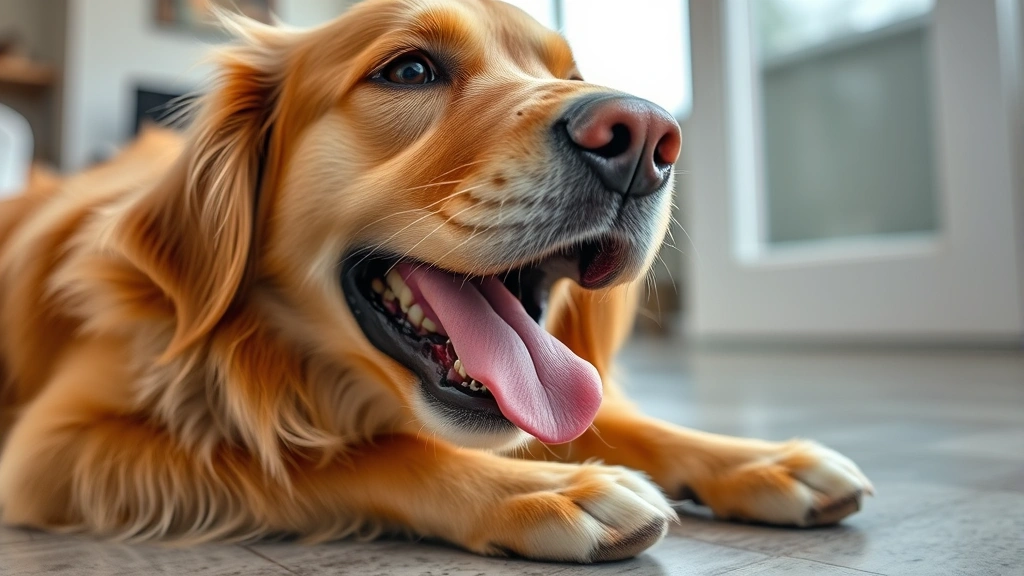
Female Dog Panting: Vet Insights & Causes
If you’ve noticed your female dog panting heavily without any obvious reason—no exercise, no heat, no excitement—you’re right to be concerned. Excessive panting in female dogs can signal everything from normal physiological responses to serious health conditions requiring immediate veterinary attention. Understanding the difference between normal and abnormal panting is crucial for every dog owner.
Female dogs may pant for reasons unique to their sex, including hormonal fluctuations, reproductive health issues, and breed-specific predispositions. This comprehensive guide explores the most common causes of unexplained panting in female dogs, when to contact your veterinarian, and practical strategies to help your furry companion feel more comfortable.
Normal vs. Abnormal Panting in Female Dogs
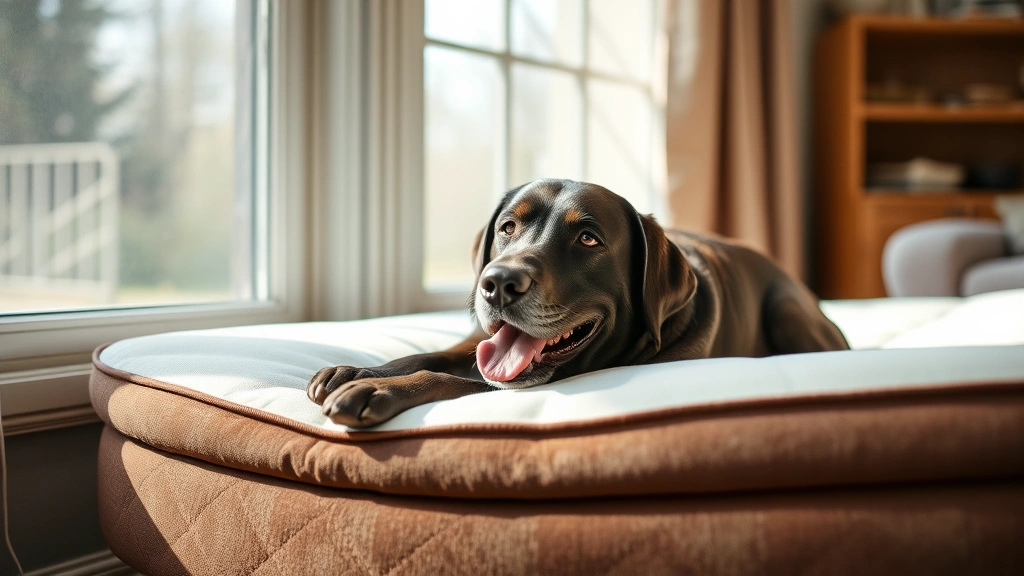
Panting is a natural thermoregulation mechanism for dogs, who lack functional sweat glands and rely on evaporative cooling through their mouths and respiratory system. Dogs typically pant after exercise, during warm weather, or when excited or stressed. This normal panting is rhythmic, purposeful, and resolves once the trigger is removed.
Abnormal panting, however, persists without an obvious environmental or behavioral trigger. Your female dog might pant while resting indoors in cool temperatures, at night during sleep, or throughout the day regardless of activity level. Abnormal panting often accompanies other symptoms like lethargy, loss of appetite, restlessness, or behavioral changes. According to the American Kennel Club, unexplained panting warrants veterinary evaluation, especially when it represents a sudden change from your dog’s baseline behavior.
Duration matters significantly. Normal panting typically lasts minutes to an hour after exercise or heat exposure. Persistent panting lasting several hours or occurring in multiple episodes daily suggests an underlying issue requiring investigation.
Heat Cycles and Hormonal Panting
Female dogs experience estrus cycles (heat cycles) roughly every six to twelve months, depending on breed and individual variation. During the proestrus and estrus phases, hormonal fluctuations can trigger increased panting and restlessness. This hormonal panting is particularly common during the first few days of a heat cycle when estrogen levels surge.
Beyond normal heat cycles, conditions affecting reproductive health can cause excessive panting. Pyometra—a potentially life-threatening uterine infection—frequently presents with panting as an early symptom, often accompanied by vaginal discharge, lethargy, and loss of appetite. Spayed female dogs can also experience panting related to ovarian remnant syndrome, where residual ovarian tissue continues producing hormones after incomplete spay surgery.
Pregnancy and pseudopregnancy (false pregnancy) represent additional hormonal causes. Pregnant females often pant more as pregnancy progresses, particularly during the final weeks. Pseudopregnant females, experiencing hormonal changes mimicking pregnancy despite not being pregnant, may pant excessively, exhibit nesting behaviors, and show other maternal signs.
If your female dog is unspayed and panting coincides with her heat cycle, monitor her closely for additional symptoms. However, any panting persisting beyond the normal heat cycle duration warrants veterinary assessment to rule out serious conditions like pyometra.
Medical Conditions Causing Excessive Panting
Numerous health conditions trigger abnormal panting in female dogs. Respiratory diseases including pneumonia, bronchitis, and laryngeal paralysis compromise oxygen exchange, forcing dogs to pant excessively to meet oxygen demands. Heart disease reduces cardiac output, prompting compensatory panting as the body attempts to improve oxygen circulation. Senior female dogs are particularly susceptible to cardiac issues.
Endocrine disorders significantly impact panting patterns. Hypothyroidism, common in middle-aged to senior female dogs, slows metabolism and can paradoxically cause excessive panting alongside weight gain and lethargy. Hyperthyroidism (rare in dogs but possible) accelerates metabolism, increasing heat production and panting. Cushing’s syndrome (hyperadrenocorticism), caused by excessive cortisol production, frequently manifests with panting as a primary symptom, often accompanied by increased thirst, urination, and appetite.
Pain from arthritis, spinal issues, or other musculoskeletal problems commonly triggers stress-related panting in female dogs. Chronic pain activates the sympathetic nervous system, increasing respiratory rate and panting intensity. Senior females with osteoarthritis frequently pant more, especially at night or during weather changes.
Fever from infection, inflammation, or immune-mediated disease causes panting as the body attempts to cool itself. Anemia reduces oxygen-carrying capacity, necessitating increased breathing and panting. Certain medications, including steroids and stimulants, can increase panting as a side effect. The ASPCA recommends discussing medication side effects with your veterinarian if panting coincides with starting new medications.
Anxiety, Stress, and Behavioral Causes
Anxiety and stress represent underrecognized causes of excessive panting in female dogs. Dogs experiencing separation anxiety, noise phobia (particularly thunderstorm or fireworks anxiety), or social anxiety often pant excessively as part of their stress response. Unlike humans who sweat when anxious, dogs pant to cool themselves and manage physiological stress responses.
Environmental changes trigger anxiety-related panting. Moving to a new home, changes in routine, new family members or pets, or even rearranged furniture can stress sensitive dogs. Female dogs may be particularly responsive to household dynamics and family stress, as research suggests dogs are sensitive to human emotional states.
Phobias develop in some female dogs around specific stimuli—vacuum cleaners, thunderstorms, car rides, or visits to the veterinarian. The anticipatory panting may begin before the feared event occurs, as the dog’s nervous system prepares for perceived danger. Recognizing anxiety-related panting helps distinguish it from medical causes; anxious dogs typically show other behavioral signs including pacing, whining, destructive behavior, or hiding.
Boredom and understimulation, while less commonly causing excessive panting, can contribute to restlessness and increased respiratory activity in high-energy female dogs lacking adequate mental and physical enrichment.
Age-Related Panting Issues
Senior female dogs frequently experience increased panting due to age-related physiological changes. Cognitive dysfunction syndrome (canine dementia) causes confusion, disorientation, and anxiety, all contributing to excessive panting, particularly during nighttime hours. Many senior females develop sleep disturbances, panting while restless throughout the night.
The aging immune system becomes less efficient, making senior females more susceptible to infections that trigger fever and compensatory panting. Chronic pain from arthritis and degenerative joint disease increases throughout the senior years, with panting reflecting both pain and stress responses.
Reduced cardiovascular and respiratory efficiency in aging dogs means their bodies work harder to meet oxygen demands, resulting in more visible panting during normal activities. Some senior females develop laryngeal paralysis, where the laryngeal cartilages lose elasticity and fail to open properly during breathing, causing noisy, labored panting and reduced exercise tolerance.
Additionally, senior female dogs often experience multiple concurrent health issues. A senior dog might have mild heart disease, arthritis, and cognitive dysfunction simultaneously, with panting reflecting the combined burden of these conditions rather than any single cause.
When to Contact Your Veterinarian
Certain panting patterns demand immediate veterinary attention. Contact an emergency veterinarian immediately if your female dog exhibits:
- Sudden onset of severe, rapid panting unrelated to heat or exercise
- Panting accompanied by pale or blue-tinged gums
- Difficulty breathing or gasping for air
- Panting with fever (rectal temperature above 103°F/39.4°C)
- Panting with abdominal distension or signs of pain
- Panting with vaginal discharge, particularly if foul-smelling
- Panting with collapse, fainting, or loss of consciousness
- Panting with severe lethargy or unresponsiveness
Schedule a non-emergency veterinary appointment within 24-48 hours if your female dog shows:
- Persistent panting lasting more than a few hours without obvious cause
- Gradual increase in panting over days or weeks
- Panting accompanied by weight loss, appetite changes, or increased thirst
- Panting with behavioral changes or anxiety symptoms
- Nighttime panting affecting sleep quality
- Panting that doesn’t improve with rest and cooling measures
Provide your veterinarian with detailed information about panting onset, duration, frequency, and any accompanying symptoms. Note environmental factors, recent changes, medication adjustments, and whether panting correlates with specific times of day or activities. This information helps your vet narrow the diagnostic possibilities and develop an appropriate treatment plan.
Management and Relief Strategies
While awaiting veterinary evaluation or as part of ongoing management for diagnosed panting causes, several strategies help your female dog feel more comfortable. Ensure constant access to fresh, cool water. Dehydration exacerbates panting, so maintain proper hydration throughout the day.
Create a cool, well-ventilated resting area away from direct sunlight and heat sources. During warm months, use fans, air conditioning, or cooling pads designed for dogs. Some dogs appreciate cool tile floors or shaded outdoor spaces during hot weather.
Maintain appropriate nutrition supporting overall health. Proper diet significantly impacts energy levels, pain management, and metabolic function. If your dog experiences panting alongside digestive issues, consult your vet about dietary adjustments. For example, if digestive discomfort contributes to stress-related panting, adding easily digestible foods like rice or broccoli might help, though always consult your vet first. Some owners find that cheese and carrots work well as training treats for anxiety management.
Implement regular, moderate exercise appropriate to your dog’s age and fitness level. Exercise reduces anxiety and maintains cardiovascular health, but avoid strenuous activity during hot weather that could exacerbate heat-related panting. For senior females or those with joint issues, low-impact activities like swimming or gentle walking prove beneficial.
Address anxiety through behavioral modification techniques, environmental management, and potentially medication prescribed by your veterinarian. Anxiety wraps, calming supplements (after vet approval), and consistent routines help anxious dogs feel more secure. Some dogs benefit from white noise machines masking triggering sounds.
Maintain regular veterinary check-ups, particularly for senior female dogs. Preventive care catches developing health issues before they cause significant symptoms. Weight management proves crucial, as overweight dogs pant more due to increased metabolic demands and heat production.
For pain-related panting, ensure your dog receives appropriate pain management. Joint supplements, prescription pain medications, physical therapy, and orthopedic bedding all contribute to pain relief and reduced panting. Discuss these options with your veterinarian.
Monitor medication side effects closely. If panting develops after starting new medications, discuss potential alternatives with your vet rather than stopping medication without guidance.
FAQ
Is panting always a sign of a serious health problem in female dogs?
No, panting is often completely normal, particularly after exercise, during warm weather, or when excited or anxious. However, persistent panting without an obvious trigger warrants veterinary evaluation, as it can indicate various health issues ranging from mild to serious.
Can female dogs pant more during their heat cycle?
Yes, hormonal changes during the heat cycle can increase panting, particularly during proestrus and early estrus. However, panting should not persist throughout the entire cycle. Panting lasting beyond the normal heat cycle duration suggests an underlying issue like pyometra requiring immediate veterinary attention.
Why does my spayed female dog pant excessively?
Spayed females can pant due to numerous causes unrelated to reproductive hormones, including hypothyroidism, pain from arthritis, anxiety, heart disease, or respiratory issues. Rarely, ovarian remnant syndrome (incomplete spay surgery leaving residual ovarian tissue) causes hormonal panting. Veterinary evaluation determines the specific cause.
How can I tell if my dog’s panting is anxiety-related versus medical?
Anxiety-related panting typically accompanies other behavioral signs like pacing, restlessness, whining, or avoidance behaviors. Medical panting often occurs during rest and may accompany physical symptoms like lethargy, appetite loss, or coughing. However, distinguishing between causes requires veterinary examination and possibly diagnostic testing.
What diagnostic tests might my vet recommend for excessive panting?
Depending on clinical presentation, your vet might recommend blood work (complete blood count and chemistry panel), thyroid testing, chest X-rays, cardiac ultrasound, abdominal ultrasound, or vaginal cytology. These tests help identify underlying medical conditions causing panting.
Can diet affect panting in female dogs?
Yes, diet significantly impacts overall health and can indirectly affect panting. Obesity increases panting due to metabolic demands and heat production. Nutritional deficiencies can compromise immune function and energy levels. Digestive upset can increase stress-related panting. Ensuring balanced, appropriate nutrition supports overall health and reduces panting triggers.
Is nighttime panting in senior female dogs normal?
While some increase in nighttime panting occurs with aging, excessive nighttime panting suggests issues like cognitive dysfunction, pain, anxiety, or underlying medical conditions. Senior dogs experiencing significant nighttime panting warrant veterinary evaluation to identify treatable causes and improve quality of life.





