

Will Dog Whiskers Grow Back? What Experts Say
If you’ve ever wondered whether your dog’s whiskers will grow back after they’re trimmed or accidentally lost, you’re not alone. These distinctive facial hairs are far more important to your furry friend than you might think, and understanding their growth cycle is crucial for responsible pet ownership. Unlike human hair, dog whiskers serve a completely different purpose and deserve special attention when it comes to grooming and care.
Dog whiskers, scientifically known as vibrissae, are specialized sensory organs that help your pup navigate the world around them. They’re deeply rooted in your dog’s skin and connected to sensitive nerve endings that provide essential feedback about their environment. When people ask whether these important hairs will grow back, the answer is reassuring—but there are important nuances you should understand to keep your dog healthy and comfortable.
This comprehensive guide will explore everything you need to know about dog whisker growth, why they matter so much, and how to protect them. We’ll also discuss what happens when whiskers are damaged or lost, and what experts recommend for keeping your dog’s sensory system in top shape.
What Are Dog Whiskers and Why Do They Matter?
Dog whiskers are much more than just cute facial accessories—they’re sophisticated sensory tools that your dog relies on every single day. These specialized hairs are typically longer and thicker than regular fur, and they’re found not just on the muzzle but also above the eyes, on the cheeks, and under the chin. Each whisker is connected to a follicle that’s packed with nerve endings, making them incredibly sensitive to touch and movement.
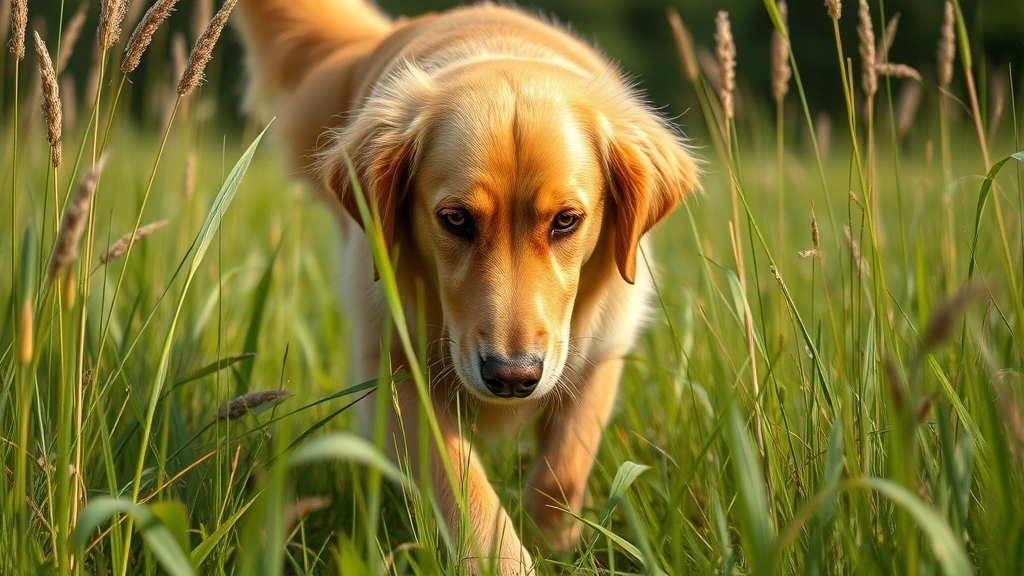
The primary function of whiskers is to help dogs navigate their environment by detecting minute changes in air currents and vibrations. When your dog walks through tall grass or enters a dark room, their whiskers send signals to their brain about the proximity of objects, helping them avoid obstacles and assess their surroundings. This sensory system is so important that dogs can actually sense objects without seeing them—a capability that’s especially valuable in low-light conditions.
Beyond navigation, whiskers also play a role in your dog’s emotional expression and social communication. You might notice your dog’s whiskers move forward when they’re curious or alert, and they may droop when your pup is feeling fearful or submissive. This is why trimming whiskers can actually affect your dog’s confidence and ability to communicate with other dogs.
The Whisker Growth Cycle
Like all hair on your dog’s body, whiskers follow a natural growth cycle. Understanding this cycle helps explain why whiskers will regrow and how long the process typically takes. The whisker growth cycle consists of three main phases: the anagen phase (active growth), the catagen phase (transition), and the telogen phase (resting).
During the anagen phase, whiskers actively grow from the follicle. This is when new cells are being produced and the whisker extends outward. This phase can last several months, and the length of this period varies depending on your dog’s breed, age, and overall health. Larger breeds typically have longer whiskers that take longer to grow, while smaller breeds may have shorter whiskers with quicker growth cycles.
The catagen phase is a brief transitional period where growth slows down and the follicle begins to shrink. This typically lasts only a couple of weeks. Finally, during the telogen phase, the whisker stops growing and remains in place until it eventually falls out naturally. The entire cycle can take anywhere from three to six months, though this varies significantly between individual dogs.
One interesting fact that relates to your dog’s overall health is understanding why your dog might have dandruff, as skin conditions can sometimes affect whisker quality and growth patterns. A healthy skin barrier is essential for robust whisker growth.
Will Dog Whiskers Grow Back?
The straightforward answer is yes—dog whiskers will grow back. If your dog loses a whisker or if one gets trimmed, you can expect it to regrow as part of the natural hair growth cycle. However, the timeline for regrowth is important to understand, and there are circumstances where regrowth might be delayed or compromised.
In most cases, a lost or trimmed whisker will begin regrowing within a few weeks. The exact timeline depends on where your dog is in the growth cycle when the whisker is lost. If the whisker is lost during the anagen phase, a new one will begin growing relatively quickly—sometimes within two to three weeks. However, if it’s lost during the telogen phase, there may be a slight delay before regrowth begins, as the follicle needs time to enter the active growth phase again.
According to veterinary dermatologists and the American Kennel Club, a completely regrown whisker typically takes between three to six months to reach its full original length. During this regrowth period, your dog’s sensory capabilities may be slightly reduced, which is why it’s important to be extra careful during this time, especially with dogs who spend a lot of time outdoors.
The regrowth process is completely natural and requires no special intervention from you. Unlike skin wounds or other injuries, whisker loss doesn’t require medical treatment unless there’s an underlying condition causing the hair loss. However, if your dog is losing multiple whiskers simultaneously or showing signs of pain or infection at the whisker follicles, that’s worth discussing with your veterinarian.
Common Causes of Whisker Loss
Understanding why whiskers fall out or get damaged can help you prevent unnecessary loss and keep your dog’s sensory system intact. There are several common causes of whisker loss, ranging from completely normal to concerning.
Natural Shedding: The most common reason for whisker loss is simply the natural growth cycle. As whiskers complete their telogen phase, they fall out to make room for new growth. This is completely normal and nothing to worry about. You might occasionally find a whisker on your dog’s bed or on the furniture.
Accidental Trimming: Many whiskers are lost during grooming sessions, either by professional groomers or well-meaning owners. This is one of the most preventable causes of whisker loss. If you’re following a dog grooming guide, make sure it specifically addresses whisker protection.
Trauma and Injury: Whiskers can be damaged from fights with other dogs, rough play, or accidents. If your dog plays roughly, they might get whiskers caught or bent. Burns, frostbite, or chemical exposure can also damage whiskers, though these are less common.
Skin Conditions: Allergies, infections, or dermatological issues can cause whisker loss. Conditions that affect the skin, such as skin tags or other growths, can sometimes impact whisker follicles. Similarly, if your dog has excessive paw licking habits, they might also be licking their face excessively, which can damage whiskers.
Stress and Overgrooming: Dogs under stress sometimes lick or chew their own fur, including whiskers. If your dog is anxious or bored, they might damage their own whiskers through nervous grooming behavior.
Nutritional Deficiencies: Poor nutrition can affect the quality and growth of all hair, including whiskers. Dogs lacking essential fatty acids, proteins, or certain vitamins may experience slower whisker regrowth or weaker whisker quality.
How to Protect Your Dog’s Whiskers
Since whiskers are so important for your dog’s sensory perception and comfort, taking steps to protect them is a crucial part of responsible pet ownership. Here are evidence-based strategies for keeping your dog’s whiskers safe and healthy.
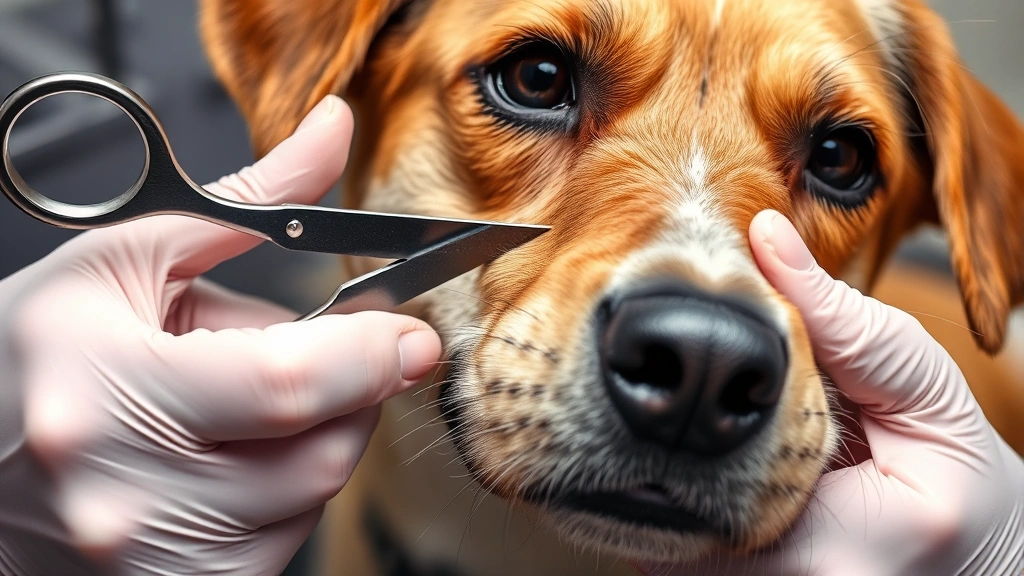
Avoid Trimming Whiskers: The golden rule is simple: never trim your dog’s whiskers. Unlike regular fur, whiskers serve a vital sensory function, and removing them can disorient your dog and reduce their ability to navigate safely. If you’re working with a professional groomer, explicitly tell them not to trim whiskers.
Protect from Environmental Hazards: Just as you might protect your dog from sunburn, you should also protect whiskers from excessive sun exposure, which can make them brittle. Additionally, keep your dog away from open flames, hot surfaces, and chemical exposures that could burn or damage whiskers.
Manage Allergies and Skin Conditions: Work with your veterinarian to identify and manage any allergies or skin conditions that might be causing excessive itching and grooming. If your dog has allergies, addressing them will improve overall coat health, including whisker quality.
Provide Adequate Nutrition: Feed your dog a high-quality diet rich in omega-3 and omega-6 fatty acids, which are essential for healthy skin and hair growth. Look for dog foods that include fish oil or flaxseed, as these support coat and whisker health. The ASPCA recommends discussing nutritional needs with your veterinarian to ensure your dog is getting optimal nutrition.
Reduce Stress: Provide your dog with adequate exercise, mental stimulation, and a calm environment. Dogs who are stressed or bored are more likely to engage in self-grooming behaviors that can damage whiskers.
Monitor Play Interactions: Supervise playtime with other dogs to prevent rough play that could damage whiskers. If your dog plays with toys, make sure they’re not snagging whiskers on anything.
Safe Grooming Practices
If you groom your dog at home or work with a professional groomer, understanding safe grooming practices is essential for protecting whiskers. Proper grooming can actually support whisker health by maintaining overall skin and coat quality.
Choose the Right Groomer: If you use a professional groomer, select someone who has experience and understands the importance of preserving whiskers. Ask potential groomers directly about their whisker policy before booking an appointment. Many quality groomers will specifically mention whisker preservation in their service descriptions.
Communicate Clearly: When dropping off your dog for grooming, make a point of telling the groomer not to trim whiskers. Put it in writing if possible, and don’t assume they know. Some groomers may trim whiskers out of habit or because they were trained to do so, so explicit communication is important.
Home Grooming Tips: If you groom your dog at home, use clippers and scissors carefully around the face. Avoid getting close to whiskers when trimming facial hair. Use a comb to gently brush through the whiskers rather than pulling or tugging on them.
Bathing Considerations: During baths, be gentle around the face and whiskers. Use lukewarm water and avoid spraying water directly into your dog’s face in a way that could damage whiskers. Pat the whiskers dry rather than rubbing them aggressively.
According to the American Academy of Veterinary Dermatology, maintaining healthy skin is fundamental to healthy whisker growth. This means using appropriate shampoos for your dog’s skin type and avoiding products that might irritate the skin around whisker follicles.
Frequently Asked Questions
How long does it take for dog whiskers to grow back completely?
A completely regrown whisker typically takes three to six months to reach its full original length. The exact timeline depends on your dog’s breed, age, health status, and where in the growth cycle the whisker was lost. Some whiskers may regrow faster than others, so you might notice uneven whisker lengths during the regrowth period.
Is it bad if my dog’s whisker fell out?
A single whisker falling out is completely normal and nothing to worry about. Whiskers naturally shed as part of their growth cycle. However, if your dog is losing multiple whiskers simultaneously, showing signs of infection, or displaying behavioral changes like increased anxiety, it’s worth consulting your veterinarian to rule out underlying health issues.
Can I trim my dog’s whiskers for aesthetic reasons?
It’s not recommended to trim your dog’s whiskers, even for appearance. Whiskers are essential sensory organs, not just decorative features. Trimming them can disorient your dog and reduce their ability to navigate safely, especially in low-light conditions. The temporary aesthetic improvement isn’t worth compromising your dog’s sensory capabilities.
What should I do if my dog’s whiskers are damaged or burned?
If your dog’s whiskers are burned or severely damaged, they will regrow naturally over time. During the regrowth period, be extra cautious with your dog in low-light environments or crowded spaces where their reduced sensory feedback might be a disadvantage. If there’s evidence of skin damage or infection at the whisker follicles, contact your veterinarian.
Do all dogs have whiskers?
Yes, all dogs have whiskers, though the length and prominence vary by breed. Some breeds have more prominent whiskers than others. Even short-haired breeds like Beagles have whiskers, though they might be less noticeable than on longer-haired breeds like Schnauzers or Terriers.
Can whisker loss indicate a health problem?
While occasional whisker loss is normal, excessive whisker loss can sometimes indicate underlying health issues such as allergies, hormonal imbalances, or skin infections. If your dog is losing whiskers along with other symptoms like excessive scratching, hair loss elsewhere, or behavioral changes, consult your veterinarian. Additionally, if you notice signs your dog has a fever along with whisker loss, seek veterinary attention promptly.
Should I use any special products to promote whisker growth?
The best approach to supporting whisker growth is maintaining overall health through proper nutrition, stress management, and addressing any skin conditions. There’s no special product needed specifically for whiskers—they’ll regrow naturally as part of the growth cycle. However, ensuring your dog gets adequate omega-3 fatty acids and overall good nutrition will support healthy whisker growth along with general coat health.
Why do groomers sometimes trim whiskers?
Some groomers trim whiskers out of habit or because they were trained to do so as part of a complete grooming package. However, this practice is increasingly recognized as unnecessary and potentially problematic. Modern grooming standards are shifting toward preserving whiskers. If your groomer trims whiskers without asking, consider finding a new groomer who respects this important sensory feature.





