

Xylitol poisoning in dogs is one of those sneaky household hazards that catches pet parents completely off guard—and honestly, it’s terrifying once you realize how common this sweetener has become. That innocent-looking sugar-free gum in your purse? Yeah, that could send your furry best friend to the emergency vet faster than you can say “artificial sweetener.” Let’s talk about what you need to know to keep your pup safe.
Table of Contents
- What the Heck is Xylitol Anyway?
- Warning Sign #1: Sudden Vomiting and Lethargy
- Warning Sign #2: Loss of Coordination and Tremors
- Warning Sign #3: Seizures (The Scariest Sign)
- Warning Sign #4: Jaundice and Abdominal Pain
- Warning Sign #5: Excessive Thirst and Urination
- How Much Xylitol is Actually Dangerous?
- Common Sources of Xylitol in Your Home
- What to Do If Your Dog Eats Xylitol
- Treatment and Recovery
- Frequently Asked Questions
- Final Thoughts: Stay Vigilant
What the Heck is Xylitol Anyway?
Xylitol is a sugar alcohol that’s become the darling of the health-conscious crowd. You’ll find it lurking in sugar-free gum, mints, peanut butter, baked goods, and even some protein bars. For humans, it’s basically a miracle ingredient—fewer calories, doesn’t spike blood sugar, and doesn’t destroy your teeth. For dogs? It’s basically kryptonite.
The problem is that dogs metabolize xylitol completely differently than we do. While our bodies handle it like no big deal, a dog’s pancreas goes into overdrive, releasing massive amounts of insulin. This causes a rapid, dangerous drop in blood sugar (hypoglycemia) that can happen within 10-30 minutes of ingestion. And if that wasn’t bad enough, xylitol can also cause liver damage that develops over time.
Warning Sign #1: Sudden Vomiting and Lethargy
The first clue that something’s wrong is usually your dog acting like they’ve been hit by a truck. We’re talking sudden vomiting, extreme weakness, and a general “I can’t be bothered to move” attitude. Your normally bouncy golden retriever suddenly looks like they’ve run a marathon—except they’ve been napping on the couch all day.
This lethargy happens because their blood sugar has tanked. Their body is literally running out of fuel. If you notice your pup throwing up and acting unusually tired, especially after you’ve left out snacks or forgotten about that pack of gum on the coffee table, don’t wait around. This is your cue to call the vet immediately. Check out our Pet Symptom Checker Online if you need help identifying other symptoms, but honestly, with xylitol poisoning, you’re better off erring on the side of caution.
Warning Sign #2: Loss of Coordination and Tremors
Ever seen a dog who looks like they’re drunk? Stumbling around, can’t quite figure out where their back legs are, maybe trembling a bit? That’s hypoglycemia in action, and it’s absolutely terrifying to watch. Your dog might struggle to stand up, walk in circles, or just seem generally confused about their own body.
These neurological symptoms happen because the brain needs glucose to function properly. When blood sugar drops too low, the brain doesn’t get what it needs, and suddenly your coordinated, graceful pup becomes a wobbly mess. The tremors are your dog’s nervous system essentially misfiring. This is a medical emergency, no question about it.
Warning Sign #3: Seizures (The Scariest Sign)
In the most severe cases of xylitol poisoning in dogs, you might witness seizures. We’re talking full-blown convulsions, loss of consciousness, paddling of the legs—the whole nightmare scenario. Seizures typically indicate that blood sugar has dropped to critically low levels, and your dog’s brain is literally shutting down.
If your dog has a seizure, you need emergency veterinary care NOW. Don’t try to put anything in their mouth, don’t panic (easier said than done, we know), and just focus on getting them to the nearest emergency vet clinic. Time is literally everything in these situations. Our Pet Emergency Telehealth service can help you connect with a vet immediately while you’re on your way, but nothing replaces in-person emergency care for seizures.
Warning Sign #4: Jaundice and Abdominal Pain
Here’s where xylitol toxicity gets even more complicated: the liver damage. If your dog has ingested a larger amount of xylitol, you might notice yellowing of the gums, eyes, or ears (jaundice). They might also seem to have belly pain—hunching over, whining when you touch their abdomen, or refusing to eat.
These symptoms develop over 24-72 hours as the liver starts failing. Xylitol causes hepatocellular necrosis, which is basically the liver cells dying off. This is why some dogs can seem okay initially, then suddenly crash. The delayed liver damage is particularly insidious because owners sometimes miss the connection between the xylitol exposure and these later symptoms.
Warning Sign #5: Excessive Thirst and Urination
Another sneaky symptom that might develop is increased drinking and urination. Your dog might be asking to go outside way more frequently than usual, or you might notice they’re chugging water like they’ve been in the desert. This can be related to both the acute hypoglycemic episode and the developing liver damage.
The excessive thirst and urination can also indicate that your dog’s body is trying to process the toxin and manage the metabolic chaos happening internally. It’s easy to miss this one if you’re not paying close attention, but combined with any of the other symptoms, it’s a red flag.
How Much Xylitol is Actually Dangerous?
Here’s the thing that keeps vets up at night: even small amounts can be dangerous. We’re talking about as little as 0.1 grams per kilogram of body weight causing hypoglycemia. For a 10-pound dog, that’s roughly the amount in a single piece of sugar-free gum. A 20-pound dog might be okay with a little more, but there’s no safe threshold—it’s all dose-dependent and varies by individual dog.
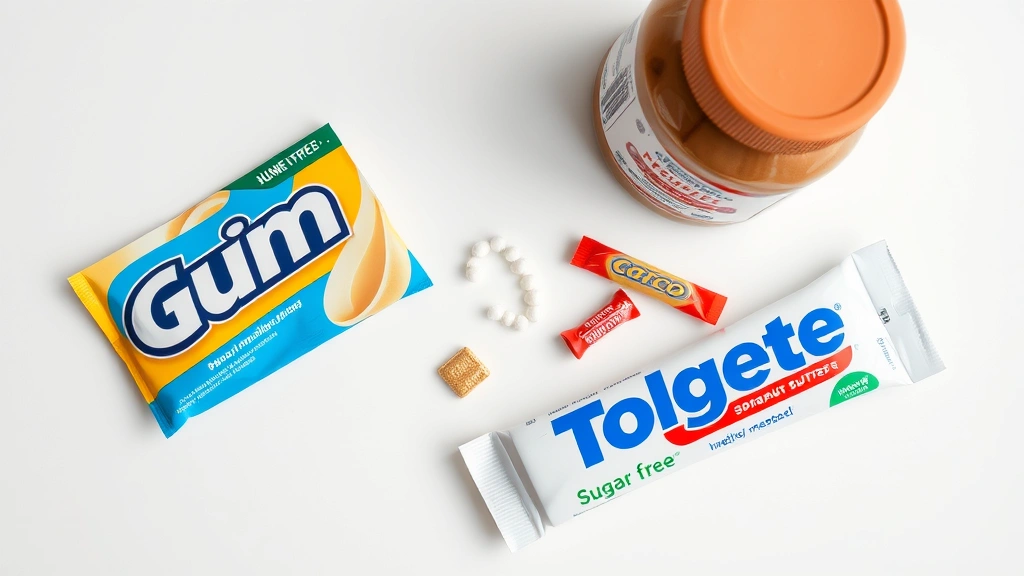
The scary part? You don’t always know how much xylitol is in a product. Some sugar-free peanut butters have it, some don’t. Some gums have tons of it, others less so. Always check the ingredient label, and if xylitol is listed, assume it’s dangerous for your dog. Better to be paranoid than to have a poisoned pup.
Common Sources of Xylitol in Your Home
Let’s do a household inventory of xylitol danger zones. Sugar-free gum is the obvious culprit, but don’t sleep on these sneaky sources:
Peanut Butter: Some brands (especially “healthy” or “low-sugar” versions) contain xylitol. Always read the label before giving your dog that peanut butter treat. If you’re curious about portion sizes, our Pet Portion Control guide can help you understand safe treat amounts.
Baked Goods: Sugar-free cookies, brownies, and cakes often contain xylitol as a sweetener.
Candy and Mints: Basically any sugar-free candy is suspect. Keep these in a secure location where your dog can’t access them.
Supplements and Medications: Some over-the-counter pet supplements and even human medications use xylitol as a sweetener. Check out our Over the Counter Pet Supplements article for more information on what to look for.
Toothpaste: Some human toothpastes contain xylitol. Don’t let your dog lick your toothbrush or swallow toothpaste.
Chewable Vitamins: Even some pet-specific supplements have added xylitol for flavor.
What to Do If Your Dog Eats Xylitol
First, don’t panic (I know, I know). Here’s your action plan:
Step 1: Identify the Product – Figure out exactly what your dog ate and how much. Read the label to confirm xylitol is actually in there. Sometimes we freak out over nothing.
Step 2: Calculate the Dose – Do some quick math. How much does your dog weigh? How much xylitol was in the product? If you ate half the package and your dog ate the other half, you need to figure out their actual exposure.
Step 3: Call Your Vet or Poison Control – Don’t wait for symptoms to appear. The ASPCA Animal Poison Control Center is available 24/7 at (888) 426-4435. They can tell you whether you need emergency care based on your dog’s weight and the amount ingested.
Step 4: Seek Emergency Care if Needed – If your dog ingested a significant amount, head to the emergency vet immediately. They can administer IV dextrose to raise blood sugar and monitor liver function.

Treatment and Recovery
If your dog does get poisoned, the vet will likely start with blood work to check glucose and liver enzymes. If blood sugar is dangerously low, they’ll give IV dextrose immediately. Your dog might need to stay for observation and continued IV support.
For liver damage, treatment is more supportive—fluids, monitoring, and time. Some dogs recover completely, while others might have lasting liver issues. It all depends on how much xylitol they ingested and how quickly they got treatment.
Recovery time varies. Acute hypoglycemia can improve within hours of treatment. Liver damage takes longer to assess and heal, sometimes weeks or months.
Frequently Asked Questions
Can a small amount of xylitol hurt my dog?
Yes. Even 0.1 grams per kilogram of body weight can cause hypoglycemia. A single piece of sugar-free gum might be enough to poison a small dog. There’s no truly “safe” amount—it’s all about dose and individual sensitivity.
How quickly do symptoms appear?
Hypoglycemic symptoms can appear within 10-30 minutes of ingestion. Liver damage symptoms develop over 24-72 hours. This is why some dogs seem fine initially, then crash later.
Is xylitol poisoning always fatal?
No, but it can be if left untreated. With prompt veterinary care, many dogs recover. The key is getting treatment quickly before severe liver damage occurs.
What if my dog ate xylitol but shows no symptoms?
Call your vet or poison control anyway. Just because your dog isn’t showing symptoms yet doesn’t mean they’re safe. Early intervention can prevent serious complications. This is exactly what our Pet Emergency Telehealth service is designed for.
How can I prevent xylitol poisoning?
Read all ingredient labels on human food before sharing with your dog. Store gum, candy, and sugar-free products in secure locations. Educate family members and guests about the danger. When in doubt, assume a product contains xylitol and keep it away from your dog.
Are some dog breeds more susceptible?
No. All dogs are equally vulnerable to xylitol poisoning regardless of breed, age, or size. Small dogs just need less xylitol to reach a toxic dose.
Final Thoughts: Stay Vigilant
Xylitol poisoning in dogs is preventable. It’s not about being a helicopter pet parent or living in constant fear—it’s just about being aware and reading labels. The vast majority of dogs never encounter xylitol because their owners know what to look for and take simple precautions.
Keep xylitol-containing products secured, educate your family, and don’t hesitate to call the vet if you suspect exposure. Your dog depends on you to keep them safe from the stuff that’s supposed to be “healthy” for humans but is basically poison for them. That’s the weird reality of pet ownership, but it’s also why you’re the best thing that ever happened to your furry friend.
Stay safe out there, and keep those pups away from the sugar-free aisle.





