
Let’s be honest—cuteness is subjective, but some dog breeds are objectively designed to make your heart melt. Whether you’re scrolling through social media or walking through your neighborhood, certain cutest dog breeds stop people in their tracks. The question isn’t whether these pups are adorable (they absolutely are), but whether you’re ready for the reality behind those puppy-dog eyes.
After years working with dogs in veterinary clinics, I’ve seen firsthand how breed popularity spikes after a cute dog goes viral. What people don’t always realize is that the cutest dog breeds often come with specific care needs, health challenges, and personality quirks that go beyond their Instagram-worthy appearance. This guide breaks down the actual cutest dog breeds—not just the ones with the best filters—and what it really means to bring one home.
What Makes a Dog Breed Cute?
Cuteness isn’t random. Evolutionary biologists call it “neoteny”—the retention of juvenile features into adulthood. Big eyes, floppy ears, round faces, and small stature trigger our protective instincts. It’s the same reason we find human babies cute. Dog breeders have weaponized this over centuries, selectively breeding for exaggerated features that make certain cutest dog breeds irresistible.
But here’s the real talk: those features that make a breed cute often come at a cost. A Pug’s adorable flat face? That’s brachycephalic, which means breathing problems. A Dachshund’s short legs? Spinal issues are common. Understanding this trade-off is crucial before falling for looks alone.
The cutest dog breeds typically fall into a few categories: toy breeds (under 10 pounds), fluffy breeds with soft coats, wrinkly or squishy-faced breeds, and breeds with distinctive features like floppy ears or curly tails. Each category has its own charm—and its own challenges.
Pro Tip: When evaluating cutest dog breeds, look beyond photos. Research breed-specific health issues, exercise needs, and temperament. Cuteness fades if you’re constantly at the vet or dealing with behavioral problems.
Top 8 Cutest Dog Breeds
These aren’t ranked by any official cuteness meter (though I wish that existed). Instead, they’re ranked by how often I see them in my clinic, how frequently they appear in rescue requests, and how much their owners gush about them. These are the cutest dog breeds that consistently make people stop and ask “Can I pet your dog?”
- French Bulldog: Bat ears, wrinkly face, compact body. They’re like living cartoons. Problem? Breathing issues and heat sensitivity are real concerns.
- Cavalier King Charles Spaniel: Silky ears, gentle eyes, sweet temperament. Heart disease is unfortunately common in the breed.
- Dachshund: That sausage body and short legs are undeniably cute. Back problems (IVDD) affect many as they age.
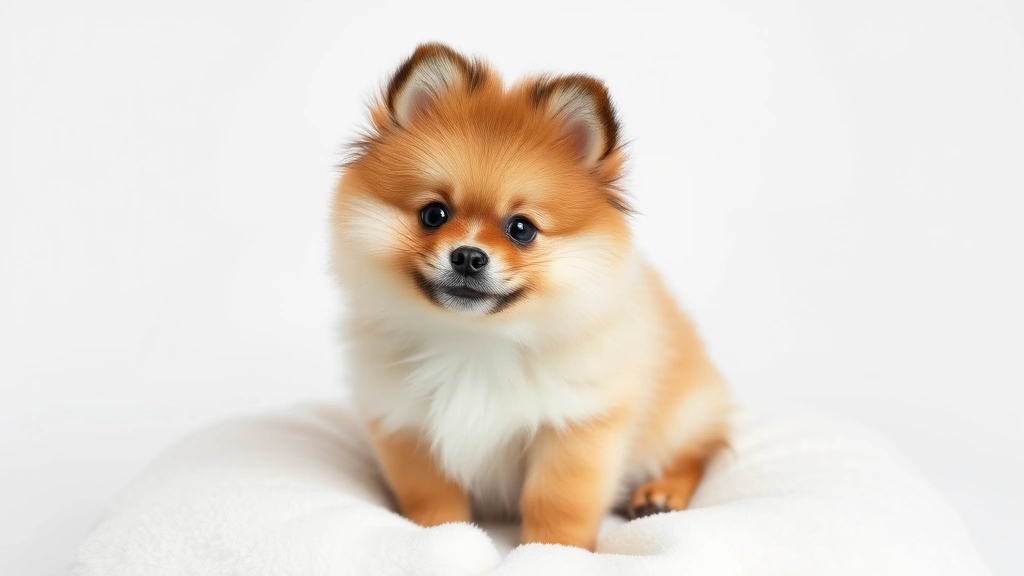
- Pomeranian: Fluffy cloud with personality for days. Dental issues and patellar luxation are breed concerns.
- Shih Tzu: Teddy bear appearance, loyal companion. Grooming is non-negotiable and expensive.
- Pug: Wrinkly, snorty, and full of character. Respiratory and eye problems are prevalent.
- Golden Retriever: Okay, they’re bigger, but those soft eyes and gentle nature make them universally adorable. Hip dysplasia and cancer are serious health risks.
- Corgi: Short legs, fox-like face, and that fluffy butt. Back issues and obesity are common problems.
According to the American Kennel Club, French Bulldogs and Dachshunds consistently rank in the top 5 most popular breeds, largely due to their cuteness factor. Popularity doesn’t equal health, though.
Toy Breeds: Pocket-Sized Cuteness
Toy breeds are the ultimate cutest dog breeds for people who want a dog that fits in a purse. We’re talking Chihuahuas, Maltese, Toy Poodles, and Yorkshire Terriers. They’re portable, require less food, and their cuteness-to-size ratio is off the charts.
Here’s what makes them special:
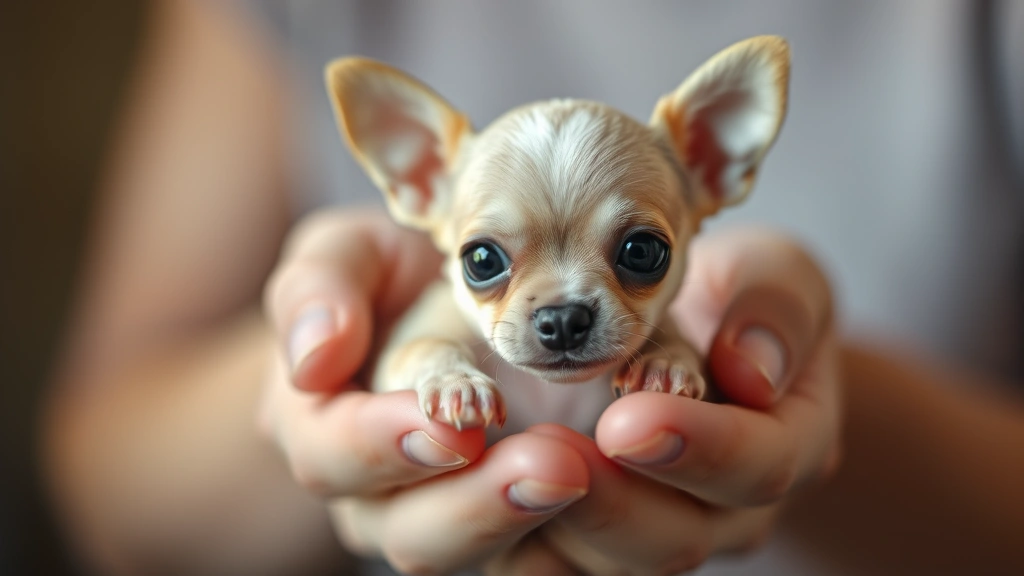
- Chihuahua: The smallest recognized breed. Big eyes, delicate frame, and surprising attitude. They think they’re Dobermans. Hypoglycemia and dental disease are common.
- Maltese: Pure white, silky coat. They’re basically clouds with eyes. Grooming is intensive and expensive.
- Toy Poodle: Intelligent, hypoallergenic (mostly), and genuinely cute. They need regular grooming and mental stimulation or they become destructive.
- Yorkshire Terrier: Tiny with a big personality. Their long, silky coat requires serious maintenance.
The downside of toy breeds? They’re fragile. A fall from the couch can cause serious injury. Kids often don’t understand how delicate they are. They’re also prone to anxiety and can have big dog attitudes in tiny bodies, leading to aggression if not properly socialized.
That said, toy breeds are perfect for apartment living and seniors who want a low-energy companion. Just understand that “small” doesn’t mean “low-maintenance.”
Fluffy Breeds That Melt Hearts
If you love the cutest dog breeds with maximum fluffiness, this section is for you. There’s something irresistible about a dog that looks like a walking cloud.
Pomeranian: These are basically fluffy lions. Despite their size (3-7 pounds), they’re confident and vocal. They shed like it’s their job. Your house will be covered in fluff, and you’ll need to brush them several times a week.
Samoyed: Bigger than Pomeranians but equally fluffy. They’re called “smiling Sammies” because of their expression. They’re social, friendly, and absolutely gorgeous. They also shed enough to knit a second dog. Seriously.
Chow Chow: That lion mane is stunning. They’re aloof, independent, and require experienced owners. They’re not as universally friendly as other fluffy breeds.
Old English Sheepdog: Those big, fluffy bodies and gentle eyes make them seem like stuffed animals. They need space, exercise, and grooming. A lot of grooming.
Fluffy breeds require serious grooming commitments. I’m talking 1-2 hours per week minimum, plus professional grooming every 6-8 weeks. If you’re not prepared for that, a fluffy breed will become matted and uncomfortable. It’s not cute; it’s neglect.
According to PetMD, grooming isn’t just aesthetic—it prevents skin infections, allows you to check for lumps or parasites, and keeps your dog comfortable.
Wrinkly and Squishy: Unique Cute Breeds
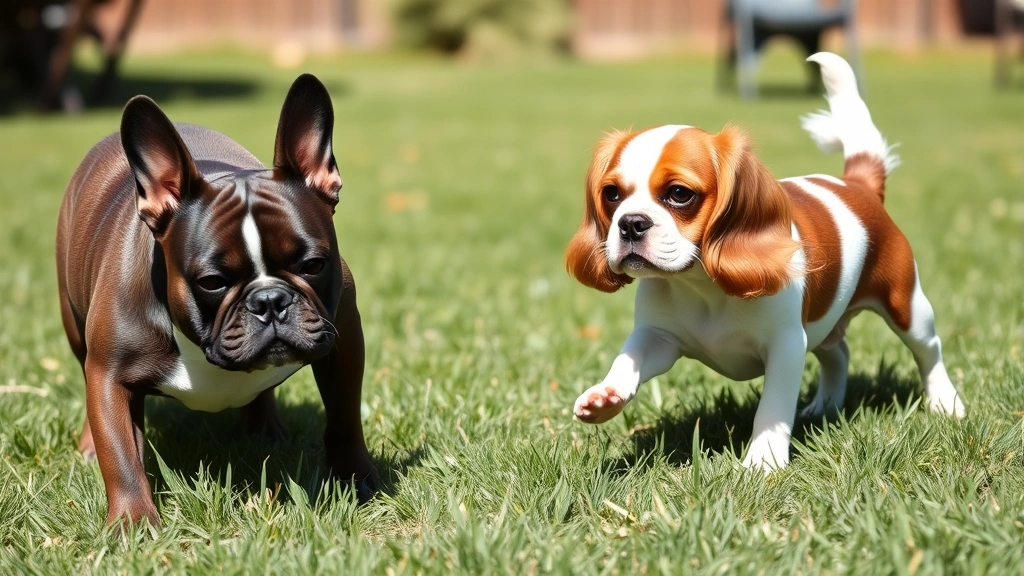
Some of the cutest dog breeds have faces that look like they’ve been gently squished. These wrinkly, squishy-faced dogs have massive fan bases, but they come with specific health challenges.
Pug: The poster child for wrinkly cuteness. Those big eyes, that curled tail, that snorty breathing—it’s all adorable until you realize they can barely breathe. Pugs are brachycephalic, meaning their airways are compressed. They overheat easily, snore loudly, and often need surgery to breathe better. They’re also prone to eye problems because their eyes bulge slightly.
French Bulldog: Similar issues to Pugs but in a slightly larger package. They’re muscular, funny, and genuinely entertaining. They also have significant breathing challenges and are prone to spine issues.
Bulldog: The original wrinkly breed. English Bulldogs are sweet, stubborn, and often require expensive surgeries just to function normally. Their wrinkles trap moisture and bacteria, leading to skin infections. They can’t regulate temperature well and shouldn’t be exercised in heat.
Shar-Pei: Those wrinkles are iconic but problematic. Skin infections are constant issues. Their wrinkles need to be cleaned regularly to prevent bacterial and yeast growth.
I need to be direct here: wrinkly breeds have been bred to the point where they suffer. Many veterinarians and animal welfare organizations are pushing back against breeding these dogs. If you love the cutest dog breeds with wrinkly faces, consider a mixed breed or a breed with fewer extreme features. Or, if you do choose one, commit to the extra vet care and monitoring they require.
Small Breeds with Big Personalities
Some cutest dog breeds aren’t just small—they’re small with attitude. These breeds punch above their weight class in terms of personality.
Dachshund: Those short legs and long bodies are undeniably cute, but Dachshunds are hunters. They were bred to go into badger holes (“dachs” is German for badger). They’re independent, stubborn, and often dig holes in your yard or couch. They’re also prone to intervertebral disc disease (IVDD) because of their long spine. If you lift them incorrectly or they jump off furniture wrong, spinal injury can result.
Shih Tzu: Bred to be companions for Chinese royalty, these dogs think they ARE royalty. They’re affectionate, playful, and absolutely adorable. Their long coat requires serious grooming. Many owners keep them in a “puppy cut” (short all over) to make maintenance easier.
Beagle: These hound dogs are cute with their floppy ears and soulful eyes, but they’re also stubborn and driven by their nose. They’ll follow a scent right out of your yard. They’re prone to obesity because they’re food-motivated and beg effectively.
Corgi: Short legs, fluffy butt, and fox-like face. Corgis are smart, active, and surprisingly athletic. They need exercise and mental stimulation. They’re also prone to back problems because of their long spine relative to their short legs.
These breeds are cute, but they require owners who understand their original purpose and personality. A Dachshund isn’t just a cute lapdog; it’s a hunter. A Beagle isn’t just a companion; it’s a nose-driven escape artist. Understanding breed temperament is as important as understanding breed health.
The Health Reality of Cutest Dog Breeds
This is where I have to put on my veterinary hat and be real with you. Many of the cutest dog breeds have been bred for appearance at the expense of health. It’s not cute when you’re paying $5,000 for a surgery your dog shouldn’t have needed in the first place.
Brachycephalic Breeds (Flat-Faced): Pugs, French Bulldogs, Bulldogs, and Shih Tzus have compressed airways. This causes:
- Difficulty breathing, especially in heat or during exercise
- Sleep apnea
- Overheating (they can’t cool themselves through panting)
- Snoring and snorting (cute until it’s a sign of respiratory distress)
- Eye problems (their eyes are more prominent)
Small Breed Issues: Toy breeds and small breeds are prone to:
- Patellar luxation (knee issues)
- Hypoglycemia (especially Chihuahuas)
- Dental disease (small mouths, crowded teeth)
- Heart problems (common in Cavaliers and Pomeranians)
- Tracheal collapse (their windpipe weakens)
Long-Backed Breeds: Dachshunds and Corgis are prone to intervertebral disc disease (IVDD), which can cause pain, paralysis, or even death. Avoid letting them jump on and off furniture. Use ramps or steps.
According to research from Cornell University College of Veterinary Medicine, brachycephalic breeds have significantly higher rates of respiratory disease, heat stroke, and other complications compared to breeds with normal muzzle lengths.
The ethical question is real: Should we continue breeding dogs specifically for extreme features that cause suffering? Many veterinarians say no. If you’re buying a puppy, look for breeders who prioritize health over appearance. Better yet, adopt from a rescue. Rescue dogs are often just as cute and usually healthier.
Choosing Your Cutest Match
Okay, so you’ve read about all the cutest dog breeds, and you’re ready to bring one home. Here’s how to make the right choice:
Step 1: Assess Your Lifestyle
- Do you live in an apartment or a house with a yard?
- How much time can you dedicate to grooming?
- Can you handle a high-energy breed or do you prefer a couch potato?
- Do you have kids? (Some breeds are better with children than others.)
- How much are you willing to spend on vet care?
Step 2: Research Health Issues
Every breed has health predispositions. Visit the Orthopedic Foundation for Animals (OFA) to see health screening recommendations for your breed of choice. Ask breeders for health testing results on parents. If they won’t provide them, walk away.
Step 3: Consider Adoption
Rescue dogs are often just as cute as purebreds, and they’re often healthier because they’re mixed breeds. Plus, you’re saving a life. Check local shelters or breed-specific rescues. You might find your perfect cutest dog breed match without supporting problematic breeding practices.
Step 4: Find a Good Vet
Before you bring your pup home, find a veterinarian you trust. Many of the cutest dog breeds require regular monitoring and preventive care. A good vet will help you catch problems early.
Step 5: Budget Accordingly
Cute breeds often come with higher vet bills. Budget for:
- Regular wellness exams (at least annual, more often as they age)
- Preventive care (vaccines, parasite prevention)
- Grooming (especially for fluffy or long-haired breeds)
- Potential breed-specific health issues
- Emergency care (always have a backup fund)
Honestly, if you can’t afford potential health issues, reconsider the breed. It’s not fair to your future dog.
You might also want to explore how dogs like being pet and understand their body language better. Understanding why dogs have wet noses and other breed-specific behaviors helps you bond with your pup. And if you’re curious about broader dog behavior, check out why dogs like sticks—it’s often breed-driven!
Frequently Asked Questions
What is the absolute cutest dog breed?
– That depends on what makes your heart melt. French Bulldogs, Cavalier King Charles Spaniels, and Dachshunds consistently top “cutest” lists, but cuteness is subjective. A rescue mixed breed can be just as adorable as a purebred.
Are cutest dog breeds more expensive?
– Yes, generally. Popular breeds command higher prices from breeders. Puppies from reputable breeders can cost $1,500-$5,000+. However, adoption from rescues is typically $50-$300. Long-term, cute breeds with health issues often cost more in vet bills.
Do cutest dog breeds have more health problems?
– Many do, yes. Breeds selected for extreme features (flat faces, short legs, small size) often have health challenges. This doesn’t mean all individuals will have problems, but the risk is higher. Health testing and responsible breeding matter.
Can I find cutest dog breeds in shelters?
– Absolutely. Shelters and breed-specific rescues have purebreds and mixes. You might find a French Bulldog, Pug, or Dachshund waiting for a home. Adoption is often cheaper and supports important work.
Which cutest dog breeds are best for families with kids?
– Cavalier King Charles Spaniels, Golden Retrievers, Beagles, and Corgis are generally good with children. Avoid very small breeds like Chihuahuas if you have young kids who might accidentally hurt them. Always supervise interactions.
How do I find a responsible breeder for cutest dog breeds?
– Ask for health testing results, meet the parents, visit the facility, and ask questions. Responsible breeders want their dogs to go to good homes and will ask you questions too. They should offer a health guarantee and be available for questions after purchase.
What’s the difference between cutest dog breeds and healthiest dog breeds?
– The healthiest breeds are usually mixed breeds or breeds without extreme features. Breeds like Beagles, Poodles, and Australian Shepherds tend to have fewer genetic health issues. The cutest breeds often have features that compromise health.
Are cutest dog breeds good for first-time dog owners?
– It depends on the breed. Cavaliers and Golden Retrievers are forgiving and trainable. French Bulldogs and Pugs require less exercise but need climate control and vet monitoring. Dachshunds and Corgis need experienced owners who understand their independent streaks.





