
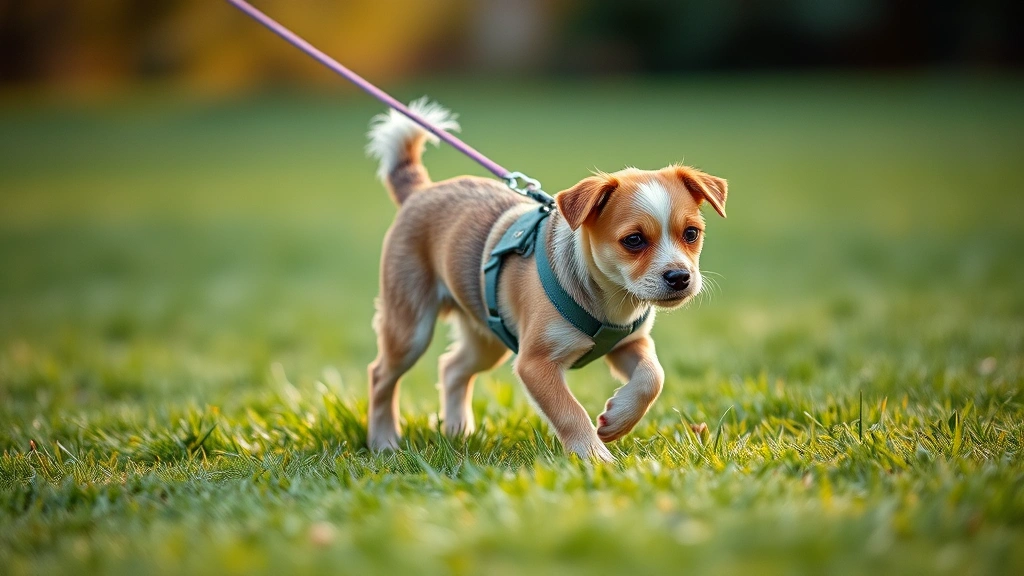
Should you walk a dog with luxating patella? The short answer is yes, but with serious caveats and modifications. Luxating patella—where the kneecap slides out of its groove—is one of the most common orthopedic issues in dogs, especially small breeds. But here’s the thing: ignoring exercise entirely can actually make it worse. Let’s dive into what you really need to know about keeping your pup moving safely.
Table of Contents
- What Exactly Is Luxating Patella Anyway?
- The Exercise Paradox: Movement Matters
- Walking Your Dog with Luxating Patella: The Modified Approach
- Best Exercises for Dogs with Patellar Luxation
- Weight Management: The Invisible Pressure
- When Surgery Becomes the Answer
- Supplements and Medical Management
- The Mental Health Component: Keeping Your Dog Happy
- Climate Considerations and Exercise Timing
- Monitoring and Regular Vet Check-ups
- Frequently Asked Questions
- Summary: Your Action Plan
What Exactly Is Luxating Patella Anyway?
Luxating patella is basically a fancy vet term for a kneecap that doesn’t stay put. Imagine your dog’s kneecap popping in and out of its socket like some kind of orthopedic party trick—except it’s not fun for them. The patella (kneecap) is supposed to glide smoothly in a groove called the trochlea. When things go sideways, that groove is too shallow, too wide, or the ligaments holding everything together are too loose.
There are four grades of severity, ranging from Grade 1 (occasional slipping, barely noticeable) to Grade 4 (constant dislocation, permanent damage). Your vet will determine which grade your dog has, and that diagnosis should heavily influence your exercise plan. A Grade 1 dog can handle way more activity than a Grade 4 pup limping around like they’ve got a bum knee from their glory days as a college athlete.
The Exercise Paradox: Movement Matters
Here’s where it gets counterintuitive. Your instinct might be to wrap your dog in bubble wrap and keep them on the couch. Don’t. Muscle atrophy is real, and a weak dog is a dog whose knees get worse. The muscles around the knee—particularly the quadriceps—provide crucial support and stability. When your dog stops moving, those muscles shrink, the joint gets less support, and boom: more luxations.

Think of it like this: would you tell a human with a bad knee to never move? No. You’d tell them to do specific, controlled exercises. Dogs aren’t that different. The goal is to keep them moving in ways that strengthen rather than stress the joint. Low-impact, controlled activity is your new best friend.
Walking Your Dog with Luxating Patella: The Modified Approach
Walking is still absolutely on the table, but you’ll need to adjust. Short, frequent walks beat long, intense ones every single time. Aim for multiple 10-15 minute walks daily rather than one 45-minute adventure. This keeps the muscles engaged without overloading the joint.
Surface matters too. Soft surfaces like grass, dirt trails, or sand are infinitely better than concrete or hardwood floors. Slippery surfaces are the enemy—they force your dog to compensate awkwardly, which can trigger luxations. If your dog is sliding across your kitchen tile like they’re on an ice rink, that’s a problem. Consider rugs or non-slip mats in high-traffic areas.

Watch for signs of discomfort during walks. Limping, reluctance to put weight on the leg, or that classic “bunny hop” where they skip on a back leg means it’s time to head home. Your dog won’t tell you they’re hurting—they’ll just show you. Learn to read those signals.
Best Exercises for Dogs with Patellar Luxation
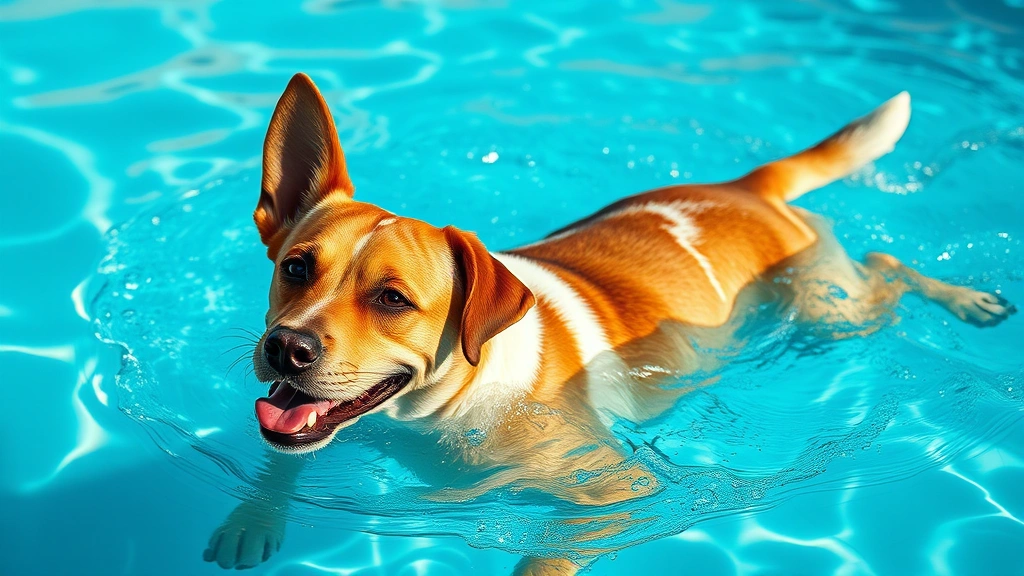
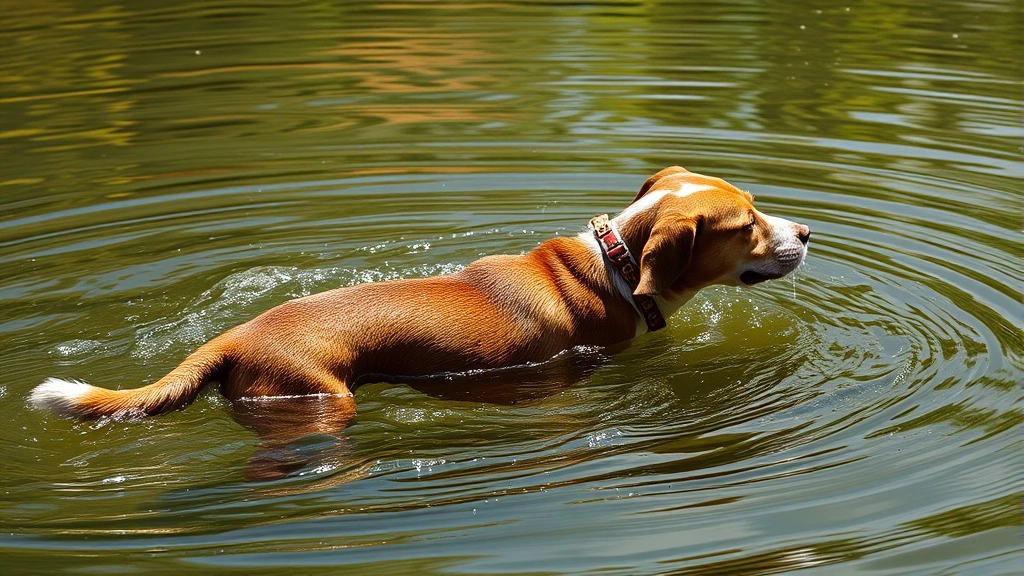
Swimming is the gold standard. Water supports the joint while building muscle without impact stress. If you have access to a pool or dog-friendly swimming area, this is your MVP exercise. Even 10-15 minutes of swimming provides the benefits of a much longer walk.
Controlled leash walks on soft ground come next. Keep them slow and steady. No sprinting, no sudden direction changes, no jumping. Boring is good. Boring is safe.
Cavaletti rails (low poles to step over) can be helpful for proprioception and muscle building, but only under professional guidance. Your vet or a certified canine rehabilitation therapist can set these up properly.
Avoid fetch, jumping, climbing stairs excessively, and any activities that involve sudden directional changes or explosive movements. Your dog might beg for these activities, but they’re literally asking you to hurt them. Be the adult in this situation.
Weight Management: The Invisible Pressure
Every extra pound your dog carries is additional pressure on those compromised knees. If your dog is overweight, weight loss should be priority number one. A low maintenance dog with a healthy weight is way more manageable than a chunky pup with joint issues.
Talk to your vet about appropriate calorie intake. Sometimes it’s not about feeding less—it’s about feeding smarter. High-protein, lower-calorie diets help maintain muscle while reducing fat. Your dog can be happy and lean at the same time.
When Surgery Becomes the Answer
Not every dog needs surgery, but some do. If your dog has Grade 3 or 4 luxation, is in constant pain, or conservative management isn’t cutting it, surgical intervention might be necessary. There are several procedures available, from tibial tuberosity transposition to groove deepening. Your vet will recommend the best approach based on your dog’s specific situation.
Surgery isn’t a magic fix—post-op rehabilitation is crucial. But for dogs with severe luxation, it can be life-changing. This is a conversation worth having with your vet, especially if your pup isn’t improving with exercise modification and weight management.

Supplements and Medical Management
While you’re managing exercise, your vet might recommend supplements like glucosamine, chondroitin, or omega-3 fatty acids. These can help reduce inflammation and support joint health. They’re not cure-alls, but they’re solid additions to your treatment plan.
Some vets prescribe NSAIDs (non-steroidal anti-inflammatory drugs) for pain and inflammation. These can help your dog move more comfortably, which paradoxically enables better exercise. Just monitor for side effects and follow dosing instructions religiously.
The Mental Health Component: Keeping Your Dog Happy
All this talk about exercise modification might make you think your dog’s life is over. It’s not. Is my dog happy even with restrictions? Absolutely, if you’re smart about it. Mental stimulation matters as much as physical exercise.
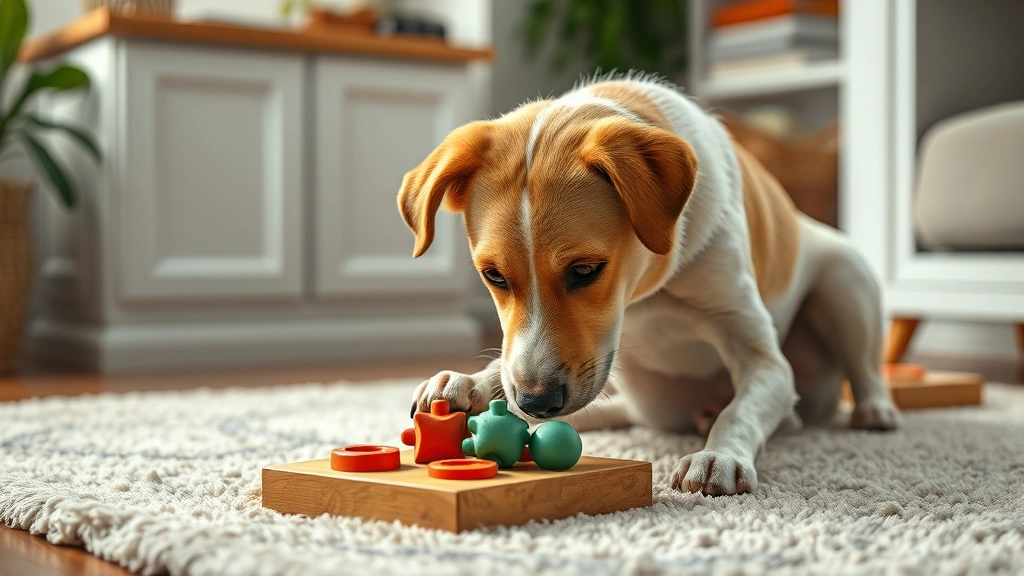
Puzzle toys, sniff games, training sessions, and indoor enrichment activities tire out your dog’s brain without stressing their knees. A mentally stimulated dog is often a happier dog than one doing endless sprints anyway. Use this as an opportunity to bond through training and play that doesn’t involve high-impact activities.
Climate Considerations and Exercise Timing
Just like with any dog, timing matters. Is it too hot to walk my dog becomes even more relevant with luxating patella. Heat can increase inflammation in joints. Exercise during cooler parts of the day—early morning or evening—when your dog is less likely to overexert themselves.
Cold weather can also increase stiffness in affected joints. Some dogs with luxation move better after a warm-up period. A short indoor walk before heading outside can help.

Monitoring and Regular Vet Check-ups
Your vet should see your dog every 3-6 months to assess how they’re doing. Keep detailed notes about your dog’s mobility, any limping episodes, and how they respond to your exercise modifications. This information is gold for your vet in determining if your current plan is working or needs adjustment.
Don’t be shy about asking questions. Your vet should explain your dog’s specific grade of luxation, what that means for long-term prognosis, and whether surgery is something to consider down the road. If your vet dismisses your concerns or doesn’t take the issue seriously, get a second opinion.
Frequently Asked Questions
Can a dog with luxating patella live a normal life?
Yes, many dogs with mild to moderate luxation live completely normal lives with proper management. Exercise modification, weight control, and sometimes supplements are enough. Severe cases might need surgery, but even then, most dogs do great post-recovery.

Is walking bad for dogs with luxating patella?
Walking itself isn’t bad—it’s how you walk that matters. Short, controlled walks on soft surfaces are beneficial. Long walks on hard surfaces or high-impact activities can be problematic.
Should I restrict my dog’s activity completely?
No. Complete restriction leads to muscle atrophy and actually worsens the condition. The goal is controlled, appropriate activity that strengthens supporting muscles without stressing the joint.
What’s the difference between Grade 1 and Grade 4 luxating patella?
Grade 1 is occasional, intermittent slipping that the dog often self-corrects. Grade 4 is constant dislocation with permanent damage and significant lameness. Your dog’s grade determines what activities are safe.
Can supplements cure luxating patella?
No, but they can help manage pain and inflammation. Combined with exercise, weight management, and possibly surgery, they’re part of a comprehensive approach—not a standalone solution.
Is surgery always necessary?
Not for every dog. Many with Grade 1-2 luxation do fine with conservative management. Grade 3-4 cases often benefit from surgery, especially if the dog is in pain or not improving.
How long does recovery take after patellar luxation surgery?
Typically 8-12 weeks for initial healing, but full recovery and return to normal activity can take 4-6 months. Your vet will provide specific post-op instructions.
Summary: Your Action Plan
Walking a dog with luxating patella is absolutely possible and often necessary. The key is modifying how, when, and where you exercise your pup. Short walks on soft surfaces, weight management, mental stimulation, and regular vet check-ups form the foundation of good care. Some dogs need surgery, others don’t—your vet will guide that decision.
Remember: your dog isn’t broken. They’re just dealing with a common orthopedic issue that millions of dogs manage successfully every day. With the right approach, your pup can live a happy, active life despite their wonky kneecap. Stay consistent, monitor progress, and don’t hesitate to adjust your plan as needed. Your dog is counting on you to be their advocate.





