
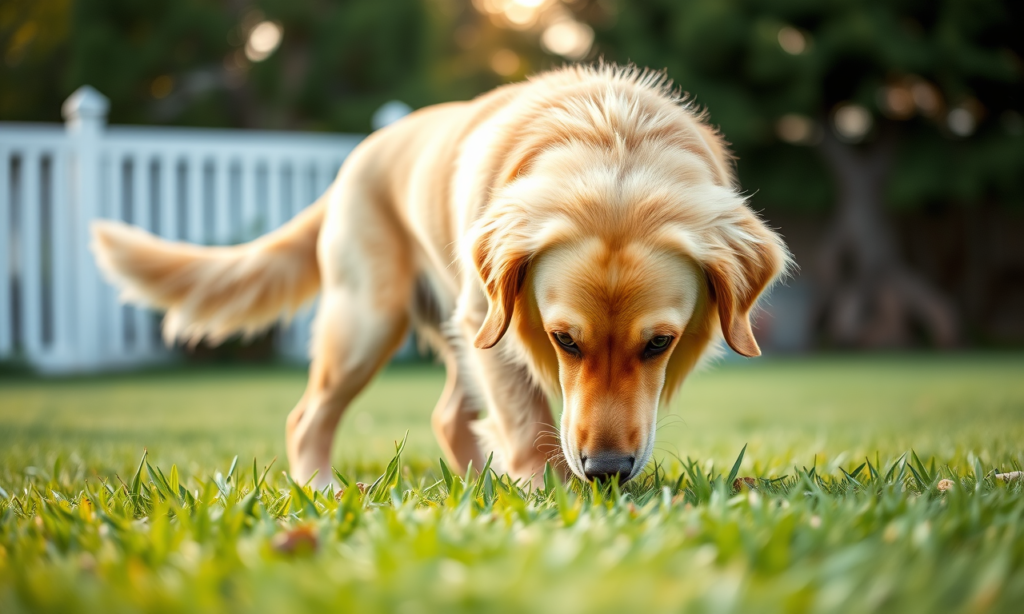
Few moments in dog ownership are as deflating as watching your perfect, fluffy, well-fed companion casually lean down and… eat a poop. If you’ve found yourself shouting “DROP IT” across the yard, you’ve come face to face with one of the most common and most-asked questions in dog behavior: why is my dog eating poop?
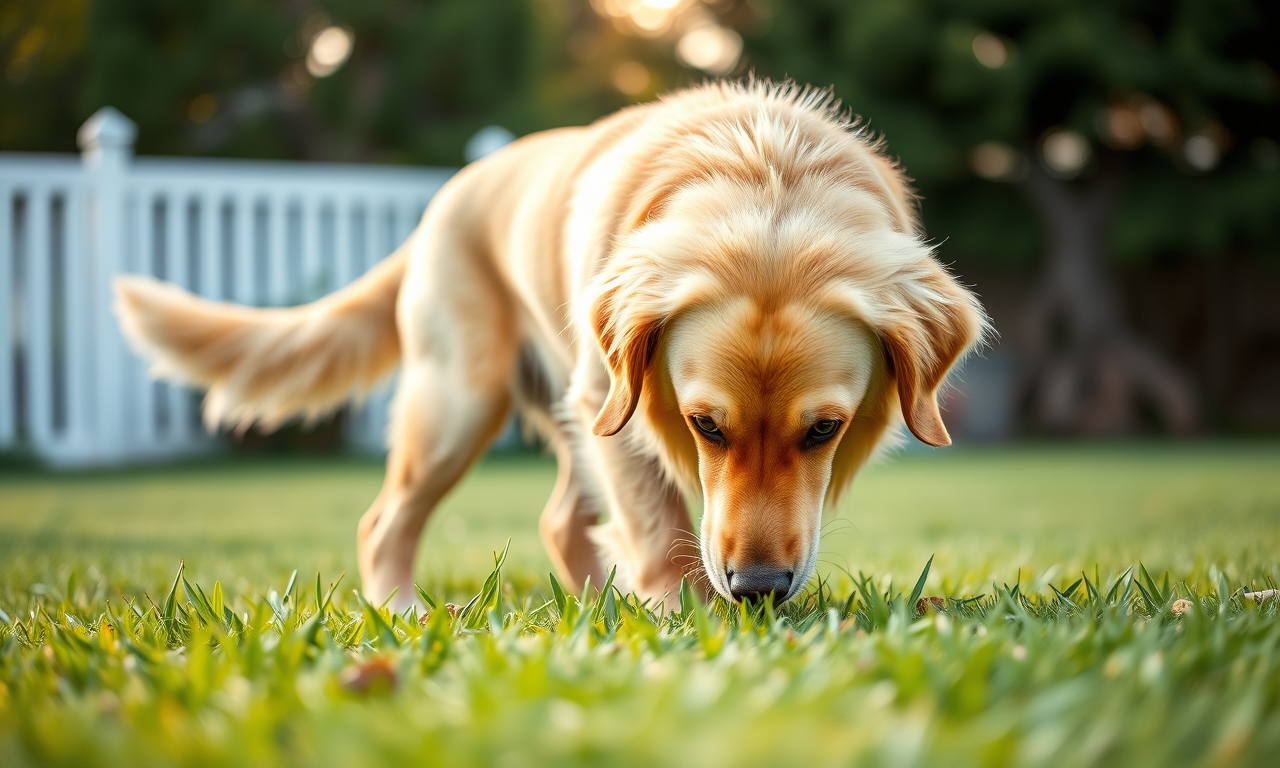
The clinical name is coprophagia, and despite how horrifying it feels, it’s usually fixable. Why is my dog eating poop is the question; this guide walks through every reason it happens — medical, behavioral, and dietary — plus what actually works to stop it. We’ve cleaned up enough yards to know this isn’t a small minority of dogs; it’s closer to one in four.
How Common Is Dog Poop Eating?
According to a frequently cited American Kennel Club survey of pet owners, roughly 24% of dogs have eaten poop at least once, and around 16% are considered “regular” stool eaters. So if you’re asking why is my dog eating poop why is my dog eating poop, you’re not alone — and your dog isn’t broken.
What matters is figuring out the cause, because the right fix depends on the right reason.
Why Is My Dog Eating Poop? The Three Main Categories
Most cases fall into one of three buckets:
- Medical — something physiological is driving the behavior.
- Behavioral — boredom, stress, attention-seeking, or learned habit.
- Dietary — they’re missing something nutritionally, or there’s something appealing in the stool.
Let’s go through each.
Medical Reasons Why Your Dog Is Eating Poop
Before assuming it’s a behavior problem, rule out medical causes. Several conditions cause a real, physical drive to eat stool — sometimes their own, sometimes other animals’.
Parasites
Intestinal parasites can rob your dog of nutrients, leaving them feeling hungry even when they’re eating plenty. The dog’s instinct response can be to seek out missed nutrients — and stool sometimes contains undigested food. A simple fecal exam at the vet rules this out.
Exocrine Pancreatic Insufficiency (EPI)
EPI is a digestive disorder where the pancreas doesn’t produce enough enzymes to break down food. Affected dogs (especially German Shepherds and Cavalier King Charles Spaniels) pass stool that’s full of undigested food. Eating it is, in a weird way, their attempt at re-digestion. EPI requires bloodwork to diagnose and lifelong enzyme supplementation to manage.
Malabsorption Syndromes
IBD (inflammatory bowel disease), small intestinal bacterial overgrowth, and other absorption issues create the same hungry-after-eating sensation as EPI. They look similar at the yard level — the dog seems hungry, eats stool, but never gains weight.
Cushing’s Disease and Diabetes
Both conditions can cause increased appetite and a tendency to eat unusual things, including stool. Older dogs with new-onset coprophagia, especially with increased thirst or weight gain in the abdomen, deserve a vet workup.
Medications That Increase Appetite
Steroids (prednisone) and certain seizure medications drive ravenous hunger. If your dog started eating poop within a few weeks of starting a new medication, talk to your vet — sometimes a dose adjustment is all it takes.
Bottom line: if the behavior is new in an adult dog, do bloodwork and a fecal float before assuming behavior. Three of these reasons why is my dog eating poop are easy to test for and treatable.
Behavioral Reasons Why Your Dog Is Eating Poop
Boredom
Under-stimulated dogs find their own entertainment. Eating poop is, unfortunately, a satisfying solo activity — there’s a “find,” a chew, and a swallow. Dogs left alone in the yard for hours, especially with no toys or enrichment, are at high risk. The fix is enrichment: puzzle feeders, varied walks, training sessions, scent work, and social time.
Stress and Anxiety
New homes, separation anxiety, a new baby, a new pet, construction, or any major schedule change can trigger stress-eating in dogs. The behavior often resolves once the dog adjusts — but ignoring chronic anxiety doesn’t make it go away. Look for paired signs: panting, pacing, destructive behavior, accidents in the house.
Attention-Seeking
Here’s a hard one to swallow: if you scream, run across the yard, and dramatically pull poop out of your dog’s mouth every time it happens — congratulations, you’ve made it the most exciting thing in their day. Negative attention is still attention. Calm, neutral redirection works better than dramatic reactions.
Punishment-Conditioned Behavior
This one breaks owners’ hearts. Dogs that were punished for accidents inside the house sometimes learn to eat their own stool to hide the evidence. It’s a self-protective behavior, and the only solution is to stop punishing housetraining accidents. Reward outdoor success; ignore (and quietly clean) indoor mistakes.
Mother-Puppy Imprinting
Mother dogs eat their puppies’ stool to keep the den clean during the first weeks. Some pups generalize that behavior and carry it into adulthood. It usually fades by 6-9 months, but in some dogs it sticks.
Dietary Reasons Why Your Dog Is Eating Poop
Low-Quality or Underfed Diet
If a food is hard to digest or low in bioavailable nutrients, undigested protein and fat ends up in the stool — and that stool can smell more like food than waste to a dog. Switching to a higher-quality food often resolves the behavior within 2-3 weeks. Cheap doesn’t always mean low quality, but if your bag’s first three ingredients are corn, “meat by-product,” and wheat, that’s a red flag.
Vitamin Deficiencies
Dogs deficient in B vitamins (especially B1, thiamine) sometimes seek out stool. The vet can run a panel; the fix is often a diet upgrade or a B-complex supplement.
Too Much, Too Little, or Wrong Schedule
Underfeeding obviously creates hunger. Overfeeding creates poorly-formed, food-rich stool. Once-a-day feeding can trigger morning stool-snacking. Two evenly-spaced meals usually fix the simple cases.
What Actually Works to Stop Coprophagia
You’ll see lots of “miracle” products on Amazon promising to make stool taste bad. Some help; most don’t. The realistic plan is multi-pronged.
1. Pick Up Stool Immediately
This sounds obvious, but it’s the single most effective intervention. No poop in the yard = no poop to eat. If keeping up with daily yard cleanup is hard with multiple dogs or a busy schedule, that’s literally what we do — our weekly service keeps the temptation off the lawn.
2. Supervise and Redirect
For the first 4-6 weeks of behavior modification, go outside with your dog. The instant they finish, call them away with a treat or favorite toy. Praise the move. Then quietly clean up. Repeat. Most dogs will start moving toward you automatically within 2 weeks.
3. Use a Deterrent Supplement
Products like For-Bid, NaturVet Coprophagia Deterrent, or pineapple chunks (a longstanding home remedy) make the next round of stool taste unpleasant. They’re not magic — they only work on the dog who eats it, not the dog whose poop they’re eating. If you have multiple dogs and one is eating another’s stool, both need to be supplemented for it to work.
4. Increase Mental and Physical Exercise
A tired dog with a stimulated brain has less reason to invent a poop-eating hobby. Two 30-minute walks, a puzzle feeder for at least one meal, and 10 minutes of training a day will move the needle for most boredom-driven cases.
5. Address Anxiety
If you suspect stress is the driver, a structured routine plus calming aids (Adaptil pheromone diffuser, calming supplements, or vet-prescribed medication for severe cases) can help. Don’t medicate as a first step, but don’t rule it out for chronic cases.
6. Make the Yard Boring When Eating, Exciting When Not
Dogs that get yard time only for bathroom breaks tend to multi-task. Mix bathroom-only outings (short, no play) with longer enrichment sessions in different locations. The behavior often weakens when “yard time” stops meaning “food time.”
What Doesn’t Work (Save Your Money)
- Hot sauce on poop — most dogs don’t mind, and you’ll just be cleaning hot-sauce poop.
- Yelling and chasing — see the attention-seeking section above.
- Punishment after the fact — your dog can’t connect punishment to a behavior they did 3 minutes ago. They learn fear, not avoidance.
- “Just let them grow out of it” — sometimes works for puppies, rarely for adults.
When to See the Vet
Schedule a vet visit if:
- The behavior is new in an adult dog
- It’s paired with weight loss, increased appetite, or unusual stool
- You see worms or “rice grains” in the stool
- The dog is older and has new behaviors of any kind
- Behavioral interventions haven’t moved the needle after 4-6 weeks
The AVMA recommends a full physical and a fecal float as a baseline before starting behavior modification, especially for adult dogs with new symptoms.
Frequently Asked Questions
Is it dangerous for dogs to eat their own poop?
Usually not, beyond bad breath. Eating another dog’s stool — or wildlife stool — is more concerning because of parasite transmission. Wash your dog’s mouth-area food bowls extra carefully if this is happening.
Will my dog get sick from eating poop?
Most healthy dogs handle their own stool fine. The risks come from parasites in other animals’ stool: giardia, coccidia, roundworms, hookworms, and rarely E. coli or salmonella.
Can I get sick if my dog eats poop and licks my face?
Theoretical risk, very low in practice for healthy adults. Higher risk for immunocompromised people, infants, and pregnant women. Wash hands, avoid face-licking around eating habits.
How long does it take to stop coprophagia?
Most behaviorally-driven cases improve within 4-8 weeks of consistent intervention. Medical cases resolve as the underlying condition is treated.
What if I just can’t keep up with cleanup?
You’re not alone. Hand off the yard cleanup and you’ve removed half the trigger from the equation overnight. Reach out via our contact page for service area details.
The Bottom Line
So, why is my dog eating poop? The answer is almost always one of three things: a medical issue you can rule out with a vet visit, a behavioral driver you can change with patience, or a dietary gap you can close with better food. Don’t despair when wondering why is my dog eating poop, don’t punish, and don’t ignore it. Most coprophagia stops within 1-2 months once you figure out the actual cause.
Your dog isn’t gross. Your dog is a dog. The behavior has reasons — find them, fix them, and keep the yard clean while you do.