

When it comes to choosing the right nutrition for your beloved canine companion, the sheer number of dog food options available can feel overwhelming. Among the premium brands that consistently appear on pet store shelves and in online discussions, Blue Buffalo has carved out a significant niche in the pet food market. But with so many choices available, pet owners frequently ask: is Blue Buffalo a good dog food option for their furry family member?
Blue Buffalo has built its reputation on marketing natural ingredients, avoiding artificial preservatives, and offering grain-free options that appeal to health-conscious pet owners. The brand positions itself as a premium alternative to mainstream dog foods, often commanding higher prices than traditional options. However, determining whether this investment translates into better nutrition and health outcomes for your dog requires a deeper examination of ingredients, nutritional value, manufacturing practices, and real-world performance.
This comprehensive analysis will explore every aspect of Blue Buffalo dog food, from ingredient quality and nutritional profiles to potential concerns and customer experiences. We’ll examine how it compares to other popular brands and help you make an informed decision about whether Blue Buffalo deserves a place in your dog’s food bowl.
Blue Buffalo Brand Overview and Philosophy
Blue Buffalo was founded in 2002 by the Bishop family after their beloved Airedale Terrier, Blue, was diagnosed with cancer. This personal experience drove them to create what they believed would be healthier, more natural pet food options. The company’s mission centers around providing dogs with nutrition that mirrors what they might eat in the wild, emphasizing real meat as the first ingredient and avoiding what they call “chicken by-product meals, corn, wheat, soy, artificial flavors, and preservatives.”
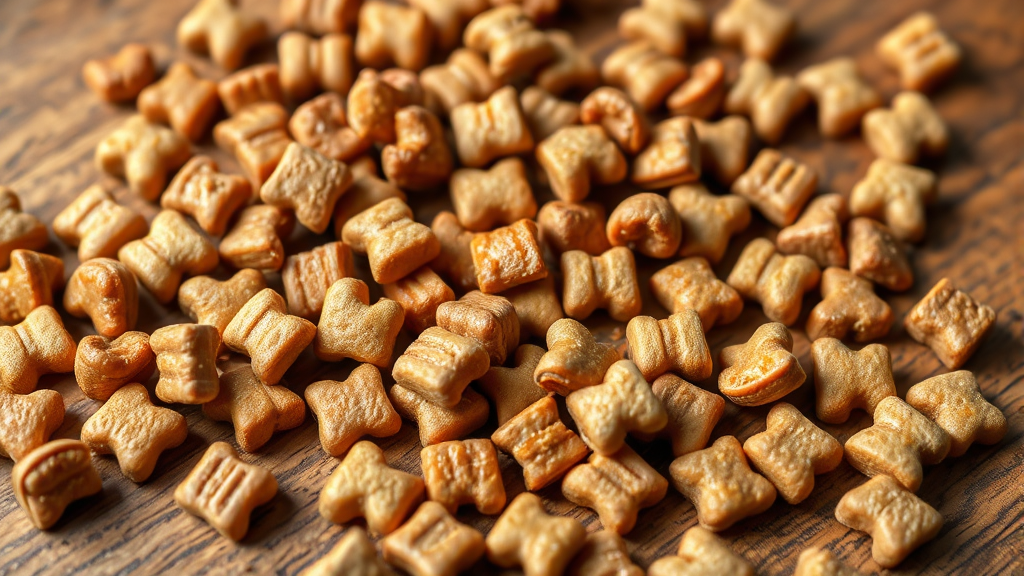
The brand’s philosophy revolves around their “True Blue Promise,” which commits to using only the finest natural ingredients. Blue Buffalo markets their foods as containing “LifeSource Bits” – a proprietary blend of antioxidants, vitamins, and minerals selected by holistic veterinarians and animal nutritionists. These kibble pieces are cold-formed to preserve the potency of nutrients and are mixed with the regular kibble to provide what the company claims is enhanced nutrition.
Blue Buffalo’s marketing heavily emphasizes the absence of artificial additives and the inclusion of real meat, vegetables, and fruits. The company has positioned itself as a premium alternative to mass-market dog foods, appealing to pet owners who view their dogs as family members deserving high-quality nutrition. However, this positioning has also led to higher price points compared to many traditional dog food brands.
Ingredient Quality and Nutritional Analysis
When evaluating any dog food, the ingredient list provides crucial insights into nutritional quality and value. Blue Buffalo consistently lists real meat as the first ingredient across most of their formulations, which aligns with canine dietary needs as obligate carnivores. Common protein sources include deboned chicken, turkey, lamb, salmon, and beef, providing essential amino acids necessary for muscle development and maintenance.
The brand incorporates whole grains like brown rice and oatmeal in their traditional formulas, while offering grain-free alternatives featuring sweet potatoes and peas as carbohydrate sources. Vegetables and fruits such as carrots, blueberries, and cranberries provide additional vitamins, minerals, and antioxidants. The inclusion of chicken meal in some formulations provides concentrated protein, though some pet owners prefer whole meat sources.
Blue Buffalo’s LifeSource Bits contain a blend of antioxidants including vitamin E and vitamin C, along with zinc and selenium. These nutrients support immune system function and cellular health. The company also includes omega-3 and omega-6 fatty acids from sources like fish oil and flaxseed, promoting healthy skin and coat. However, some nutritionists note that the actual quantities of these beneficial ingredients may be relatively small compared to the marketing emphasis placed on them.
One area where Blue Buffalo has faced criticism involves the use of legumes like peas and pea protein in their grain-free formulations. Recent research has suggested potential links between grain-free diets high in legumes and dilated cardiomyopathy (DCM) in dogs, though the FDA’s investigation remains ongoing and inconclusive.
Blue Buffalo Product Lines and Formulations
Blue Buffalo offers an extensive range of product lines designed to meet various dietary needs and life stages. Their Life Protection Formula serves as their flagship line, available in chicken, lamb, fish, and beef varieties for puppies, adults, and senior dogs. This line includes both traditional recipes with whole grains and grain-free alternatives.
The Wilderness line targets pet owners seeking high-protein, grain-free options inspired by the diet of wild wolves. These formulations typically contain higher protein percentages and include novel protein sources like duck, venison, and salmon. The Wilderness line also offers limited ingredient diets for dogs with food sensitivities.
Blue Buffalo’s Basics line focuses on limited ingredient diets specifically designed for dogs with food sensitivities or allergies. These formulations typically feature a single animal protein source and a limited number of other ingredients to minimize the risk of adverse reactions. The Freedom line provides grain-free options for dogs with grain sensitivities while maintaining the brand’s commitment to natural ingredients.
For dogs requiring specialized nutrition, Blue Buffalo offers prescription diets under veterinary supervision. These therapeutic formulations address specific health conditions like kidney disease, gastrointestinal issues, and weight management. Additionally, their Natural Veterinary Diet line provides support for various health concerns while maintaining the brand’s natural ingredient philosophy.
Pros and Cons of Blue Buffalo Dog Food
Blue Buffalo offers several advantages that have contributed to its popularity among pet owners. The brand consistently uses real meat as the first ingredient, providing high-quality protein sources that dogs require for optimal health. Their commitment to avoiding artificial colors, flavors, and preservatives appeals to health-conscious consumers seeking more natural options for their pets.
The extensive product range allows pet owners to find formulations suitable for different life stages, activity levels, and dietary restrictions. The inclusion of fruits, vegetables, and supplemental nutrients like the LifeSource Bits provides additional vitamins and antioxidants beyond basic nutritional requirements. Many dogs appear to find Blue Buffalo formulations palatable, with pet owners reporting good acceptance and enjoyment.
However, Blue Buffalo also has notable disadvantages that potential buyers should consider. The premium pricing makes it significantly more expensive than many comparable dog foods, which can strain budgets for multi-dog households or owners of large breeds requiring substantial food quantities. Some formulations contain relatively high amounts of plant-based proteins from peas and pea protein, which may not provide the same amino acid profile as animal proteins.
The brand has faced several recalls and regulatory issues over the years, raising questions about quality control and manufacturing consistency. Additionally, the heavy marketing emphasis on natural ingredients sometimes overshadows the fact that many traditional dog foods provide complete and balanced nutrition at lower price points. Pet owners should also be aware that the grain-free formulations may pose potential health risks based on emerging research linking such diets to heart conditions in some dogs.

Safety Record and Recall History
Blue Buffalo’s safety record includes several notable incidents that have raised concerns among pet owners and regulatory agencies. In 2017, the company faced significant controversy when testing revealed the presence of poultry by-products in foods that were marketed as not containing such ingredients. This led to a class-action lawsuit and raised questions about the company’s quality control and ingredient sourcing practices.
The brand has experienced multiple recalls over the years for various safety concerns. These have included potential contamination with excessive vitamin D levels, which can be toxic to dogs, and the presence of metal fragments in some batches. While recalls are not uncommon in the pet food industry, the frequency and nature of Blue Buffalo’s recalls have drawn attention from regulatory bodies and consumer advocacy groups.
In 2018, the FDA issued a warning letter to Blue Buffalo regarding manufacturing practices at one of their facilities, citing concerns about sanitation and process controls. The company has since made efforts to address these issues and improve their manufacturing standards, but the incidents have impacted consumer confidence in the brand.
Despite these concerns, it’s important to note that Blue Buffalo has taken steps to improve their quality assurance programs and has worked with regulatory agencies to address identified issues. The company has implemented enhanced testing protocols and supplier verification processes to prevent similar problems in the future. However, potential buyers should consider this safety history when making purchasing decisions and monitor their pets closely when transitioning to any new food.
How Blue Buffalo Compares to Other Brands
When comparing Blue Buffalo to other premium dog food brands, several factors distinguish it in the competitive marketplace. Unlike some budget options like Pedigree, Blue Buffalo emphasizes natural ingredients and avoids artificial additives, though this comes at a significantly higher price point. The brand positions itself as a more natural alternative to mainstream options while offering similar convenience and availability.
Compared to other premium brands like Hill’s Science Diet or Royal Canin, Blue Buffalo focuses more heavily on marketing natural ingredients rather than veterinary research and prescription formulations. While brands like Purina Pro Plan emphasize scientific testing and nutritional research, Blue Buffalo appeals more to consumers seeking natural, minimally processed options for their pets.
In the natural and holistic pet food category, Blue Buffalo competes with brands like Wellness, Merrick, and Taste of the Wild. These brands often offer similar ingredient quality and natural positioning, though Blue Buffalo’s extensive marketing and retail presence give it broader recognition among consumers. However, some competitors in this category have maintained cleaner safety records and more consistent quality control.
When compared to newer direct-to-consumer brands like Fresh Pet or subscription services, Blue Buffalo offers the advantage of widespread retail availability and established manufacturing scale. However, these newer brands often provide more personalized nutrition approaches and fresher ingredients, albeit at even higher price points and with less convenience for many consumers.
Cost Analysis and Value Assessment
Blue Buffalo’s premium positioning translates directly into higher costs compared to many traditional dog food brands. A typical 30-pound bag of Blue Buffalo Life Protection Formula costs significantly more than comparable bags from brands like Purina One or other mainstream options. This price difference can add up to hundreds of dollars annually, particularly for owners of large dogs or multiple pets.
The value proposition of Blue Buffalo depends largely on individual priorities and budgets. Pet owners who prioritize natural ingredients and are willing to pay premium prices may find the brand offers good value for their specific preferences. However, from a purely nutritional standpoint, many less expensive dog foods meet the same AAFCO standards and provide complete and balanced nutrition.
When calculating cost per feeding, it’s important to consider the feeding guidelines and caloric density of different formulations. Some Blue Buffalo products require larger serving sizes to meet daily caloric needs, which can further increase the actual cost per day of feeding. Pet owners should calculate the true daily feeding cost rather than simply comparing bag prices to get an accurate picture of long-term expenses.
For budget-conscious pet owners, the premium price of Blue Buffalo may not represent the best value, especially when considering that many dogs thrive on less expensive formulations that meet the same nutritional standards. However, for those who view pet food as an area where they’re willing to invest more for perceived benefits, Blue Buffalo offers a widely available premium option with extensive product variety.
Feeding Guidelines and Recommendations
Proper feeding guidelines are crucial for maintaining your dog’s health regardless of the food brand chosen. Blue Buffalo provides feeding charts on their packaging, but these should serve as starting points rather than rigid rules. Individual dogs may require more or less food based on their activity level, metabolism, age, and overall health status. Understanding proper portions helps ensure optimal nutrition.
When transitioning to Blue Buffalo from another brand, veterinarians recommend a gradual change over 7-10 days to prevent digestive upset. Start by mixing 25% Blue Buffalo with 75% of the current food for the first few days, then gradually increase the Blue Buffalo proportion while decreasing the old food. This slow transition allows your dog’s digestive system to adjust to the new ingredients and formulation.
Monitoring your dog’s response to Blue Buffalo is essential during the initial weeks of feeding. Watch for changes in energy levels, coat condition, digestive health, and overall well-being. Some dogs may experience initial digestive adjustment, including changes in stool consistency or frequency. If these issues persist beyond the transition period, consult with your veterinarian about whether the food is appropriate for your dog.
Regular weight monitoring becomes particularly important when feeding premium foods like Blue Buffalo, as some formulations are calorie-dense and can contribute to weight gain if portions aren’t properly managed. The question of appropriate feeding amounts depends on multiple factors beyond just following package guidelines. Adjust portions based on your dog’s body condition score and work with your veterinarian to maintain optimal weight throughout your pet’s life.
Frequently Asked Questions
Is Blue Buffalo actually better than other dog foods?
Blue Buffalo offers natural ingredients and avoids artificial additives, which appeals to many pet owners. However, “better” depends on your priorities and budget. Many less expensive foods meet the same nutritional standards and can be equally healthy for dogs. The key is choosing a food that meets AAFCO standards and suits your dog’s individual needs rather than focusing solely on marketing claims.
Why is Blue Buffalo so expensive compared to other brands?
Blue Buffalo’s higher prices reflect their premium positioning, natural ingredient sourcing, extensive marketing campaigns, and specialized formulations like LifeSource Bits. The brand targets consumers willing to pay more for perceived quality and natural ingredients. However, the higher cost doesn’t necessarily translate to proportionally better nutrition compared to well-formulated, less expensive alternatives.
Has Blue Buffalo had quality control issues?
Yes, Blue Buffalo has experienced several recalls and regulatory issues, including contamination concerns, mislabeling of ingredients, and FDA warnings about manufacturing practices. While the company has worked to address these issues, potential buyers should consider this history when making decisions and monitor their pets closely when using any Blue Buffalo products.
Are Blue Buffalo grain-free formulas safe for dogs?
The safety of grain-free diets remains under investigation by the FDA due to potential links with dilated cardiomyopathy (DCM) in some dogs. Blue Buffalo’s grain-free formulas contain ingredients like peas and legumes that have been associated with these concerns. Pet owners should consult their veterinarian about whether grain-free diets are appropriate for their specific dogs.
Do veterinarians recommend Blue Buffalo dog food?
Veterinary recommendations for Blue Buffalo vary. Some veterinarians appreciate the natural ingredients and variety of formulations, while others prefer brands with more extensive nutritional research or better safety records. Many veterinarians emphasize that any food meeting AAFCO standards can provide adequate nutrition, making brand choice less critical than proper feeding practices and regular health monitoring.
How does Blue Buffalo compare nutritionally to prescription diets?
Blue Buffalo’s regular formulations are designed for healthy dogs and cannot replace prescription diets when specific medical conditions require therapeutic nutrition. While Blue Buffalo offers some veterinary diets, prescription foods from companies like Hill’s or Royal Canin undergo more extensive clinical testing for specific health conditions. Always consult your veterinarian before substituting prescription diets with over-the-counter alternatives.
Can I mix Blue Buffalo with other dog food brands?
Mixing different brands can be done safely, but it may complicate nutritional balance and make it difficult to identify the cause of any digestive issues. If you choose to mix foods, ensure both meet AAFCO standards and maintain consistent proportions. Some pet owners mix brands to provide variety or manage costs, but this approach requires careful attention to overall nutritional balance and your dog’s response to the combination.





