
When your beloved canine companion is experiencing digestive upset, it’s natural to wonder if human medications like Pepto Bismol could provide relief. Many pet owners find themselves asking whether this common pink remedy that works for human stomach troubles could also help their four-legged family members. The question of is Pepto Bismol safe for dogs is more complex than it might initially appear, and understanding the answer could mean the difference between helping your pet and potentially causing harm.
While Pepto Bismol is a household staple for treating human digestive issues, the safety profile for dogs is significantly different. Dogs metabolize medications differently than humans, and what’s safe for us can sometimes be dangerous or even toxic for our pets. This comprehensive guide will explore everything you need to know about Pepto Bismol and dogs, including safer alternatives, when to seek veterinary care, and how to properly manage your dog’s digestive health.
What is Pepto Bismol and How Does it Work?
Pepto Bismol is an over-the-counter medication containing bismuth subsalicylate as its active ingredient. This compound works by coating the stomach lining, reducing inflammation, and providing antimicrobial effects that help combat certain bacteria responsible for digestive upset. In humans, it’s commonly used to treat symptoms such as nausea, heartburn, indigestion, upset stomach, and diarrhea.
The medication belongs to a class of drugs called antidiarrheals and works through multiple mechanisms. The bismuth component provides a protective coating for the digestive tract, while the salicylate portion (related to aspirin) offers anti-inflammatory properties. This dual action makes it effective for various digestive complaints in humans, but these same properties can create problems for dogs.
Understanding how Pepto Bismol functions is crucial for pet owners because dogs process medications differently than humans. Their liver enzymes, kidney function, and overall metabolism can significantly alter how drugs are absorbed, distributed, and eliminated from their systems. What works safely for human digestive issues may not translate to safe or effective treatment for canine digestive problems.
Safety Concerns: Why Pepto Bismol Can Be Dangerous for Dogs
The primary concern with giving Pepto Bismol to dogs lies in its salicylate content. Salicylates are compounds similar to aspirin, and dogs are particularly sensitive to these substances. Unlike humans, dogs metabolize salicylates much more slowly, leading to potential accumulation in their system and increased risk of toxicity. This sensitivity makes can dogs have pepto bismol a critical question for responsible pet ownership.
The American Veterinary Medical Association warns against giving human medications to pets without veterinary guidance. Bismuth subsalicylate can cause several serious side effects in dogs, including gastrointestinal bleeding, kidney damage, and even salicylate poisoning. These risks are particularly elevated in smaller dogs, elderly dogs, or those with pre-existing health conditions.
Additionally, the bismuth component itself can cause problems. While generally less toxic than the salicylate portion, bismuth can still lead to neurological symptoms if it accumulates in the system. Dogs given repeated doses or inappropriate amounts may experience coordination problems, tremors, or other neurological signs that require immediate veterinary attention.
Another significant concern is that Pepto Bismol can mask symptoms of more serious underlying conditions. If you’re wondering why is my dog throwing up, giving Pepto Bismol might temporarily suppress symptoms while allowing a more serious condition to progress untreated.
Recognizing Symptoms of Bismuth Toxicity in Dogs
If a dog has consumed Pepto Bismol, pet owners should be vigilant for signs of toxicity. Early symptoms may include vomiting, diarrhea (which may appear dark or tarry), loss of appetite, and lethargy. These initial signs can be subtle and may be mistaken for the original digestive upset the owner was trying to treat.
As toxicity progresses, more serious symptoms can develop. These include difficulty breathing, pale gums, weakness, tremors, and coordination problems. In severe cases, dogs may experience kidney failure, gastrointestinal bleeding, or neurological complications. The Pet Poison Helpline emphasizes that these symptoms can develop hours to days after ingestion, depending on the amount consumed and the dog’s individual sensitivity.
Dark, tarry stools are particularly concerning as they often indicate gastrointestinal bleeding. This symptom, known as melena, suggests that the medication has caused damage to the stomach or intestinal lining. Similarly, vomiting that contains blood or appears coffee-ground-like in texture requires immediate veterinary attention.
Safer Alternatives for Treating Dog Digestive Issues
Fortunately, there are several safer alternatives for managing digestive upset in dogs. A bland diet consisting of boiled chicken and white rice is often the first line of treatment recommended by veterinarians. This combination is easy to digest and can help firm up loose stools while providing necessary nutrition during recovery.
Probiotics specifically formulated for dogs can also be beneficial for digestive health. These supplements help restore the natural balance of beneficial bacteria in the gut, which can be disrupted by stress, dietary changes, or illness. The American Kennel Club recommends consulting with a veterinarian before starting any probiotic regimen to ensure the product is appropriate for your dog’s specific needs.
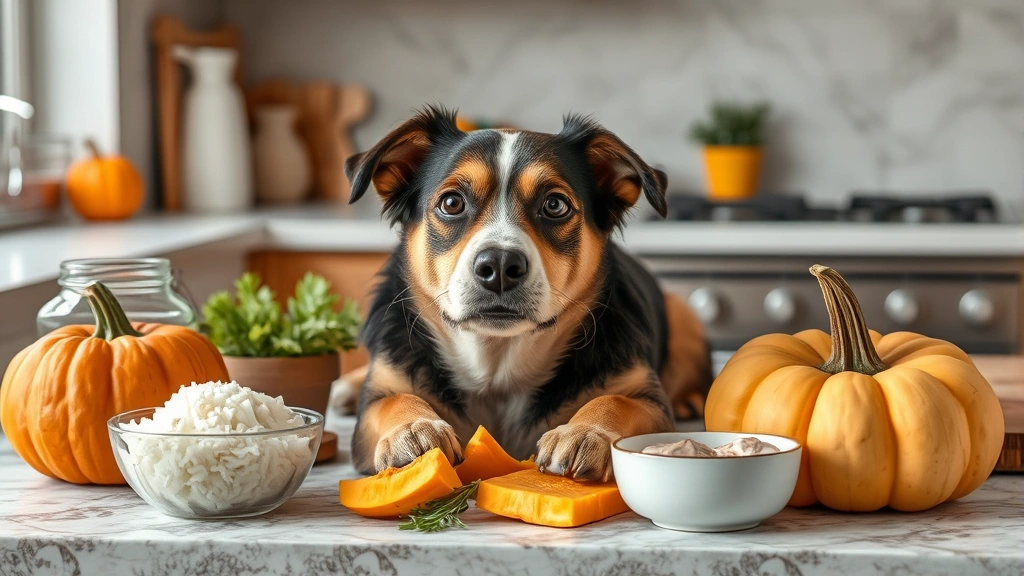
Pumpkin puree (not pie filling) is another natural remedy that many veterinarians recommend for mild digestive upset. The fiber content can help regulate bowel movements, whether your dog is experiencing diarrhea or constipation. Start with small amounts – about one teaspoon per 10 pounds of body weight – and monitor your dog’s response.
For dogs experiencing nausea or vomiting, withholding food for 12-24 hours while providing access to fresh water can often help. This fasting period allows the digestive system to rest and recover. However, puppies, senior dogs, or dogs with diabetes should not fast without veterinary supervision.
When to Call Your Veterinarian
Knowing when to seek professional veterinary care is crucial for your dog’s health and safety. If your dog is experiencing persistent vomiting, bloody diarrhea, signs of dehydration, or appears lethargic and unwell, contact your veterinarian immediately. These symptoms can indicate serious underlying conditions that require professional diagnosis and treatment.
Similarly, if you’re considering any human medications for your pet, including situations where you might wonder about can dogs have benadryl or how much benadryl can you give a dog, always consult with your veterinarian first. They can provide guidance on safe dosages or recommend more appropriate alternatives.
The ASPCA Animal Poison Control Center should be contacted immediately if your dog has accidentally consumed Pepto Bismol or any other human medication. They can provide specific guidance based on your dog’s weight, the amount consumed, and the time since ingestion.
Emergency veterinary care becomes necessary if your dog shows signs of severe distress, including difficulty breathing, collapse, seizures, or loss of consciousness. In these situations, time is critical, and immediate professional intervention can be life-saving.
Prevention: Keeping Your Dog’s Digestive System Healthy
Preventing digestive issues is always preferable to treating them after they occur. Maintaining a consistent, high-quality diet is fundamental to digestive health. Sudden changes in food can upset your dog’s stomach, so any dietary transitions should be made gradually over 7-10 days by slowly mixing the new food with the old.
Regular exercise also plays a crucial role in maintaining healthy digestion. Physical activity helps stimulate normal gut motility and can prevent constipation. However, avoid vigorous exercise immediately after meals, as this can contribute to digestive upset or more serious conditions like bloat in susceptible breeds.
Stress management is another important factor in digestive health. Dogs can experience digestive upset due to anxiety, changes in routine, or environmental stressors. Providing a stable, comfortable environment and maintaining consistent routines can help minimize stress-related digestive issues.
The FDA’s Center for Veterinary Medicine provides guidelines on pet food safety and nutrition that can help pet owners make informed decisions about their dog’s diet. Following these recommendations can significantly reduce the risk of food-related digestive problems.
Emergency Protocol: What to Do If Your Dog Consumes Pepto Bismol
If your dog has accidentally consumed Pepto Bismol, quick action is essential. First, remain calm and gather important information: how much was consumed, when it occurred, and your dog’s current weight. This information will be crucial for veterinary professionals or poison control specialists.
Do not attempt to induce vomiting unless specifically instructed by a veterinary professional or poison control specialist. While knowing how to induce vomiting in dogs can be important in some situations, it’s not always appropriate and can sometimes cause more harm than good.
Contact your veterinarian or the ASPCA Animal Poison Control Center immediately. They can assess the situation and provide specific guidance based on your dog’s individual circumstances. Be prepared to provide details about the product consumed, including the exact formulation and any other active ingredients listed on the package.
Monitor your dog closely for any changes in behavior, appetite, or bathroom habits. Keep a record of any symptoms you observe, including the time they occurred and their severity. This information will be valuable for veterinary professionals in determining the appropriate course of treatment.
According to the Humane Society, having an emergency plan in place before an incident occurs can save precious time during a crisis. Keep important phone numbers easily accessible and know the location of the nearest emergency veterinary clinic.
Frequently Asked Questions
Can I give my dog a small amount of Pepto Bismol for mild stomach upset?
No, it’s not recommended to give dogs any amount of Pepto Bismol without veterinary supervision. Even small amounts can be dangerous due to dogs’ sensitivity to salicylates. Instead, try withholding food for 12-24 hours while providing water, then offering a bland diet of boiled chicken and rice. If symptoms persist, consult your veterinarian.
What should I do if my dog ate Pepto Bismol tablets?
Contact your veterinarian or the ASPCA Animal Poison Control Center immediately at (888) 426-4435. Do not induce vomiting unless specifically instructed. Provide information about how many tablets were consumed, when it occurred, and your dog’s weight. Monitor your dog closely for symptoms like vomiting, diarrhea, lethargy, or breathing difficulties.
How long does it take for Pepto Bismol toxicity symptoms to appear in dogs?
Symptoms can appear anywhere from 30 minutes to several days after ingestion, depending on the amount consumed and your dog’s individual sensitivity. Early signs include vomiting, diarrhea, and lethargy. More serious symptoms like difficulty breathing, pale gums, or coordination problems may develop later and require immediate veterinary attention.
Are there any safe human medications I can give my dog for digestive issues?
Very few human medications are safe for dogs, and dosages differ significantly from human doses. Some veterinarians may approve specific medications like plain Pepcid AC in certain situations, but this should only be done under professional guidance. Always consult your veterinarian before giving any human medication to your pet.
What are the best natural remedies for dog digestive upset?
Safe natural remedies include a bland diet of boiled chicken and white rice, plain canned pumpkin (not pie filling), and probiotics specifically formulated for dogs. Ensure your dog stays hydrated and consider withholding food for 12-24 hours for adult, healthy dogs. However, consult your veterinarian if symptoms persist or worsen.
How can I tell if my dog’s digestive upset is serious enough for emergency care?
Seek emergency care if your dog shows signs of bloody vomit or diarrhea, difficulty breathing, pale gums, severe lethargy, dehydration, continuous vomiting for more than 24 hours, or any neurological symptoms like tremors or loss of coordination. When in doubt, it’s always better to err on the side of caution and contact your veterinarian.
Can puppies have different reactions to Pepto Bismol than adult dogs?
Yes, puppies are generally more sensitive to medications and toxins than adult dogs due to their developing systems and smaller body size. They’re at higher risk for severe reactions and should never be given Pepto Bismol. Puppies also shouldn’t fast for extended periods, so digestive issues in young dogs always warrant prompt veterinary attention.





