
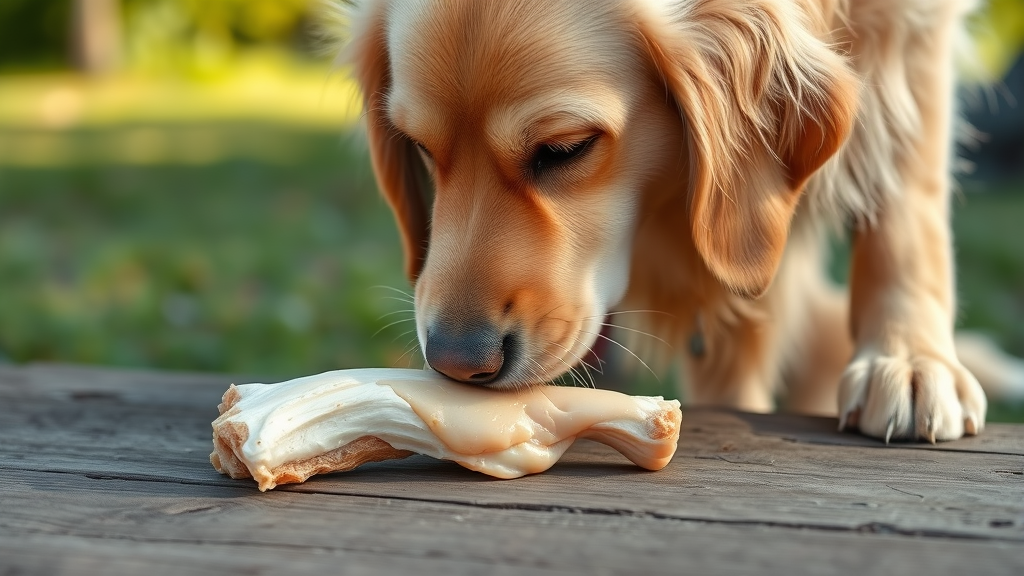
Safe Chewing: Should Your Dog Munch on Chicken Bones?
As a dog owner, you’ve likely wondered whether it’s safe to share table scraps with your furry companion. One of the most common questions veterinarians hear is about chicken bones—specifically, whether dogs can safely chew and consume them. This concern is valid and rooted in real health risks that pet owners need to understand. The answer isn’t simply “yes” or “no,” but rather depends on several critical factors including the type of bone, how it’s prepared, and your individual dog’s health status.
Chicken bones present a unique paradox in canine nutrition. While raw chicken bones are often considered safer than cooked ones, both varieties carry potential hazards that responsible pet owners should carefully evaluate. Understanding these risks and the science behind them will help you make informed decisions about what your dog eats. This comprehensive guide explores the nuances of chicken bone safety, drawing on veterinary expertise and scientific research to help you protect your beloved pet.
Throughout this article, we’ll examine why cooked bones are dangerous, when raw bones might be acceptable, and what safer alternatives exist for satisfying your dog’s natural chewing instincts. Whether you’re dealing with leftover chicken from dinner or considering raw feeding as part of your dog’s diet, you’ll find practical, evidence-based guidance to keep your dog safe and healthy.
Table of Contents
- Cooked vs. Raw Chicken Bones: Understanding the Difference
- The Risks and Dangers of Chicken Bones
- Raw Feeding and Chicken Bones
- Safe Alternatives to Chicken Bones
- Emergency Signs and When to Call Your Vet
- Best Practices for Safe Chewing
- Frequently Asked Questions
Cooked vs. Raw Chicken Bones: Understanding the Difference
The distinction between cooked and raw chicken bones is absolutely fundamental to understanding chicken bone safety for dogs. When chicken bones are cooked—whether through baking, boiling, frying, or roasting—the heat fundamentally changes their structural integrity. Cooked bones become brittle and prone to splintering, creating sharp fragments that can cause serious internal injuries. This is why veterinarians universally recommend against giving dogs cooked bones of any kind.
Raw chicken bones, by contrast, maintain their flexibility and density. They’re less likely to splinter into dangerous shards and are more similar to bones dogs would encounter in nature. However, this doesn’t mean raw bones are without risk. Raw bones can still cause blockages, though the risk is lower than with cooked varieties. According to the American Kennel Club’s expert advice on chicken bones, raw bones present fewer hazards but still require careful supervision and consideration.
The temperature at which bones are cooked matters significantly. Even bones cooked at low temperatures become problematic. The collagen in bones breaks down through heat, causing them to lose elasticity and become more prone to fracturing into splinters. This is why your dog’s natural instinct to chew and digest bones doesn’t translate to cooked bones—their digestive systems evolved to handle raw bones, not the altered structure of cooked ones.
The Risks and Dangers of Chicken Bones
Chicken bones present several serious health risks to dogs that every pet owner should understand. The primary dangers include intestinal blockages, perforations, and choking hazards. Each of these can result in emergency veterinary care, significant expense, and potentially fatal outcomes if not treated promptly.
Intestinal Blockages
When dogs swallow bone fragments, these pieces may not digest properly and can accumulate in the digestive tract. Bone fragments are dense and don’t break down like regular food. Small breeds are particularly vulnerable, as their digestive tracts are proportionally smaller. An accumulation of bone fragments can create a complete blockage, preventing food and waste from passing through the intestines. This condition requires emergency surgery to resolve.
Perforation and Internal Injuries
Sharp bone splinters can puncture the stomach lining or intestinal walls as they move through the digestive system. This perforation can lead to peritonitis—a life-threatening infection of the abdominal cavity. Even small perforations can cause serious complications, and treatment often requires emergency surgical intervention.
Choking and Aspiration
Dogs with enthusiastic eating habits may not chew bones adequately before swallowing, leading to choking hazards. Additionally, bone fragments can be aspirated into the lungs, causing respiratory distress or pneumonia. Puppies and senior dogs with dental issues are at higher risk for these complications.
The Humane Society provides detailed resources about chicken bone safety, emphasizing that even small risks warrant caution. Similarly, Texas A&M Veterinary Medicine offers expert guidance on this topic, noting that individual dogs’ risk factors vary significantly.
Raw Feeding and Chicken Bones
Some dog owners practice raw feeding diets, believing that uncooked bones are natural and beneficial for dogs. This approach attempts to mimic a dog’s ancestral diet. While raw bones do present fewer immediate dangers than cooked bones, raw feeding requires careful planning and veterinary oversight to ensure nutritional completeness and safety.
The American Veterinary Medical Association offers comprehensive information about raw pet food safety, noting both potential benefits and significant risks associated with raw feeding. Raw diets can introduce bacterial contamination—including salmonella and E. coli—that poses risks not just to dogs but to human family members who handle contaminated raw food.
If you’re considering incorporating raw chicken bones into your dog’s diet, consultation with a veterinary nutritionist is essential. They can help you create a balanced raw diet that meets all your dog’s nutritional needs while minimizing health risks. Raw feeding isn’t inherently wrong, but it requires knowledge, proper food handling, and regular veterinary monitoring.
For dogs eating raw bones, several precautions are necessary: supervise chewing sessions, choose appropriately sized bones for your dog’s size, remove bones after 15-20 minutes if not fully consumed, and maintain excellent food hygiene practices. Additionally, dogs with compromised immune systems, digestive disorders, or those taking immunosuppressive medications shouldn’t eat raw bones.
Safe Alternatives to Chicken Bones
Rather than risk the potential complications of chicken bones, numerous safer alternatives satisfy dogs’ natural chewing instincts while providing nutritional and behavioral benefits.
Dental Chews and Chew Toys
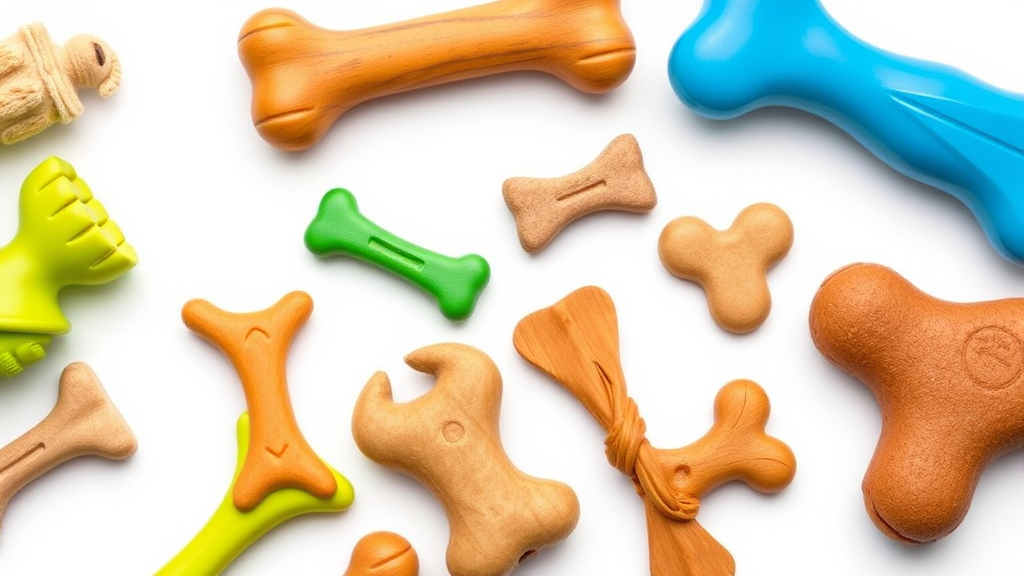
Commercial dental chews are specifically formulated to be safe for dogs while promoting dental health. These products break down gradually and safely during digestion. High-quality rubber toys and nylon chews provide extended chewing satisfaction without the risks associated with bones.
Other Protein Options
Dogs can safely enjoy many other protein-based treats. Information about dogs and bacon shows that while bacon should be limited due to fat content, it demonstrates dogs’ flexibility in protein sources. Similarly, scrambled eggs are safe and nutritious for dogs, providing complete proteins without the risks of bones.
Vegetables and Grains
Incorporating safe vegetables and grains into your dog’s diet provides variety and nutrition. Rice is safe for dogs and commonly used in veterinary diets, while brown rice offers additional nutritional benefits. These foods can be combined with safe protein sources to create satisfying meals.
Specially Designed Chew Products
Products like bully sticks, yak chews, and freeze-dried meat treats offer the satisfaction of chewing without bone-related risks. These alternatives break down gradually and can be digestible, though moderation is still important.
Emergency Signs and When to Call Your Vet
If your dog has ingested chicken bones—cooked or raw—watch carefully for signs of complications. Some issues develop immediately, while others may take days to manifest.
Immediate Warning Signs
Choking, difficulty breathing, excessive drooling, or inability to swallow require immediate emergency care. Don’t wait—these are life-threatening situations.
Delayed Complications
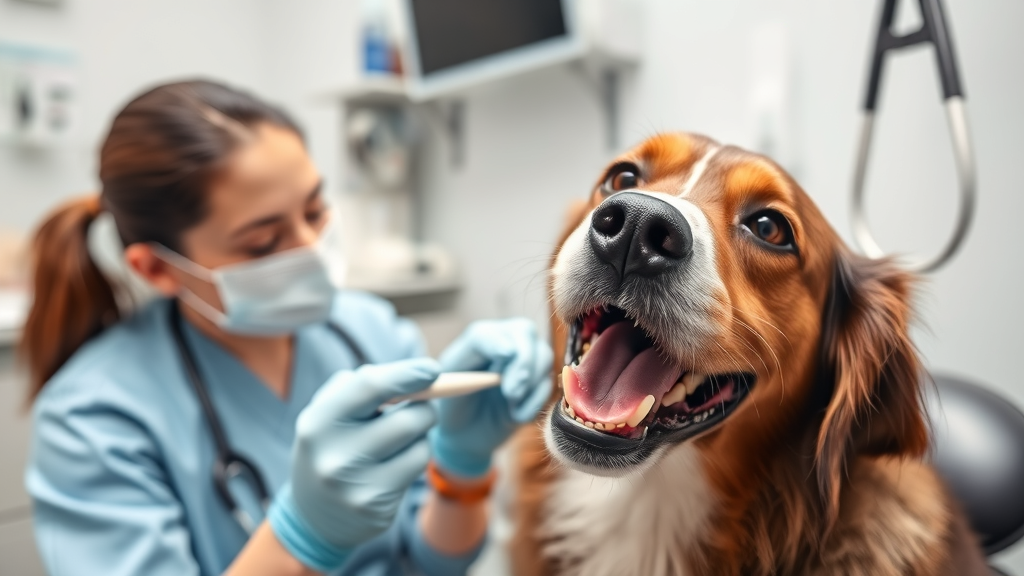
Watch for vomiting, loss of appetite, abdominal pain or distention, constipation or diarrhea, lethargy, or straining to defecate. These signs may indicate blockages, perforations, or other serious complications. Don’t assume symptoms will resolve on their own; contact your veterinarian immediately.
Best Practices for Safe Chewing
To support your dog’s chewing instincts safely, follow these evidence-based recommendations:
- Never give cooked bones: This is the single most important rule. Cooked bones are simply not safe for dogs under any circumstances.
- Supervise all chewing: Whether offering raw bones or alternative chew toys, always supervise to ensure safety and appropriate consumption.
- Choose appropriately sized items: The chew should be large enough that your dog cannot swallow it whole. A general rule is selecting items larger than your dog’s mouth.
- Limit chewing sessions: Remove items after 15-20 minutes to prevent overindulgence and related complications.
- Maintain dental health: Regular tooth brushing, dental check-ups, and appropriate chew toys support oral health and may reduce your dog’s desire to chew inappropriately.
- Rotate chew options: Providing variety prevents boredom and allows you to assess which options your dog tolerates best.
- Monitor your dog’s digestion: Keep track of any changes in stool consistency, appetite, or behavior that might indicate digestive upset.
Frequently Asked Questions
Can dogs eat raw chicken bones?
Raw chicken bones are safer than cooked bones, but they’re not completely risk-free. The bones are less likely to splinter, but blockages and other complications can still occur. Raw feeding requires careful supervision and veterinary guidance. Our detailed guide on chicken bones provides comprehensive information on raw feeding considerations.
What should I do if my dog ate cooked chicken bones?
Monitor your dog closely for the next 48-72 hours for any signs of distress, including vomiting, loss of appetite, abdominal pain, or constipation. Contact your veterinarian immediately if any concerning symptoms develop. Even if your dog seems fine, mention the incident during your next veterinary visit.
Are small chicken bones safer than large ones?
Small bones present higher risks because they’re more easily swallowed whole and more likely to cause blockages or perforations. Larger bones are somewhat safer if raw and supervised, but cooked bones of any size should be avoided entirely.
Can dogs digest bone fragments?
Dogs cannot reliably digest bone fragments. While some soft, powdered bone may pass through the digestive system, solid fragments typically don’t break down and can accumulate, causing blockages or other complications.
What are the safest chewing options for my dog?
Dental chews, rubber toys, bully sticks, yak chews, and freeze-dried treats represent safer alternatives to bones. These products are designed to be digestible or breakable without creating dangerous sharp fragments. Choose products appropriate for your dog’s size and chewing style.
Should I be concerned about raw chicken bacterial contamination?
Yes. Raw chicken can carry salmonella and other pathogens harmful to both dogs and humans. If offering raw chicken bones, maintain strict food hygiene, wash your hands thoroughly, and consider the risk to immunocompromised family members. The ASPCA provides information on common pet health hazards, including food safety concerns.
Are there health benefits to dogs chewing bones?
Chewing provides mental stimulation, supports dental health through natural cleaning action, and satisfies instinctive behaviors. However, these benefits can be achieved through safer alternatives that don’t carry the risks of bone-related injuries and complications.
The consensus among veterinary professionals is clear: while dogs may have eaten bones throughout evolutionary history, the risks of bone-related injuries are well-documented and entirely preventable through careful food selection. PetMD offers expert guidance on chicken bone nutrition, and Cornell University’s veterinary school provides detailed FAQs about this topic. By understanding these risks and choosing safer alternatives, you can ensure your dog enjoys satisfying chewing experiences without jeopardizing their health.
Dogs can have rice as part of their regular diet, and brown rice offers specific nutritional benefits, demonstrating that there are many safe food options to explore with your veterinarian.





