
Discover Why Boxers Are Actually Lovable Companions
When you think of Boxer dogs, you might initially imagine a powerful, muscular breed bred for combat sports. However, nothing could be further from the truth about these remarkable canines. Boxers are among the most affectionate, playful, and devoted companions you can welcome into your home. With their expressive faces, boundless energy, and unwavering loyalty, Boxers have captured the hearts of dog lovers worldwide. These medium to large-sized dogs from Germany have evolved far beyond their historical roots to become beloved family pets known for their gentle nature and protective instincts.
The transformation of Boxers from working dogs to cherished companions is a fascinating story that reveals much about breed development and canine personality. Today’s Boxers are recognized by major kennel clubs, including the American Kennel Club, as one of the most reliable and loving breed choices for families. Their reputation as lovable companions stems from a combination of inherent temperament traits, social nature, and their remarkable ability to bond deeply with their human families. Understanding what makes Boxers so special requires exploring their unique characteristics, behavioral traits, and the specific ways they demonstrate their affection.
In this comprehensive guide, we’ll uncover the many reasons why Boxers deserve their reputation as exceptional companions. From their playful personalities to their protective nature, we’ll explore every aspect that makes these dogs truly lovable. Whether you’re considering adding a Boxer to your family or you already share your life with one, this article will deepen your appreciation for this remarkable breed.
Table of Contents
- Playful Personalities and Boundless Energy
- Loyal Protectors with a Gentle Touch
- Social Butterflies and Family Bonds
- Expressive Communication Style
- Training Intelligence and Eagerness
- Health Considerations for Longevity
- Frequently Asked Questions

Playful Personalities and Boundless Energy
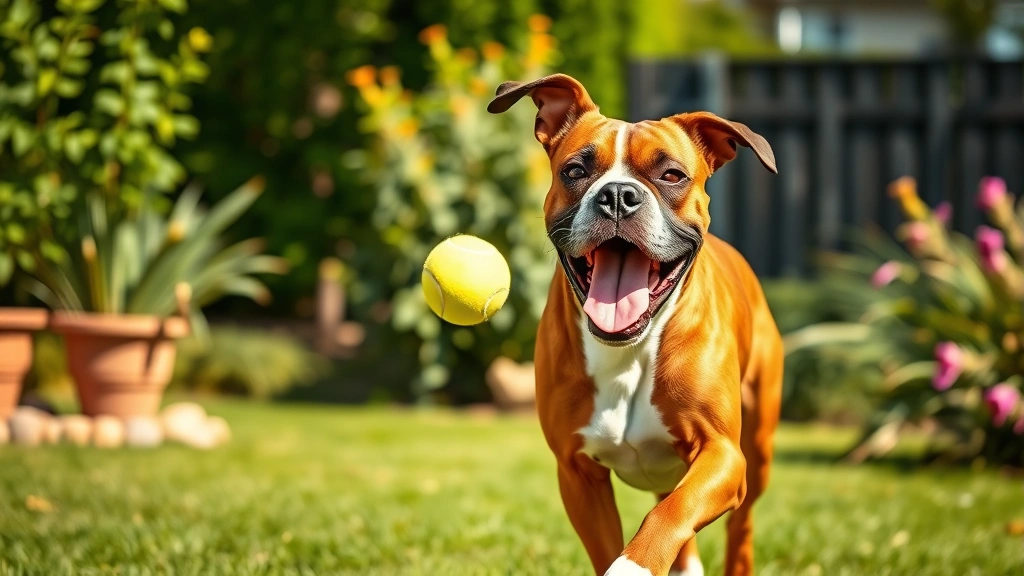
One of the most endearing qualities of Boxers is their seemingly endless supply of energy and enthusiasm for play. These dogs approach life with infectious joy, treating every interaction as an opportunity for fun and adventure. Whether it’s chasing a ball in the backyard, engaging in tug-of-war games, or simply roughhousing with their favorite humans, Boxers bring an infectious enthusiasm to every activity. This playful nature isn’t just entertaining; it’s deeply rooted in their breeding history as working dogs who needed stamina and determination.
The playfulness of Boxers extends beyond simple games. They have a unique ability to entertain themselves and others, often displaying clownish behaviors that will have you laughing at their antics. Many Boxer owners describe their dogs as having a distinct sense of humor, deliberately doing silly things to get attention and elicit laughter. This joyful demeanor makes them excellent companions for active families and individuals who enjoy outdoor activities. Regular exercise is essential for maintaining their mental and physical well-being, and fortunately, Boxers are always ready for the next adventure.
Understanding your Boxer’s energy levels is crucial for their happiness. These dogs require consistent physical activity to prevent boredom and destructive behaviors. Daily walks, playtime, and interactive games should be part of your routine. Additionally, mental stimulation through puzzle toys, training sessions, and games helps keep their intelligent minds engaged. When properly exercised, Boxers transform into calm, content companions who are equally happy relaxing with their families. You might notice your Boxer sleeping deeply after vigorous play sessions, which is a sign of a well-exercised, satisfied dog.
Loyal Protectors with a Gentle Touch
Despite their muscular appearance and protective instincts, Boxers are remarkably gentle souls. They possess a unique combination of strength and sensitivity that makes them ideal family companions. These dogs form incredibly strong bonds with their families and take their role as protectors seriously, yet they do so with restraint and intelligence. A Boxer’s loyalty is legendary among breed enthusiasts; they will stand by your side through thick and thin, offering unwavering devotion and support.
The protective nature of Boxers manifests in thoughtful ways. They’re alert to potential threats and will defend their family if necessary, but they’re not aggressive dogs by nature. Instead, they use their intelligence to assess situations carefully before acting. This makes them excellent watchdogs who provide security without being overly reactive. The Humane Society recognizes Boxers as a loyal and loving breed that excels in family settings. Their gentle touch with children is particularly notable; many Boxers seem to understand that young family members need extra care and patience.
Early socialization and proper training help channel a Boxer’s protective instincts constructively. When raised with kindness and consistency, Boxers learn to distinguish between normal situations and genuine threats. This balanced approach to protection makes them perfect for families who want a dog that’s both loving and capable of keeping them safe. Their devotion to their families is so strong that many Boxers experience separation anxiety when left alone for extended periods, as they simply want to be near their beloved humans.

Social Butterflies and Family Bonds
Boxers are inherently social dogs who thrive on interaction and companionship. Unlike some breeds that maintain emotional distance from their owners, Boxers are consistently affectionate and eager to be involved in family activities. They follow their humans from room to room, wanting to be present for every moment of the day. This devotion can sometimes be overwhelming for those unaccustomed to such attention, but for most families, it’s one of Boxer’s most endearing qualities.
The sociability of Boxers extends to other dogs and pets when properly introduced and socialized from a young age. Many Boxers enjoy the company of fellow canines and can form strong friendships with other household pets. Their playful nature makes them excellent playmates, and their gentle disposition means they rarely initiate conflicts. Introducing a Boxer to new people is usually a delightful experience; they tend to greet strangers with enthusiasm and friendliness, though their size can sometimes intimidate those unfamiliar with the breed. PetMD notes that Boxers are known for their friendly and outgoing nature.
Creating a strong family bond with your Boxer involves consistent interaction, training, and quality time together. These dogs are happiest when they’re an integral part of family life. Whether it’s movie nights on the couch, family meals where they rest their head on your lap, or outdoor adventures, Boxers want to participate in your daily life. This deep connection between Boxer and family creates a unique relationship that transcends the typical pet-owner dynamic, evolving into a genuine partnership based on mutual affection and trust.
Expressive Communication Style
One of the most charming aspects of Boxer ownership is their remarkably expressive nature. These dogs communicate through a rich vocabulary of vocalizations, body language, and facial expressions that rivals many human interactions. Their distinctive wrinkled face seems perpetually expressive, capable of conveying joy, concern, confusion, and everything in between. Boxers are known for their characteristic “talking” sounds, including whines, grumbles, and playful barks that seem almost conversational.
Understanding your Boxer’s communication style deepens your relationship and helps you respond to their needs more effectively. When a Boxer wants to play, their entire body language changes; their play bow, wagging tail, and bouncy movements are unmistakable. When they’re concerned about something, they’ll vocalize in specific ways and direct your attention to the source of their worry. Some Boxers even seem to smile, their mouths opening in what appears to be a genuine grin when they’re happy. This expressiveness makes living with a Boxer entertaining and emotionally rewarding, as you’re constantly receiving feedback about your dog’s emotional state.
The way Boxers use their paws to communicate is particularly endearing. Many owners report that their Boxers “paw” at them to get attention or express their desires. This tactile communication method, combined with their vocal expressions, creates a sophisticated system of interaction. Paying attention to these communication attempts strengthens your bond and allows you to better anticipate your Boxer’s needs. Some owners notice their Boxers adjust their communication style based on the person they’re interacting with, being gentler with children while more boisterous with adults, demonstrating their emotional intelligence.
Training Intelligence and Eagerness
Contrary to outdated stereotypes about the breed, Boxers are highly intelligent dogs capable of learning complex commands and behaviors. Their intelligence, combined with their eagerness to please their owners, makes them responsive to training. A well-trained Boxer is an absolute joy to live with, and the training process itself becomes a bonding experience. These dogs thrive when given clear boundaries, consistent rules, and positive reinforcement for good behavior.
Training a Boxer requires patience, consistency, and a good sense of humor. Their playful nature sometimes translates into a “class clown” attitude during training sessions, where they might try to turn every command into a game. However, this enthusiasm for interaction makes the training process enjoyable for both dog and owner. The AKC provides comprehensive guidance on Boxer characteristics, including their trainability and intelligence. Positive reinforcement methods work best with this breed, as they respond poorly to harsh corrections or aggressive training techniques.
Beyond basic obedience, many Boxers excel in various dog sports and activities. Agility training, dock diving, and even therapy dog work are areas where Boxers demonstrate their cognitive abilities and desire to work alongside their humans. Understanding your Boxer’s physical responses, such as normal panting after exercise, helps you recognize when they’re stressed or overheated during training sessions. The key to successful training is keeping sessions short, fun, and rewarding, allowing your Boxer’s natural intelligence and willingness to cooperate to shine through.
Health Considerations for Longevity
Ensuring your Boxer remains a healthy, happy companion requires understanding breed-specific health concerns and maintaining proactive veterinary care. Boxers have an average lifespan of 10 to 12 years, and many live even longer with proper care. Being aware of potential health issues allows you to catch problems early and provide the best possible care. Cornell University’s College of Veterinary Medicine provides detailed information about Boxer health considerations.
Common health concerns in Boxers include hip dysplasia, heart conditions, and certain cancers. Regular veterinary check-ups, appropriate exercise, and a healthy diet are essential for maintaining your Boxer’s well-being. Responsible breeders conduct health screenings on their breeding dogs to minimize the risk of hereditary conditions. When selecting a Boxer puppy or adopting an adult dog, working with reputable sources ensures you’re getting a dog with the best possible health foundation.
Nutrition plays a crucial role in your Boxer’s health and longevity. A balanced diet appropriate for their size, age, and activity level supports optimal body condition and prevents obesity-related health problems. Knowing which foods are toxic to dogs, such as chocolate, helps you keep your Boxer safe from accidental poisoning. Regular exercise maintains muscle tone and cardiovascular health, while mental stimulation prevents behavioral problems that could compromise well-being. Dental care, nail maintenance, and regular grooming also contribute to your Boxer’s overall health and quality of life.
Watch for signs that your Boxer might need veterinary attention. Unexplained shaking or trembling can indicate various health issues and should be evaluated by a veterinarian. Similarly, any signs of blood in stool or unusual digestive symptoms warrant prompt veterinary evaluation. Being attentive to your Boxer’s behavior and physical condition allows you to address health concerns quickly.
Frequently Asked Questions
Are Boxers good with children?
Absolutely! Boxers are renowned for their patience and gentleness with children. Their playful nature makes them excellent playmates, and their protective instincts ensure they watch over young family members. Proper supervision and teaching children how to interact respectfully with dogs is important, but Boxers naturally seem to understand that children require extra care and patience. Many families with children find Boxers to be the perfect family dog.
Do Boxers require a lot of exercise?
Yes, Boxers need regular, vigorous exercise to maintain their physical and mental health. Daily walks, playtime, and interactive games are essential. A well-exercised Boxer is typically calm and well-behaved indoors. Without adequate exercise, Boxers may develop destructive behaviors or become overly boisterous. Active families who enjoy outdoor activities find that Boxers are perfect companions for their lifestyle.
What is the typical lifespan of a Boxer?
Boxers typically live 10 to 12 years, with some individuals living into their mid-teens with excellent care. Proper nutrition, regular veterinary care, appropriate exercise, and mental stimulation all contribute to a longer, healthier life. Responsible breeding practices that minimize hereditary health issues also play a significant role in longevity.
How do Boxers behave around strangers?
Boxers are generally friendly and social dogs who greet strangers with enthusiasm rather than suspicion. Their protective instincts are more about observing and assessing than about aggressive behavior. Early socialization helps ensure they develop appropriate social skills and can distinguish between normal interactions and genuine threats. Their size might intimidate some people, but their friendly demeanor usually quickly puts strangers at ease.
Are Boxers suitable for apartment living?
While Boxers are energetic dogs, they can adapt to apartment living if they receive adequate exercise and mental stimulation. Daily walks and regular playtime are essential, but many Boxers thrive in apartments when their exercise needs are met. They’re not excessive barkers, though they may vocalize to alert their owners. The key is ensuring they get enough physical activity and aren’t left alone for extended periods.
What makes Boxers different from other dog breeds?
The American Boxer Club highlights the unique characteristics that set Boxers apart from other breeds. Their combination of strength, intelligence, playfulness, and unwavering loyalty creates a distinctive personality. Boxers seem to approach life with infectious enthusiasm and joy, making every day an adventure with them.
How much grooming do Boxers need?
Boxers have short coats that require minimal grooming compared to many breeds. Regular brushing helps remove loose hair and maintain skin health. Occasional baths, nail trimming, ear cleaning, and dental care complete their grooming needs. Their short coat makes them relatively low-maintenance in terms of grooming, allowing more time for play and interaction with their families.





