
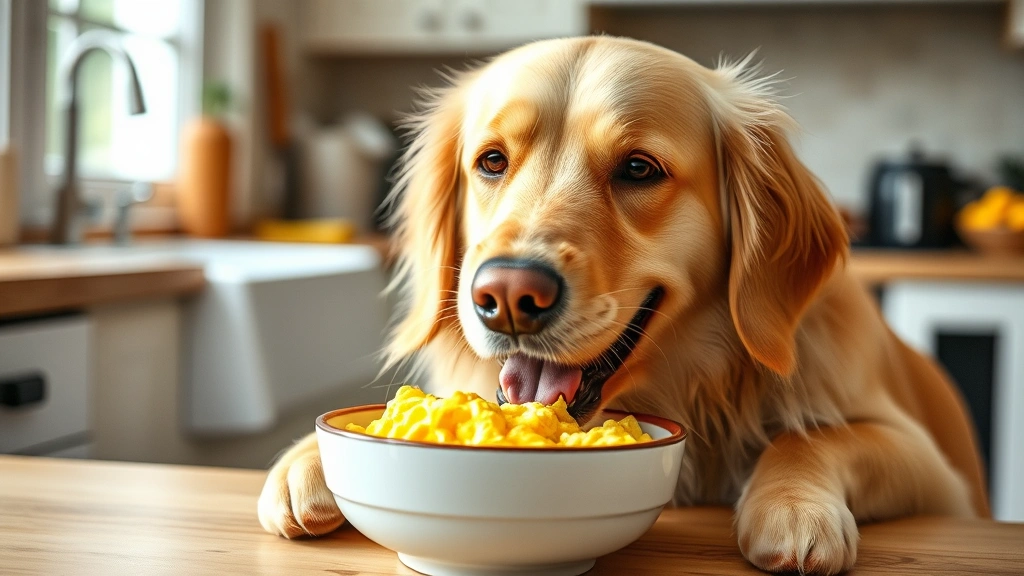
Can Dogs Eat Scrambled Eggs?
As a dog owner, you’ve probably wondered whether it’s safe to share your breakfast with your furry companion. Scrambled eggs are a staple in many households, and it’s natural to want to give your dog a taste of what you’re enjoying. The good news is that yes, dogs can eat scrambled eggs in moderation, and they can actually provide some nutritional benefits when prepared properly. However, there are important guidelines you should follow to ensure your dog’s safety and health.
Eggs are nutrient-dense foods packed with high-quality protein, essential amino acids, vitamins, and minerals that support your dog’s overall health. Many commercial dog foods even include eggs as a primary ingredient. According to the American Kennel Club, eggs are a nutritious food for dogs, but preparation method and portion size matter significantly. Before you start adding scrambled eggs to your dog’s diet, it’s crucial to understand the best practices for serving them safely.
This comprehensive guide will walk you through everything you need to know about feeding can dogs eat scrambled eggs, including the nutritional benefits, preparation methods, potential risks, and how to incorporate them into your dog’s diet responsibly.
Table of Contents
- Nutritional Benefits of Eggs for Dogs
- How to Safely Prepare Scrambled Eggs for Dogs
- Appropriate Portion Sizes
- Potential Risks and Concerns
- Creative Serving Ideas
- Frequently Asked Questions
Nutritional Benefits of Eggs for Dogs
Eggs are considered one of nature’s most complete protein sources, containing all nine essential amino acids that dogs need to maintain healthy muscles, tissues, and organs. When you feed your dog scrambled eggs, you’re providing them with a food that’s rich in bioavailable protein, meaning your dog’s body can easily absorb and utilize these proteins effectively.
Beyond protein, eggs contain several important vitamins and minerals that contribute to your dog’s health. They’re an excellent source of choline, which supports cognitive function and brain development, making them particularly beneficial for puppies and senior dogs. Eggs also provide selenium, a powerful antioxidant that helps protect your dog’s cells from damage and supports thyroid function.
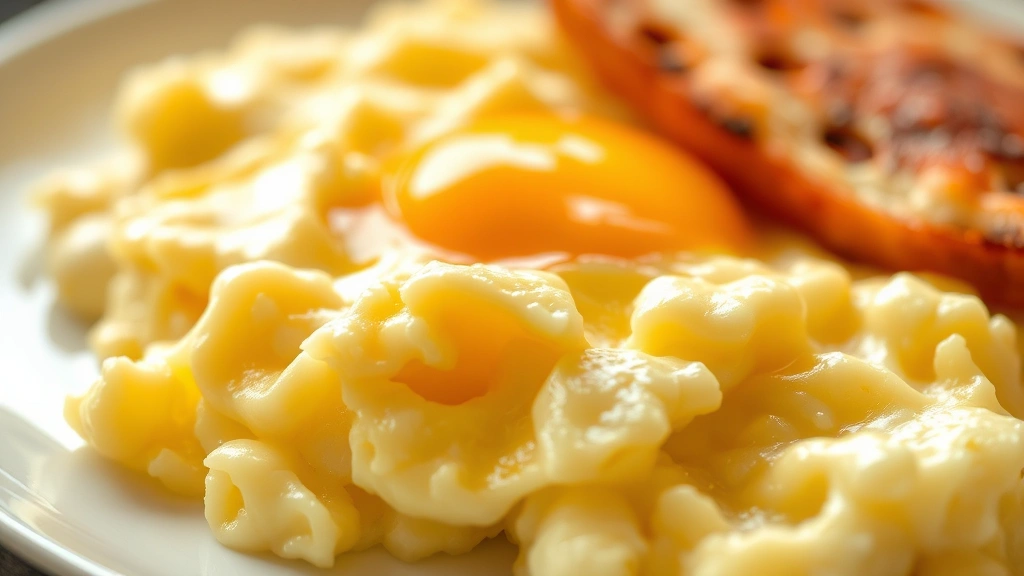
The yolk of the egg is where most of the nutritional value lies. It contains lutein and zeaxanthin, two compounds known for supporting eye health and vision. For dogs with allergies or sensitivities to common proteins, eggs can serve as an excellent alternative protein source when exploring what dogs can eat. According to the American Veterinary Medical Association, eggs provide valuable nutrients for dogs, making them a worthwhile addition to a balanced diet.
Additionally, eggs contain B vitamins including riboflavin, pantothenic acid, and B12, which are essential for energy metabolism and nervous system function. The fat content in eggs provides omega-3 and omega-6 fatty acids that promote a healthy coat and skin.
How to Safely Prepare Scrambled Eggs for Dogs
The way you prepare scrambled eggs for your dog is critically important. While plain scrambled eggs are safe and healthy, many common cooking methods used for human consumption can introduce ingredients that are harmful to dogs. The golden rule is to keep the preparation as simple and plain as possible.
Start by scrambling eggs without any added butter, oil, salt, or seasoning. If you must use a cooking fat, use a minimal amount of coconut oil, which is generally considered safe for dogs. Avoid butter, especially if your dog is sensitive to dairy products. Never add salt, garlic, onions, or any spices to the eggs you’re preparing for your dog, as these can cause health problems. Garlic and onions are particularly dangerous, as they contain compounds that can damage your dog’s red blood cells.
Cook the eggs thoroughly until they’re fully set. Undercooked or raw eggs can contain bacteria like Salmonella and E. coli, which can cause serious gastrointestinal issues in dogs. While dogs have stronger stomach acid than humans and are generally more resistant to foodborne pathogens, it’s still best to err on the side of caution. When you’re done cooking, allow the eggs to cool to room temperature before serving them to your dog.
If you’re serving eggs to your dog, you might wonder about egg shells, which are occasionally included in raw diets. Crushed eggshells can provide calcium, but they’re not necessary if your dog is eating a balanced diet. Plain, unseasoned scrambled eggs are the safest and simplest option for most dog owners.
Appropriate Portion Sizes
While eggs are nutritious, they should be given to dogs as an occasional treat, not as a meal replacement. The appropriate portion size depends on your dog’s size, age, and overall diet. A general guideline is to consider treats as making up no more than 10% of your dog’s daily caloric intake, with the remaining 90% coming from their regular balanced dog food.
For small dogs weighing under 20 pounds, one scrambled egg is typically an appropriate serving size, given once or twice per week. Medium-sized dogs weighing 20-60 pounds can safely enjoy one to two scrambled eggs with similar frequency. Large dogs weighing over 60 pounds might handle two to three scrambled eggs as an occasional treat. However, these are general recommendations, and you should consult with your veterinarian about what’s appropriate for your specific dog.
Puppies, pregnant dogs, and senior dogs may have different nutritional needs. Puppies can benefit from the protein and nutrients in eggs and can be given small portions starting at 8 weeks of age. Pregnant or nursing dogs may benefit from the extra protein and nutrients during their special life stages. Senior dogs can also enjoy eggs, though portion sizes should remain modest to avoid digestive upset.
If your dog has never eaten eggs before, introduce them gradually and watch for any signs of digestive upset or allergic reactions. Some dogs may experience mild diarrhea or vomiting if they eat too many eggs too quickly. Start with a small piece and observe your dog for 24 hours before offering a full serving.
Potential Risks and Concerns
While scrambled eggs are generally safe for most dogs, there are certain situations and conditions where caution is warranted. Dogs with pancreatitis should avoid high-fat foods, and since egg yolks are relatively high in fat, these dogs should not be given eggs without veterinary approval. The richness of eggs can trigger pancreatitis flare-ups in susceptible dogs.
Some dogs may have allergies or sensitivities to eggs. While egg allergies in dogs are not extremely common, they do occur. Signs of an egg allergy include itching, skin irritation, ear infections, vomiting, or diarrhea. If you notice any of these symptoms after introducing eggs to your dog’s diet, discontinue feeding them and contact your veterinarian.
Dogs that are overweight or on a calorie-restricted diet need to have treat calories carefully monitored. Eggs are calorie-dense, so they can contribute to weight gain if given too frequently or in large quantities. Additionally, eggs contain cholesterol, which is a concern for some dogs, particularly those with certain health conditions. Your veterinarian can advise whether eggs are appropriate for your dog’s specific health situation.
When considering other protein-rich treats, you might also want to explore whether dogs can have bacon or other breakfast foods. Always compare nutritional profiles and consult your vet about which options are best for your dog.
Creative Serving Ideas
Once you’ve confirmed that scrambled eggs are safe for your dog, there are several creative ways to serve them. The simplest method is to serve plain scrambled eggs as a treat by themselves. You can also mix cooled scrambled eggs into your dog’s regular kibble to add extra protein and create variety in their meals.
For a more interactive feeding experience, you can freeze scrambled eggs in ice cube trays and offer them as frozen treats during warm weather. Dogs often enjoy the novelty and the cooling sensation. You can also mix scrambled eggs with dog-safe vegetables like carrots, green beans, or pumpkin for a more nutritious and interesting treat.
Some creative dog owners incorporate scrambled eggs into homemade dog treat recipes. You can combine cooled scrambled eggs with peanut butter (xylitol-free), pumpkin, and whole wheat flour to make homemade dog biscuits. Another option is to mix scrambled eggs with dog-safe dairy products like greek yogurt for a protein-packed treat.
You can also use scrambled eggs as a training reward. Many dogs find eggs more motivating than standard treats, making them excellent for training sessions. The high protein content means they’re satisfying enough that small pieces can be used as meaningful rewards without overfeeding.
If you’re interested in pairing eggs with other safe foods, you might wonder if dogs can have cheese alongside eggs, though it’s best to limit dairy to prevent digestive issues. Similarly, plain yogurt can be a nice complement to eggs for dogs without dairy sensitivities.
Frequently Asked Questions
Are scrambled eggs better than raw eggs for dogs?
Yes, scrambled eggs are generally safer than raw eggs for dogs. Cooking eliminates the risk of bacterial contamination like Salmonella and E. coli. While some raw food advocates argue that raw eggs are beneficial, the potential health risks outweigh the benefits for most dog owners. Cooking also makes some nutrients more bioavailable, meaning your dog’s body can absorb them more efficiently. Always prioritize food safety when preparing meals for your dog.
How often can I give my dog scrambled eggs?
Most veterinarians recommend giving scrambled eggs as an occasional treat no more than once or twice per week for most dogs. Since treats should comprise no more than 10% of your dog’s daily caloric intake, the frequency depends on your dog’s size and overall diet. Consult your veterinarian about the appropriate frequency for your specific dog, as some dogs may need less frequent egg treats due to health conditions or weight management concerns.
Can puppies eat scrambled eggs?
Yes, puppies can safely eat scrambled eggs starting around 8 weeks of age. Puppies have higher protein requirements than adult dogs, and eggs are an excellent protein source. However, portion sizes should be even smaller for puppies than for adult dogs. Start with a small piece about the size of a pea and watch for any digestive upset. Always ensure that egg treats don’t interfere with the balanced nutrition your puppy receives from quality puppy food.
What should I do if my dog eats too many scrambled eggs?
If your dog accidentally eats a large quantity of scrambled eggs, monitor them closely for signs of gastrointestinal upset like vomiting, diarrhea, or loss of appetite. These symptoms typically resolve within 24 hours. Offer plenty of fresh water and stick to their regular diet. If symptoms persist beyond 24 hours, or if your dog shows signs of severe distress, contact your veterinarian. In most cases, overeating eggs causes only mild temporary digestive upset in healthy dogs.
Can I give my dog scrambled eggs with milk or cream?
It’s best to avoid adding milk or cream to scrambled eggs for your dog. Many adult dogs are lactose intolerant, meaning they have difficulty digesting dairy products. Adding milk or cream can cause gastrointestinal upset including gas, bloating, and diarrhea. Stick to plain water or no liquid when preparing eggs for your dog. If your dog tolerates dairy well and you want to add richness, use just a tiny amount of plain, unsweetened yogurt.
Are there any dog breeds that shouldn’t eat scrambled eggs?
Most dog breeds can safely enjoy scrambled eggs, but certain health conditions make eggs less suitable. Dogs with pancreatitis, certain liver conditions, or those prone to obesity should eat eggs only under veterinary guidance. Breeds predisposed to pancreatitis, such as Miniature Schnauzers and Cocker Spaniels, should have their egg intake carefully monitored. Always discuss your dog’s specific breed health risks with your veterinarian before introducing new foods.
Can I use scrambled eggs as a meal replacement?
No, scrambled eggs should never replace your dog’s balanced commercial dog food or veterinary-approved homemade diet. While eggs are nutritious, they don’t contain all the nutrients dogs need in the proper proportions. Dogs require a complete and balanced diet that includes appropriate levels of all essential nutrients. According to PetMD’s nutrition guides for dogs, eggs are best used as occasional treats or supplements to a complete diet. Feeding only eggs or primarily eggs can lead to serious nutritional deficiencies.





