
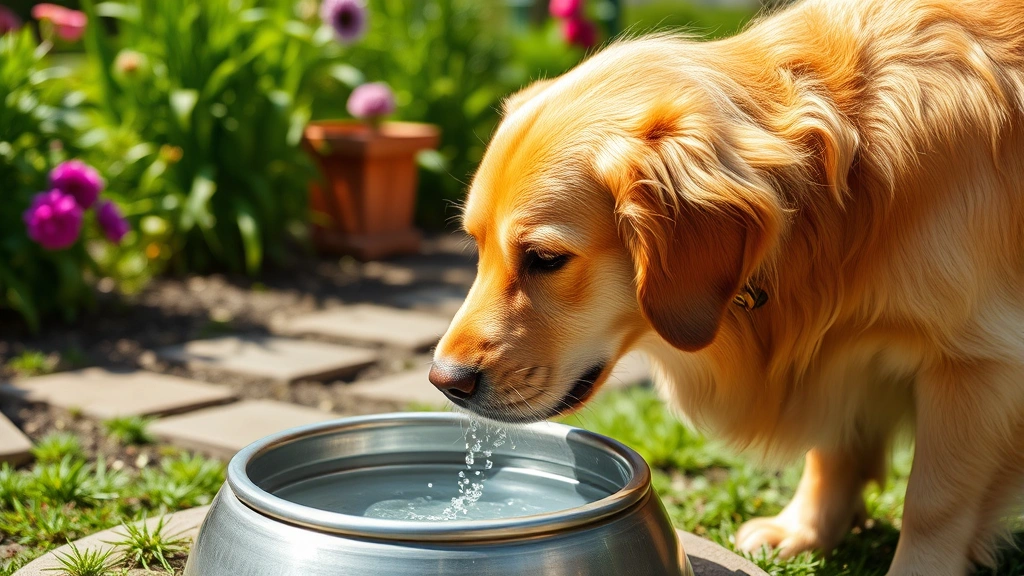
Can Dogs Drink Sparkling Water?
As a pet owner, you’ve likely wondered about the safety of various beverages for your furry companion. One question that frequently comes up is whether dogs can drink sparkling water. With the growing popularity of carbonated beverages among humans, it’s natural to question whether this fizzy drink is safe for our canine friends. The short answer is that plain sparkling water is generally safe for dogs in moderation, but there are important nuances and considerations you should understand before offering it to your pet.
Understanding what your dog can and cannot drink is crucial for their health and longevity. While water is the gold standard for canine hydration, many pet owners are curious about alternatives and variations. Sparkling water sits in an interesting gray area—it’s water with added carbonation, but the bubbles and potential additives raise valid concerns for dog owners. In this comprehensive guide, we’ll explore the science behind sparkling water consumption for dogs, discuss potential risks, and provide you with evidence-based recommendations from veterinary experts.
Before introducing any new beverage to your dog’s diet, it’s essential to consult with your veterinarian. Different dogs have different health conditions, ages, and sensitivities that may affect their ability to safely consume sparkling water. This article will help you make an informed decision about whether sparkling water is appropriate for your specific pet.
Table of Contents

Is Plain Sparkling Water Safe for Dogs?
According to the American Kennel Club, plain sparkling water without any additives is generally considered safe for dogs in small quantities. However, “safe” doesn’t necessarily mean beneficial or recommended. The carbonation itself isn’t toxic to dogs, but the bubbles can cause discomfort and other issues that make it less than ideal for regular consumption.
Dogs have been drinking plain water for thousands of years, and their digestive systems are perfectly adapted for it. When you introduce carbonated water, you’re adding an element that their bodies aren’t naturally designed to process efficiently. Most veterinarians recommend sticking with regular, still water as the primary source of hydration for your canine companion, as it provides all the hydration benefits without any potential drawbacks.
The key distinction here is between plain sparkling water and flavored or sweetened varieties. Plain sparkling water contains only water and carbon dioxide gas. If your dog accidentally laps up a small amount of your plain sparkling water, it’s unlikely to cause serious harm. However, intentionally giving your dog sparkling water regularly is not recommended by most veterinary professionals.
Understanding Carbonation and Gas
The carbonation in sparkling water creates carbon dioxide bubbles throughout the liquid. When your dog drinks carbonated beverages, these bubbles travel through their esophagus and into their stomach. Once in the stomach, the gas can expand, potentially causing bloating, discomfort, or in severe cases, gastric dilatation-volvulus (GDV), commonly known as bloat.
Bloat is a serious and potentially life-threatening condition in dogs, particularly in large breeds and deep-chested dogs. The stomach can twist on itself, cutting off blood supply and requiring emergency surgery. While a small amount of carbonation is unlikely to trigger this condition in healthy dogs, the risk increases with larger quantities or in dogs with predisposing factors. This is why veterinarians are cautious about recommending any carbonated beverages for dogs.
Additionally, some dogs may experience gas, burping, or intestinal discomfort after consuming carbonated water. Just as humans might feel bloated after drinking too much soda, dogs can experience similar digestive distress. If you notice your dog acting uncomfortable or having digestive issues after consuming sparkling water, discontinue it immediately and contact your veterinarian.

Additives and Hidden Dangers
While plain sparkling water is relatively benign, many commercial sparkling water products contain additives that are dangerous for dogs. This is where the real concern lies for pet owners. Many sparkling water brands include artificial sweeteners, flavoring agents, sodium, and other chemicals that can be harmful to canines.
Artificial sweeteners like xylitol are particularly dangerous for dogs and can cause severe hypoglycemia, liver damage, and even death in some cases. Some sparkling water brands contain citric acid or other acids that can damage dental enamel and upset the stomach. Sodium content in some products can be problematic for dogs with heart conditions or those on sodium-restricted diets. Always check the ingredient label before offering any beverage to your dog—what’s safe for humans isn’t always safe for pets.
If your dog is interested in exploring what dogs can drink beyond water, it’s important to research each option thoroughly. Similarly, when considering treats and supplements, understanding ingredient safety is crucial. For instance, if you’re curious about whether dogs can have peppermint, you’ll find that many human products containing these ingredients have additives unsuitable for dogs.
Digestive System Impact
A dog’s digestive system is specifically adapted for processing meat, fats, and certain plant materials. Their stomach acid and digestive enzymes work optimally with these food groups and plain water. Introducing carbonated water disrupts this finely-tuned system in ways that aren’t beneficial to your pet’s health.
The carbonation can stimulate excess gas production in the intestines, leading to flatulence, cramping, and general discomfort. Some dogs may experience diarrhea or constipation as their digestive system reacts to the unusual substance. Senior dogs, puppies, and dogs with sensitive stomachs are particularly vulnerable to these digestive disturbances. If your dog has any pre-existing gastrointestinal conditions, carbonated water should be strictly avoided.
The American Veterinary Medical Association emphasizes that plain water is the only beverage dogs truly need for optimal health. Any deviation from this standard should be done with caution and veterinary guidance. Your dog’s digestive health is fundamental to their overall well-being, so it’s best not to introduce unnecessary challenges to their system.
Proper Hydration for Dogs
Dogs require adequate hydration to maintain proper organ function, regulate body temperature, and support nutrient absorption. The amount of water your dog needs depends on their size, age, activity level, and diet. Generally, dogs should consume about one ounce of water per pound of body weight daily, though this can vary based on individual circumstances.
Fresh, clean, still water should be available to your dog at all times. Ensure water bowls are cleaned regularly to prevent bacterial growth and contamination. Some dogs prefer running water, which you can provide with a pet water fountain. Others may be motivated to drink more if you add ice cubes during hot weather, providing both hydration and a cooling effect.
If you’re concerned about your dog’s hydration levels or notice changes in drinking habits, consult your veterinarian. Excessive thirst or lack of interest in water can indicate underlying health issues that require professional evaluation. Never use sparkling water as a means to encourage your dog to drink more—this could introduce the very problems you’re trying to avoid. According to WebMD Pets, consistent access to fresh water is the foundation of canine health.
Healthy Beverage Alternatives
If you want to provide your dog with something beyond plain water for variety or enrichment, there are safer alternatives to sparkling water. Homemade bone broth made without salt or seasonings can be a nutritious and hydrating treat for dogs. You can also offer ice cubes made from plain water or low-sodium broth during warm weather.
Some dog owners enjoy making “pupsicles” by freezing dog-safe ingredients like plain yogurt, pumpkin puree, or dog-safe vegetables like squash in ice cube trays. These provide hydration along with nutritional benefits. However, any supplement or alternative beverage should only comprise a small portion of your dog’s daily fluid intake, with plain water remaining the primary source.
When exploring different foods and beverages for your dog, it’s helpful to understand which human foods and drinks are safe. For example, learning about herbs like rosemary or exotic fruits like dragon fruit can expand your knowledge of what your dog can safely enjoy. Similarly, understanding grains like quinoa helps you make informed dietary choices.
Always introduce any new food or beverage gradually to monitor for adverse reactions. Watch for signs of digestive upset, allergic reactions, or behavioral changes. If your dog shows any negative responses, remove the item from their diet and consult your veterinarian.
Frequently Asked Questions
Can dogs drink sparkling water with lemon or other flavorings?
No, flavored sparkling waters are not recommended for dogs. Many flavorings contain additives, artificial sweeteners, or natural compounds that can be harmful to dogs. Citrus flavorings, in particular, can cause digestive upset and may contain essential oils that are toxic to canines. Stick to plain water only.
What should I do if my dog accidentally drinks sparkling water?
If your dog takes a few sips of plain sparkling water, there’s typically no cause for alarm. Monitor your dog for signs of discomfort, such as excessive gas, bloating, vomiting, or lethargy. If symptoms develop or persist, contact your veterinarian. For large quantities or flavored varieties, contact your vet or poison control immediately to determine if treatment is necessary.
Is carbonated water safer than regular soda for dogs?
While plain carbonated water is safer than sugary sodas or diet drinks with artificial sweeteners, it’s still not ideal for dogs. According to the Humane Society, regular soda is definitely dangerous for dogs due to sugar and caffeine content, but plain sparkling water remains suboptimal compared to still water. Always choose still water as the safest option.
Can puppies drink sparkling water?
Puppies have developing digestive systems that are even more sensitive than adult dogs. Carbonation can cause more significant discomfort in puppies and may interfere with their nutrient absorption during critical growth periods. Puppies should only drink plain water and, after weaning, should never consume their mother’s milk or other liquids. Consult your veterinarian about your puppy’s hydration needs.
Are there any breeds that should never have sparkling water?
Certain breeds are more prone to bloat, including Great Danes, German Shepherds, Standard Poodles, and other large, deep-chested dogs. These breeds should never consume carbonated beverages due to increased GDV risk. Additionally, senior dogs, puppies, and dogs with pre-existing gastrointestinal conditions should avoid sparkling water entirely. Cornell University’s veterinary experts recommend avoiding carbonated beverages for all dogs as a precaution.
What are the signs of bloat in dogs after consuming sparkling water?
Signs of bloat include a distended or hard abdomen, restlessness, excessive drooling, retching without vomiting, rapid breathing, weakness, and collapse. Bloat is a medical emergency requiring immediate veterinary attention. If you notice any of these symptoms after your dog consumes sparkling water, seek emergency veterinary care immediately. Do not wait to see if symptoms resolve on their own.
Can sparkling water help with my dog’s digestion or appetite?
No, sparkling water offers no digestive or appetite benefits for dogs and may actually cause digestive problems. If your dog has appetite or digestive issues, consult your veterinarian about appropriate solutions. They may recommend dietary changes, probiotics, or other evidence-based treatments. According to PetMD, plain water and a balanced diet are the foundations of good digestive health in dogs.
Final Recommendations
In conclusion, while plain sparkling water isn’t toxic to dogs in tiny amounts, it’s simply not recommended as a beverage for your canine companion. The risks, however minimal, outweigh any potential benefits. Plain, fresh water remains the gold standard for keeping your dog hydrated and healthy. It costs nothing, poses no risk, and provides exactly what your dog’s body needs.
As a responsible pet owner, prioritize your dog’s health by sticking with what veterinarians universally recommend: fresh, clean water available at all times. If you’re looking to add variety to your dog’s diet or treats, explore other safe options that provide genuine nutritional value. When in doubt, always consult your veterinarian before introducing anything new to your dog’s diet.
Remember that your dog depends on you to make the best decisions for their health and well-being. By understanding the risks associated with sparkling water and choosing safer alternatives, you’re taking an important step toward ensuring a long, healthy, and happy life for your beloved pet. For additional information about pet nutrition and safety, consult the ASPCA or your local veterinarian.





