
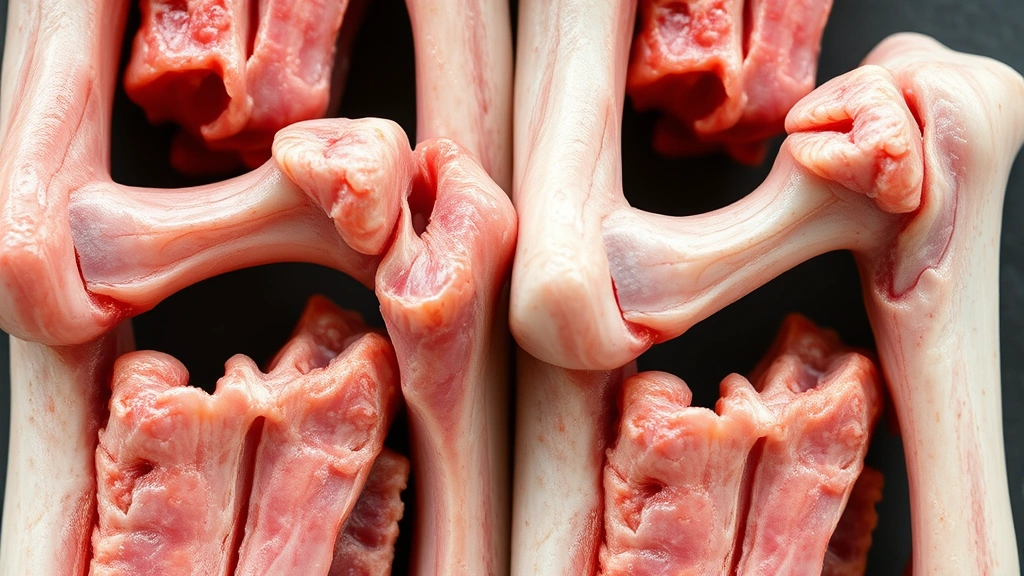
Can Dogs Eat Bones from Pork?
As a dog owner, you’ve likely wondered whether it’s safe to share pork bones with your canine companion. This is one of the most common questions pet parents ask, especially when they have leftovers from a delicious pork dinner. The answer isn’t a simple yes or no—it depends on several factors including the type of bone, how it’s prepared, and your individual dog’s health status. Understanding the risks and benefits of pork bones is essential for keeping your furry friend safe while still allowing them to enjoy natural, nutritious treats.
Pork bones can be tempting to give to dogs because they’re readily available and dogs naturally love them. However, veterinarians and pet nutrition experts have varying opinions on whether pork bones are appropriate for canine consumption. Some bones pose serious choking hazards and can cause internal injuries, while others may be relatively safe when handled properly. This comprehensive guide will help you make an informed decision about feeding pork bones to your dog.
Before offering any bone to your dog, it’s crucial to understand the differences between raw and cooked bones, the specific risks associated with pork, and the safer alternatives available. We’ll also explore what veterinary professionals recommend and how to recognize signs of potential problems if your dog has already consumed pork bones.
Table of Contents
- Raw vs. Cooked Pork Bones: What’s the Difference?
- The Risks and Dangers of Pork Bones
- Types of Pork Bones to Avoid
- Safer Bone Alternatives for Dogs
- Best Practices for Bone Feeding
- Emergency Signs Your Dog Needs Veterinary Care
- Frequently Asked Questions About Pork Bones and Dogs
Raw vs. Cooked Pork Bones: What’s the Difference?
Understanding the distinction between raw and cooked pork bones is fundamental to making safe feeding decisions. Cooked pork bones are significantly more dangerous than their raw counterparts because the cooking process fundamentally changes the bone’s structure. When heat is applied to bones, the moisture is removed and the bone becomes brittle and prone to splintering into sharp fragments that can cause serious internal injuries.
Raw pork bones, on the other hand, maintain their natural flexibility and are less likely to splinter. However, this doesn’t mean raw pork bones are entirely risk-free. Raw bones still pose choking hazards and can potentially harbor harmful bacteria like salmonella or E. coli. Many veterinarians recommend that if you choose to give your dog raw pork bones, you should source them from reputable suppliers and handle them with the same food safety practices you’d use for human consumption.
If you’re interested in learning more about bone safety, the American Kennel Club provides expert advice on bone nutrition. Additionally, understanding what other pork products your dog can safely consume is important—you might want to explore whether dogs can eat bacon or dogs can have bacon as these are also common pork-related questions.
The bacterial concerns with raw bones shouldn’t be taken lightly. Even though dogs have stronger stomach acid than humans, they’re not immune to foodborne pathogens. Puppies, senior dogs, and dogs with compromised immune systems are particularly vulnerable to bacterial infections from contaminated bones.
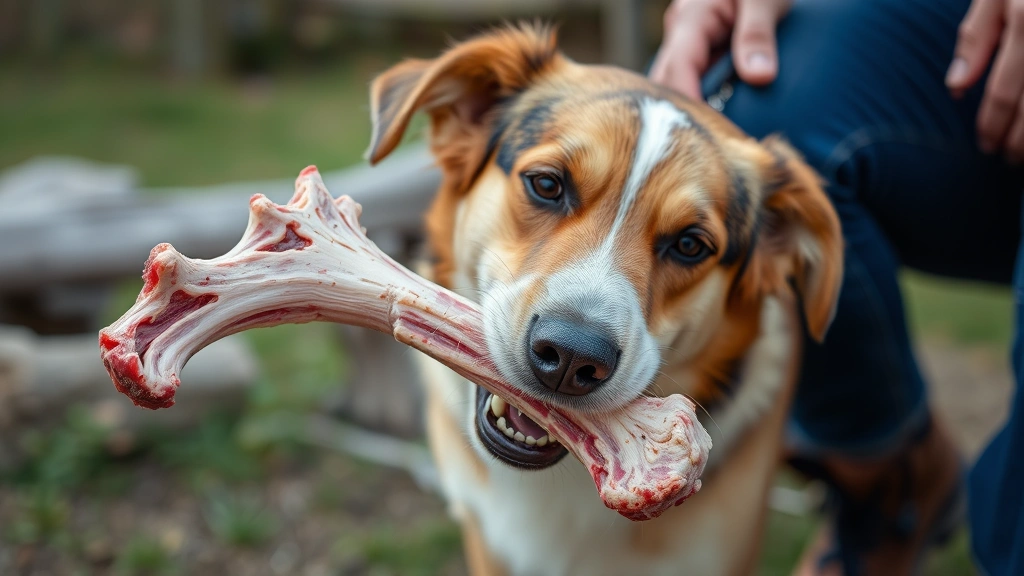
The Risks and Dangers of Pork Bones
Pork bones present several specific risks that make them problematic for dog feeding. One of the most significant dangers is the risk of bone fragments becoming lodged in the throat, mouth, or digestive tract. Unlike some other types of bones, pork bones tend to be thinner and more prone to breaking into sharp pieces that can cause lacerations to the mouth, throat, esophagus, or intestines.
Choking is another serious concern, particularly for enthusiastic eaters who don’t chew thoroughly. Dogs that gulp their food are at higher risk of choking on bone pieces. Additionally, if a bone fragment becomes stuck, it may require emergency surgical intervention to remove, which can be costly and traumatic for both dog and owner. The Humane Society provides important resources about bone safety that every dog owner should review.
Pancreatitis is another concern associated with pork and pork bones. The fatty nature of pork can trigger pancreatitis in susceptible dogs, leading to inflammation of the pancreas and potentially serious complications. Dogs with a history of digestive issues or pancreatitis should absolutely avoid pork bones entirely. You can learn more about whether dogs can eat pork to understand the broader implications of feeding pork products to your dog.
Intestinal blockages represent perhaps the most dangerous outcome of bone consumption. If a bone fragment cannot pass through the digestive system, it can create a complete blockage that prevents normal food movement. This is a life-threatening emergency requiring immediate veterinary attention and often surgery. Signs of blockage include vomiting, loss of appetite, abdominal pain, and lack of bowel movements.
Types of Pork Bones to Avoid
Not all pork bones are equally dangerous, but certain types should be avoided entirely. Cooked pork chop bones are among the most problematic because they’re thin and easily splinter into dangerous fragments. These bones commonly appear in household trash and are a frequent cause of emergency veterinary visits when dogs scavenge for leftovers.
Pork rib bones, whether cooked or raw, are also concerning. They’re small and can easily be swallowed whole or break into pieces that lodge in the throat or digestive tract. The curved shape of rib bones makes them particularly hazardous as they can twist or turn during digestion, increasing blockage risk.
Pork leg bones and knuckle bones are somewhat safer if they’re raw and given under supervision, but they still carry inherent risks. The marrow inside can be very fatty and may cause digestive upset or pancreatitis. Additionally, dogs can sometimes crack their teeth on hard bones, leading to painful dental damage that requires veterinary treatment.
Ground pork bones or bone meal products marketed for dogs should be approached with caution. While these are processed to be safer, they still require careful consideration of your individual dog’s health status. Learn more about whether dogs can eat cooked bones to understand the processing concerns better.
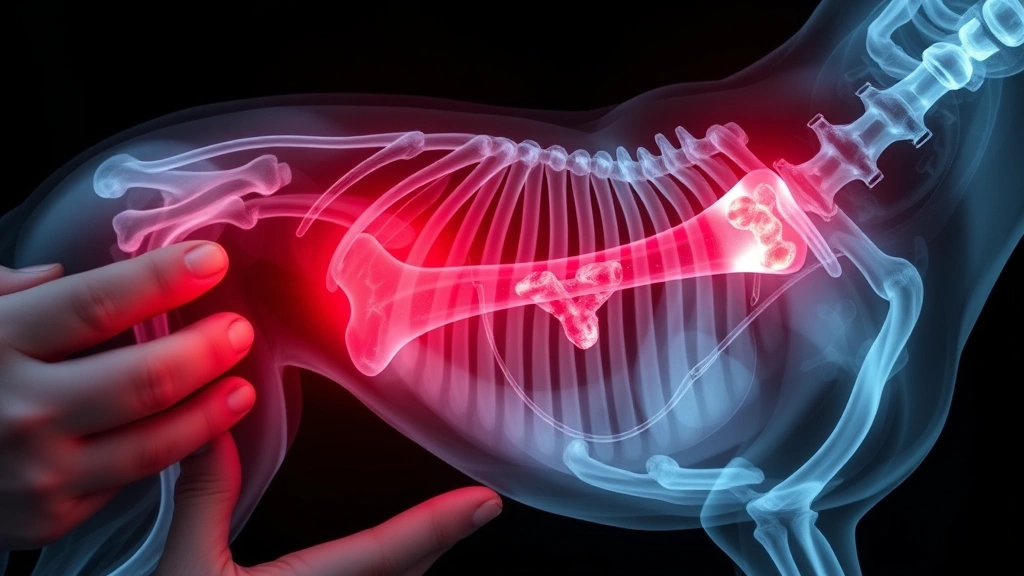
Safer Bone Alternatives for Dogs
Fortunately, there are many safer alternatives to pork bones that still provide the benefits dogs enjoy from chewing. Raw meaty bones specifically designed for dogs, such as recreational bones made from beef or lamb, are generally safer options than pork. These are typically larger, less likely to splinter, and come from reputable manufacturers who follow safety protocols.
Dental chew toys and nylon bones designed specifically for dogs offer the satisfaction of chewing without the risks associated with real bones. These products are engineered to be digestible (or non-digestible depending on the type) and sized appropriately to prevent choking. Many dogs find these just as satisfying as real bones.
Raw carrots and apple slices can provide satisfying chewing experiences for dogs while also offering nutritional benefits. These natural alternatives are low in calories and can help maintain dental health through the natural abrasion of chewing. Just be sure to remove apple seeds and avoid grapes.
Commercial dog treats specifically formulated to be safe for canine consumption are excellent alternatives. These products undergo safety testing and quality control measures that individual bones don’t. When shopping for treats, look for products from reputable manufacturers with clear ingredient lists and safety certifications.
For dogs that love the taste of pork, you might explore other pork products that are safer. Dogs can have pork in certain forms that don’t include bones. You might also investigate whether dogs can eat salami as a processed pork alternative, though processed meats should be given in moderation due to their sodium and fat content.
Best Practices for Bone Feeding
If you’ve decided to give your dog bones despite the risks, following best practices can help minimize potential harm. First, always supervise your dog while they’re enjoying a bone. Never leave your dog alone with a bone, as emergencies can develop quickly and you need to be present to intervene if necessary.
Choose appropriately sized bones for your dog’s size. A bone should be too large for your dog to swallow whole. If your dog can fit the entire bone in its mouth, it’s too small and poses a significant choking hazard. For large dogs, bigger bones are generally safer, while small dogs should only receive proportionally smaller bones.
Limit chewing time to prevent tooth fractures and reduce the risk of digestive upset from consuming large quantities of bone. Most experts recommend removing the bone after 15-20 minutes of chewing. This also helps prevent the development of possessive or aggressive behavior around bones.
Raw bones should be handled with the same food safety protocols you’d use for human food. Wash your hands after handling, clean surfaces thoroughly, and store bones in a dedicated container separate from human food. Never feed bones that have been left at room temperature for extended periods.
Watch for signs of dental damage after bone chewing sessions. Cracked or fractured teeth are painful and require veterinary treatment. If you notice your dog favoring one side of their mouth or reluctance to eat hard foods, schedule a veterinary exam promptly.
The PetMD guide to bone feeding offers additional expert recommendations worth reviewing. You can also consult resources on whether dogs can eat chicken bones to understand how different bone types compare in terms of safety.
Emergency Signs Your Dog Needs Veterinary Care
Even with precautions, accidents happen. Knowing the signs that your dog needs emergency veterinary care is crucial. If your dog has consumed pork bones and shows any of the following symptoms, contact your veterinarian immediately or visit an emergency clinic:
- Persistent vomiting: This may indicate an obstruction or perforation in the digestive tract.
- Abdominal pain: Whining, reluctance to move, or a hunched posture suggests internal injury.
- Loss of appetite: Refusing food or water for more than a few hours after bone consumption warrants investigation.
- Lethargy: Unusual tiredness or lack of interest in normal activities may indicate shock or internal bleeding.
- Constipation or diarrhea: Changes in bowel movements can indicate blockage or irritation.
- Difficulty swallowing: Drooling excessively or struggling to swallow suggests something is lodged in the throat.
- Blood in stool or vomit: This indicates internal bleeding or laceration and is a medical emergency.
- Abdominal distention: A visibly swollen or hard abdomen needs immediate evaluation.
Don’t wait to see if symptoms resolve on their own. Internal injuries from bone fragments can lead to life-threatening infections or bleeding that develops over hours or days. When in doubt, it’s always better to have your dog examined by a veterinarian than to risk a serious complication.
The American Veterinary Medical Association’s canine nutrition resources provide additional information about safe feeding practices that can help you prevent emergencies.
Frequently Asked Questions About Pork Bones and Dogs
Are raw pork bones safer than cooked pork bones for dogs?
Raw pork bones are generally considered safer than cooked pork bones because they’re less likely to splinter into sharp fragments. However, raw bones still pose choking hazards and may carry harmful bacteria. The safest approach is to avoid pork bones entirely and choose alternative treats specifically designed for canine safety. If you do choose to offer raw bones, source them from reputable suppliers, handle them with food safety protocols, and always supervise your dog during chewing.
Can small dogs eat pork bones?
Small dogs are at even higher risk from pork bones than large dogs. Their smaller mouths and digestive tracts make them more susceptible to choking and blockages. Pork bones that might pass through a large dog’s system could easily lodge in a small dog’s throat or intestines. Small dogs should never be given pork bones, and their owners should be especially vigilant about preventing access to discarded bones in trash or on the ground.
What should I do if my dog swallowed a pork bone?
If your dog has swallowed a pork bone, monitor them closely for the emergency signs listed above. Contact your veterinarian immediately for guidance—don’t wait to see if symptoms develop. Your vet may recommend an examination, X-rays, or ultrasound to check for blockages or injuries. Never induce vomiting without veterinary guidance, as this can cause additional damage if a bone is lodged in the throat or esophagus.
Are pork bones better or worse than chicken bones for dogs?
Both pork and chicken bones carry similar risks, though they differ in some ways. Chicken bones are very thin and splinter easily, while pork bones are thicker but still prone to breaking into sharp fragments. The PawMed resource on pork bones provides useful comparisons. Neither is ideal for dogs, and both should be avoided in favor of safer alternatives. If you’re interested in learning more about chicken bones specifically, you can explore whether dogs can eat chicken bones for detailed information.
Can I give my dog pork bones if they have strong teeth?
Having strong teeth doesn’t make pork bones safe. The danger isn’t just about tooth strength—it’s about the risk of choking, blockages, and internal injuries from bone fragments. Even dogs with perfect teeth can fracture them on hard bones or experience digestive complications. Additionally, dogs with strong teeth might be more aggressive chewers, increasing the risk of swallowing large pieces. A dog’s dental strength doesn’t mitigate the inherent risks of bone consumption.
Are there any health benefits to giving dogs pork bones?
While bones provide some nutrients like calcium and phosphorus, these same nutrients are available through complete and balanced dog foods and safer supplements. The marginal nutritional benefit doesn’t outweigh the serious risks associated with pork bones. The chewing satisfaction and mental stimulation that bones provide can be achieved through safer alternatives like dental chews, nylon toys, or raw vegetables that don’t carry the same injury risks.
What’s the best way to dispose of pork bones so my dog can’t access them?
Place pork bones immediately in a sealed container or double-bagged trash that your dog cannot access. If you have a garbage disposal, you can grind up bones before disposing of them. Store trash in a secure location, such as a garage or closed cabinet, until collection day. Don’t leave bones on counters or tables where curious dogs might grab them. When eating out, request that bones be disposed of in the restaurant’s trash rather than given to you in a doggy bag. These preventative measures can help avoid accidental ingestion of dangerous bones.





