
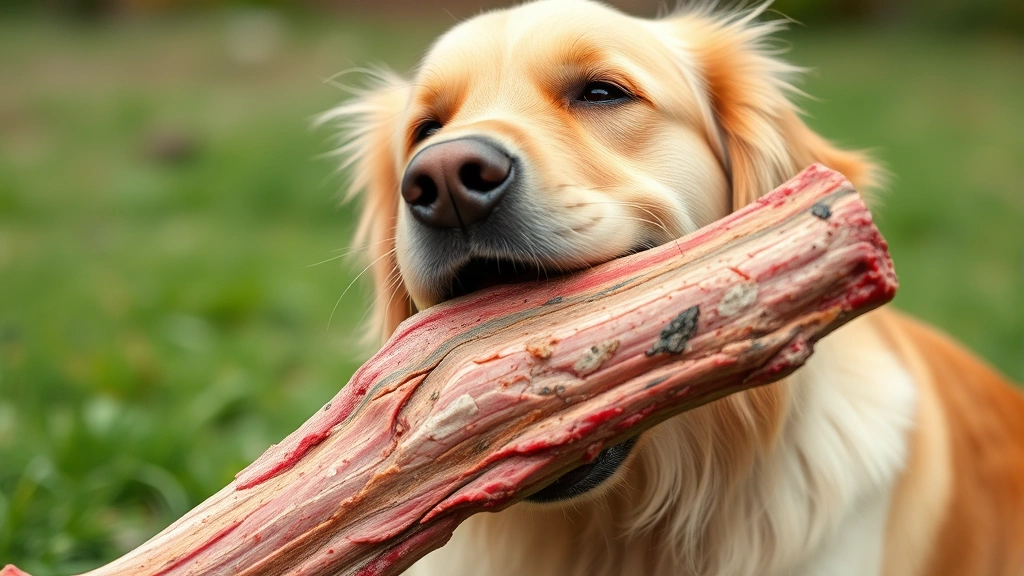
Can Dogs Eat Bones from Pork?
As a dog owner, you’ve probably wondered whether it’s safe to give your furry friend bones from your dinner plate. Pork bones, in particular, are a common question because pork is such a popular protein source in many households. The short answer is: it depends on the type of pork bone and how it’s prepared. While some bones can be beneficial for dogs, others pose serious health risks that every responsible pet parent should understand.
Understanding what your dog can and cannot eat is crucial for their long-term health and wellbeing. Bones have been part of canine diets for thousands of years, but modern processing methods and cooking techniques have changed the safety profile significantly. This comprehensive guide will help you make informed decisions about feeding pork bones to your dog, backed by veterinary expertise and safety guidelines.
Before offering any pork bones to your canine companion, it’s important to recognize the differences between raw and cooked bones, understand the specific risks associated with pork, and know what safer alternatives exist. Let’s explore everything you need to know about pork bones and your dog’s diet.
Table of Contents
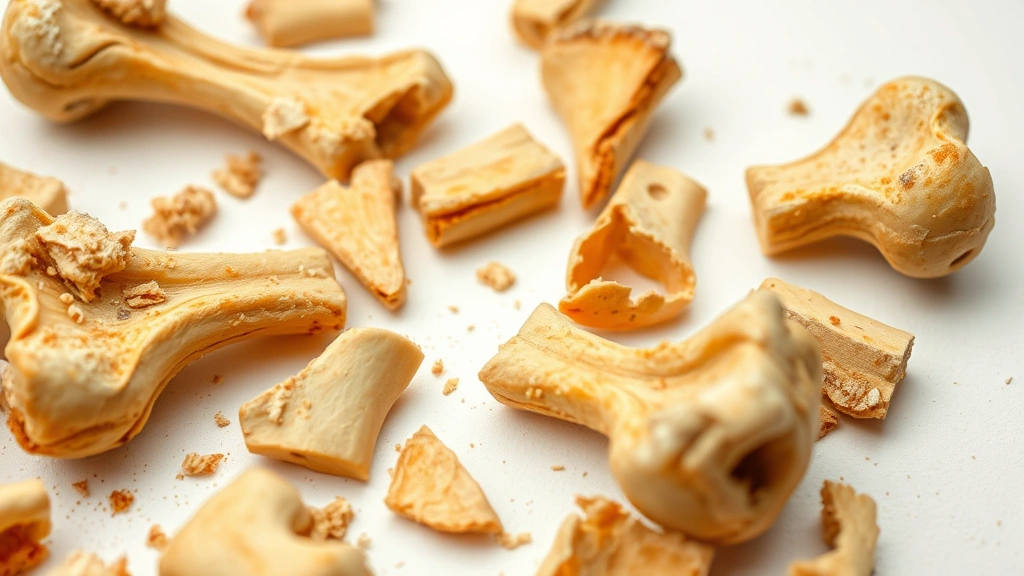
Raw vs. Cooked Pork Bones: The Critical Difference
The distinction between raw and cooked pork bones is perhaps the most important factor when considering whether to feed them to your dog. Cooked pork bones are significantly more dangerous than raw ones because the cooking process fundamentally changes the bone’s structure and properties. When pork bones are cooked, they become brittle and prone to splintering, which creates sharp fragments that can cause serious internal injuries.
Raw pork bones, on the other hand, are softer and more flexible. They’re less likely to splinter into dangerous pieces when chewed. However, this doesn’t mean raw pork bones are entirely risk-free. According to the American Kennel Club’s guidance on bones, even raw bones come with considerations that pet owners must carefully weigh.
If you’re considering raw pork bones, they should be meaty bones with substantial soft tissue still attached, not bare bones stripped of meat. The meat provides nutrition and makes the bone less likely to cause damage. Additionally, raw pork carries its own bacterial concerns, including potential contamination with salmonella or E. coli, which can affect both dogs and humans in the household. Always source raw pork bones from reputable suppliers and handle them with proper food safety practices.
Health Risks Associated with Pork Bones
Pork bones present several specific health concerns that differ from other types of bones. One of the primary risks is pancreatitis, particularly if the pork bones have fatty meat attached. Dogs are susceptible to pancreatitis when they consume high-fat foods, and pork tends to be fattier than other meats. The pancreas becomes inflamed, leading to pain, vomiting, and potentially life-threatening complications. You should also be aware that dogs can eat bacon in moderation, but the high-fat nature of pork products makes this a consideration across the board.
Another concern specific to pork is the potential for trichinosis and other parasitic infections if the bone comes from undercooked or improperly handled pork. While this is less common in commercial pork products, it remains a legitimate risk. Additionally, the high sodium content in many pork products, especially processed pork bones or those prepared with seasonings, can be harmful to dogs.
Bone fragments present a universal risk regardless of the meat source. These fragments can lodge in the throat, esophagus, stomach, or intestines, causing blockages that may require emergency surgery. Similar concerns exist with chicken bones, which is why veterinarians generally recommend caution with all cooked poultry and meat bones.
Digestive Safety and Choking Hazards
The digestive system of dogs is incredibly powerful but not invulnerable. While dogs have stronger stomach acid than humans, which allows them to process bones more effectively, this doesn’t make them immune to damage from bone fragments. A dog’s digestive tract is also subject to blockages that can be just as serious in dogs as in humans.
Choking is an immediate and obvious hazard when dogs are given bones. Small breeds and dogs that don’t chew thoroughly are particularly at risk. Even large breed dogs can experience choking if a piece of bone becomes lodged in their throat. Signs of choking include difficulty breathing, excessive drooling, pawing at the mouth, and panic. This is an emergency situation requiring immediate veterinary attention.
Beyond choking, bone fragments that successfully travel through the esophagus can cause gastroenteritis or intestinal blockages further down the digestive tract. Symptoms of these complications include constipation, abdominal pain, vomiting, loss of appetite, and lethargy. These conditions often require hospitalization and can become life-threatening if not treated promptly. The financial and emotional costs of treating such emergencies can be substantial, making prevention through proper diet choices crucial.
Safer Alternatives to Pork Bones
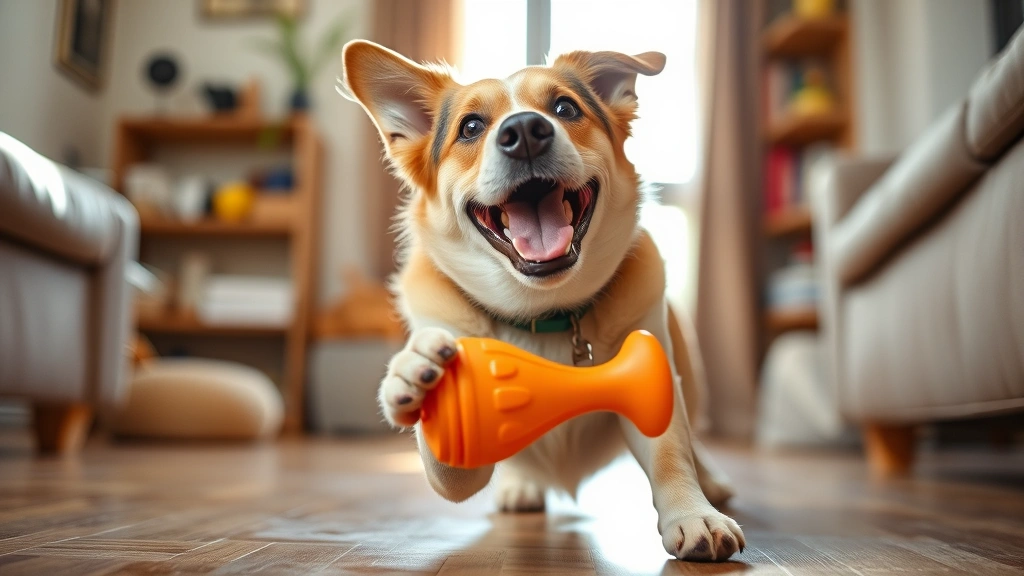
If you want to provide your dog with the benefits of bone-chewing and gnawing, several safer alternatives exist. Commercially produced dental chews and rawhide alternatives are specifically designed to be safe for dogs while promoting dental health and mental stimulation. These products are formulated to soften appropriately as dogs chew them, reducing the risk of splinters.
Another excellent option is recreational bones specifically designed for dogs, which are often made from materials that are gentler than actual bones. These products are engineered to provide the satisfaction of chewing without the associated risks. If you want to provide actual bone, consider offering raw meaty bones under close supervision, ensuring they’re appropriately sized for your dog and that you monitor consumption carefully.
Nutritional alternatives that provide similar benefits include high-quality dog food formulated with bone meal, which provides calcium and phosphorus without the choking and splintering risks. If your dog enjoys chewing, consider Kong toys filled with frozen broth or peanut butter, or similar interactive toys that satisfy the chewing instinct safely. These options provide mental enrichment and dental stimulation without the serious health risks associated with actual pork bones. If you’re interested in other protein options, learning about whether dogs can eat salmon skin might help you explore safer alternatives.
Signs Your Dog Has Eaten Unsafe Bones
Despite your best efforts to prevent it, your dog might occasionally consume pork bones without your knowledge. Knowing the warning signs of problems can help you seek veterinary care quickly. Immediate signs of distress include choking, difficulty swallowing, excessive drooling, and difficulty breathing. These symptoms require emergency veterinary care without delay.
Over the following hours and days, watch for vomiting, which may contain blood or bone fragments. Constipation or difficulty defecating, along with abdominal pain and tenderness, can indicate blockages. Your dog may assume a hunched posture, whine or cry, and show reluctance to move. Loss of appetite, lethargy, and dehydration are also concerning signs that warrant veterinary evaluation.
More subtle signs include changes in behavior, such as increased anxiety or depression, which can indicate pain. Some dogs may have diarrhea or soft stools as their digestive system tries to process bone fragments. If your dog exhibits any combination of these symptoms after eating pork bones, contact your veterinarian immediately. Early intervention significantly improves outcomes and can prevent the development of life-threatening complications.
Proper Feeding Guidelines and Best Practices
If you’ve decided to offer pork bones to your dog after consulting with your veterinarian, follow these strict guidelines to minimize risks. First, only offer raw meaty bones, never cooked bones. The bones should be appropriately sized for your dog—large enough that your dog cannot swallow it whole but small enough to handle comfortably. Always supervise your dog while they’re chewing on bones.
Introduce bones gradually if your dog isn’t accustomed to them. Start with shorter chewing sessions and monitor your dog’s digestive response over the next few days. If your dog experiences any digestive upset, discontinue bone feeding immediately. Remove the bone after 15-20 minutes if your dog hasn’t consumed it, as bacteria can begin to proliferate, especially in warm environments.
Maintain proper food safety practices when handling raw pork bones. Keep them frozen until use, thaw them in the refrigerator rather than at room temperature, and wash your hands and all surfaces that contact raw pork thoroughly. Consider feeding bones outdoors to minimize contamination risks in your home. Additionally, knowing that dogs can’t have chocolate is important when considering treats, and similarly, understanding bone safety is crucial for overall dietary planning. For comprehensive nutritional guidance, consult the AVMA’s resources on pet nutrition.
Frequently Asked Questions
Can dogs eat pork bone broth safely?
Pork bone broth is generally safer than actual bones because it provides the nutritional benefits of bones without the physical risks of splintering and choking. Make sure the broth is prepared without onions, garlic, or excessive salt, which can be harmful to dogs. Unseasoned, homemade pork bone broth or high-quality commercial varieties can be a nutritious addition to your dog’s diet when offered in moderation.
What should I do if my dog swallows a pork bone whole?
If your dog swallows a pork bone whole, monitor them closely for the next 48-72 hours. Watch for signs of distress, vomiting, constipation, or abdominal pain. Contact your veterinarian even if your dog seems fine initially, as blockages can develop over time. Don’t induce vomiting, as this can cause additional damage. Your vet may recommend X-rays to assess whether the bone poses an obstruction risk.
Are pork rib bones safe for dogs?
Pork rib bones are particularly risky because they tend to splinter more easily than other pork bones, whether raw or cooked. The thin, curved structure makes them prone to breaking into sharp fragments. Even raw pork rib bones should generally be avoided. If you want to give your dog ribs, consider removing the meat from the bones and offering only the meat portion, which avoids the risks entirely.
How do raw pork bones differ from raw bones of other meats?
Raw pork bones are softer and more digestible than raw beef bones, but they carry higher fat content and greater bacterial contamination risks. Raw pork also has parasitic risks that are less common in beef. Additionally, fish-based options like sardines offer nutritional benefits without bone-related risks, and scrambled eggs provide protein without any of the hazards associated with bones from any meat source.
Can puppies eat pork bones?
Puppies should never be given pork bones. Their digestive systems are still developing and more vulnerable to blockages and injuries. Additionally, puppies are more likely to swallow bones without proper chewing due to their less developed eating skills. Puppies require carefully controlled nutrition, and bones—especially pork bones—introduce unnecessary risks to their developing bodies.
What are the signs of bone fragment blockage?
Signs of intestinal blockage from bone fragments include severe abdominal pain, repeated vomiting, loss of appetite, constipation, lethargy, and dehydration. Your dog may have a distended abdomen and show signs of extreme discomfort. Some dogs may attempt to defecate but produce nothing or only small amounts of stool. This is a medical emergency requiring immediate veterinary attention, potentially including surgery.
Is there a safe way to give my dog pork as a protein source?
Yes, pork can be a healthy protein for dogs when prepared safely. Offer boneless, skinless cooked pork without seasonings, or raw ground pork from reputable sources handled with proper food safety. Lean pork cuts are preferable to fatty varieties. You can also incorporate pork into your dog’s diet through high-quality commercial dog foods formulated with pork. Always introduce new proteins gradually to assess your dog’s tolerance.





