
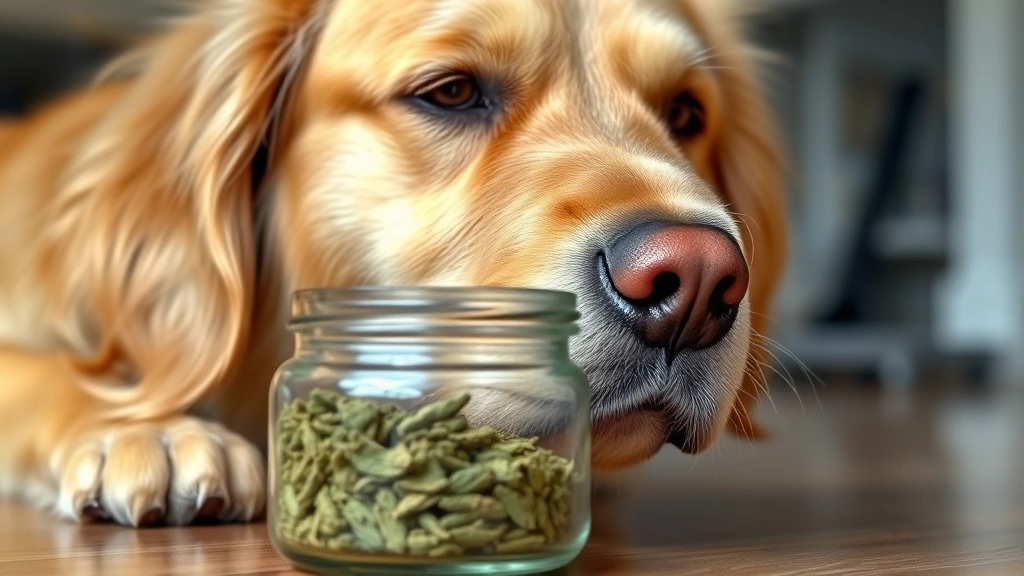
Does Catnip Affect Dogs? What Experts Say
If you’re a multi-pet household or simply curious about what your furry friend might experience around catnip, you’ve probably wondered: does catnip affect dogs the same way it affects cats? The short answer is no—but the full story is much more interesting. While catnip creates an almost magical reaction in felines, dogs experience this plant quite differently, and understanding why can help you make informed decisions about your pet’s toys and treats.
As a dog owner, you want to ensure everything in your home is safe for your canine companion. Catnip is a common household item, especially if you have cats, so it’s worth knowing exactly how it impacts dogs. In this comprehensive guide, we’ll explore what catnip does to dogs, whether it’s safe for them, and what experts recommend about this intriguing herb.
Whether you’re considering giving your dog catnip as a toy or treat, or you’re simply concerned about accidental exposure, this article will give you all the information you need to keep your pup happy and healthy.
What Is Catnip?
Catnip, scientifically known as Nepeta cataria, is a perennial herb from the mint family native to Europe and Asia. This unassuming plant has become famous worldwide for its dramatic effects on domestic cats, but many people don’t realize it has a rich history of use beyond feline entertainment.
The magic ingredient in catnip is a volatile oil called nepetalactone. This organic compound is what triggers the characteristic response in cats—the rolling, rubbing, and euphoric behavior that cat lovers find so entertaining. Nepetalactone acts as a natural insecticide and repellent in the plant itself, protecting it from pests in its native habitats.
Catnip comes in several forms: fresh dried leaves, essential oils, sprays, and even incorporated into toys and treats. The dried form is most common in pet stores, though fresh catnip plants are increasingly available for those who want to grow their own. The potency of catnip varies depending on how it’s dried, stored, and processed.
Understanding the chemical composition of catnip is crucial because it explains why dogs don’t respond the same way cats do. The difference lies not in the plant itself, but in the neurological and sensory differences between these two species.

Why Do Cats React So Differently to Catnip?
Cats have a specialized sensory response to catnip that’s absolutely fascinating from a biological perspective. When a cat smells catnip, the nepetalactone molecules bind to receptors in the cat’s nasal tissue, specifically targeting the vomeronasal organ (also called the Jacobson’s organ). This organ is connected to the brain’s limbic system, which controls emotions, behavior, and memory.
When these receptors are activated, cats experience what researchers describe as a euphoric state. This is why you see cats exhibiting behaviors like rolling on their backs, rubbing their faces in the catnip, jumping around playfully, and even appearing to hallucinate. Approximately 70-80% of cats respond to catnip this way, though some cats are genetically unresponsive to its effects.
The response typically lasts about 5-15 minutes, after which the cat becomes temporarily immune to catnip’s effects—a phenomenon called “habituation.” This is why cat owners often notice that leaving catnip out for extended periods makes it less effective. Cats need a break of several hours before they can enjoy catnip’s effects again.
This entire response system evolved naturally to help cats in their environment, though scientists aren’t entirely certain of the original evolutionary purpose. Some theories suggest it mimics pheromones or triggers hunting behaviors, while others propose it’s simply a neurological quirk that happens to be pleasurable.
How Dogs Respond to Catnip
Here’s the key difference: dogs don’t have the same vomeronasal response system to catnip that cats do. Most dogs simply don’t react to catnip in any noticeable way, even though they can smell it. This isn’t because dogs are less sophisticated—it’s simply a matter of different sensory anatomy and brain chemistry.
When you learn what catnip does to dogs, you’ll discover that the answer for most pups is: not much. Some dogs might be mildly interested in catnip toys because of the texture or because they’ve seen cats enjoying them, but they won’t experience the euphoric, mind-altering effects that felines do.
However—and this is important—some dogs do show mild interest in catnip. A small percentage of dogs may exhibit subtle responses, such as increased sniffing, mild playfulness, or curiosity. This variability is likely due to individual genetic differences, just as some cats don’t respond to catnip either.
If your dog does show interest in catnip, it’s more likely due to the texture of the toy or the plant material itself rather than the psychoactive effects. Dogs might enjoy chewing or tossing around a catnip toy the same way they enjoy any other enrichment toy.
It’s also worth noting that some dogs might react differently if they ingest catnip rather than just smelling it. The digestive system processes the plant material differently than the olfactory system, which could potentially create different effects.
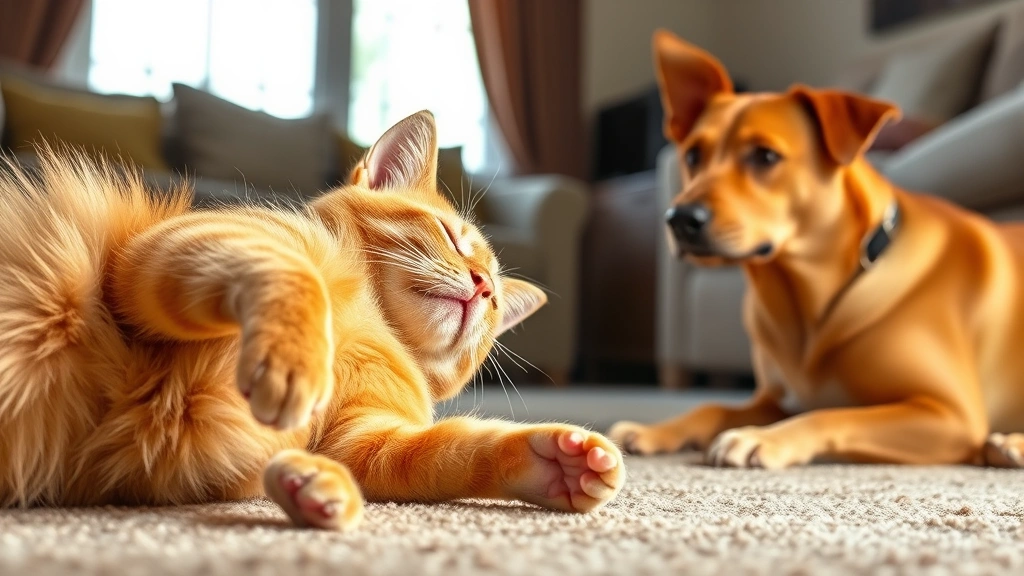
Is Catnip Safe for Dogs?
The good news for dog owners is that catnip is generally considered safe for dogs when used appropriately. The ASPCA lists catnip as non-toxic to dogs, which means accidental exposure or even intentional small amounts typically won’t cause harm to your canine companion. This is a significant relief if you have both cats and dogs in your household.
However, “safe” doesn’t mean there are zero concerns. When considering whether catnip is bad for dogs, you need to think about moderation and individual circumstances. While catnip itself isn’t toxic, there are several scenarios where catnip products might pose risks:
- Choking hazards: Catnip toys designed for cats might not meet the same durability standards as dog toys. If your dog is an aggressive chewer, a catnip toy could break apart and create a choking risk.
- Digestive upset: Consuming large quantities of catnip plant material might cause mild gastrointestinal upset in some dogs, including vomiting or diarrhea.
- Allergic reactions: Though rare, some dogs might have individual sensitivities to catnip, potentially causing itching or other allergic responses.
- Essential oil concerns: Concentrated catnip essential oils are more potent and could potentially cause issues if ingested in large quantities.
- Contamination: Some commercial catnip products might be contaminated with pesticides or other harmful substances, particularly if not sourced from reputable manufacturers.
According to ASPCA guidelines, while catnip is non-toxic, it’s still best to supervise your dog with any new toy or treat. This is standard practice for any pet product, not just catnip-related items.
When asking if dogs can have catnip, the answer is yes—in moderation and under appropriate circumstances. The key is using common sense and understanding your individual dog’s behavior and health status.
Potential Benefits and Risks
Potential Benefits:
If your dog does respond positively to catnip, there could be some minor benefits. Catnip toys might provide mental stimulation and enrichment, which is essential for your dog’s overall wellbeing. Any toy that encourages play and engagement can contribute to a healthier, happier pet.
Additionally, if your dog enjoys catnip toys, they provide a safe, non-toxic option for playtime. Unlike some toys that might contain questionable materials or chemicals, catnip is a natural herb with a long history of safe use with pets.
For dogs that are curious about catnip, it might even serve as a bonding opportunity. Playing with your dog using catnip toys can strengthen your relationship and provide quality time together.
Potential Risks:
The primary risks associated with catnip for dogs are related to the toy or product itself rather than the catnip. Poor-quality toys designed for cats might not withstand a dog’s chewing, creating choking or blockage hazards.
If your dog has a sensitive stomach, the plant material in catnip could cause mild digestive upset. Dogs with existing gastrointestinal conditions should probably avoid catnip altogether, as it could exacerbate their symptoms.
There’s also the behavioral consideration: if you’re using catnip toys meant for cats, you might inadvertently confuse your dog about what toys are “theirs” versus what belongs to your cat. This could create tension in multi-pet households if your dog starts stealing your cat’s toys.
It’s also worth considering that if your dog doesn’t respond to catnip, purchasing catnip products specifically for them would be a waste of money. You’d be better off investing in toys designed specifically for dogs’ needs and preferences.
Better Alternatives for Your Dog
Rather than relying on catnip, which most dogs don’t respond to anyway, there are many better options for enriching your dog’s life. These alternatives are specifically designed with canine psychology and preferences in mind.
Dog-Specific Herbs and Toys:
Consider exploring dog-friendly alternatives to cat treats and toys. Valerian root is an herb that some dogs do respond to, similar to how some dogs might respond to catnip. It’s not as well-known, but it can provide similar enrichment benefits.
Toys containing natural rubber, rope fibers, or other dog-safe materials often provide more engaging experiences for canines. These toys engage your dog’s natural instincts to chew, fetch, and explore.
Mental Stimulation Options:
Puzzle toys, treat-dispensing toys, and interactive games provide excellent mental stimulation that most dogs find far more rewarding than catnip. These toys challenge your dog’s problem-solving abilities and keep their minds engaged.
Kong toys, snuffle mats, and hide-and-seek games are all proven to provide enrichment and reduce boredom-related behaviors. These options also help tire out your dog mentally, which can lead to better behavior overall.
Physical Exercise and Play:
Don’t underestimate the power of good old-fashioned play and exercise. Fetch, tug-of-war, running, and swimming are all activities that most dogs find far more rewarding than any toy filled with catnip.
Regular walks, trips to the dog park, and playtime with you provide both physical exercise and mental stimulation. These activities also strengthen your bond with your dog and contribute to their overall health and happiness.
Safe Chewing Options:
If you’re looking for something your dog can safely chew on, consider natural options like bully sticks, yak chews, or appropriately-sized raw bones under supervision. These provide the chewing satisfaction that dogs crave without the uncertainty of whether they’ll actually enjoy catnip.
When thinking about what foods and treats are appropriate for your dog, it’s important to focus on products specifically formulated for canine nutrition and enjoyment. Your dog will likely appreciate these alternatives far more than catnip.
For households with both cats and dogs, understanding these differences can help you provide appropriate enrichment for each pet. Your cat can enjoy their catnip toys while your dog enjoys toys and activities better suited to their unique needs and preferences.
If you’re concerned about your dog’s behavior or enrichment needs, consulting with your veterinarian or a certified dog trainer can provide personalized recommendations based on your dog’s age, breed, and individual personality.
Frequently Asked Questions
Will catnip harm my dog if they eat it?
Catnip is non-toxic to dogs, so accidental ingestion of small amounts won’t cause poisoning or serious harm. However, consuming large quantities of catnip plant material could potentially cause mild digestive upset, including vomiting or diarrhea. If your dog has ingested a significant amount of catnip and shows signs of distress, contact your veterinarian.
Can I give my dog catnip toys?
Technically, you can give your dog a catnip toy, but it’s not necessarily the best choice. Most dogs won’t respond to the catnip itself, so you’d essentially be giving them a regular toy. The main concern is that catnip toys designed for cats might not be as durable as dog toys, potentially creating choking hazards if your dog is an aggressive chewer.
Why don’t dogs respond to catnip like cats do?
Dogs lack the specialized vomeronasal sensory system that cats have. Cats have a specific organ that detects nepetalactone (the active compound in catnip), which triggers a euphoric response in their brains. Dogs simply don’t have this same neurological pathway, so they don’t experience the psychoactive effects of catnip.
Is there anything like catnip for dogs?
Yes! While catnip specifically doesn’t work for most dogs, valerian root can provide similar effects for some canines. Additionally, toys with natural scents like anise or fennel might appeal to some dogs. However, the best enrichment for most dogs comes from interactive play, puzzle toys, and physical exercise rather than scent-based products.
What should I do if my dog keeps stealing my cat’s catnip toys?
If your dog is interested in your cat’s catnip toys, it’s usually due to the toy’s texture or the attention it gets rather than the catnip itself. Store cat toys separately and provide your dog with appropriate dog toys instead. This helps prevent territorial issues and ensures each pet has toys suited to their specific needs.
Can catnip cause allergies in dogs?
While true allergies to catnip are rare in dogs, some individuals might have sensitivities. Signs of a reaction could include itching, skin irritation, or gastrointestinal upset. If you notice any unusual symptoms after your dog encounters catnip, consult your veterinarian.
How much catnip is safe for dogs?
If you choose to give your dog catnip, moderation is key. Small amounts of dried catnip on occasion are unlikely to cause problems. However, since most dogs don’t actually enjoy or respond to catnip, there’s little reason to give it to them regularly. Focus on dog-specific enrichment instead.
Should I be worried if my dog ate my cat’s catnip?
Accidental consumption of catnip shouldn’t cause serious concern. As long as the amount was small to moderate, your dog should be fine. Monitor them for any signs of digestive upset, but most dogs will pass the plant material without issues. If your dog consumed a very large quantity or shows concerning symptoms, contact your vet.





