

Your dog’s tail is wagging just thinking about the beach. But here’s the real talk: not every stretch of sand welcomes four-legged friends. Finding dog friendly beaches that actually allow dogs—and where your pup won’t get hassled by rangers—takes some homework. The good news? Thousands of dog friendly beaches across North America are ready for your next adventure, and I’m going to walk you through exactly where to find them and how to make the trip stress-free for everyone involved.
Beach trips with dogs are some of the best memories you’ll create. The salt air, the endless running space, the pure joy on their face—it’s worth the planning. But showing up unprepared to a dog friendly beach can turn magical into chaotic fast. Let’s fix that.
How to Find Dog Friendly Beaches Near You
Let’s start with the obvious: not all beaches allow dogs, and the rules change constantly. I’ve seen beaches flip their policies mid-season, so calling ahead is non-negotiable. Here’s your action plan:
- Check official beach websites first. City and county parks departments post their current dog policies online. Look for specific sections about pets or animals.
- Call the ranger station or beach office directly. A 5-minute phone call beats driving two hours to find out dogs aren’t allowed. Ask about leash requirements, restricted times, and whether they have designated dog areas.
- Use dog-specific apps and websites. BringFido and similar platforms crowdsource dog friendly beach info from actual visitors. Read recent reviews—they’ll tell you if the rules are enforced or if rangers actually care.
- Join local dog owner groups on social media. Facebook groups for your area are goldmines. People post real-time updates about which dog friendly beaches are currently welcoming and which ones have tightened restrictions.
- Check the National Park Service website if you’re considering national parks or seashores. Most have strict no-dog policies on beaches, but some allow dogs in certain areas. Worth checking before you plan a trip to places like Cape Hatteras or Point Reyes.
Pro tip: Screenshot or bookmark the official rules page. Bring it on your phone. If a ranger questions you, having documentation saves arguments.
Top Dog Friendly Beaches Across North America
These aren’t the only dog friendly beaches out there, but they’re solid options with established reputations and actual infrastructure for dogs:
California: Carmel Beach and Coronado Beach (San Diego) are legendary among dog owners. Both allow off-leash dogs during certain hours (usually early morning and evening). Bring a ball or frisbee—these beaches have serious dog culture. The AKC’s travel guides list several other California dog friendly beaches worth exploring.
Florida: Clearwater Beach and Siesta Key allow dogs on-leash year-round, but the real magic happens during off-season months (May–September) when restrictions loosen. The warm water is perfect for senior dogs who need easy movement.
Northeast: Cape Cod beaches in Massachusetts have multiple dog friendly zones. Nauset Beach is particularly popular. Rhode Island’s Newport beaches also welcome dogs, especially in shoulder seasons.
Pacific Northwest: Long Beach Peninsula in Washington is a dog owner’s dream—miles of flat sand and a genuinely dog-friendly community. Cannon Beach in Oregon is stunning and allows dogs on-leash year-round.
Texas: Galveston Island has designated dog areas, and the vibe is relaxed. South Padre Island is another solid option if you’re in that region.
Pro Tip: Dog friendly beaches in less touristy towns often have fewer restrictions than famous spots. A smaller beach two towns over might feel less crowded and more welcoming than the Instagram-famous one.
Seasonal Rules and Off-Season Advantages
Here’s something most people miss: the best time to take your dog to the beach isn’t summer.
Most dog friendly beaches restrict dogs during peak season (Memorial Day through Labor Day). Why? Crowded beaches = liability concerns for municipalities. But the second summer ends, restrictions often drop dramatically. Many beaches go from “dogs allowed 6–9 AM only” to “dogs welcome all day, leashed or off-leash.”
The practical benefits are huge:
- Water is calmer. Less rip currents and rough surf mean safer swimming for dogs.
- Fewer people means fewer conflicts and less stress for anxious dogs.
- The sand is cooler, which matters for paw pads. Summer sand can literally burn dog feet in minutes.
- No tourist crowds means you can actually relax instead of managing your dog around screaming kids and umbrellas.
If you can swing it, take your dog beach trip in May, September, or October. You’ll have a better experience, the dog friendly beaches will be more accommodating, and your dog will actually enjoy it instead of being stressed.
Winter at dog friendly beaches is also underrated. Your dog gets the beach almost entirely to themselves. The trade-off: cold water and potential hypothermia risk, so bring a wetsuit for water-loving breeds and limit swim time.
What to Pack for a Beach Day with Your Dog
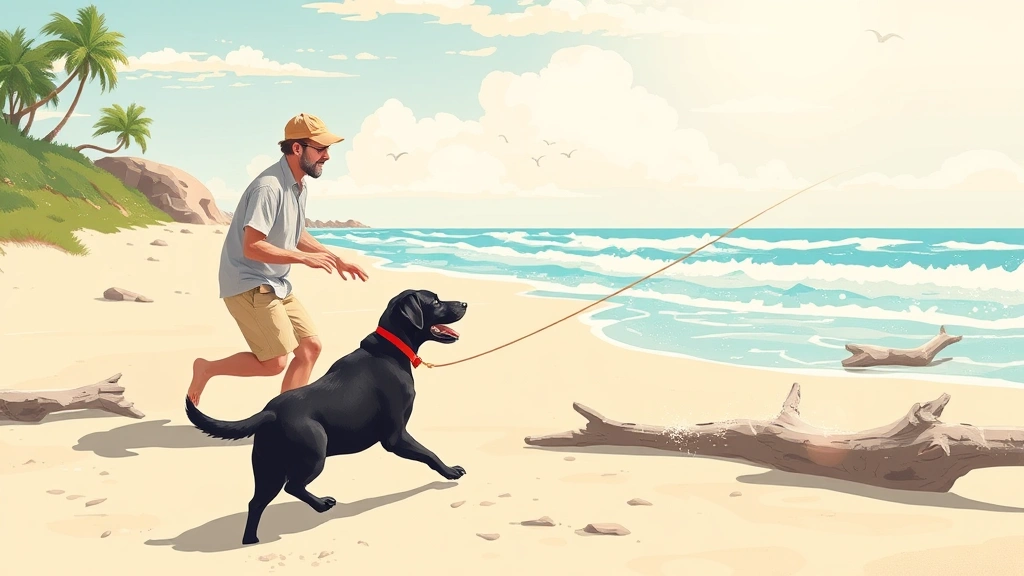
Showing up with just a leash and optimism is how beach trips go sideways. Here’s what actually matters:
Hydration and food: Bring way more fresh water than you think you need. Salt water dehydrates dogs fast, and they’ll drink it if given the chance (which causes diarrhea and vomiting). Pack a collapsible bowl. Bring snacks—the exertion of beach play burns calories quickly.
Sun protection: Dogs get sunburned, especially on noses, ear tips, and belly areas. Dog-safe sunscreen exists—use it. Light-colored and thin-coated dogs are at highest risk.
Paw care: Sand gets stuck between paw pads and causes irritation. Bring a bucket or wet towel to rinse paws before leaving the beach. If your dog has sensitive feet, consider dog booties. Flies and other insects can be problematic at the beach, so bringing insect repellent designed for dogs isn’t overkill.
Towels and drying: Wet dogs get cold fast. Bring a microfiber dog towel—they absorb way more water than regular towels. If it’s cool outside, consider a dog robe or sweater for after-swim drying.
First aid kit: Include bandages, antiseptic wipes, tweezers (for splinters or sea urchin spines), and any medications your dog takes. Cuts from shells or rocks are common beach injuries.
Identification and safety gear: Even at dog friendly beaches with off-leash areas, bring a collar with ID tags and a microchip. Beach environments are disorienting—dogs bolt. A long line (20–30 feet) gives freedom while keeping control. PetMD recommends always having backup identification when traveling.
Waste bags: More than you think you’ll need. Beach sand doesn’t hide poop—everyone sees it. Being the person who cleans up after their dog is the fastest way to keep dog friendly beaches actually dog-friendly.
Entertainment: Dogs love tennis balls, but bring a ball designed for water play. Regular tennis balls get waterlogged and heavy. Floating toys are safer for water-loving dogs.
Safety Warning: Never leave your dog unattended in a parked car, even with windows down. Beach parking lots get hot fast, and heatstroke can kill a dog in minutes. If you need to run an errand, take your dog with you or leave them home.
Safety Concerns at Dog Friendly Beaches
Dog friendly beaches are still beaches. There are real hazards:
Salt water ingestion: Drinking ocean water causes hypernatremia (sodium poisoning). Symptoms include excessive thirst, lethargy, and neurological issues. Limit water access and rinse your dog’s mouth with fresh water frequently.
Rip currents: They’re not just dangerous for humans. If your dog gets caught in one, don’t let them panic—swim parallel to shore, not directly against the current. Strong swimmers can handle this; weaker swimmers shouldn’t be off-leash in deep water.
Jellyfish and sea urchins: Common on dog friendly beaches, especially after storms. Jellyfish stings cause pain and swelling. Sea urchin spines embed in paws. If your dog encounters either, rinse with vinegar (for jellyfish) and remove spines with tweezers. Call a vet if reactions are severe.
Algae blooms: Blue-green algae (cyanobacteria) can be toxic to dogs. If water looks discolored or has a funky smell, keep your dog out. This isn’t paranoia—it’s real and can cause liver damage or neurological issues.
Ear infections: Water in ears + sand + salt = infection. Dry ears thoroughly after beach trips. If your dog is prone to ear issues, use preventative ear drops designed for water exposure.
Overheating: Beach play is intense. Dogs overheat faster than you’d expect, especially in sun. Watch for excessive panting, drooling, or lethargy. Take frequent breaks in shade, and always have fresh water available.
Parasites and bacteria: Beach sand can harbor parasites and bacteria. If your dog eats sand (some do), they risk intestinal issues. Discourage sand eating and watch for signs of digestive upset in the days after.
Other dogs and conflict: Dog friendly beaches attract lots of dogs. Not all are well-socialized or friendly. Keep your dog close if you notice tense body language in other dogs—stiff posture, raised hackles, direct stares. Understanding dog body language helps prevent conflicts.
Beach Etiquette: Keep Your Dog Welcome
Dog friendly beaches stay dog-friendly because owners follow the rules and respect others. Here’s the unwritten code:
Leash laws matter. If the beach requires leashes, use them. Yes, even if your dog is “really well-trained.” One incident with an off-leash dog spooking someone’s reactive dog, and the next rule change bans all dogs.
Clean up immediately. This is non-negotiable. Poop on the beach is the #1 reason municipalities ban dogs. Bring bags, use them, and dispose of them properly. Sand-covered poop still counts.
Recall is essential. If your dog is off-leash at a dog friendly beach, they need to come back the instant you call. If they don’t reliably respond, they’re not ready for off-leash time. Practice recall training at home first.
Respect other beach users. Not everyone loves dogs. Some people are afraid of them. Keep your dog from jumping on strangers or invading their space. If someone asks you to keep your dog away, do it without attitude.
Supervise interactions. Just because two dogs approach each other doesn’t mean they want to play. Watch body language. If one dog seems uncomfortable, step in and separate them calmly.
Don’t encourage aggressive behavior. Wrestling, mounting, and intense chasing can escalate. If play is getting rough, call your dog over and reset.
Respect seasonal restrictions. If dogs aren’t allowed during certain months, don’t sneak your dog in. These rules exist for a reason—usually nesting birds or peak tourism.
Leave no trace. Pick up any toys or items you brought. Don’t leave food scraps or trash. The cleaner the beach stays, the longer dog friendly beaches stay dog-friendly.
Alternatives When Dog Friendly Beaches Aren’t Available
Sometimes you can’t access dog friendly beaches. Maybe you’re inland, or the nearest beach bans dogs year-round. Here are solid alternatives:
Dog parks with water features: Many dog parks have splash pads or small ponds. Not the same as the ocean, but dogs get the water play without the salt and sand.
Lakes and rivers: Often more dog-friendly than beaches. Freshwater is safer than salt water. Check local regulations, but lakes typically allow dogs more readily than ocean beaches.
Hiking trails near water: Not all national parks allow dogs on trails, but many state parks and local trails do. Water crossings and stream play scratch the same itch as beach trips.
Designated dog beaches in less obvious places: Some smaller towns have dog-friendly coves or bay areas that don’t get much press. Ask locals. They’ll know where dogs actually go.
Private dog beach clubs: Some areas have membership-based dog beaches. Higher cost, but guaranteed dog-friendly environment and fewer conflicts.
Seasonal beach rentals with private beach access: If you’re planning a vacation, rent a beach house with private beach access. Rules are yours to make.
Frequently Asked Questions
Are all dog friendly beaches off-leash?
– No. Many dog friendly beaches require leashes. Check the specific beach’s rules before visiting. Off-leash areas are typically only during certain hours or in designated zones.
Can I take my senior dog to the beach?
– Yes, with precautions. Warm water is easier on arthritic joints. Limit exertion, avoid hot sand, and bring extra water. Older dogs overheat faster, so shorter trips are better. Watch for signs of fatigue.
What should I do if my dog gets stung by a jellyfish?
– Rinse with vinegar if available, then fresh water. Remove any visible tentacles with tweezers (not bare hands). Soak the area in hot water (as hot as you can tolerate) for 20–45 minutes. If swelling or systemic symptoms develop, call a vet immediately.
How often can I take my dog to the beach?
– Healthy dogs can go weekly or more often. The limiting factor is usually your schedule. Some dogs develop skin irritation from frequent salt water exposure, so rinse and dry thoroughly after each trip. If rashes develop, take a break and consult your vet.
Do dog friendly beaches have facilities for dogs?
– Some do—water stations, shade structures, designated relief areas. Most don’t. Assume you’re bringing everything your dog needs. Call ahead to ask what’s available.
Can I bring my puppy to dog friendly beaches?
– Yes, once they’ve had their core vaccinations (usually 16 weeks old). Puppies are more vulnerable to parasites and bacteria, so extra attention to hygiene is important. Keep them close—puppies are easily overwhelmed by beach environments.

What’s the best time of day to visit dog friendly beaches?
– Early morning (before 9 AM) or evening (after 5 PM). Fewer people, cooler sand, and less intense sun. Plus, many dog friendly beaches have off-leash hours during these times.
How do I prevent dog smell after a beach visit?
– Rinse with fresh water immediately, dry thoroughly, and wash bedding and any items that came into contact with salt water. Enzymatic shampoos designed for removing salt smell work well. The smell usually fades within a few days if you rinse properly.





