

Why Do Dogs Snore?
If you’ve ever been startled awake by your furry best friend’s thunderous snoring, you’re not alone. Many dog owners wonder about this curious behavior and whether it’s something to be concerned about. Dog snoring is actually quite common, but understanding why your pup is sawing logs can help you determine if it’s just an endearing quirk or a sign of an underlying health issue. Whether your dog snores softly or sounds like a chainsaw cutting through wood, there are several reasons why this phenomenon occurs.
The sound of a snoring dog can range from barely noticeable to absolutely deafening, and it typically happens during sleep when your dog’s body is completely relaxed. Like humans, dogs can snore for various reasons, some harmless and others that may require veterinary attention. Understanding the root cause of your dog’s snoring is essential for ensuring their comfort and well-being. In this comprehensive guide, we’ll explore the anatomical, environmental, and health-related factors that contribute to canine snoring, helping you become a better-informed pet parent.
Since dogs sleep so much throughout the day, it’s important to understand what’s happening during their rest periods. This knowledge will help you recognize normal sleep patterns versus signs that something might need professional evaluation.
Table of Contents
- Anatomical Reasons for Dog Snoring
- Breed Predisposition and Facial Structure
- Weight and Overall Health Factors
- Environmental and Sleep Position Influences
- When Snoring May Indicate Health Concerns
- Managing Your Dog’s Snoring
- Frequently Asked Questions
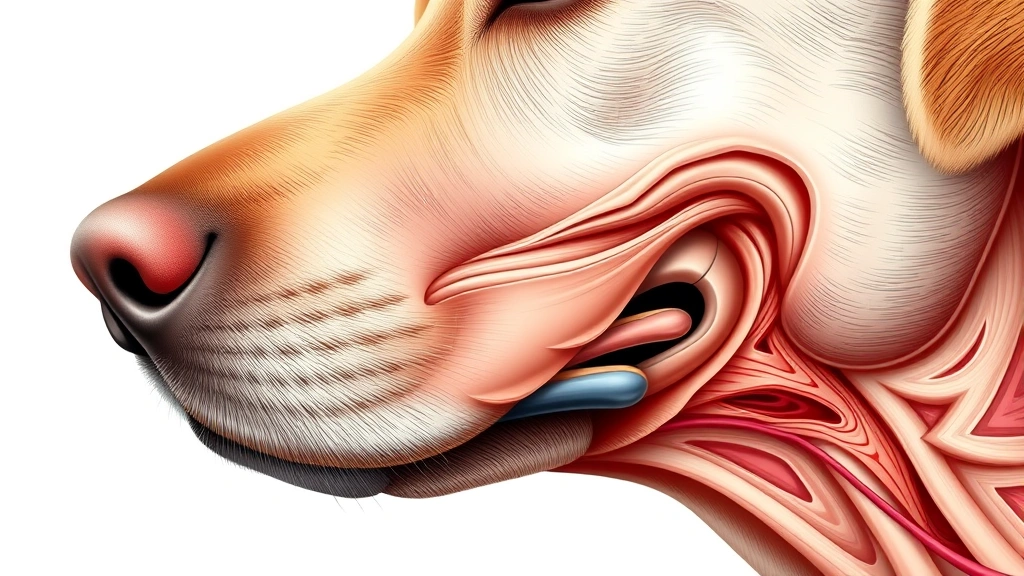
Anatomical Reasons for Dog Snoring
Snoring occurs when air passes through narrowed airways during sleep, causing the tissues in the throat and nasal passages to vibrate. In dogs, this is a completely normal physiological response, much like it is in humans. When your dog falls into a deep sleep, the muscles in their throat relax, which can partially obstruct the airway. This relaxation is particularly pronounced during REM sleep, which is when dogs experience the most vivid dreams and the deepest rest.
The structure of a dog’s throat and soft palate plays a significant role in snoring. The soft palate is the tissue at the back of the roof of the mouth, and when it relaxes during sleep, it can vibrate as air flows past it. This vibration is what creates the snoring sound. Some dogs are simply more predisposed to this anatomical relaxation than others, which is why some pups are chronic snorers while their littermates sleep in complete silence.
According to the American Kennel Club’s expert advice on snoring, this is a normal occurrence in many healthy dogs. However, the intensity and frequency can vary significantly from one dog to another. Understanding that snoring is related to airway anatomy helps pet owners distinguish between normal snoring and snoring that might indicate a problem requiring veterinary attention from PetMD experts.
Breed Predisposition and Facial Structure
Certain dog breeds are far more prone to snoring than others, and this comes down to selective breeding and facial structure. Brachycephalic breeds—those with short, flat faces—are the most notorious snorers. This group includes popular breeds like Bulldogs, Pugs, Shih Tzus, Boston Terriers, and Boxers. These breeds have compressed facial features that can naturally narrow their airways, making snoring more likely.
The shortened muzzle and pushed-back nose characteristic of brachycephalic breeds means that their airway passages are inherently narrower than those of dogs with longer snouts. This anatomical difference predisposes these breeds to snoring and can sometimes contribute to more serious respiratory issues. Interestingly, the Humane Society notes that breed is one of the primary factors in snoring prevalence, emphasizing the importance of understanding your specific dog’s breed characteristics.
Beyond brachycephalic breeds, larger dogs also tend to snore more frequently than smaller breeds. Breeds like Labradors, Golden Retrievers, and Bernese Mountain Dogs often develop snoring habits as they age or gain weight. The larger throat tissues and increased mass can contribute to airway obstruction during sleep. If you have a breed that’s predisposed to snoring, it’s helpful to monitor your dog’s respiratory health throughout their life.
Weight and Overall Health Factors
Obesity is one of the most significant controllable factors contributing to dog snoring. When dogs carry excess weight, fat deposits can accumulate around the throat and neck area, narrowing the airway and increasing the likelihood of snoring. Weight management is crucial not only for preventing snoring but also for your dog’s overall health and longevity. A dog at a healthy weight will have better respiratory function and improved sleep quality.
Age also plays a role in snoring patterns. As dogs age, their muscles weaken, including those that support the airway. Older dogs are more likely to snore than younger dogs, even if they haven’t snored previously in their lives. This is a natural part of aging, but it’s still important to differentiate between age-related snoring and snoring caused by health problems. Your veterinarian can help you understand what’s normal for your aging companion and Cornell University’s veterinary resources explain the connection between age and snoring.
Allergies and respiratory infections can temporarily increase snoring. If your dog suddenly starts snoring or snores more heavily during certain seasons, it may indicate allergies or inflammation in the airways. Chronic conditions like hypothyroidism can also contribute to snoring by affecting weight and metabolism. Understanding your dog’s overall health picture is essential for identifying whether snoring is a benign trait or a symptom of something requiring intervention.

Environmental and Sleep Position Influences
Your dog’s sleeping position significantly impacts whether they snore. Dogs that sleep on their backs or with their heads tilted back are more likely to snore because gravity affects how their airway is positioned. The relaxed muscles and the angle of the neck can combine to partially obstruct airflow. Some dogs are naturally back sleepers and may snore as a result, while dogs that sleep on their sides or curled up may snore less frequently.
Environmental factors also play a role in snoring intensity. Dogs sleeping in rooms with poor air quality, high humidity, or dust may snore more than those in clean, well-ventilated spaces. Allergens like dust mites, pollen, and pet dander can inflame the nasal passages and throat, leading to increased snoring. If you notice your dog snores more during certain seasons or in specific rooms, environmental factors may be contributing. Additionally, why dogs pant during sleep is related to their overall respiratory comfort and environmental conditions.
Temperature also affects snoring patterns. Dogs may snore more in warm environments because heat can cause tissues to swell slightly. Conversely, very dry air can irritate the throat and nasal passages. Maintaining a comfortable room temperature and adequate humidity levels can help reduce snoring episodes. Some pet owners find that using a humidifier in their bedroom helps their dogs sleep more quietly.
When Snoring May Indicate Health Concerns
While most dog snoring is harmless, there are situations where snoring can indicate an underlying health problem that requires veterinary evaluation. If your dog’s snoring is accompanied by excessive daytime sleepiness, difficulty breathing, or gasping sounds, these could be signs of sleep apnea or other respiratory conditions. Sleep apnea in dogs occurs when breathing temporarily stops during sleep, causing the dog to wake frequently and disrupting their rest quality.
Brachycephalic Obstructive Airway Syndrome (BOAS) is a serious condition that affects flat-faced breeds and can cause severe snoring along with breathing difficulties. Dogs with BOAS may experience exercise intolerance, overheating, and respiratory distress. This condition sometimes requires surgical intervention to improve airway passage. The American Veterinary Medical Association provides detailed information about breed-specific health issues including respiratory problems.
Other health concerns associated with excessive snoring include nasal polyps, tumors, or chronic rhinitis. If your dog has never snored before and suddenly develops snoring habits, or if the snoring worsens over time, schedule a veterinary examination. Changes in snoring patterns can indicate infections, inflammation, or other conditions requiring treatment. Your veterinarian can perform diagnostics to rule out serious conditions and provide appropriate treatment recommendations.
Managing Your Dog’s Snoring
For most dogs with benign snoring, management focuses on optimizing their environment and maintaining their health. Weight management is the most effective intervention for overweight dogs. Working with your veterinarian to develop a healthy diet and exercise plan can reduce snoring while improving overall health. Even modest weight loss can make a significant difference in snoring intensity.
Environmental modifications can also help reduce snoring. Keep your dog’s sleeping area clean and free from allergens. Use air purifiers if you live in an area with poor air quality. Ensure your dog has access to fresh water, as dehydration can contribute to throat irritation and snoring. Consider the sleeping surface as well—supportive bedding that encourages side-sleeping positions may reduce snoring compared to beds that allow your dog to sleep on their back.
For dogs with allergies that contribute to snoring, work with your veterinarian to identify and manage allergen exposure. This might involve dietary changes, environmental controls, or medications like antihistamines or corticosteroids. Maintaining good dental health is also important, as dental disease can contribute to respiratory issues and snoring. Regular dental checkups and cleanings can prevent problems that might affect your dog’s airway health.
If you notice your dog is experiencing symptoms like shaking or other signs of distress along with snoring, seek veterinary care promptly. Some dogs may benefit from sleeping with their head elevated, which can help reduce airway obstruction. You can achieve this by providing a raised orthopedic bed or placing pillows to support your dog’s head position.
Frequently Asked Questions
Is dog snoring always normal?
Most dog snoring is completely normal and harmless, especially in brachycephalic breeds and older dogs. However, if snoring is accompanied by breathing difficulties, excessive daytime sleepiness, or represents a sudden change in your dog’s behavior, it warrants veterinary evaluation. The key is understanding your individual dog’s normal snoring pattern and recognizing any significant changes.
Can allergies cause dogs to snore?
Yes, allergies can definitely contribute to snoring. When dogs have allergies, inflammation in the nasal passages and throat can narrow the airway and increase snoring. Seasonal allergies often cause temporary increases in snoring, while year-round allergies can lead to chronic snoring. Identifying and managing allergies can help reduce snoring symptoms in affected dogs.
Should I be concerned if my dog snores loudly?
Loud snoring alone isn’t necessarily concerning, as some dogs are naturally louder snorers than others. However, if the loudness is accompanied by gasping, choking, or interruptions in breathing, these could indicate sleep apnea or airway obstruction that needs professional evaluation. Similarly, if loud snoring is new or has increased dramatically, consult your veterinarian.
How can I help my overweight dog stop snoring?
Weight loss is one of the most effective ways to reduce snoring in overweight dogs. Work with your veterinarian to create a healthy diet and exercise plan appropriate for your dog’s age and health status. Increasing physical activity, reducing caloric intake, and providing healthy treats can all contribute to gradual weight loss that may significantly reduce or eliminate snoring.
Are certain dog breeds more likely to snore?
Absolutely. Brachycephalic breeds with short, flat faces like Bulldogs, Pugs, and Shih Tzus are much more prone to snoring due to their compressed facial structure. Larger breeds also tend to snore more frequently. If you have one of these breeds, snoring is often a normal characteristic, though you should still monitor for any signs of breathing difficulty or respiratory distress.
What’s the difference between snoring and sleep apnea in dogs?
Regular snoring is simply the sound produced by vibrating throat tissues during sleep and doesn’t interfere with breathing. Sleep apnea, however, involves actual pauses in breathing during sleep. Dogs with sleep apnea may gasp, choke, or suddenly wake. Sleep apnea is a more serious condition that can affect sleep quality and oxygen levels and typically requires veterinary intervention.
Can changing my dog’s sleeping position reduce snoring?
Yes, sleeping position can influence snoring. Dogs that sleep on their backs or with their heads tilted back are more likely to snore. Providing supportive bedding that encourages side-sleeping or using pillows to position your dog’s head differently may reduce snoring. Some dogs naturally prefer certain positions, so you may have limited control over this factor.





