
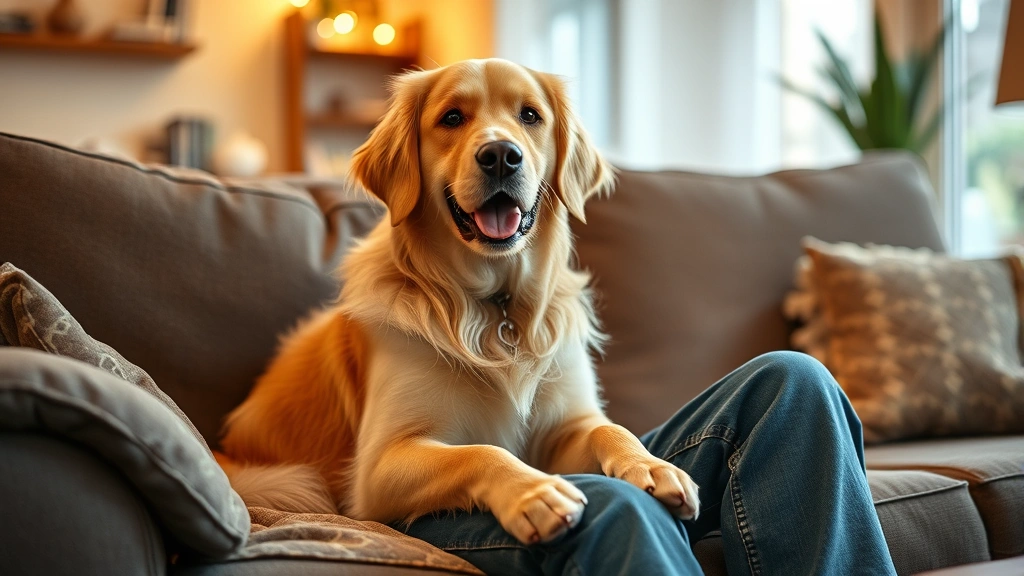
Why Does My Dog Sit on Me?
If you’ve ever had your dog plop down directly on your lap, chest, or feet while you’re trying to relax, you’re not alone. This common canine behavior puzzles many dog owners who wonder what their furry friend is trying to communicate. Dogs sit on their owners for a variety of reasons, ranging from affection and comfort-seeking to anxiety and territorial behavior. Understanding the motivations behind this quirky habit can help you better interpret your dog’s needs and strengthen your bond with your pet.
The act of sitting on you might seem random or even annoying at times, but it’s actually a meaningful form of communication. Dogs use their bodies to express emotions, establish social hierarchies, and seek reassurance from their pack members. Whether your dog is a lap dog breed or a large canine that insists on being your personal ottoman, their sitting behavior carries important messages about their emotional state and relationship with you.
In this comprehensive guide, we’ll explore the various reasons why dogs sit on their owners, what this behavior means from a behavioral and psychological perspective, and how to manage it if needed. We’ll also discuss when this behavior might indicate underlying issues that require professional attention.
Table of Contents
- Seeking Comfort and Security
- Showing Affection and Bonding
- Anxiety and Stress Relief
- Territorial and Possessive Behavior
- Attention-Seeking Behavior
- Health and Physical Factors
- Managing Your Dog’s Sitting Behavior
- Frequently Asked Questions
Seeking Comfort and Security
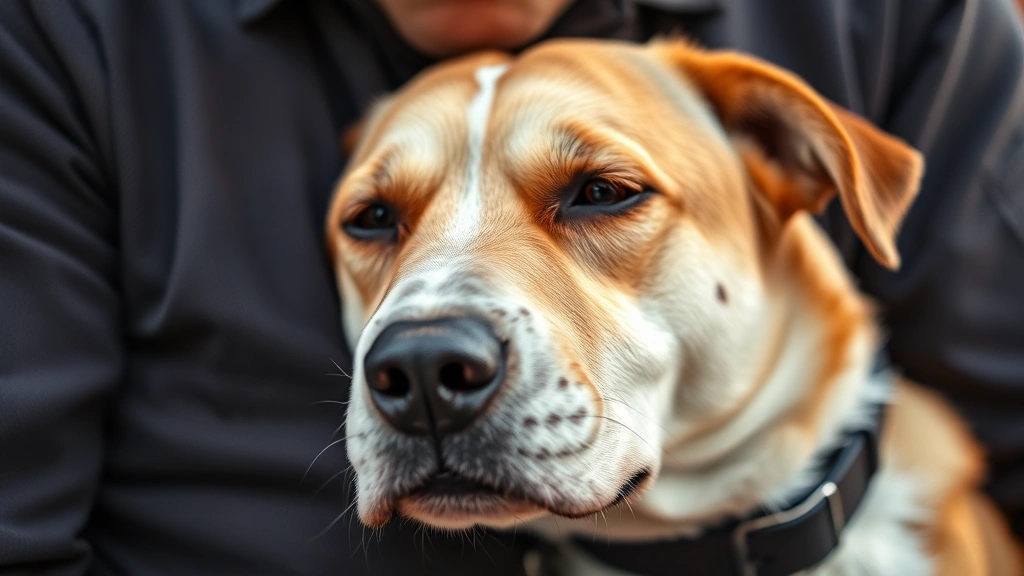
One of the primary reasons your dog sits on you is to seek comfort and security. Dogs are pack animals by nature, and sitting close to their owners mimics the comfort they would receive from their mother or littermates. When your dog settles onto your lap or leans against you, they’re essentially seeking the warmth, safety, and reassurance that comes from physical proximity to a trusted family member.
This behavior is particularly common in puppies and younger dogs who haven’t fully developed independence. Your scent, heartbeat, and body warmth provide a soothing effect that helps dogs feel secure and protected. Just as humans find comfort in hugging a loved one during stressful moments, dogs use physical contact as a grounding mechanism. Understanding this need for closeness helps explain why some dogs become extremely distressed when separated from their owners, a condition related to what many pet experts discuss regarding why do dogs sleep so much, as anxious dogs often retreat to rest near their owners.
The comfort-seeking behavior intensifies during specific situations such as thunderstorms, fireworks, or unfamiliar environments. In these scenarios, your dog isn’t just sitting on you—they’re actively seeking reassurance that everything is okay. Recognizing this behavior as a sign of trust and dependence can help you respond with patience and compassion rather than frustration.
Showing Affection and Bonding
Dogs have limited ways to express their love and affection, and sitting on you is one of their most direct methods. When your dog chooses to sit on or near you, they’re essentially saying, “I love you, and I want to be close to you.” This physical closeness strengthens the bond between you and your pet, creating a positive feedback loop that benefits both of you emotionally.
According to research from the American Humane Society and the Kennel Club, dogs that engage in physical contact with their owners show higher levels of oxytocin, the bonding hormone. This means that when your dog sits on you, both of you experience a chemical reaction that deepens your emotional connection. The behavior is a form of non-verbal communication that transcends language barriers, making it one of the purest expressions of canine affection.
Different breeds have different tendencies regarding physical affection. Lap dog breeds like Cavalier King Charles Spaniels, Pomeranians, and Maltese dogs were literally bred to sit on their owners’ laps for warmth and companionship. However, larger breeds also display this behavior, sometimes with humorous results when a 90-pound Labrador believes they’re a lap dog. This affectionate sitting behavior, much like understanding why do dogs pant in various situations, is part of their unique personality and communication style.
Anxiety and Stress Relief
Dogs experiencing anxiety or stress often use their owners as emotional anchors. Sitting on you provides your dog with a sense of stability and control during uncertain or overwhelming situations. This self-soothing behavior is similar to how humans might hold a stress ball or take deep breaths when feeling anxious.
Separation anxiety, noise phobias, and social anxiety are common conditions that prompt dogs to stay physically close to their owners. When your dog sits on you during a stressful event, they’re not necessarily being clingy or needy—they’re employing a coping mechanism that has proven effective for them. Your calm presence and steady breathing help regulate their nervous system, bringing them back to a state of equilibrium.
If your dog exhibits excessive anxiety-related sitting behavior, accompanied by other symptoms like panting, pacing, or destructive behavior, it may be time to consult with a veterinarian or certified animal behaviorist. They can help you develop strategies to manage your dog’s anxiety and determine if there are underlying medical or psychological issues that need addressing. Understanding stress signals in dogs is just as important as recognizing other behaviors; for instance, some dogs display stress through physical reactions similar to why is my dog shaking.
Territorial and Possessive Behavior
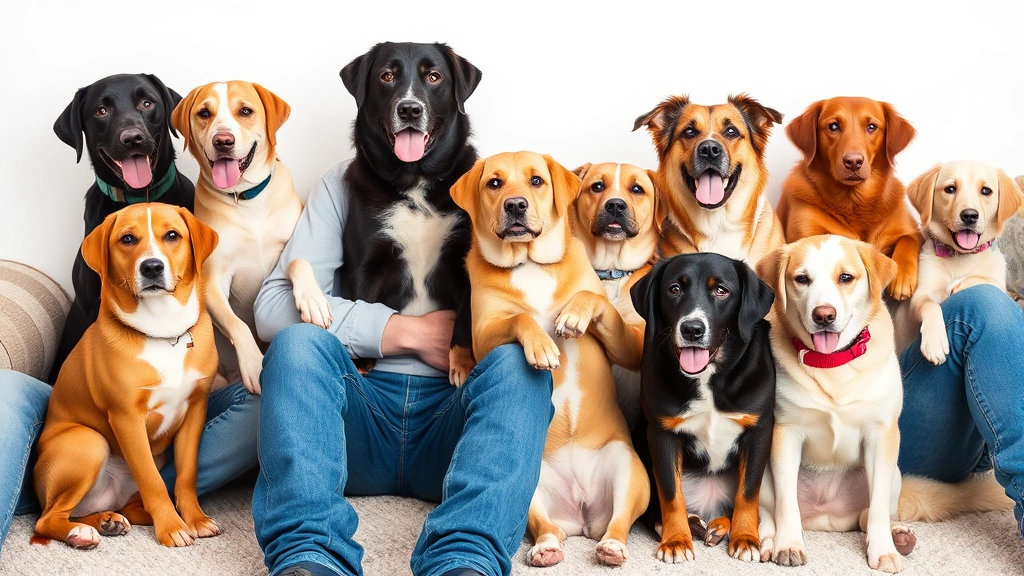
In some cases, dogs sit on their owners as a way of asserting ownership and territorial claims. This behavior stems from the dog’s instinct to mark and protect what they perceive as theirs. By literally sitting on you, your dog is essentially saying, “This person is mine, and I’m staying here to make sure everyone knows it.”
This territorial sitting is more common in dogs that haven’t been properly socialized or in situations where multiple pets are competing for attention. If your dog sits on you specifically when other people or pets are present, they may be displaying possessive behavior. This doesn’t necessarily indicate aggression, but rather a dog’s way of maintaining their social status within the family hierarchy.
It’s important to distinguish between normal territorial behavior and problematic possessive aggression. If your dog growls, snaps, or shows signs of aggression when other family members approach you while the dog is sitting on you, this requires professional intervention. A certified dog trainer or veterinary behaviorist can help address these concerning behaviors and teach your dog appropriate ways to interact with you and other family members.
Attention-Seeking Behavior
Dogs are highly social creatures that crave attention and interaction with their owners. One of the most effective ways for a dog to get your attention is to sit directly on you—it’s hard to ignore a dog literally pressing their weight against your body. This attention-seeking behavior is especially common in dogs that don’t receive enough mental stimulation or physical exercise throughout the day.
When your dog sits on you and you respond by petting them, talking to them, or giving them treats, you’re reinforcing the behavior. From your dog’s perspective, sitting on you is a highly successful strategy for getting the attention they desire. If you want to discourage this behavior while still meeting your dog’s social needs, it’s important to provide alternative ways for them to receive attention and engagement.
Consider establishing a routine that includes regular playtime, training sessions, and interactive activities. Dogs that receive adequate mental stimulation and physical exercise are often less likely to resort to attention-seeking behaviors like sitting on their owners. Engaging toys, puzzle feeders, and why do dogs love tennis balls for fetch sessions can provide the stimulation and attention your dog needs in healthier ways.
Health and Physical Factors
Sometimes, the reason your dog sits on you relates to physical comfort and health considerations. Dogs with joint pain, arthritis, or other musculoskeletal issues may seek the support and warmth that comes from sitting on their owners. The elevation and support your body provides can be more comfortable than sitting or lying on the cold floor.
Additionally, older dogs often develop a stronger need for physical closeness as their senses decline and their energy levels decrease. An aging dog may sit on you more frequently because it provides comfort, warmth, and reassurance. If you notice your senior dog sitting on you more than usual, combined with other signs like limping or difficulty moving, it’s worth scheduling a veterinary checkup to rule out underlying health issues.
Temperature regulation is another physical factor to consider. Dogs use their owners as a source of warmth, especially during cold weather or in homes with cool temperatures. Small breed dogs and those with thin coats are particularly prone to seeking warmth from their owners. Understanding these physical needs helps you recognize that your dog’s sitting behavior may have legitimate comfort-based reasons behind it.
Managing Your Dog’s Sitting Behavior
If your dog’s constant sitting on you has become problematic or uncomfortable, there are several strategies you can implement to manage this behavior. The key is to redirect your dog’s attention and provide alternative behaviors that earn them the same rewards.
Establish Boundaries: Create designated spots where your dog is allowed to rest near you without actually sitting on you. Use a dog bed positioned beside your couch or chair, and consistently guide your dog to this spot when they attempt to climb onto your lap. Reward them generously for using their designated space, reinforcing that this behavior earns positive attention.
Redirect and Reward: When your dog approaches with the intention of sitting on you, redirect them to an alternative behavior like sitting next to you, lying on a mat, or engaging with a toy. Immediately reward the redirected behavior with treats, praise, or petting. This teaches your dog that they can still receive your attention and affection without being on top of you.
Increase Exercise and Stimulation: A tired dog is less likely to seek constant attention and physical closeness. Ensure your dog receives adequate daily exercise through walks, play sessions, and training activities. Mental stimulation is equally important; consider incorporating training exercises that engage your dog’s problem-solving abilities, much like understanding why do dogs eat poop requires understanding their motivations and addressing them appropriately.
Consistent Training: Work with a certified dog trainer to address excessive sitting behavior. They can provide personalized strategies based on your dog’s age, breed, and specific behavioral patterns. Consistency is crucial—everyone in your household must enforce the same boundaries and reward system.
Avoid Reinforcement: If you want to discourage sitting on you, avoid reinforcing the behavior by petting, talking to, or giving treats to your dog when they’re sitting on you. Instead, wait until they’ve moved away to offer affection. This may seem counterintuitive, but it helps your dog learn that sitting on you doesn’t result in the attention they’re seeking.
Frequently Asked Questions
Is it bad if my dog sits on me?
Sitting on you isn’t inherently bad, and for many owners, it’s a cherished sign of affection. However, if the behavior causes discomfort, interferes with your daily activities, or is accompanied by other concerning behaviors like aggression or excessive anxiety, it may need to be addressed. The acceptability of this behavior depends on your personal preferences, your dog’s motivations, and whether it’s part of a larger behavioral pattern.
Why does my dog sit on me and not my partner?
Dogs often show preferences for specific family members based on several factors including who spends the most time with them, who provides food and treats, and who engages in the most interactive play. If your dog sits on you more than your partner, it likely means they’ve bonded most strongly with you or have learned that you’re the most responsive to their attention-seeking behaviors. This is a compliment to your close relationship with your dog.
Should I push my dog off when they sit on me?
Pushing your dog off can create negative associations and may damage your relationship. Instead, gently encourage them to move to an alternative location or behavior. If the behavior is truly problematic, work with a trainer on positive redirection techniques. Physical corrections can cause anxiety and behavioral problems, so positive reinforcement is always the preferred approach.
Why does my dog only sit on me when I’m sick?
Dogs have an remarkable ability to sense when their owners are unwell. They may sit on you more frequently when you’re sick because they detect changes in your scent, body temperature, or behavior. This is their way of providing comfort and staying close during what they perceive as a vulnerable time for you. It’s a beautiful example of canine empathy and their desire to care for their pack.
Can breed influence how much my dog sits on me?
Absolutely. Certain breeds were specifically developed to be lap dogs and companions, such as toy breeds and breeds like Cavalier King Charles Spaniels. These breeds have a genetic predisposition toward seeking physical closeness with their owners. Conversely, working breeds or independent breeds may be less inclined to sit on you. Understanding your breed’s characteristics helps set realistic expectations for this behavior.
What if my dog’s sitting behavior is linked to medical issues?
If you suspect your dog’s increased sitting behavior is due to pain, illness, or other medical conditions, schedule a veterinary examination. Your vet can rule out health issues and recommend appropriate treatments. Some dogs, for example, develop behaviors similar to why do dogs lick their paws when anxious or uncomfortable, and sitting behavior can also be symptomatic of underlying health concerns.
How can I tell if my dog’s sitting is anxiety-related versus affection-based?
Anxiety-related sitting often accompanies other stress signals like panting, trembling, whale eye (showing whites of eyes), or attempts to follow you everywhere. Affection-based sitting is typically relaxed, accompanied by soft body language, and the dog seems content and peaceful. If you’re uncertain, consult with a veterinary behaviorist who can assess your dog’s specific situation and provide guidance.
Understanding why your dog sits on you opens a window into their emotional world and strengthens your ability to communicate with them effectively. Whether your dog’s sitting behavior stems from affection, anxiety, comfort-seeking, or attention-seeking, recognizing the underlying motivation allows you to respond appropriately. For additional insights into canine behavior, resources from the AKC, American Humane, and PetMD offer valuable information about dog behavior and training.





