
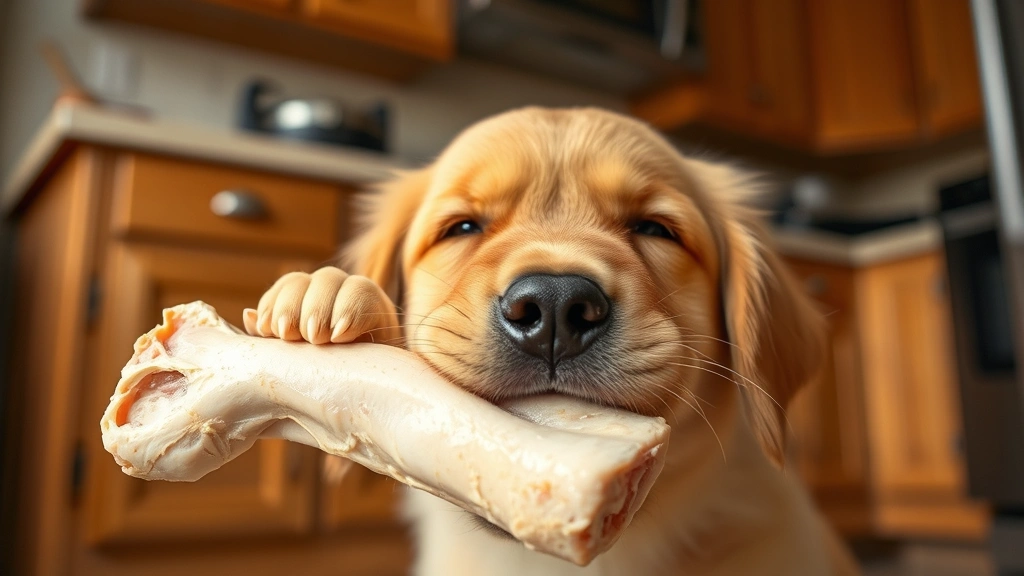
Can Dogs Eat Raw Chicken Bones?
As a dog owner, you’ve likely faced the question of what human foods are safe for your canine companion. Raw chicken bones are one of the most debated topics in pet nutrition circles, with passionate advocates on both sides of the discussion. Understanding the risks and potential benefits is crucial for making informed decisions about your dog’s diet. This comprehensive guide will explore the scientific evidence, safety concerns, and expert recommendations surrounding raw chicken bones for dogs.
The question of whether dogs can eat raw chicken bones isn’t simply answered with a yes or no. Dogs have evolved alongside humans for thousands of years, and their digestive systems have adapted to process various foods, including bones. However, modern veterinary medicine has identified specific risks that pet owners must carefully consider before offering raw bones to their dogs.
This article will provide you with evidence-based information from veterinary professionals and nutritional experts to help you make the best decision for your dog’s health and safety. Whether you’re considering a raw food diet or simply wondering about occasional treats, understanding the full picture is essential for responsible pet ownership.
Table of Contents
- Raw Bones Basics: What You Need to Know
- Potential Health Benefits of Raw Chicken Bones
- Safety Risks and Hazards
- Bacterial Contamination and Foodborne Illness
- Safe Alternatives to Raw Chicken Bones
- Expert Recommendations and Guidelines
- Frequently Asked Questions
Raw Bones Basics: What You Need to Know
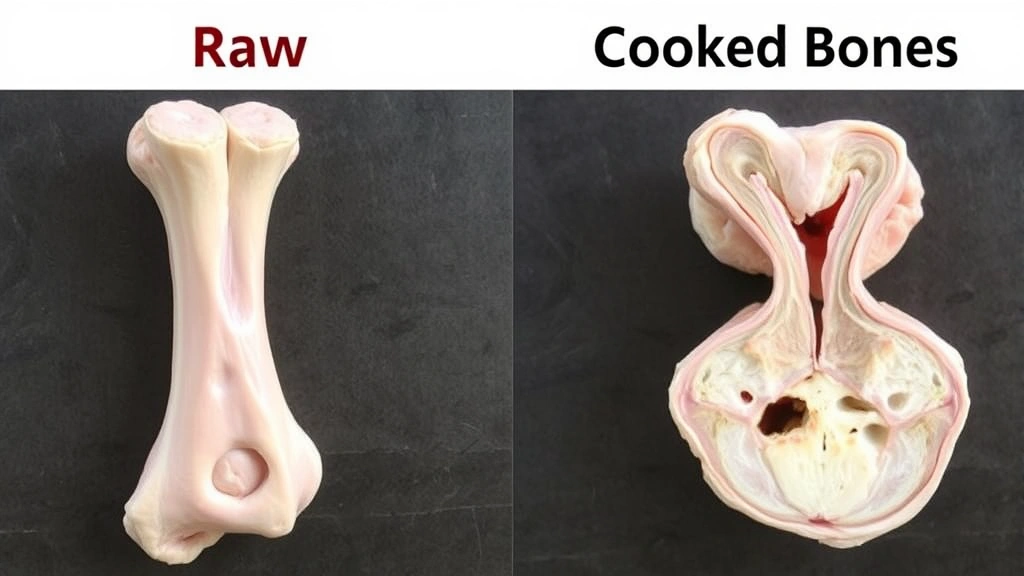
Raw chicken bones differ significantly from cooked chicken bones in structure and safety profile. When chicken bones are raw, they retain their flexibility and are less likely to splinter compared to cooked bones, which become brittle and fragmented. This fundamental difference is why some dog nutritionists argue that raw bones may be safer than their cooked counterparts.
According to the American Veterinary Medical Association, raw chicken bones can be part of a dog’s diet when certain precautions are taken. The key distinction lies in understanding that raw bones behave differently in a dog’s digestive system than processed or cooked bones.
Your dog’s natural instinct to chew and consume bones is deeply rooted in their evolutionary history. Wild dogs and wolves consume raw bones as part of their natural diet, and their digestive systems have adapted to process them. However, domestic dogs living in modern environments with varied diets may not have the same level of adaptation as their wild counterparts. For more information about general chicken bone safety, you may want to review our guide on can dogs eat chicken bones.
Potential Health Benefits of Raw Chicken Bones
Proponents of raw chicken bones for dogs point to several potential nutritional and behavioral benefits. Raw bones are rich in essential minerals including calcium, phosphorus, and magnesium—nutrients vital for maintaining strong bones and teeth throughout a dog’s life. These minerals are in their most bioavailable form when bones are raw, potentially offering superior nutritional value compared to processed supplements.
Beyond nutrition, chewing raw bones provides significant mental and physical enrichment for dogs. The act of gnawing on bones stimulates natural instincts, reduces anxiety, and provides hours of entertainment. This behavioral outlet can be particularly beneficial for high-energy dogs or those prone to destructive chewing behaviors. Additionally, the mechanical action of chewing raw bones may help maintain oral hygiene by naturally cleaning teeth and reducing plaque buildup.
The American Kennel Club acknowledges that some dogs thrive on raw food diets that include bones, particularly when these diets are carefully balanced and sourced from reputable suppliers. The nutritional density of raw chicken bones makes them an attractive option for owners seeking to provide their dogs with whole-food nutrition. Just as some owners explore other protein options, understanding which foods work well together matters—for instance, knowing can dogs have bacon helps create balanced meal plans.
Safety Risks and Hazards
Despite potential benefits, raw chicken bones present legitimate safety concerns that responsible dog owners must understand. Physical obstruction remains one of the primary risks, particularly for dogs that don’t chew thoroughly before swallowing. Large bone fragments can lodge in the esophagus, stomach, or intestines, potentially requiring emergency surgical intervention.
Bone splinters pose another significant hazard. While raw bones are less likely to splinter than cooked bones, they can still break into sharp fragments that may perforate the gastrointestinal tract. Signs of internal injury include vomiting, abdominal pain, lethargy, and difficulty defecating. Some dogs may show no symptoms initially, making internal damage particularly dangerous.
Choking represents an immediate life-threatening risk, especially for dogs that gulp their food without proper chewing. Puppies and senior dogs with dental issues are at heightened risk of choking incidents. Additionally, dogs with a history of gulping or rapid eating should never be given raw bones without close supervision. The risk increases for certain breeds with shorter muzzles or less developed chewing behaviors.
Tooth fractures can occur when dogs bite down too hard on raw bones, particularly in senior dogs or those with pre-existing dental disease. A fractured tooth may require extraction and can cause significant pain and infection if left untreated. Veterinary dental care for these injuries can be expensive and traumatic for both dog and owner. Understanding proper nutrition helps prevent dental issues—for example, learning about can dogs eat scrambled eggs provides alternative protein sources that support dental health.
Bacterial Contamination and Foodborne Illness
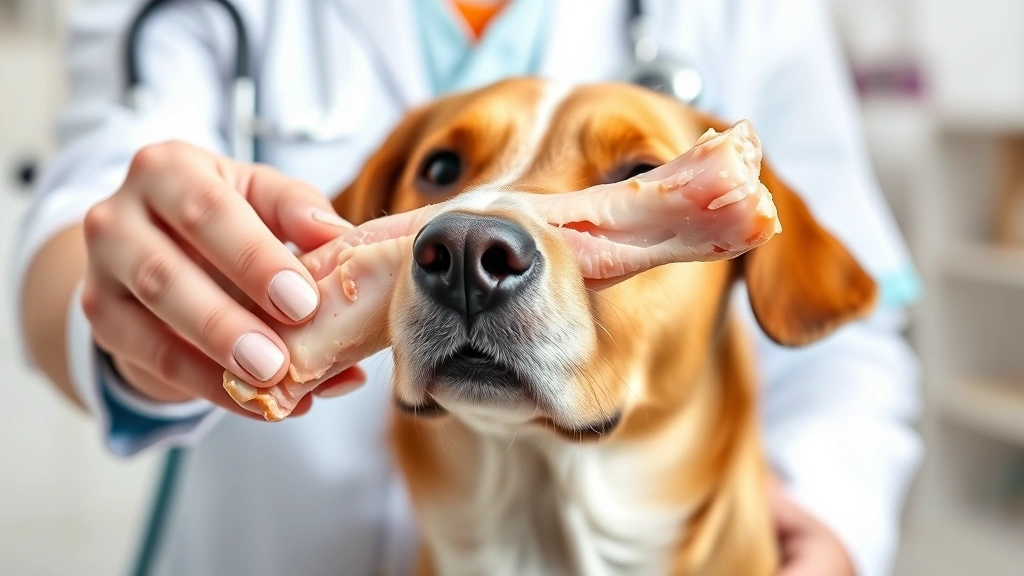
One of the most significant concerns veterinarians raise about raw chicken bones involves bacterial contamination. Raw chicken frequently carries harmful pathogens including Salmonella and Campylobacter, which can cause serious illness in dogs. While dogs have stronger stomach acid than humans and can tolerate some pathogens better, they are not immune to foodborne illness.
The CDC emphasizes pet food safety and warns against feeding raw poultry to pets due to bacterial contamination risks. Dogs infected with Salmonella may develop severe diarrhea, vomiting, fever, and lethargy. In severe cases, the infection can spread systemically, causing life-threatening sepsis.
Beyond direct illness in dogs, raw chicken bones pose a secondary risk to human family members. Dogs that consume raw chicken can shed pathogens in their feces and saliva, potentially contaminating household surfaces and exposing family members, particularly children and immunocompromised individuals, to dangerous bacteria. Proper hygiene practices become essential when handling raw bones or cleaning up after a dog has consumed them.
The Humane Society’s guidance on raw food diets highlights that while some dogs may tolerate raw chicken, the risks may outweigh potential benefits for most households. Frozen raw chicken bones may have a reduced bacterial load compared to fresh raw bones, but freezing does not eliminate all pathogens. Proper sourcing from reputable suppliers who follow rigorous food safety protocols is essential if you choose to provide raw bones.
Safe Alternatives to Raw Chicken Bones
If you’re concerned about the risks associated with raw chicken bones but want to provide your dog with similar nutritional and behavioral benefits, several safer alternatives exist. Pressure-cooked chicken bones are a middle ground—cooking bones under high pressure breaks down connective tissue while maintaining structural integrity and nutritional value without creating splinters.
Commercially prepared raw diets from reputable manufacturers undergo rigorous food safety testing and pathogen reduction processes. These products provide the nutritional benefits of raw feeding while minimizing bacterial contamination risks. Veterinary nutritionists can recommend brands that meet established nutritional standards and safety protocols.
Recreational bones specifically designed for dogs, such as those made from beef or bison, are often safer alternatives to chicken bones. These larger bones are less likely to splinter and are less prone to bacterial contamination issues compared to poultry. Freeze-dried raw options provide another alternative, offering raw nutrition in a stabilized form that reduces pathogen viability.
Dental chews and enzymatic chewing toys can satisfy your dog’s natural urge to chew while protecting their dental health and digestive safety. These products are formulated to reduce tartar buildup and freshen breath without the risks associated with raw bones. Many dogs enjoy these alternatives just as much as raw bones, particularly when rotated to maintain novelty and interest. Additionally, exploring other protein options like can dogs eat salmon skin or can dogs eat sardines can diversify your dog’s diet safely.
Expert Recommendations and Guidelines
The consensus among major veterinary organizations is cautious when it comes to raw chicken bones. The Cornell University College of Veterinary Medicine advises that while some dogs may tolerate raw bones without incident, the risks of obstruction, perforation, and infection make them a questionable choice for most pets.
Veterinary professionals recommend that if you choose to offer raw chicken bones, several precautions are essential. First, never feed cooked chicken bones, as cooking makes them dangerous. Second, always supervise your dog while they’re chewing bones. Third, remove any bones that have been chewed for more than a few hours to prevent bacterial colonization. Fourth, choose appropriately sized bones that match your dog’s size and chewing habits.
Your veterinarian should be informed if you feed raw bones, as they need to be aware of your dog’s diet to provide appropriate preventive care and to recognize potential complications should they arise. Veterinary professionals can assess your individual dog’s risk factors, including age, health status, and chewing habits, to provide personalized recommendations.
The Veterinary Partner provides detailed guidance on feeding raw bones, emphasizing that the decision must be individualized based on each dog’s circumstances. Puppies, senior dogs, dogs with compromised immune systems, and those with a history of gastrointestinal issues should generally avoid raw bones. Breed considerations matter as well—small breeds and those with shorter muzzles face higher choking and obstruction risks.
Proper nutrition extends beyond bones themselves. Understanding complete dietary balance is crucial whether you’re considering raw feeding or traditional diets. Learning about can dogs eat rice and other carbohydrate sources helps ensure your dog receives balanced nutrition regardless of your chosen feeding approach.
Frequently Asked Questions
Are raw chicken bones better than cooked chicken bones?
Yes, raw chicken bones are significantly safer than cooked chicken bones. Cooking makes bones brittle and prone to splintering, creating sharp fragments that can perforate the digestive tract. Raw bones maintain their flexibility and are less likely to cause such injuries. However, raw bones still carry risks of bacterial contamination and obstruction. If you must choose between the two, raw is preferable, but both should ideally be avoided in favor of safer alternatives.
Can puppies eat raw chicken bones?
Puppies should not be given raw chicken bones. Their developing digestive systems are more vulnerable to bacterial infection and intestinal obstruction. Additionally, puppies tend to chew less thoroughly and may swallow large fragments. Their baby teeth are also more susceptible to fracturing. Wait until your puppy reaches full maturity, and consult your veterinarian before introducing any raw bones.
How often can I give my dog raw chicken bones?
If your veterinarian approves raw chicken bones for your specific dog, they should be offered infrequently—perhaps once or twice monthly rather than as a regular staple. This reduces cumulative exposure to bacterial pathogens and minimizes the risk of chronic complications. Always supervise consumption and remove bones after a few hours of chewing.
What should I do if my dog swallows a raw chicken bone?
Monitor your dog closely for signs of distress over the next 48-72 hours. Watch for vomiting, loss of appetite, abdominal pain, lethargy, difficulty defecating, or constipation. If any symptoms develop, contact your veterinarian immediately. Some bone fragments may pass through the digestive system without incident, while others may cause serious complications requiring emergency care. Don’t wait for severe symptoms—seek veterinary guidance if you’re concerned.
Can I feed my dog raw chicken bones if they have a sensitive stomach?
Dogs with sensitive stomachs or a history of gastrointestinal issues should never be given raw chicken bones. Their digestive systems are already compromised and more vulnerable to bacterial infection and obstruction. Stick to high-quality, easily digestible foods that are specifically formulated for sensitive digestion. Consult your veterinarian about appropriate chewing options for your dog.
What’s the best way to prepare raw chicken bones for my dog?
If you’ve decided to offer raw chicken bones after consulting your veterinarian, source them from reputable suppliers who follow strict food safety protocols. Handle them with the same care you would use for human food—keep them refrigerated and use them within a day or two of purchase. Never leave raw bones at room temperature for extended periods, as this allows bacterial proliferation. Always supervise your dog during consumption.
Are there any dog breeds that shouldn’t eat raw chicken bones?
Small breeds, dogs with brachycephalic (flat) faces, senior dogs, and puppies all face elevated risks. Additionally, individual dogs with a history of gulping food, previous intestinal obstructions, dental disease, or compromised immune systems should avoid raw bones entirely. Even within larger breeds, individual variation means some dogs are higher-risk candidates. Your veterinarian can assess your specific dog’s risk profile.





