
Why Is My Dog Throwing Up Undigested Food? A Complete Guide
If you’ve noticed your furry friend regurgitating whole pieces of kibble or partially digested meals, you’re not alone. Many dog owners face this concerning issue, and while it can be alarming, understanding the underlying causes can help you address the problem effectively. When your dog is throwing up undigested food, it’s often a sign that something isn’t quite right with their digestive system or eating habits.
The good news is that in many cases, vomiting undigested food is manageable once you identify the root cause. Whether it’s related to how quickly your dog eats, a food sensitivity, or a more serious medical condition, this guide will walk you through everything you need to know about keeping your pup’s digestive system healthy and happy.
Unlike general vomiting, regurgitation of undigested food has specific characteristics that can help you and your veterinarian determine what’s happening. The key is to observe the pattern, frequency, and any other symptoms your dog might be experiencing alongside the vomiting.
Common Causes of Undigested Food Vomiting
When your dog throws up food that hasn’t been broken down, it’s typically coming back up before it has a chance to move into the small intestine. This is different from true vomiting, which involves stomach acid and partially digested material. Understanding the distinction is crucial because it helps narrow down potential causes.
The most common reasons dogs regurgitate undigested food include eating too quickly, swallowing large chunks, food intolerances, and certain medical conditions. Some dogs are naturally enthusiastic eaters and don’t take time to properly chew their meals, while others may have underlying health issues affecting their digestive process.
One of the first things to examine is your dog’s feeding schedule and portion sizes. Dogs that eat too much at once or consume their food in seconds are more prone to regurgitation. Additionally, if you’ve recently switched to a new food brand or type, your dog’s digestive system might still be adjusting.

Eating Habits and Speed
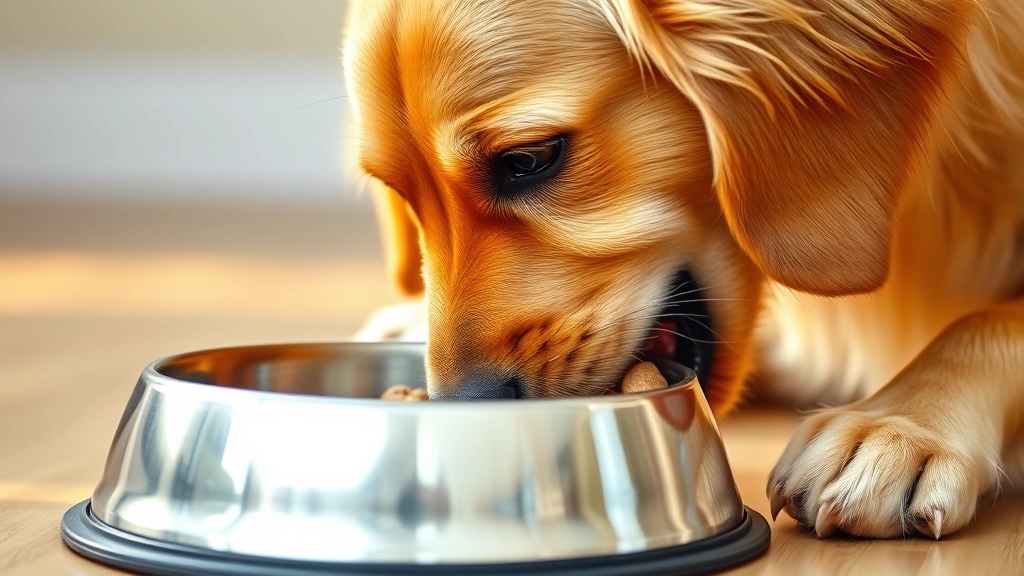
Perhaps the most common culprit behind undigested food vomiting is simple: your dog is eating way too fast. Some dogs, especially those from multi-dog households or rescue backgrounds, may have developed the habit of gulping their food without proper chewing. This behavior, sometimes called “speed eating,” prevents proper digestion from starting in the mouth.
When dogs eat rapidly, they swallow large pieces of kibble whole. These chunks can overwhelm the stomach’s capacity to process them efficiently, leading to regurgitation shortly after the meal. The food literally comes back up because the stomach hasn’t had time to begin breaking it down with gastric juices.
To address this issue, consider using slow-feeder bowls with raised patterns or obstacles that force your dog to eat around them. You can also try feeding smaller portions more frequently throughout the day, which distributes the food intake and reduces the pressure on your dog’s digestive system. Some owners have found success by hand-feeding their dogs or mixing wet food with kibble to create a consistency that’s harder to gulp down.
Another technique is the puzzle feeder method, where you place food in interactive toys that require your dog to work for their meal. This not only slows down eating but also provides mental stimulation and makes mealtime more engaging.
Food Quality and Allergies
The type and quality of food you’re feeding your dog plays a significant role in digestive health. Low-quality commercial dog foods filled with fillers, artificial preservatives, and hard-to-digest ingredients can trigger regurgitation and other digestive issues. Your dog’s digestive system may simply be rejecting food it can’t properly process.
Food allergies and sensitivities are increasingly common in dogs and can manifest as vomiting of undigested food. If your dog has recently started showing these symptoms, think about any changes in their diet. Did you switch brands? Try a new flavor? Introduce new treats? These seemingly minor changes can cause significant digestive upset in sensitive dogs.
Common food allergens for dogs include chicken, beef, wheat, corn, and soy. If you suspect a food allergy or sensitivity, consider an elimination diet with limited ingredients under your veterinarian’s guidance. Gradually transitioning to a new food over 7-10 days can also help prevent digestive upset. Many veterinarians recommend addressing vomiting issues by first evaluating the diet quality.
Premium dog foods with high protein content, whole meat sources, and minimal fillers are generally easier for dogs to digest. Some dogs thrive on grain-free diets, though this should be discussed with your vet, while others do better with whole grains like brown rice and oatmeal included.

Medical Conditions to Consider
While eating habits and food quality account for many cases of undigested food vomiting, certain medical conditions can also be responsible. Gastroesophageal reflux disease (GERD), inflammatory bowel disease (IBD), and pancreatitis are all conditions that can cause regurgitation or vomiting of undigested food.
Megaesophagus is another condition where the esophagus becomes enlarged and loses its ability to contract properly, preventing food from reaching the stomach effectively. This can result in food coming back up. Dogs with this condition often need to eat from elevated bowls and may benefit from smaller, more frequent meals.
Pyloric stenosis, a condition where the valve between the stomach and small intestine becomes too tight, can also cause vomiting of undigested food. This is more common in certain breeds and younger dogs but can occur in dogs of any age.
Additionally, intestinal parasites and bacterial imbalances can affect digestion and cause regurgitation. According to the ASPCA, parasites are a common digestive issue in dogs of all ages, particularly in puppies and rescue dogs. Regular parasite prevention and testing is essential for maintaining digestive health.
If your dog is also experiencing diarrhea alongside vomiting, this could indicate a more serious digestive issue that requires veterinary attention. Combining symptoms often point to specific conditions that need professional diagnosis and treatment.
When to Contact Your Veterinarian
While occasional regurgitation might not be cause for immediate alarm, certain situations warrant a veterinary visit. If your dog is vomiting undigested food frequently (more than once or twice a week), you should schedule an appointment with your vet.
Contact your veterinarian immediately if your dog’s vomiting is accompanied by:
- Loss of appetite or weight loss
- Lethargy or unusual behavior
- Abdominal pain or bloating
- Diarrhea or constipation
- Yellow or green vomit
- White foam or blood in vomit
- Signs of dehydration
Your veterinarian will likely perform a physical examination, review your dog’s medical history, and may recommend diagnostic tests such as blood work, urinalysis, or imaging studies to determine the underlying cause. According to the American Kennel Club, persistent vomiting should always be evaluated by a professional to rule out serious conditions.
Puppies and senior dogs may require more urgent evaluation, as they’re more susceptible to complications from vomiting and dehydration. If your puppy is consistently vomiting undigested food, this could indicate a congenital issue that needs early intervention.
Solutions and Prevention Strategies
Once you’ve identified the cause of your dog’s vomiting, implementing the right solutions can make a significant difference. Here’s a comprehensive approach to managing and preventing undigested food regurgitation:
Feeding Management: Invest in a slow-feeder bowl or puzzle feeder to reduce eating speed. Feed smaller portions more frequently—instead of one large meal, try two or three smaller meals throughout the day. This gives your dog’s digestive system a more manageable workload.
Food Selection: Switch to a high-quality dog food with easily digestible ingredients. Look for foods with named meat sources as the first ingredient and minimal fillers. Some dogs do well with fresh or raw diets, though these should be balanced properly and discussed with your vet. Warming wet food slightly can also improve digestibility.
Hydration: Ensure your dog has constant access to fresh water. Proper hydration supports digestive health and helps prevent complications from vomiting. Some dogs prefer water from fountains, which can encourage them to drink more.
Exercise Timing: Avoid vigorous exercise immediately after meals. Wait at least 30-60 minutes before engaging in active play or running, as exercise on a full stomach can trigger regurgitation.
Supplements: Probiotics and digestive enzymes can support healthy digestion. These supplements help maintain a balanced gut microbiome and can improve food breakdown. Consult your veterinarian about which supplements might benefit your specific dog.
Stress Reduction: Anxiety and stress can affect digestion. Create a calm, quiet feeding environment away from distractions and other pets. Some dogs eat better when they feel secure and unhurried.
The UC Davis School of Veterinary Medicine recommends a multifaceted approach combining dietary management with behavioral modifications for best results in managing digestive issues.
Frequently Asked Questions
Is regurgitation the same as vomiting?
No, they’re different processes. Regurgitation is passive and involves undigested food coming back up without abdominal contractions. Vomiting involves active retching and typically includes partially digested food mixed with stomach acid. Understanding the difference helps determine the cause and appropriate treatment.
Can I give my dog over-the-counter medication for vomiting?
Never give your dog medication without veterinary approval. While some over-the-counter options exist, they may mask underlying serious conditions. Your vet needs to diagnose the cause before recommending any treatment, whether pharmaceutical or natural.
How long does it take for a dog’s digestion to adjust to new food?
Most dogs need 7-10 days to adjust to a new food. During this transition period, gradually mix increasing amounts of the new food with the old food. If vomiting persists after this adjustment period, consult your veterinarian about alternative options.
Are certain dog breeds more prone to throwing up undigested food?
Yes, some breeds are more susceptible. Large breed dogs, particularly those prone to megaesophagus or bloat, may experience more frequent regurgitation. Brachycephalic breeds (flat-faced dogs) also commonly experience digestive issues. Discuss breed-specific concerns with your vet.
What’s the difference between dog food allergies and sensitivities?
Food allergies involve an immune response and can cause skin issues, itching, and digestive problems. Food sensitivities are digestive reactions without immune involvement but still cause vomiting and diarrhea. Both require dietary management but may have different treatment approaches.
Should I fast my dog after vomiting?
Brief fasting (12-24 hours) may help if your dog vomits once. However, if vomiting is recurrent, consult your vet before fasting. Prolonged fasting without professional guidance can cause other issues. When reintroducing food, start with bland, easily digestible options in small amounts.
Can stress cause my dog to throw up undigested food?
Yes, stress and anxiety can significantly impact digestion. Changes in routine, new environments, or anxiety disorders can trigger vomiting. Creating a calm feeding environment and addressing underlying anxiety can help resolve stress-related digestive issues.





