

Can Dogs Get Mosquito Bites?
As a dog owner, you’ve likely noticed your furry companion scratching and itching during the warm months, especially when spending time outdoors. One question that often comes to mind is whether dogs can actually get mosquito bites, just like humans do. The answer is a definitive yes—dogs are susceptible to mosquito bites, and understanding this reality is crucial for protecting your pet’s health and comfort throughout the year.
Mosquitoes don’t discriminate when it comes to finding their next blood meal. Whether you’re a human or a four-legged canine, these pesky insects will bite if given the opportunity. However, the implications of mosquito bites for dogs extend far beyond simple itching and scratching. Mosquitoes can transmit serious diseases to our beloved pets, making prevention and awareness essential components of responsible pet ownership.
This comprehensive guide will explore everything you need to know about mosquito bites on dogs, including the risks they pose, the signs to watch for, and the most effective prevention strategies. By the end, you’ll have the knowledge needed to keep your dog safe from these troublesome insects and the diseases they can carry.
Table of Contents
Understanding Mosquito Biology and Dog Susceptibility
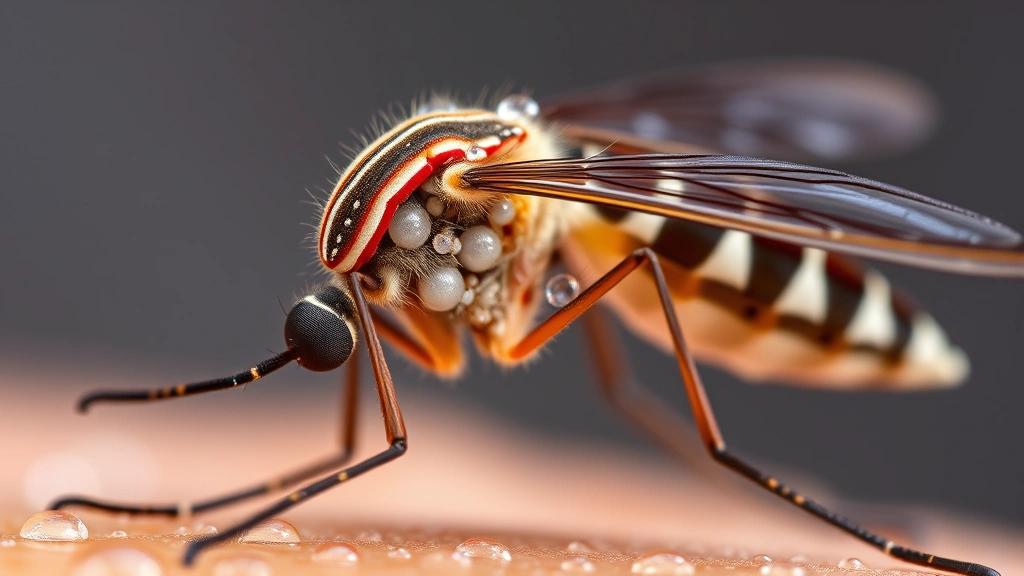
Mosquitoes are attracted to dogs for the same reasons they’re attracted to humans: body heat, carbon dioxide emissions, and body odors. Dogs actually produce more body heat than humans due to their higher metabolic rates, making them potentially even more attractive targets for hungry mosquitoes. Additionally, dogs’ fur provides mosquitoes with protected landing areas where they can feed undisturbed.
Not all mosquitoes bite, and not all species that bite will target dogs. Female mosquitoes are the ones that bite, as they require blood protein to develop their eggs. Male mosquitoes feed exclusively on plant nectar and pose no threat to your pet. The species of mosquito matters significantly when it comes to disease transmission, as different species carry different pathogens. Understanding these nuances helps pet owners make informed decisions about protecting their dogs.
Your dog’s fur provides some natural protection against mosquitoes, but it’s far from impenetrable. Mosquitoes can easily penetrate through fur to reach the skin beneath, particularly in areas with thinner hair coverage such as the ears, belly, inner thighs, and around the eyes. Dogs with shorter coats or those with sparse fur are at increased risk of mosquito bites compared to their long-haired counterparts.
Diseases Mosquitoes Can Transmit to Dogs
While a single mosquito bite might cause nothing more than temporary irritation, the real danger lies in the diseases these insects can transmit. Understanding these potential health threats is vital for every dog owner. One of the most serious conditions is heartworm disease, which is transmitted through the bite of infected mosquitoes. This parasitic infection affects the heart, lungs, and blood vessels, and can be life-threatening if left untreated. According to resources from the American Kennel Club’s expert advice on mosquito bites, heartworm prevention should be a priority for all dog owners.
Another significant concern is West Nile Virus, a mosquito-borne illness that can cause fever, weakness, and neurological symptoms in dogs. While less common in canines than in birds and humans, West Nile Virus can still pose a serious threat. The CDC provides comprehensive information about West Nile Virus and its transmission patterns. Eastern Equine Encephalitis (EEE) is another mosquito-transmitted disease that can affect dogs, though it’s more prevalent in certain geographic regions.
It’s worth noting that while your dog might be vulnerable to mosquito-borne illnesses, they have different susceptibilities than humans. For instance, dogs can get the flu, but this is typically transmitted through respiratory droplets rather than mosquitoes. Similarly, understanding other parasites and diseases that affect dogs helps create a comprehensive health protection plan.
Signs and Symptoms of Mosquito Bites on Dogs
Identifying mosquito bites on your dog can be challenging, especially if your pet has a thick coat. However, there are several telltale signs that your dog may have been bitten. The most obvious indicator is excessive scratching, licking, or biting at specific areas of the skin. You might notice your dog focusing attention on particular body parts, especially the ears, belly, paws, and face where mosquitoes often target.
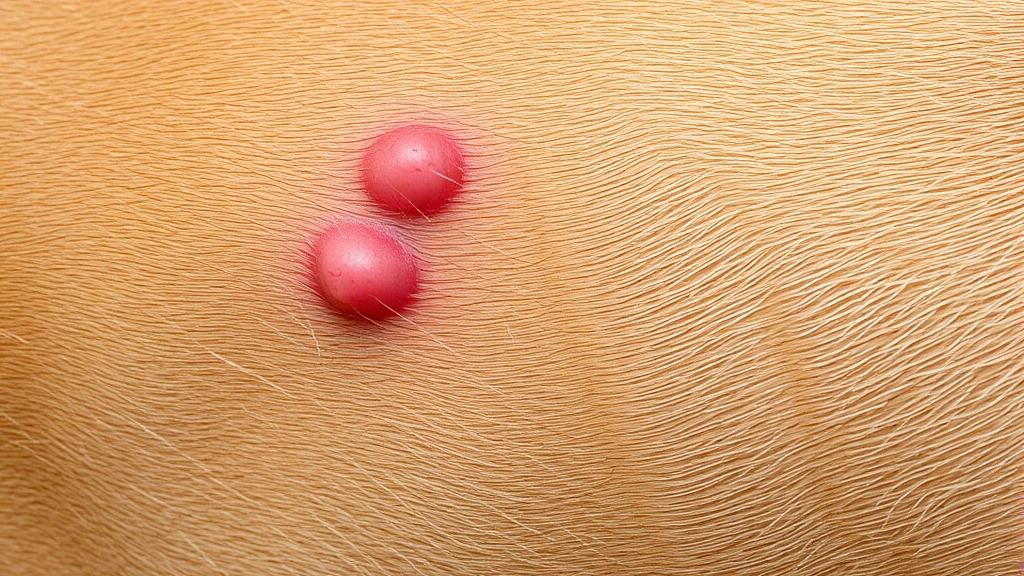
Upon closer inspection, you may see small, red, raised bumps on your dog’s skin. These bumps might appear similar to those on human skin after mosquito bites, though they can sometimes be harder to spot beneath your dog’s fur. Some dogs develop localized swelling or hives in response to mosquito saliva, while others may show minimal visible reaction despite being bitten.
In cases where mosquitoes have transmitted disease, symptoms become more serious and widespread. A dog infected with heartworm may develop a persistent cough, lethargy, difficulty breathing, or exercise intolerance. Dogs with West Nile Virus might exhibit fever, loss of appetite, or neurological symptoms like tremors or weakness. If you notice any of these signs, especially during mosquito season, contact your veterinarian immediately.
Some dogs experience allergic reactions to mosquito bites, similar to how some humans have stronger reactions than others. These allergic responses can result in more pronounced itching, swelling, and inflammation. Additionally, excessive scratching can lead to secondary bacterial infections if the skin becomes broken, potentially requiring antibiotic treatment.
Effective Prevention Strategies
The best approach to protecting your dog from mosquito bites is prevention. One of the most effective methods is using veterinary-prescribed mosquito and parasite prevention products. These medications come in various forms, including topical treatments applied monthly, oral tablets, or injections. Many of these products are specifically formulated to kill mosquitoes on contact or repel them before they can bite. Your veterinarian can recommend the most appropriate option based on your dog’s age, weight, health status, and lifestyle.
Environmental management is equally important in your prevention strategy. Mosquitoes breed in standing water, so eliminating sources of stagnant water around your home is crucial. This includes emptying bird baths regularly, cleaning gutters, removing water from plant saucers, and ensuring proper drainage in your yard. By reducing mosquito breeding grounds, you decrease the overall mosquito population in your immediate environment.
Timing outdoor activities strategically can also reduce your dog’s exposure to mosquitoes. These insects are typically most active during dawn and dusk, so limiting outdoor time during these periods can help. If you must be outside during peak mosquito hours, consider using dog-safe insect repellents or keeping your dog in screened areas. Just as you’d protect your dog from poison ivy, taking precautions against environmental hazards is part of responsible pet ownership.
The Humane Society offers excellent resources for keeping pets safe during summer, including strategies for avoiding insect exposure. Creating a mosquito-free zone in your yard, such as a screened porch or covered patio, gives your dog a safe outdoor space during mosquito season.
Treatment Options for Mosquito Bites
If your dog has already been bitten, several treatment options can help ease discomfort and prevent complications. For mild cases with just a few bites, keeping the area clean and resisting the urge to scratch is essential. You can apply a cool compress to the affected area, which can help reduce itching and inflammation. Oatmeal baths are a natural remedy many dog owners find helpful—colloidal oatmeal has soothing properties that can alleviate itching.
Over-the-counter hydrocortisone cream can provide relief for minor itching, though you should consult your veterinarian before applying any topical treatment to ensure it’s appropriate for your dog. Some vets recommend antihistamines for dogs experiencing significant itching, though dosages must be carefully determined based on your dog’s size and health status.
If your dog develops signs of infection from excessive scratching, such as open sores, discharge, or spreading redness, veterinary attention is necessary. Your vet may prescribe antibiotics to prevent or treat bacterial infection. For dogs experiencing severe allergic reactions to mosquito bites, your veterinarian might recommend allergy testing or prescription anti-inflammatory medications.
It’s important to monitor your dog closely after mosquito bites, especially during peak seasons for mosquito-borne diseases. Keep a record of when bites occur and any symptoms that develop. This information can be valuable when discussing your dog’s health with your veterinarian. Just as you would monitor for signs of lice on dogs after potential exposure, vigilance with mosquito bites is part of comprehensive pet health management.
Seasonal Considerations and Year-Round Protection
Mosquito season varies depending on your geographic location, but in most regions, these insects become active in spring and remain problematic through fall. In warmer climates, mosquitoes may be active year-round, requiring consistent prevention strategies throughout all seasons. Understanding your local mosquito season helps you plan your dog’s protection schedule effectively.
Many veterinarians recommend year-round heartworm and mosquito prevention rather than seasonal administration. This continuous approach ensures your dog maintains consistent protection and reduces the risk of gaps in coverage. Year-round prevention also simplifies the administration schedule, making it easier for pet owners to stay compliant.
Climate change is extending mosquito seasons in many regions, meaning areas that previously had shorter mosquito seasons now experience longer periods of mosquito activity. This shifting pattern makes year-round vigilance increasingly important. Additionally, warmer winters allow mosquito populations to survive and breed in areas where they previously died off, expanding the geographic range of mosquito-borne diseases.
Indoor dogs are not entirely safe from mosquitoes, as these insects can enter homes through doors, windows, and other openings. While indoor dogs face lower risk than outdoor dogs, they’re not immune. Maintaining screens on windows and doors, using air conditioning, and applying mosquito prevention products provides comprehensive protection even for primarily indoor pets.
It’s also worth considering how other health concerns interact with mosquito prevention. For example, understanding whether dogs can get colds and how to prevent various illnesses creates a holistic approach to pet health. Similarly, information about bird flu in dogs and norovirus transmission to dogs helps you understand the full spectrum of infectious disease risks your pet faces.
Frequently Asked Questions
Do all dogs get mosquito bites equally?
No, not all dogs experience mosquito bites with equal frequency or severity. Dogs with thinner or shorter coats are more susceptible to bites than those with thick, long coats that provide better protection. Additionally, individual dogs may have varying levels of attractiveness to mosquitoes based on their body chemistry, and some dogs may be more allergic to mosquito saliva than others, resulting in more pronounced reactions.
Can mosquito bites cause permanent damage to dogs?
While individual mosquito bites typically don’t cause permanent damage, the diseases transmitted by mosquitoes can have lasting effects. Heartworm disease, for instance, can cause permanent damage to the heart and lungs if not treated promptly. West Nile Virus may result in long-term neurological complications in some dogs. This is why prevention is far more important than treatment after infection occurs.
Is it safe to use human insect repellent on my dog?
Most human insect repellents, particularly those containing DEET or picaridin, are not safe for dogs and can cause toxicity if ingested through grooming. Always use products specifically formulated for dogs, as these are tested for safety and efficacy in canines. Your veterinarian can recommend appropriate dog-safe repellents and prevention products.
How quickly does heartworm develop after a mosquito bite?
Heartworm development is a gradual process that typically takes several months. After a mosquito transmits heartworm larvae to your dog, the parasites migrate through the bloodstream and eventually reach the heart and lungs. It can take six to seven months for adult worms to develop and become detectable through testing. This is why year-round prevention is crucial—preventing infection from the start is far easier than treating established heartworm disease.
What should I do if my dog shows signs of heartworm disease?
If your dog displays symptoms of heartworm disease such as persistent cough, lethargy, or difficulty breathing, contact your veterinarian immediately for diagnostic testing. A simple blood test can detect heartworms, and early detection significantly improves treatment outcomes. Treatment typically involves medication to kill adult worms and supportive care while your dog recovers.
Can I prevent mosquito bites without using chemical products?
While chemical prevention products are the most reliable method, you can reduce mosquito exposure through environmental management and behavioral modifications. Eliminating standing water, using fans to create air movement that deters mosquitoes, and limiting outdoor time during peak mosquito hours all help. However, these methods alone may not provide complete protection, especially in areas with high mosquito populations or where mosquito-borne diseases are prevalent.
Do indoor dogs need mosquito prevention?
Even indoor dogs benefit from mosquito prevention, as mosquitoes can enter homes through doors, windows, and other openings. While the risk is lower for indoor dogs, it’s not zero. Many veterinarians recommend year-round prevention for all dogs regardless of whether they spend most of their time indoors or outdoors, ensuring comprehensive protection against mosquito-borne diseases.





