

Why Is My Dog’s Vomit Yellow?
Discovering yellow vomit from your beloved canine companion can be concerning and confusing for any pet owner. Yellow or greenish vomit in dogs is actually more common than you might think, and while it can indicate various health conditions, understanding the underlying causes is the first step toward ensuring your dog receives proper care. This comprehensive guide will help you identify what yellow vomit means, when to seek veterinary attention, and how to support your dog’s digestive health.
Yellow vomit in dogs typically indicates bile, a digestive fluid produced by the liver and stored in the gallbladder. When your dog hasn’t eaten in several hours or has an empty stomach, the stomach lining can become irritated, leading to vomiting of bile. However, the color and frequency of vomiting can reveal important information about your dog’s health status, making it essential to observe and document these episodes.
As a veterinary specialist, I recommend that all dog owners familiarize themselves with the various causes of vomiting. Whether your dog experiences occasional yellow vomit or chronic episodes, this article will provide you with the knowledge needed to make informed decisions about your pet’s health and wellbeing.
Table of Contents
- Understanding Yellow Vomit in Dogs
- Common Causes of Yellow Vomiting
- Understanding Bile Reflux Gastritis
- Serious Conditions Associated with Yellow Vomit
- Diagnostic Steps Your Vet Will Take
- Treatment Options and Management
- Prevention and Home Care
- Frequently Asked Questions
Understanding Yellow Vomit in Dogs
Yellow or greenish vomit is primarily composed of bile, a crucial digestive fluid that plays an essential role in breaking down fats and absorbing nutrients. When your dog vomits yellow material, it typically means that bile from the small intestine has refluxed back into the stomach and then been expelled. This condition is sometimes referred to as bilious vomiting syndrome.
The color intensity can vary depending on several factors, including the concentration of bile, the presence of stomach acid, and what your dog may have consumed. A pale yellow color differs from a dark greenish-yellow, and these variations can provide clues about the underlying cause. Understanding these distinctions helps you communicate more effectively with your veterinarian about your dog’s condition.
One important distinction to make is between occasional vomiting and chronic vomiting. Dogs that vomit yellow once or twice and then return to normal behavior may simply have had an empty stomach or a minor digestive upset. However, if your dog is throwing up regularly, this warrants professional veterinary evaluation to rule out underlying health issues.
Common Causes of Yellow Vomiting
Several benign and easily manageable conditions can cause yellow vomit in dogs. The most common scenario involves your dog having an empty stomach for an extended period. When dogs haven’t eaten for several hours—particularly overnight—the stomach can become irritated and produce excess acid, leading to the vomiting of bile.
Dietary indiscretions represent another frequent cause of yellow vomiting. If your dog consumes something inappropriate, such as fatty table scraps, grass, or contaminated food, the digestive system may respond with vomiting. Additionally, abrupt changes in diet can trigger gastrointestinal upset and yellow vomit episodes.
Empty Stomach Vomiting
Many dogs experience what trainers and veterinarians call “empty stomach syndrome.” This typically occurs in the early morning hours or when a dog hasn’t eaten for 8-12 hours. The solution is often as simple as adjusting feeding schedules. Rather than feeding your dog once daily, consider splitting meals into two or three smaller portions throughout the day. This approach keeps food in the stomach more consistently and reduces bile irritation.
Dietary Issues and Food Sensitivities
Your dog’s diet plays a significant role in digestive health. Some dogs develop sensitivities to certain ingredients, while others experience upset stomachs from eating too quickly or consuming inappropriate items. Ensuring high-quality, balanced nutrition and monitoring your dog’s eating habits can prevent many cases of yellow vomiting.
Gastroenteritis
Viral or bacterial gastroenteritis can cause yellow vomiting, often accompanied by diarrhea. If your dog has been exposed to other animals or contaminated environments, infectious gastroenteritis might be the culprit. Conditions like whether dogs can get the flu can also lead to gastrointestinal symptoms including vomiting.
Understanding Bile Reflux Gastritis
Bile reflux gastritis is a condition where bile continuously leaks back from the small intestine into the stomach, causing chronic inflammation and vomiting. This condition is more common in certain breeds and older dogs. Unlike occasional yellow vomiting, bile reflux gastritis results in persistent symptoms that require ongoing management.
Dogs with bile reflux gastritis typically vomit yellow material regularly, often in the morning before eating. They may also show signs of abdominal discomfort, loss of appetite, or weight loss over time. This condition develops when the pyloric sphincter—the valve separating the stomach from the small intestine—doesn’t function properly.
The exact cause of bile reflux gastritis remains somewhat mysterious, but contributing factors include obesity, lack of physical activity, and certain medications. Some veterinarians believe that feeding patterns and meal composition also play roles in disease development. Cornell University’s veterinary experts note that dietary management is often the first line of treatment for this condition.
Serious Conditions Associated with Yellow Vomit
While many cases of yellow vomiting are benign, certain serious health conditions can present with this symptom. Pancreatitis, liver disease, and intestinal obstruction all warrant immediate veterinary attention. Recognizing warning signs helps you distinguish between minor digestive upset and potentially life-threatening conditions.
Pancreatitis
Pancreatitis—inflammation of the pancreas—often causes yellow vomiting along with severe abdominal pain, lethargy, and loss of appetite. This condition requires immediate veterinary care and can be triggered by high-fat diets, certain medications, or underlying metabolic disorders. Dogs with acute pancreatitis may appear hunched, refuse food, and show signs of severe discomfort.
Liver Disease
Hepatic disease can manifest through yellow vomiting and other symptoms including jaundice (yellowing of the eyes and gums), dark urine, and pale stools. Liver problems may develop gradually or suddenly, depending on the underlying cause. Early detection through regular veterinary checkups can significantly improve outcomes for dogs with liver disease.
Intestinal Obstruction
Foreign body obstruction represents a veterinary emergency requiring immediate surgical intervention. If your dog has ingested something indigestible—such as toys, fabric, or bones—yellow vomiting may be accompanied by abdominal pain, lethargy, and constipation. Understanding when to induce vomiting is important, but this should only be done under direct veterinary guidance.
Gastric Ulcers
Stress, certain medications, or underlying diseases can cause gastric ulcers in dogs. These painful lesions on the stomach lining often result in yellow or bloody vomit. Dogs with gastric ulcers may show behavioral changes, reluctance to eat, and signs of abdominal pain.
According to the American Kennel Club, documenting vomiting episodes and other symptoms provides valuable information for veterinary diagnosis and treatment planning.
Diagnostic Steps Your Vet Will Take
When you bring your dog to the veterinarian for yellow vomiting, expect a thorough evaluation process. Your vet will begin by taking a detailed history, asking about the frequency of vomiting, timing, associated symptoms, diet, recent dietary changes, and any potential exposures to toxins or foreign objects.
Physical Examination
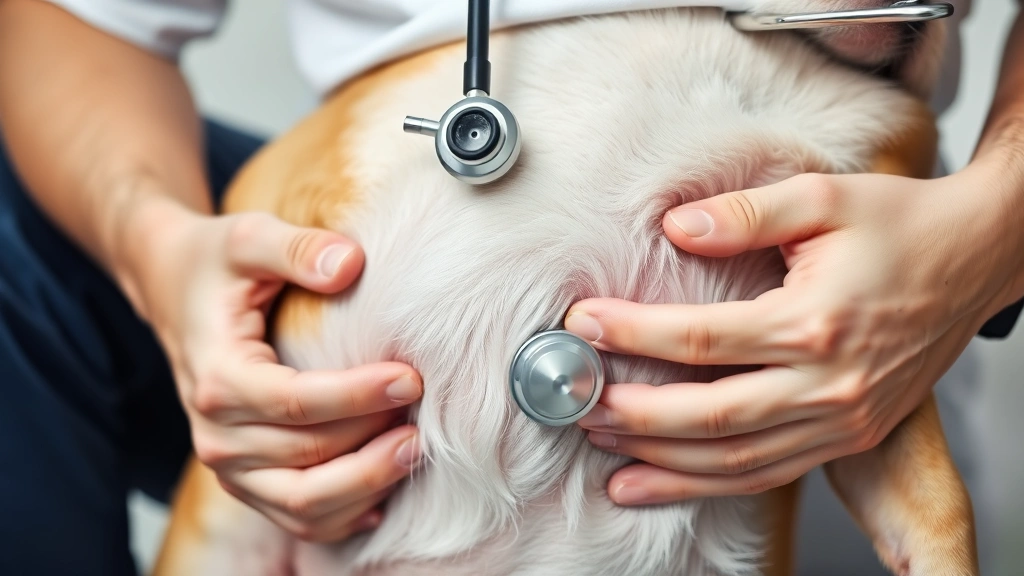
A comprehensive physical examination allows your veterinarian to assess your dog’s overall health status. Your vet will palpate the abdomen to check for pain, distension, or abnormal masses. They’ll also evaluate your dog’s body condition, hydration status, and examine the mucous membranes for signs of disease.
Laboratory Testing
Blood work and urinalysis provide crucial information about your dog’s internal organ function. Complete blood counts reveal information about infection or anemia, while chemistry panels assess liver, kidney, and pancreatic function. These tests help identify systemic diseases that might cause vomiting.
Imaging Studies
X-rays or ultrasound imaging may be necessary to visualize the gastrointestinal tract and internal organs. Ultrasound is particularly useful for detecting pancreatitis, liver disease, and foreign body obstructions. In some cases, endoscopy allows direct visualization of the stomach and upper small intestine.
Specialized Testing
Depending on initial findings, your veterinarian may recommend additional testing such as fecal examinations to check for parasites, or specific tests for infectious diseases. These diagnostic approaches align with standards established by the American Veterinary Medical Association.
Treatment Options and Management
Treatment for yellow vomiting in dogs depends entirely on the underlying cause. For simple cases caused by empty stomachs, dietary modifications often resolve the issue completely. For more complex conditions, comprehensive management strategies are necessary.
Dietary Management
Feeding your dog smaller, more frequent meals prevents stomach emptiness and reduces bile irritation. Many veterinarians recommend dividing daily food intake into two or three portions. Additionally, feeding your dog before bedtime can help prevent morning vomiting episodes.
Some dogs benefit from diets higher in fiber, which promotes healthy digestion and reduces gastrointestinal irritation. Your veterinarian can recommend appropriate commercial diets or help you develop a balanced homemade diet plan for your dog’s specific needs.
Medication Therapy
Several medications can help manage yellow vomiting. Proton pump inhibitors reduce stomach acid production, while antiemetic medications directly prevent nausea and vomiting. Some dogs benefit from gastric motility enhancers that improve stomach function and reduce bile reflux.
Your veterinarian may recommend medications similar to those used in human medicine, though certain human remedies like Pepto-Bismol require careful consideration before administration to dogs. Always follow your veterinarian’s specific medication recommendations.
Lifestyle Modifications
Increasing your dog’s physical activity can improve digestive function and reduce obesity-related vomiting. Regular exercise promotes healthy gastric motility and overall wellness. Additionally, managing stress through consistent routines and positive interactions supports digestive health.
Fluid and Electrolyte Support
Dogs experiencing frequent vomiting may become dehydrated. Your veterinarian may recommend subcutaneous or intravenous fluid therapy to restore hydration and electrolyte balance, particularly in cases of severe or prolonged vomiting.
Prevention and Home Care
Preventing yellow vomiting involves implementing several practical strategies at home. Understanding your dog’s individual triggers and responding appropriately can significantly reduce vomiting episodes.
Feeding Schedule Optimization
Establishing a consistent feeding schedule with appropriately sized meals prevents stomach distension and prolonged periods of emptiness. Most adult dogs thrive on two meals daily, while puppies and senior dogs may benefit from three smaller portions.
Dietary Quality and Consistency
Feeding high-quality, digestible foods supports healthy digestion. Avoid sudden dietary changes, which can upset the gastrointestinal system. When introducing new foods, do so gradually over 7-10 days, mixing increasing proportions of the new food with the previous diet.
Environmental Management
Preventing access to inappropriate items reduces the risk of dietary indiscretions and foreign body ingestion. Keep your dog away from garbage, toxic substances, and small objects that could be swallowed. Supervise outdoor activities to prevent consumption of grass, dirt, or contaminated materials.
Health Monitoring
Regular veterinary checkups allow early detection of developing health problems. Monitor your dog for symptoms such as coughing or other signs of illness, which might indicate conditions affecting digestion.
Stress Reduction
Anxiety and stress can trigger or worsen vomiting episodes. Providing a calm, predictable environment with adequate mental and physical stimulation supports your dog’s overall health. Obsessive behaviors like excessive paw licking can indicate stress, which may also contribute to digestive issues.
According to VCA Animal Hospitals, home care strategies combined with professional veterinary guidance provide the best outcomes for managing chronic vomiting in dogs.
Frequently Asked Questions
When Should I Be Concerned About Yellow Dog Vomit?
While occasional yellow vomiting may not indicate a serious problem, you should contact your veterinarian if vomiting occurs frequently, is accompanied by other symptoms like diarrhea or lethargy, or if your dog seems unwell. Persistent vomiting, vomiting blood, or signs of abdominal pain warrant immediate veterinary attention. If your dog vomits multiple times in one day or shows any concerning symptoms, schedule a veterinary appointment promptly.
Is Yellow Dog Vomit Always Bile?
Yellow vomit in dogs is typically bile, but not always. The color can also result from stomach acid, partially digested food, or bile-stained stomach contents. The specific shade and composition depend on what your dog has consumed and the underlying cause of vomiting. Your veterinarian can help determine the exact composition through examination and testing if necessary.
Can I Treat Yellow Vomiting at Home?
Minor cases of yellow vomiting related to empty stomachs can often be managed at home through dietary modifications like smaller, more frequent meals. However, if vomiting persists beyond 24 hours, occurs repeatedly, or is accompanied by other symptoms, professional veterinary evaluation is essential. Never attempt to treat serious conditions at home without veterinary guidance.
What Foods Help Dogs with Vomiting Issues?
Bland, easily digestible foods work best for dogs experiencing vomiting. Boiled chicken, plain rice, and sweet potatoes are gentle options. Some dogs benefit from commercial prescription diets formulated for digestive health. Your veterinarian can recommend specific foods appropriate for your dog’s condition and nutritional needs. Avoid fatty, spicy, or rich foods that may irritate the digestive system.
How Long Should I Wait Before Seeing a Vet About Yellow Vomit?
If your dog vomits yellow material once and appears otherwise healthy, you can monitor the situation for a few hours. However, if vomiting continues, recurs frequently, or your dog shows signs of illness, contact your veterinarian immediately. Don’t wait more than 24 hours to seek professional advice for any vomiting episode, as conditions can deteriorate rapidly in some cases.
Can Dogs Getting Colds Cause Yellow Vomiting?
Respiratory infections including colds and the flu in dogs can indirectly cause digestive upset and vomiting. When dogs feel ill from respiratory infections, they may experience nausea and reduced appetite, potentially leading to yellow vomit from an empty stomach. However, if your dog shows respiratory symptoms along with vomiting, professional evaluation is necessary to rule out serious complications.
What’s the Difference Between Yellow and Green Dog Vomit?
The color spectrum from yellow to green indicates varying concentrations of bile and stomach contents. Bright yellow typically represents fresh bile, while greenish tones suggest bile that’s been in the stomach longer or mixed with other digestive juices. The specific color provides minimal diagnostic information on its own, but combined with other symptoms and examination findings, it helps your veterinarian determine the cause. PetMD’s comprehensive vomiting guide provides detailed information about interpreting vomit color and consistency.





