

A Heartfelt Guide to Coping with the Loss of Your Beloved Dog
The loss of a beloved dog is one of life’s most profound and often underestimated forms of grief. Your canine companion has been more than just a pet—they’ve been a source of unconditional love, comfort, and joy through countless moments of your life. The bond between humans and dogs is uniquely powerful, spanning years of shared experiences, inside jokes, and deeply rooted emotional connections. When that presence is suddenly gone, the silence in your home can feel deafening, and the weight of grief can be overwhelming.
Many people don’t understand why pet loss can be so devastating. Society often minimizes the pain, suggesting you “just get another dog” or telling you “it was just a pet.” But anyone who has loved a dog knows this sentiment couldn’t be further from the truth. Your dog wasn’t just an animal in your house—they were a family member, a confidant, and a daily source of unconditional affection. This comprehensive guide is designed to validate your feelings and provide practical strategies for navigating this difficult journey of grief and healing.
Whether your dog passed away suddenly or after a long illness, whether you’re grieving today or still processing a loss from years ago, these insights and coping strategies can help you honor your dog’s memory while gradually finding peace. The path through grief isn’t linear, and there’s no “right” way to mourn. Let’s explore together how to move forward while keeping your beloved companion’s spirit alive in your heart.
Table of Contents
- Understanding the Depth of Pet Grief
- Acknowledging Your Emotions
- Immediate Steps After Loss
- Creating Meaningful Memorials and Tributes
- Building Your Support System
- Moving Forward While Honoring Memory
- Frequently Asked Questions
Understanding the Depth of Pet Grief
Grief following the loss of a dog is a legitimate and profound emotional experience. Research from the American Veterinary Medical Association confirms that companion animal death and grief is a recognized form of bereavement that deserves compassion and understanding. Dogs occupy a special place in our lives—they’re present for our daily routines, our celebrations, our sadness, and our quiet moments.
Unlike human relationships that often exist in multiple contexts, your relationship with your dog was typically concentrated in your home and daily life. They greeted you at the door with unbridled enthusiasm, offered comfort without judgment, and loved you regardless of your mood or circumstances. This consistency and unconditional nature of canine love makes the loss particularly acute. When you wonder about do dogs go to heaven, you’re grappling with profound spiritual and emotional questions that arise from deep attachment.
The grief you’re experiencing isn’t weakness or overreaction—it’s a testament to the meaningful relationship you shared. Your dog provided companionship, routine, purpose, and love. Losing them means losing all of these elements simultaneously. Understanding this reality helps you validate your own grief and recognize that what you’re feeling is entirely normal and expected.
Acknowledging Your Emotions
The emotional landscape after losing a dog is complex and multifaceted. You might experience shock, denial, anger, sadness, guilt, and even relief (especially if your dog had been suffering). All of these emotions are valid, and they often don’t follow a neat progression. You might feel devastated in the morning and then angry in the afternoon, only to feel guilty for not being sad enough.
One particularly challenging emotion is guilt. You might replay your dog’s final days, wondering if you made the right decisions about their care or euthanasia. You might feel guilty for the times you were impatient, the moments you didn’t play with them, or decisions you made regarding their health. The Humane Society notes in their resource about coping with the death of your pet that guilt is one of the most common emotions pet owners experience.
It’s important to practice self-compassion during this time. You loved your dog and did the best you could with the knowledge and resources you had available. Most end-of-life decisions for pets are made with love and the intention to minimize suffering. Forgiving yourself is an essential part of the healing process.
Immediate Steps After Loss
The hours and days immediately following your dog’s death can feel surreal and chaotic. Having a plan for practical matters can help you navigate this overwhelming time. First, you’ll need to decide what to do with your dog’s remains. Options include burial at home (if local regulations allow), pet cemeteries, cremation services, or veterinary disposal.
Many people find comfort in cremation, as it allows them to keep their dog’s ashes in an urn, scatter them in a meaningful location, or create memorial jewelry containing a small amount of ashes. The American Kennel Club provides guidance on losing a pet and making these important decisions. Take time with this choice—there’s no rush, and what feels right for your family is the correct answer.
Next, consider practical household adjustments. Remove or store your dog’s bed, food bowls, toys, and other belongings—at least temporarily. Coming home to an empty dog bed or seeing unused food bowls can trigger intense grief waves. Some people keep these items in a memorial box; others donate them. There’s no wrong choice, only what feels right for you at this moment.
Inform people who need to know—family, close friends, your veterinarian, your dog walker, or anyone else who was part of your dog’s care routine. These conversations are difficult, but they prevent awkward moments when someone asks about your dog without knowing they’ve passed.
Creating Meaningful Memorials and Tributes
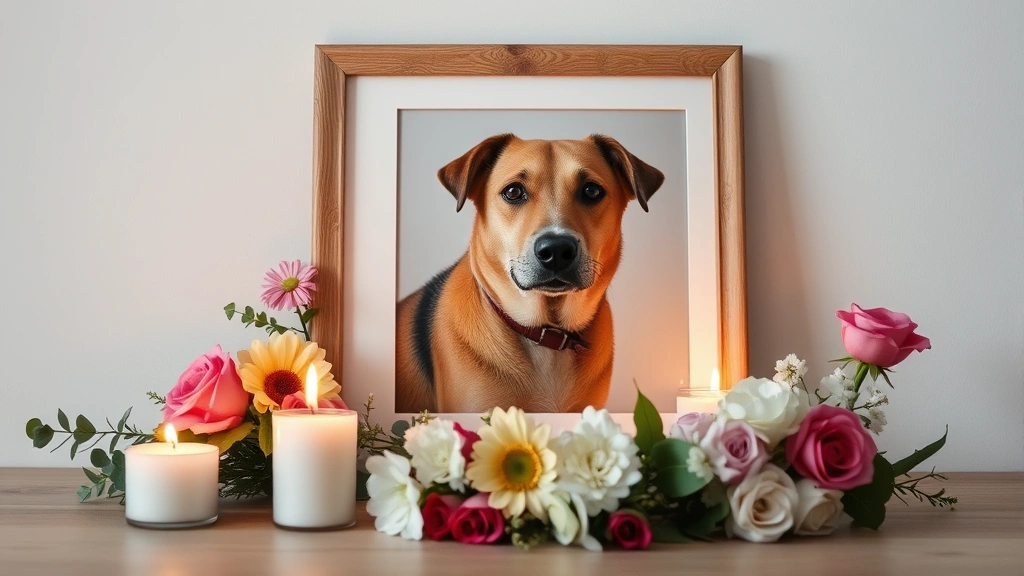
Honoring your dog’s memory can be a powerful part of the healing process. Memorials serve multiple purposes: they give you a focal point for your grief, they celebrate your dog’s life, and they provide a tangible way to keep their memory alive. The type of memorial should reflect your dog’s personality and your own preferences.
Some meaningful tribute ideas include creating a photo album or digital slideshow of your favorite moments together. Compile videos of your dog playing, running, or simply being themselves. Write a letter to your dog expressing your feelings, memories you treasured, and what they meant to you. Plant a tree or flowers in your dog’s honor. Commission a portrait artist to create a painting or drawing of your beloved companion. Create a memory box with your dog’s collar, tags, favorite toy, and written memories.

Many people find purpose in honoring their dog through charitable giving. Donate to animal shelters, rescue organizations, or veterinary research in your dog’s name. You might sponsor a dog in need, volunteer at a rescue organization, or support causes your dog would have appreciated. PetMD’s guidance on how to handle the death of your dog emphasizes that creating meaning from loss is therapeutic.
Consider establishing a recurring ritual to honor your dog’s memory. On their birthday or the anniversary of their passing, you might visit their favorite park, prepare their favorite treat for yourself or other dogs, light a candle, or spend time looking through photos. These rituals create continuity and ensure your dog’s memory remains part of your family’s story.
Building Your Support System
Grieving the loss of your dog shouldn’t be a solitary experience. While not everyone will understand the depth of your grief, there are people and resources available to support you. Start by reaching out to friends and family members who have also experienced pet loss. They understand the unique pain of losing an animal companion and can validate your emotions without judgment.
Consider joining a pet loss support group. Many exist both in-person and online, where you can connect with others who are navigating similar grief. These communities provide a judgment-free space to share your feelings, memories, and coping strategies. The National Institutes of Health has published research on grief and pet loss, confirming that support groups and community validation are important healing resources.
If your grief feels overwhelming or is interfering with your daily functioning, consider speaking with a therapist or counselor. Some mental health professionals specialize in pet loss grief. Psychology Today offers insights on the loss of a pet and how grief counseling can help. There’s no shame in seeking professional support—grief is serious, and you deserve help processing it.
Your veterinarian might also offer resources or recommendations for pet loss support services. Many veterinary clinics have information about counseling services, support hotlines, and memorial options. Don’t hesitate to ask your vet for these resources during what they understand is a difficult time for you.
Moving Forward While Honoring Memory
As time passes, the acute intensity of your grief will gradually shift. This doesn’t mean you’ve stopped loving your dog or that your grief is invalid—it means you’re beginning to integrate the loss into your life story. Healing doesn’t mean forgetting; it means learning to carry your dog’s memory in a way that brings more comfort than pain.
Many people eventually find that they can think about their dog with a smile rather than tears. You’ll remember the funny quirks, the special moments, and the everyday joys of their companionship. These memories will become treasured rather than painful. Understanding normal behaviors like why do dogs sleep so much or why do dogs howl at sirens becomes a way to reconnect with the unique personality of your departed companion.
The question of whether to get another dog is deeply personal and there’s no right timeline. Some people feel ready relatively quickly; others need years. There’s no rush, and any timeline is valid. If you do decide to welcome another dog into your home, it’s important to do so because you’re ready, not because you’re trying to replace your lost companion. Every dog is unique, and a new dog isn’t a substitute—they’re a new relationship with their own special place in your heart.
Continue to honor your dog’s memory by living the values they represented. If your dog taught you about unconditional love, practice that with others. If they embodied joy and playfulness, prioritize those things in your life. If they were loyal and devoted, channel that into your important relationships. Your dog’s legacy lives on through how they’ve shaped who you are.
Frequently Asked Questions About Pet Loss and Grief
How long does grief from losing a dog typically last?
There’s no standard timeline for pet grief. Some people feel the acute pain subside within weeks or months; others experience waves of intense grief for a year or longer. The depth and duration of your grief depends on factors like the length of your relationship, the circumstances of your dog’s death, your personal grief history, and your support system. What matters is that your grief is your own, and comparing your timeline to others is unhelpful. Research from wikiHow on how to cope with the death of your pet confirms that grief is highly individual.
Is it normal to feel guilty after my dog’s death?
Yes, guilt is one of the most common emotions following pet loss. You might feel guilty about decisions regarding their care, euthanasia, moments of impatience, or simply not appreciating every moment while they were alive. It’s important to recognize that you made decisions based on the information and resources available to you, and you did so out of love. Try to focus on the wonderful life you provided for your dog rather than replaying moments you wish you could change.
Should I get another dog right after my dog’s death?
Most grief counselors recommend waiting at least several months before bringing another dog into your home. Rushing this decision often means you’re trying to fill the void rather than properly grieving your loss. When you are ready for another dog, do so because you want a new canine companion, not because you’re trying to replace the one you lost. Every dog is unique and deserves to be loved for who they are, not as a substitute.
How do I explain my dog’s death to my children?
Honesty and age-appropriate language are key when talking to children about pet loss. Avoid euphemisms like “they went to sleep” which can create confusion or anxiety about sleep. Instead, use clear language like “our dog died” and explain that death means their body stopped working. Allow children to express their emotions, answer their questions honestly, and involve them in creating memorials or saying goodbye. Children’s grief is valid and deserves the same respect and support as adult grief.
Is it unhealthy to keep my dog’s belongings?
Keeping your dog’s collar, tags, bed, or favorite toys isn’t unhealthy—it’s a way of maintaining connection with their memory. Some people keep these items in a special memorial box; others display them. As long as having these items doesn’t prevent you from functioning or moving forward, there’s no harm in keeping them. You can always decide to pass them on or donate them when you’re ready, but there’s no timeline for this decision.
What if I feel like my dog’s death was my fault?
Many pet owners experience guilt or self-blame following their dog’s death, but this guilt is often unfounded. You cared for your dog to the best of your ability. If your dog had health issues, that wasn’t your fault. If you made difficult decisions about euthanasia, you were likely trying to prevent suffering. If you had moments of frustration or impatience, that’s part of being human—it doesn’t diminish the love you had for your dog. Consider speaking with a grief counselor or therapist to process these feelings of guilt and self-blame.
How can I honor my dog’s memory in meaningful ways?
There are countless ways to honor your dog’s memory. Create photo albums or digital memorials, plant a tree in their honor, donate to animal rescue organizations in their name, volunteer at shelters, commission artwork of your dog, write their story, establish annual remembrance rituals, or create a scholarship in their name at your veterinary school. The most meaningful tributes are those that reflect your dog’s personality and your relationship with them. Some people find that understanding aspects of their dog’s behavior, like why do dogs lick their paws or why do dogs pant, helps them feel closer to their departed companion by celebrating the unique characteristics that made them special.





