

What does God say about dogs? This question has puzzled pet lovers and theologians alike for centuries, and the answer might surprise you. The Bible contains more references to dogs than you’d think, and they’re not all flattering. But here’s the thing—understanding these biblical perspectives on dogs reveals something deeper about faith, loyalty, and our relationship with animals.
Table of Contents
- Dogs in Ancient Biblical Culture
- Biblical References to Dogs: The Good, Bad, and Ugly
- Jesus and Dogs: A Surprising Perspective
- Loyalty and Faithfulness: What Dogs Teach Us Spiritually
- Dogs and Ceremonial Uncleanness: Levitical Law
- The Symbolism of Dogs in Prophecy and Revelation
- Dogs in Parables and Teaching Stories
- Modern Christian Perspectives on Pet Dogs
- What About Dog Behavior and Biblical Principles?
- The Spiritual Lesson Dogs Teach Us
- Frequently Asked Questions
- Conclusion: What Does God Say About Dogs?
Dogs in Ancient Biblical Culture
To understand what the Bible says about dogs, we need to step back into ancient Middle Eastern culture. Dogs weren’t the beloved family pets we know today. In biblical times, most dogs were working animals—herding flocks, guarding property, and yes, sometimes scavenging in the streets. This context matters because it shapes how dogs appear throughout scripture.
The ancient Israelites had a complicated relationship with canines. While some dogs served useful purposes, stray dogs were often viewed as unclean and dangerous. This cultural backdrop explains why certain biblical passages sound harsh to modern ears. We’re reading ancient texts through a 21st-century lens where Fido sleeps on our beds and gets his own Instagram account.

Biblical References to Dogs: The Good, Bad, and Ugly
Scripture mentions dogs approximately 40 times, and the references run the gamut. Some passages are genuinely positive, while others are downright insulting. In 1 Samuel 17:43, Goliath insults David by saying, “Am I a dog, that you come at me with sticks?” Clearly, being compared to a dog wasn’t a compliment in ancient times.
However, other passages paint dogs in a more favorable light. Proverbs 26:11 mentions a dog returning to its vomit, which sounds gross but actually demonstrates the animal’s nature and consistency—not necessarily a criticism of the dog itself. The point is theological, not veterinary.

Job 30:1 references dogs as working animals: “But now they mock me, men younger than I, whose fathers I would have disdained to put with my sheep dogs.” This suggests that working dogs held a specific social position and were valued for their labor.
Jesus and Dogs: A Surprising Perspective
When we get to the New Testament, Jesus himself addresses dogs in a way that’s often misunderstood. In Matthew 15:26-27, Jesus initially refuses to help a Canaanite woman, saying, “It is not right to take the children’s bread and toss it to the dogs.” This sounds harsh until you read her response. She says, “Yes, Lord, but even the dogs eat the crumbs that fall from their master’s table.” Jesus is moved by her faith and heals her daughter.

This passage reveals something crucial: dogs eating scraps was normal, expected, and even part of the household economy. Dogs weren’t seen as vermin—they were part of the family structure, albeit in a subordinate role. The woman’s willingness to accept the “dog” position demonstrates profound humility and faith.
Loyalty and Faithfulness: What Dogs Teach Us Spiritually
Beyond specific biblical passages, dogs embody qualities that scripture values highly. Loyalty, faithfulness, and unconditional service are central to biblical teaching. A dog’s devotion to its master mirrors the kind of devotion believers are called to show toward God. Your dog doesn’t question whether it’s worth following you around the house—it just does it. That’s the kind of faith many theologians argue we should aspire to.
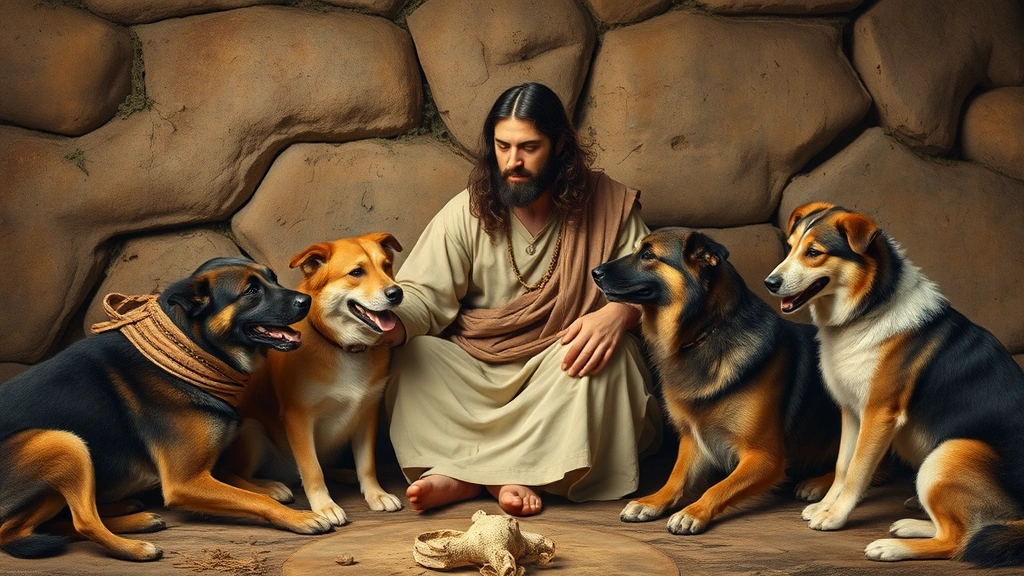
Psalm 23 describes God as a shepherd, and by extension, we are his flock. A shepherd’s dogs were essential to this metaphor, protecting and guiding the sheep. The relationship between shepherd, dog, and flock represents the hierarchical care structure that God intended for creation. Dogs weren’t just mentioned—they were integral to understanding biblical theology.
Dogs and Ceremonial Uncleanness: Levitical Law
In Leviticus and Deuteronomy, dogs are listed among unclean animals. This doesn’t mean they were evil or demonic—it meant they weren’t suitable for temple sacrifice or certain rituals. The laws of kashrut (Jewish dietary law) prohibited eating dog meat, which was common in surrounding cultures. This distinction set the Israelites apart and reinforced their unique covenant with God.

Understanding these purity laws requires recognizing that “unclean” was a technical religious term, not a moral judgment. A dog could be unclean for ceremonial purposes while still being a valuable working animal. Modern pet owners needn’t worry—your dog’s nutritional needs have nothing to do with ancient Levitical law.
The Symbolism of Dogs in Prophecy and Revelation
In the book of Revelation, dogs appear as symbols of those outside God’s kingdom. Revelation 22:15 states, “Outside are the dogs, those who practice magic arts, the sexually immoral, the murderers, the idolaters and everyone who loves and practices falsehood.” Here, dogs represent spiritual separation from God’s community, not the animals themselves.

This metaphorical use of “dogs” was common in ancient literature. It wasn’t literal—it was theological shorthand for those who rejected divine truth. Understanding this distinction helps us avoid misinterpreting scripture as anti-dog propaganda. The Bible uses dog imagery symbolically to teach spiritual lessons, not to condemn actual canines.
Dogs in Parables and Teaching Stories
Jesus used everyday objects and animals to teach spiritual truths. While he didn’t center a parable around dogs the way he did with sheep and goats, dogs appear in his teachings as examples of faith and persistence. The story of the Canaanite woman and her faith is essentially a lesson on how persistence and humility—qualities dogs naturally embody—can move God’s heart.

Luke 16 contains the parable of Lazarus and the rich man, where dogs lick Lazarus’s sores. In this context, the dogs show more compassion than the wealthy man. They’re portrayed as instruments of mercy, not symbols of evil. This reversal of expectations teaches readers about humility and the value of those society overlooks.
Modern Christian Perspectives on Pet Dogs
Contemporary Christian theology has largely moved away from viewing dogs as spiritually problematic. Most modern theologians and Christian pet owners recognize that the Bible’s references to dogs reflect ancient cultural contexts, not eternal truths about canine nature.

Many Christians argue that Genesis 1:28, where God gives humans dominion over animals, includes a responsibility to care for them properly. This stewardship perspective suggests that keeping a beloved dog in your home and providing excellent care is actually fulfilling biblical mandate. Your dog isn’t just a pet—it’s part of creation entrusted to your care.
What About Dog Behavior and Biblical Principles?
If you’re wondering whether biblical principles apply to dog training and care, the answer is nuanced. Proverbs emphasizes discipline, consistency, and patience—qualities that apply equally to raising children and training dogs. The principle of sowing and reaping (Galatians 6:7) suggests that how you treat your dog will influence its behavior and your relationship with it.

When considering your dog’s diet, biblical stewardship suggests choosing quality nutrition. Whether you’re evaluating lamb meat for your dog’s diet or researching breed-specific needs for your mountain feist dog, the principle remains the same: good stewardship means responsible care.
The Spiritual Lesson Dogs Teach Us
Perhaps the most profound answer to what God says about dogs isn’t found in any single verse. Instead, it’s found in what dogs embody: unconditional love, loyalty, forgiveness, and presence. Dogs don’t hold grudges. They don’t question whether they’re worthy of love. They simply show up, day after day, ready to be with their people.

In Matthew 18:3, Jesus says, “Truly I tell you, unless you change and become like little children, you will never enter the kingdom of heaven.” While he’s addressing children specifically, the principle applies to dogs too. Their simplicity, trust, and devotion offer spiritual lessons that complicated humans often struggle to learn.
Frequently Asked Questions
Does the Bible say dogs go to heaven?
The Bible doesn’t explicitly address whether animals have an afterlife. However, many theologians point to Revelation 21:4, where God promises to wipe away all tears, suggesting a restoration of all creation. Some Christian traditions believe animals will be present in God’s kingdom, while others remain uncertain. What’s clear is that your grief over losing a beloved pet is valid and understood by God.

Is it a sin to have a dog as a pet?
Absolutely not. While ancient biblical culture viewed dogs differently than we do today, there’s nothing sinful about pet ownership. In fact, caring for an animal responsibly reflects biblical stewardship principles. God created animals, declared them good, and entrusted them to human care.
What does the Bible say about animal cruelty?
Proverbs 12:10 states, “The righteous care for the needs of their animals, but the kindest acts of the wicked are cruel.” This verse directly addresses animal welfare. Mistreating animals is portrayed as morally wrong and inconsistent with righteousness. Biblical stewardship demands that we treat animals—including our dogs—with kindness and respect.

Are dogs mentioned as spiritual guides in the Bible?
Dogs aren’t portrayed as spiritual guides in scripture. However, they do serve symbolic purposes in teaching spiritual truths. Their loyalty and devotion are used metaphorically to illustrate the kind of faith believers should develop toward God.
Conclusion: What Does God Say About Dogs?
So what does God say about dogs? The honest answer is: it’s complicated. The Bible reflects an ancient culture where dogs served specific functions and held particular social positions. Some passages seem harsh by modern standards, while others reveal surprising compassion and recognition of canine value.

But here’s what we can conclude with confidence: God created dogs, declared creation good, and entrusted animals to human stewardship. The Bible uses dogs metaphorically to teach spiritual lessons about loyalty, faith, and devotion. Most importantly, nothing in scripture condemns loving and caring for a dog as a cherished family member.
Whether you’re a devout Christian wondering about your dog’s spiritual status or simply curious about biblical perspectives on canines, the takeaway is this: your dog isn’t just a pet. It’s a creature of God, worthy of love, care, and respect. And in its own simple way, your faithful companion teaches you something about the kind of devotion God seeks from all of us.





