
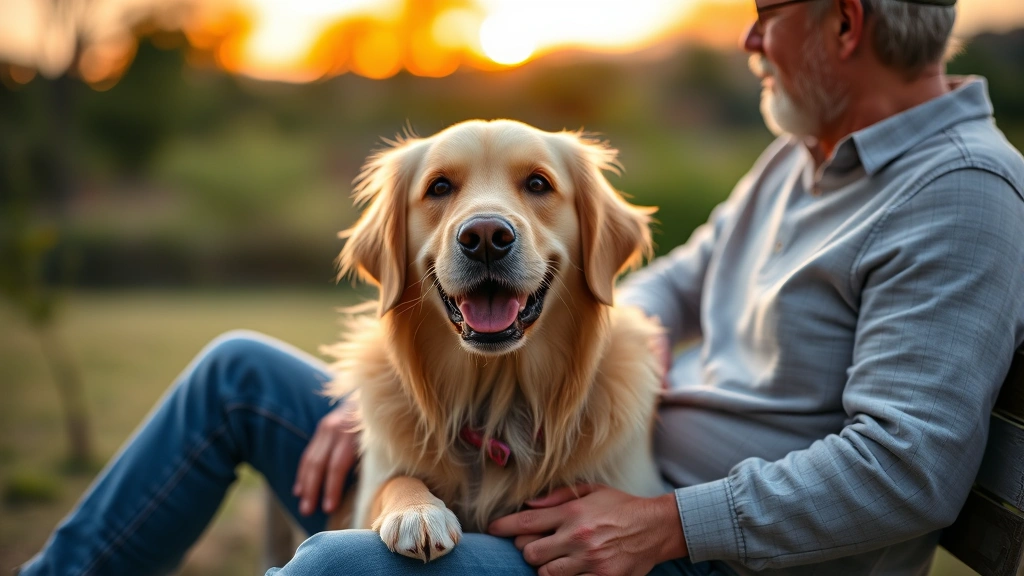
Why Does My Dog Sit on Me?
If you’re a dog owner, you’ve likely experienced the peculiar behavior of your furry friend plopping themselves directly on top of you while you’re sitting on the couch, lying in bed, or trying to relax. This common canine behavior can be endearing, funny, or sometimes downright uncomfortable depending on your dog’s size and your personal space preferences. But what does it really mean when your dog sits on you? Is it a sign of affection, dominance, anxiety, or something else entirely? Understanding the reasons behind this behavior can help you better communicate with your pet and strengthen your bond.
Dog behavior is complex and multifaceted, often stemming from a combination of instinctual drives, learned behaviors, and emotional needs. When your dog chooses to sit directly on you rather than beside you or on the floor, they’re communicating something specific through their body language and positioning. As a professional dog trainer and veterinary specialist, I’ve observed thousands of dogs exhibiting this behavior, and the reasons are far more nuanced than most dog owners realize. This comprehensive guide will explore the various motivations behind why your dog sits on you and what you can do about it.
Whether your dog’s lap-sitting habit is a sweet display of love or a sign that something needs attention, this article will provide you with evidence-based insights and practical solutions. We’ll examine the science behind canine behavior, explore different interpretations of this common action, and offer guidance on how to respond appropriately to your individual dog’s needs.
Table of Contents
- Affection and Bonding
- Security and Comfort
- Attention-Seeking Behavior
- Dominance and Territorial Marking
- Anxiety and Stress Relief
- Health and Medical Considerations
- Managing and Responding to the Behavior
- Frequently Asked Questions
Affection and Bonding
One of the most heartwarming reasons your dog sits on you is simply to show affection and strengthen your bond. When dogs sit on their owners, they’re often demonstrating trust and closeness, behaviors that are rooted in their pack mentality and family structure. In the wild, pack members huddle together for warmth, protection, and social bonding. Your dog may be replicating this instinctual behavior by wanting to be physically close to you, their most important family member.
This affectionate sitting behavior is particularly common in dogs that have developed secure attachments to their owners. According to research in canine psychology, dogs that sit on their owners often have higher oxytocin levels—the same “love hormone” that bonds parents to children. When your dog sits on you, they’re literally bathing themselves in your scent and proximity, which creates a calming, positive association. This is especially true if your dog follows the sitting behavior with other affectionate actions like tail wagging, gentle nudging, or leaning into you.
Small breed dogs and lap dogs like Cavalier King Charles Spaniels, Pomeranians, and Chihuahuas have been selectively bred for centuries to be lap dogs, making this behavior particularly pronounced in these breeds. However, larger breeds also exhibit this behavior, and when a 70-pound German Shepherd attempts to become a lap dog, the affection is unmistakable. If you want to learn more about understanding your dog’s emotional needs, you might find it helpful to explore what your dog wants you to know from the Humane Society.
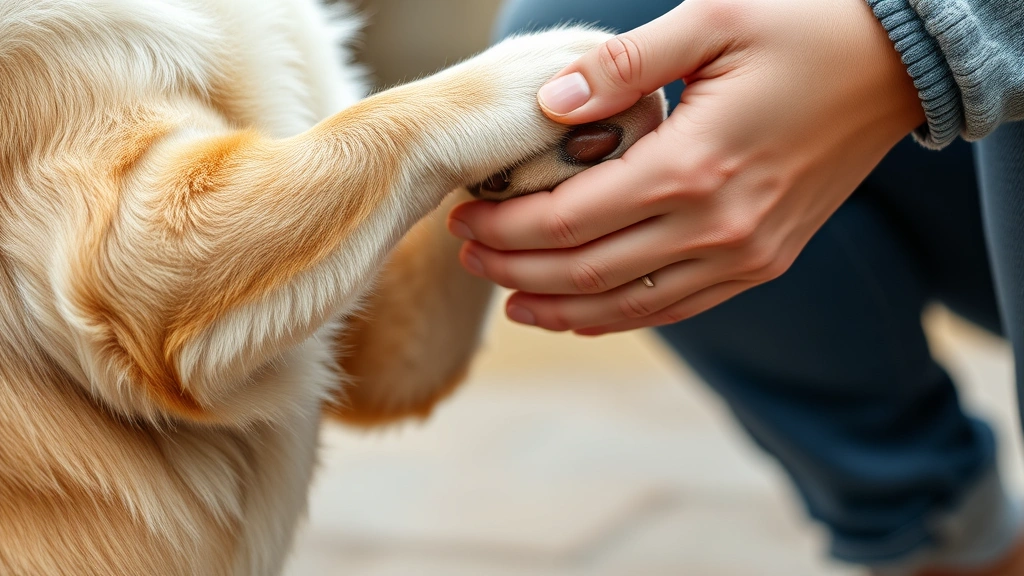
Security and Comfort
Beyond simple affection, your dog sitting on you may indicate that they feel safe and secure in your presence. Dogs are den animals by nature, and they seek out enclosed, protected spaces where they can feel secure. When your dog sits on you, they’re creating a physical barrier between themselves and the outside world. Your body becomes their safe space—a secure den that moves with them and provides constant comfort and protection.
This behavior is especially common during stressful situations such as thunderstorms, fireworks, or when there are unfamiliar people in the home. Your dog instinctively turns to you as their source of safety and protection. The weight of your dog on your body, combined with your steady heartbeat and calm presence, has a soothing effect. This is why many dogs will seek out their owners during anxious moments rather than retreating to their own beds or hiding spots. If your dog tends to shake during stressful situations, understanding why is my dog shaking can provide additional context for their overall stress levels.
The physical contact also helps regulate your dog’s nervous system. When dogs are in close physical contact with their trusted humans, their stress hormones decrease, and their heart rate stabilizes. This is a mutually beneficial arrangement—your dog gets comfort, and you get the satisfaction of providing that comfort. It’s a beautiful example of the symbiotic relationship between humans and dogs that has developed over thousands of years of domestication.
Attention-Seeking Behavior
Sometimes, your dog sits on you simply because they want your attention. Dogs are intelligent creatures that quickly learn which behaviors get a reaction from their owners. If you’ve ever responded enthusiastically to your dog sitting on you—petting them, talking to them, or giving them treats—you’ve inadvertently reinforced this behavior. From your dog’s perspective, sitting on you is an effective strategy to capture your focus and engagement.
This type of attention-seeking behavior is particularly common in dogs that aren’t getting enough mental stimulation or physical exercise. A bored dog will often resort to behaviors that guarantee a response from their owner, and sitting on you is one of the most effective tactics. If your dog sits on you when you’re working, reading, or watching television—essentially when you’re focused on something other than them—they’re likely trying to redirect your attention to themselves.
The key distinction between affection-based sitting and attention-seeking sitting is the context and the dog’s overall demeanor. An attention-seeking dog might sit on you repeatedly, shift their weight frequently, paw at you, or seem restless. They’re not necessarily seeking comfort; they’re seeking interaction. Understanding this difference helps you respond appropriately. If your dog is getting adequate exercise and mental stimulation, this behavior typically diminishes. You might also want to investigate other behaviors that could indicate boredom or unmet needs, such as why do dogs love tennis balls as enrichment tools.
Dominance and Territorial Marking
While dominance theory has become less central to modern dog training philosophy, territorial and possessive behaviors still play a role in some instances of lap-sitting. When your dog sits on you, they may be marking you as their possession or claiming you as part of their territory. This is particularly relevant if your dog becomes protective or possessive when other family members approach you while they’re sitting on your lap.
Dogs have scent glands throughout their body, including on their paws and rear end. When they sit on you, they’re depositing their scent onto you, essentially claiming you as part of their pack or territory. This isn’t necessarily aggressive dominance in the traditional sense; rather, it’s a form of social communication and resource guarding. If your dog displays this behavior in combination with resource guarding over toys, food, or specific spaces, it may indicate a possessive tendency that should be addressed through positive reinforcement training.
However, it’s important to note that most cases of dogs sitting on their owners aren’t about dominance at all. Modern canine behaviorists understand that dogs don’t maintain strict hierarchical pack structures like wolves in the wild do. Instead, they form cooperative social groups. If dominance or possessiveness seems to be a concern with your dog’s behavior, consulting with a certified professional dog trainer is recommended to develop a behavior modification plan.

Anxiety and Stress Relief
Dogs experiencing anxiety or stress often seek out their owners and sit directly on them as a coping mechanism. This is a form of self-soothing behavior where the dog uses their owner’s presence and physical proximity to manage overwhelming emotions or sensory experiences. Dogs with separation anxiety, generalized anxiety disorder, or those who have experienced trauma may develop a strong habit of staying in close physical contact with their trusted humans.
The therapeutic effect of your dog sitting on you works in both directions. While your dog benefits from your calming presence, you also benefit from the stress-reducing effects of physical contact with your dog. Studies have shown that petting a dog and having a dog in close proximity can lower your blood pressure, reduce cortisol levels, and increase feelings of calm and well-being. This is why therapy dogs are so effective in clinical and educational settings.
If your dog’s lap-sitting behavior seems excessive and is accompanied by other anxiety symptoms such as panting, whining, or destructive behavior, it may be worth consulting with a veterinary behaviorist. They can help determine whether your dog’s anxiety is situational or more generalized and develop a comprehensive treatment plan that might include behavior modification techniques, environmental changes, or in some cases, medication. Understanding other stress-related behaviors can also help; for instance, learning about why do dogs pant can help you identify when your dog is experiencing physical or emotional stress.
Health and Medical Considerations
Sometimes, a sudden change in your dog’s sitting behavior or an increase in lap-sitting can indicate underlying health issues that need veterinary attention. Dogs experiencing pain, discomfort, or illness may seek closer proximity to their owners because they’re feeling vulnerable and need reassurance. If your dog has suddenly started sitting on you more frequently than usual, especially if this is a new behavior, it’s worth scheduling a veterinary check-up.
Older dogs may sit on their owners more frequently due to joint pain, vision loss, or hearing loss. Being in close physical contact with their owner helps them feel more secure and connected to their environment. Senior dogs may also have a harder time regulating their body temperature and may seek out the warmth of their owner’s body. Additionally, dogs recovering from surgery or illness may need extra reassurance and comfort, which they often seek by sitting on or staying very close to their owners.
Hormonal changes can also affect your dog’s behavior. Unspayed female dogs may exhibit changes in their lap-sitting behavior during heat cycles, and dogs with thyroid issues or other endocrine disorders may experience behavioral changes. If your dog’s sitting behavior is accompanied by other changes such as changes in appetite, energy levels, bathroom habits, or coat quality, mention these to your veterinarian. They can run appropriate tests to rule out any medical issues. You might also notice changes in sleep patterns; if so, understanding why do dogs sleep so much can provide additional insight into your dog’s overall health.
Managing and Responding to the Behavior
Whether you find your dog’s sitting habit endearing or problematic, understanding how to respond appropriately is essential. If you enjoy the behavior and want to encourage it, consistency is key. Reward your dog with calm, gentle affection when they sit on you, and create positive associations with the behavior. Ensure you’re providing enough attention and interaction throughout the day so that your dog isn’t resorting to lap-sitting purely as an attention-seeking mechanism.
If you’d prefer your dog sit beside you rather than on top of you, you can gently redirect the behavior without being harsh or punitive. When your dog attempts to sit on you, you can guide them to sit next to you instead and immediately reward them with attention and treats. Consistency is crucial; if you sometimes allow lap-sitting and sometimes discourage it, your dog will become confused about the rules. Positive reinforcement training is far more effective than punishment-based methods for modifying this behavior.
For dogs with anxiety-related lap-sitting, providing alternative comfort items and spaces is helpful. Anxiety wraps, weighted blankets designed for dogs, and comfortable crate training can all provide a sense of security. Creating a calm, safe space where your dog can retreat to during stressful situations gives them options for managing their anxiety. Additionally, ensuring your dog gets adequate physical exercise and mental stimulation throughout the day reduces overall anxiety and promotes better behavior. Some dogs may benefit from specific toys or activities; for example, why do dogs lick their paws can sometimes indicate anxiety, and providing appropriate outlets for self-soothing behaviors is important.
Professional dog training can be invaluable if lap-sitting behavior is becoming problematic or if it’s accompanied by other behavioral issues. A certified professional dog trainer can assess your individual dog’s situation and develop a customized training plan. They can also teach you how to effectively communicate your boundaries to your dog while maintaining a positive, reward-based relationship. According to the American Kennel Club’s expert advice on why dogs sit on their owners, the key is understanding your dog’s motivation and responding with patience and consistency.
Frequently Asked Questions
Is my dog sitting on me a sign of dominance?
Contrary to older dominance-based training theories, a dog sitting on you is rarely a sign of dominance. Modern canine behaviorists understand that dogs don’t have the same hierarchical pack structure as wolves in the wild. Sitting on you is more commonly a sign of affection, comfort-seeking, or attention-seeking behavior. However, if your dog combines lap-sitting with resource guarding, aggression, or other concerning behaviors, consult with a certified professional dog trainer to address those specific issues.
Why does my dog sit on me and not my family members?
Dogs often choose one family member as their primary attachment figure, and that person may receive more lap-sitting behavior. This could be because you spend the most time with your dog, you’re the primary caregiver, or your dog has formed the strongest bond with you. Dogs are capable of forming different types of relationships with different family members, and they may show different behaviors with each person. If other family members want to increase lap-sitting behavior with your dog, they can spend more one-on-one time with your dog and reward the behavior when it occurs.
Should I discourage my dog from sitting on me?
Whether to discourage lap-sitting is entirely a personal preference. If you enjoy the behavior and your dog is healthy and well-adjusted, there’s no reason to discourage it. However, if you have mobility issues, prefer personal space, or if the behavior is excessive and interfering with daily activities, you can gently redirect it. The key is to be consistent and use positive reinforcement rather than punishment. Some owners find that allowing lap-sitting at designated times works well—for example, permitting it during movie time but redirecting the behavior when you’re trying to work or perform household tasks.
Can lap-sitting behavior indicate my dog is sick or injured?
A sudden change in lap-sitting behavior can sometimes indicate health issues. If your dog has suddenly started sitting on you more frequently or if this is a new behavior, it’s worth scheduling a veterinary check-up. Dogs experiencing pain, illness, or age-related changes may seek increased proximity to their owners. Additionally, if lap-sitting is accompanied by other symptoms such as changes in appetite, energy levels, or bathroom habits, mention all of these to your veterinarian. For more information on recognizing signs of stress in dogs, you might explore dog behavior resources from the American Veterinary Medical Association.
How can I tell if my dog is sitting on me for attention versus comfort?
An attention-seeking dog will typically shift their weight frequently, paw at you, or seem restless while sitting on you. They may get up and move around if you start petting them or showing attention, then sit back down when your attention wanes. A comfort-seeking dog, on the other hand, will usually settle into a relaxed position, may rest their head on you, and will seem content to stay still. Context matters too—attention-seeking sitting often occurs when you’re focused on something else, while comfort-seeking sitting may happen during stressful situations or when your dog is simply tired and wants to be near you.
Why does my dog sit on me when other people visit?
Dogs may sit on their owners when visitors arrive for several reasons. They may be seeking reassurance and comfort due to the unfamiliar presence and activity. Alternatively, they may be engaging in territorial marking, essentially claiming you as part of their family unit. Some dogs also use sitting on their owner as a way to manage anxiety about new people in their space. This behavior is generally harmless and often subsides as your dog becomes more comfortable with the visitor. If your dog becomes overly possessive or aggressive when sitting on you during visits, professional training intervention may be helpful.
Can I train my dog to sit on me on command?
Yes, you can train a dog to sit on you on command, though it requires patience and consistency. Start by rewarding your dog heavily whenever they naturally sit on you or show interest in doing so. Then, introduce a specific cue word or hand signal before they sit on you. With repetition, your dog will begin to associate the cue with the behavior. However, not all dogs naturally enjoy sitting on their owners, so don’t be discouraged if your dog doesn’t readily take to this training. Some dogs simply prefer sitting beside their owners rather than on them, and that’s perfectly fine. For more insights into dog behavior and training, the PetMD article on why dogs sit on laps offers additional expert perspectives.
Is there a breed difference in lap-sitting behavior?
Yes, there are breed differences in lap-sitting behavior. Toy breeds and companion breeds like Cavalier King Charles Spaniels, Pomeranians, and Shih Tzus have been selectively bred for centuries to be lap dogs and typically display this behavior more readily. However, individual personality plays a significant role too. Some large breed dogs are very lap-oriented, while some small breeds prefer independence. Additionally, early socialization and learning experiences shape whether a dog develops a preference for lap-sitting. If you want to understand more about dog behavior across different contexts, you might explore topics like why do dogs howl at sirens to gain broader insights into canine communication and behavior patterns.





