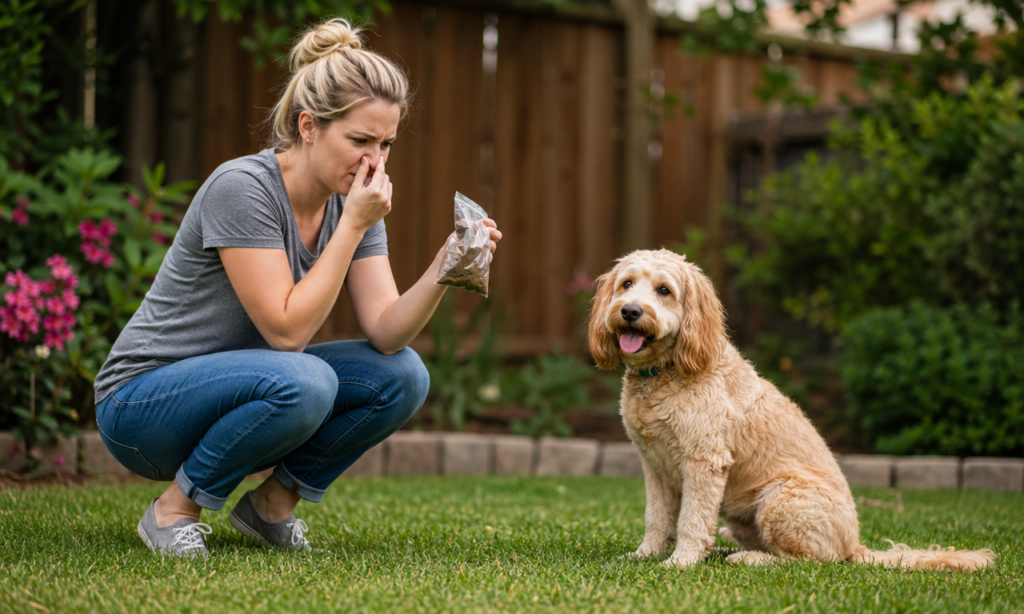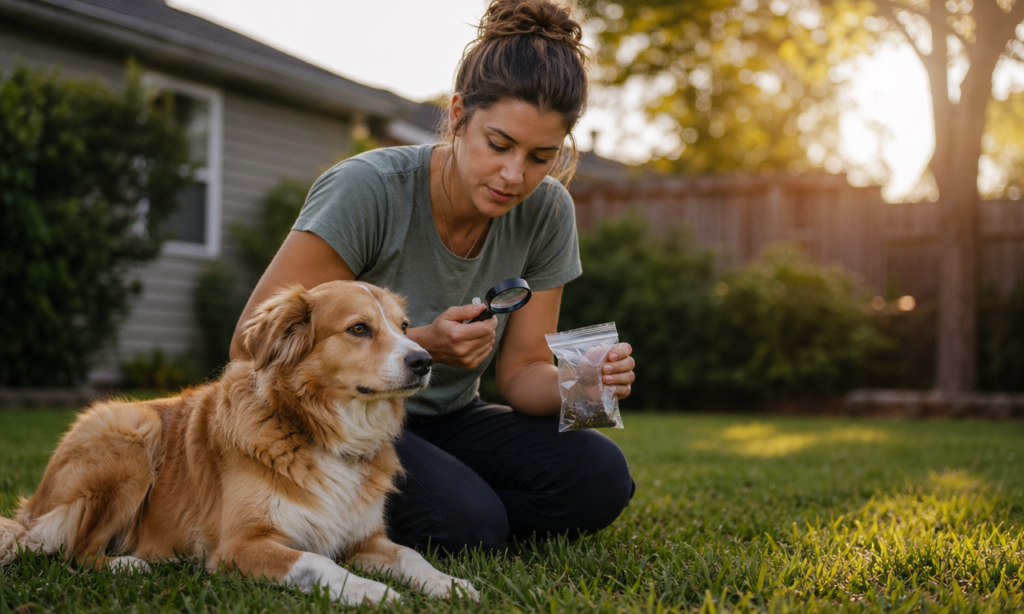
Watching your dog hunch, strain, and walk away with nothing to show for it is uncomfortable for both of you. Dog constipation is more common than people realize, and the right dog constipation home remedies can resolve most cases within a day or two — when caught early. The wrong “remedies” (looking at you, mineral oil) can cause serious problems.
This guide covers the real signs of dog constipation of dog constipation, what causes it, and which home remedies are actually safe and effective. Plus the red flags that mean it’s not constipation at all — it’s something more serious.
What Counts as Dog Constipation?
Healthy adult dogs typically poop 1-3 times a day. Dog constipation means infrequent, difficult, or painful bowel movements — usually any of:
- No bowel movement for 48+ hours
- Straining without producing
- Producing only small, hard, dry pellets
- Whining, hunching, or visible pain when trying to poop
- Multiple aborted attempts in a single outing
One dry stool after a low-water day isn’t constipation. A pattern of strained, painful, or absent movements is.
Common Signs Your Dog Is Constipated
Beyond the obvious “they’re not pooping” — watch for:
- Decreased appetite — backed-up dogs often refuse food
- Vomiting — chronic constipation can cause nausea
- Lethargy or restlessness
- A hunched posture, even when not pooping
- Abdominal swelling or tenderness when you gently feel the belly
- Scooting or licking the rear excessively
- Dry, hard pellets when they do produce
The Most Common Causes of Dog Constipation
1. Dehydration
The colon’s job is partly to absorb water from waste. If a dog is dehydrated, the colon pulls more water out, leaving stool dry and hard. Common with hot weather, decreased water intake, or excessive panting after exercise.
2. Low Fiber or Diet Imbalance
Diets too low in fiber produce small, sluggish stool. Diets too high in calcium (often raw with too much bone) produce chalky, slow-moving stool. The fix is rebalancing — not eliminating one or the other entirely.
3. Lack of Exercise
Movement stimulates the bowel. A mostly-sedentary dog, or one with mobility issues, often slows down digestively too.
4. Ingested Foreign Objects
Bones (especially cooked bones), hair from compulsive licking, fabric, or grass can all cause partial blockages or hard, irritating stool. Cooked bone is especially dangerous because it splinters and packs together — never give your dog cooked bones of any kind.
5. Anal Gland Issues
Impacted or infected anal glands cause pain when pooping. Dogs learn to hold it to avoid the pain, which makes the constipation worse, which makes the next poop harder, which makes the glands worse — a self-reinforcing cycle.
6. Hip, Spine, or Joint Pain
The squat-to-poop position is hard on a dog with arthritis, hip dysplasia, or back pain. Senior dogs especially may avoid pooping because of musculoskeletal pain rather than GI issues. Often resolves with pain management.
7. Megacolon
A stretched, weakened colon that can’t move waste effectively. Can be congenital or develop over time from chronic constipation. Diagnosed via X-ray.
8. Medications
Common offenders: opiates, certain antihistamines, iron supplements, antacids with aluminum, diuretics, and chemotherapy. If new constipation appeared within a few weeks of starting a medication, talk to your vet.
9. Stress and Schedule Disruption
New homes, boarding, travel, schedule changes — anything that disrupts routine can also disrupt the bowel. Most dogs return to normal within 3-5 days of routine restoring.
10. Prostate Issues (Male Dogs)
An enlarged prostate can press on the colon and make pooping painful or difficult. Especially common in unneutered older males.
Home Remedies for Dog Constipation That Actually Work
For mild, recent dog constipation dog constipation in an otherwise healthy adult dog, these home remedies are safe and often effective. None of these replace a vet visit if symptoms are severe or last more than 48 hours.
1. Add Water to Their Diet
The fastest fix for dehydration-related constipation. Pour a small amount of warm water (or low-sodium broth) over kibble at meals. Many dogs eat this enthusiastically and rehydrate within hours. Adding a wet food topper does the same thing.
2. Plain Canned Pumpkin
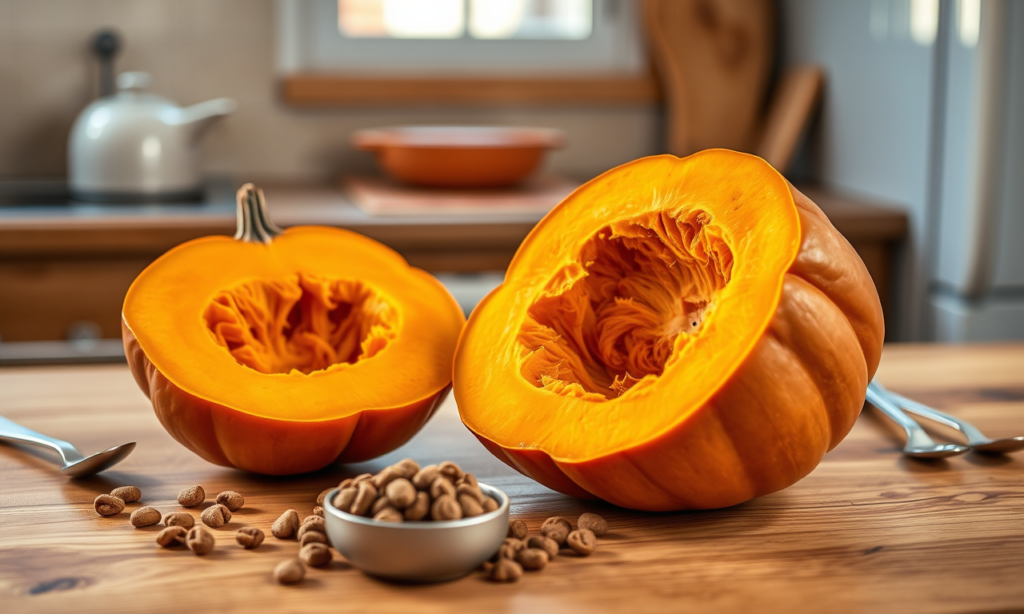
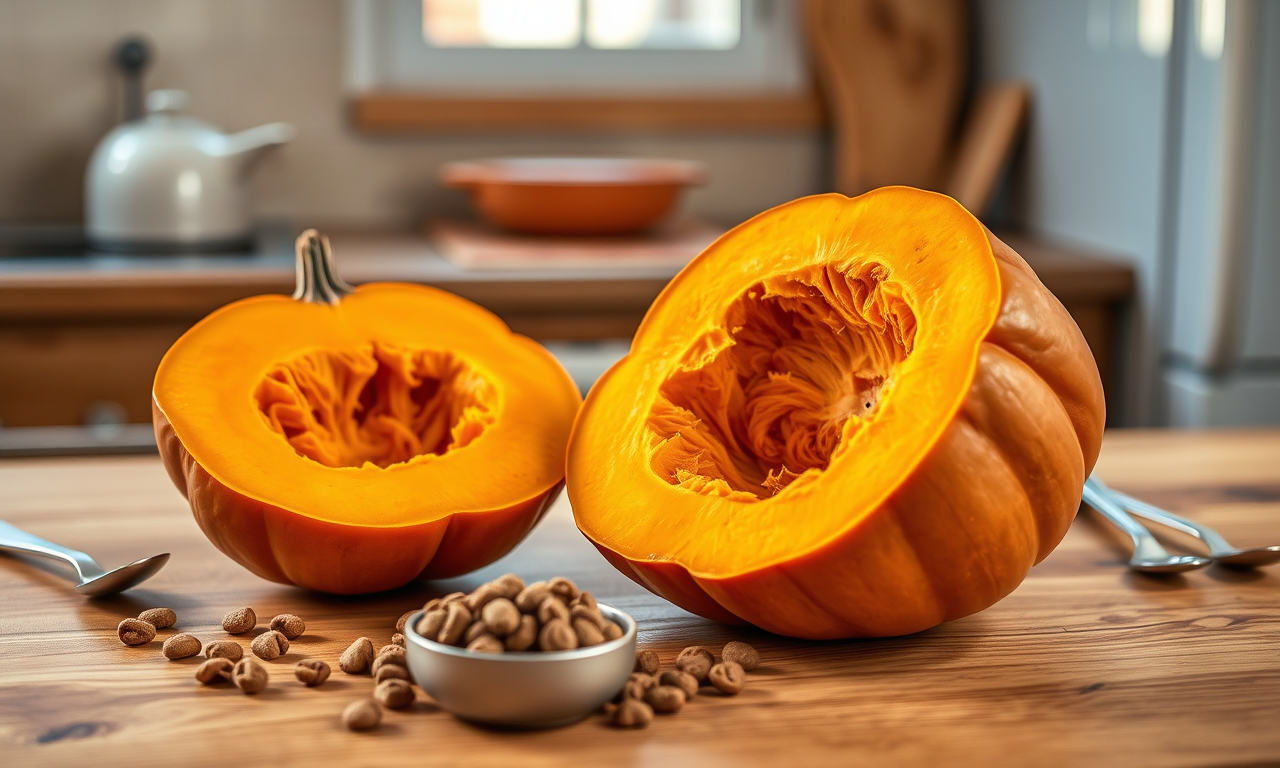
The most-recommended home remedy in the dog world for a reason. Plain canned pumpkin (NOT pie filling — the spiced version contains nutmeg, which is toxic to dogs in high doses) is high in soluble fiber and water. It firms loose stool AND softens hard stool — both useful.
Dose: 1 teaspoon per 10 lbs of body weight, once or twice a day, mixed with food. Most dogs love the taste.
3. Pure Wheat Bran or Psyllium Husk
For chronic constipation, adding insoluble fiber via wheat bran (1 tsp per 20 lbs) or psyllium (Metamucil unflavored, 1/2 tsp per 20 lbs) can keep things moving. Always pair with extra water — fiber without water makes constipation worse.
4. Increase Exercise
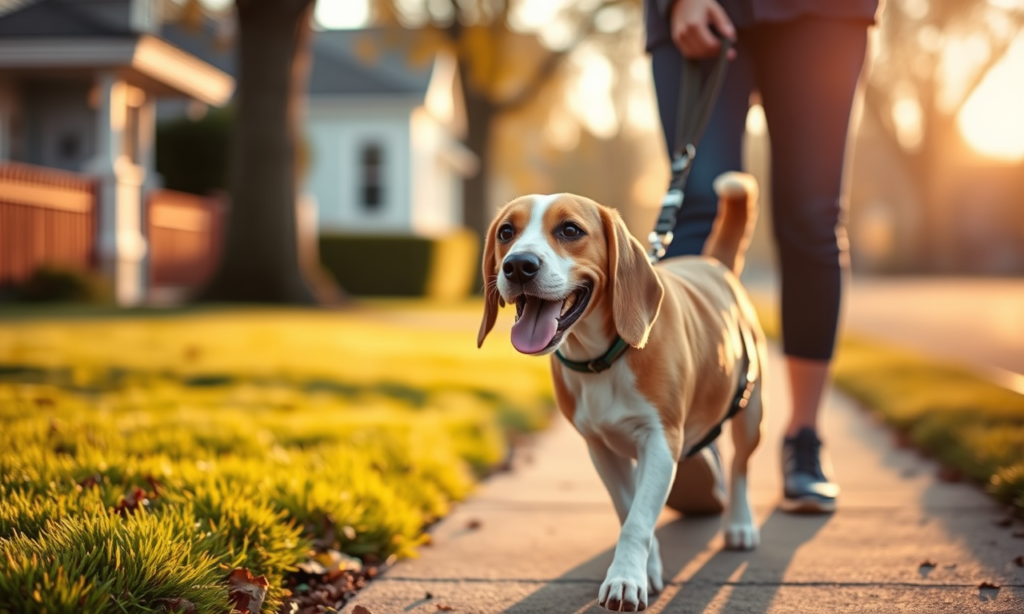
A 30-minute brisk walk often gets things moving within an hour. The combination of physical movement and breathing rhythm stimulates the bowel. For dogs with mobility issues, even gentle indoor play helps.
5. Probiotics
A healthy gut microbiome supports regular digestion. Plain unsweetened yogurt (1 tsp per 10 lbs) or a vet-formulated probiotic like FortiFlora or Proviable can help, especially after antibiotics or stress.
6. Coconut Oil (Small Doses Only)
1/4 teaspoon per 10 lbs of body weight, once daily, lubricates digestion mildly. Don’t overdo it — too much causes diarrhea and pancreatitis risk in fat-sensitive dogs.
7. Warm Water Bath / Belly Massage
Gentle clockwise belly massage, with the dog standing or on their back, can help move things along — especially in puppies. Pair with a warm (not hot) bath to relax the muscles.
Home Remedies to Skip (and Why)
- Mineral oil — high aspiration risk (oil in lungs = pneumonia). Never administer.
- Human laxatives — Ex-Lax, Senokot, Dulcolax: dosing is unreliable for dogs and side effects can be severe. Never give without vet direction.
- Enemas at home — without veterinary guidance, easy to harm the rectum or use the wrong solution. Phosphate enemas (the “Fleet” type) are TOXIC to dogs.
- Milk — most dogs are lactose intolerant. The “give them milk to laxate” advice causes diarrhea, not safe laxation.
- Olive or vegetable oil in large amounts — pancreatitis risk. Coconut oil in small doses is safer.
When to Stop Home Remedies and See the Vet
Schedule a same-day vet visit if:
- No bowel movement for 48+ hours despite home care
- Straining is producing blood, mucus, or extreme distress
- Vomiting is paired with constipation (could be obstruction)
- Distended, hard, painful belly
- Lethargy or refusal to eat
- Puppy or senior with constipation more than 24 hours
- Recent foreign-object ingestion
- Suspected toxin or medication side effect
The Merck Veterinary Manual is a trusted layperson reference for digestive symptoms — bookmark it for context, but trust your vet over the internet for diagnosis.
Preventing Future Episodes
- Consistent water access — refresh daily, multiple bowls in multi-dog households
- Regular exercise — at least 30 minutes daily, more for active breeds
- Balanced diet with appropriate fiber for your dog’s age and breed
- Routine — same feeding times, same walk times, same bedtime
- No bones or hair-eating — supervise yard time, deal with shedding
- Annual senior wellness exams for dogs over 7 — early arthritis, prostate, or megacolon detection
Frequently Asked Questions
How long can a dog go without pooping safely?
24-48 hours is generally fine in a healthy adult, especially after a missed meal or schedule change. Past 48 hours, intervene at home. Past 72 hours, see the vet.
Will my dog’s constipation resolve on its own?
Mild cases often resolve with water, exercise, and a bit of pumpkin within 12-24 hours. Anything that doesn’t improve within 48 hours, or that gets worse, needs vet attention.
Can I give my dog milk for constipation?
Don’t. Most dogs are lactose intolerant — you’ll trade constipation for diarrhea. Pumpkin and water work better.
Is it OK to give my dog stool softeners like Miralax?
Miralax (polyethylene glycol 3350) is sometimes prescribed by vets for chronic constipation, but only at vet-determined doses. Don’t dose without guidance — especially in small dogs.
Why does my older dog get constipated more often?
Decreased exercise, decreased water intake, joint pain that makes squatting hard, prostate issues, and slower gut motility are all age-related. A senior wellness panel and pain management often help.
How do I keep up with daily yard checks during a flare?
If your dog has chronic constipation, daily checking is part of the routine. If you’re falling behind on yard hygiene generally, our weekly cleanup service handles that for you. Reach out with your zip code for service details.
The Bottom Line
Most dog constipation cases of dog constipation are mild, dehydration-driven, and resolve within 24 hours of pumpkin, water, and a brisk walk. The cases that don’t resolve in 48 hours, or that come with vomiting, lethargy, or severe straining, need a vet — sometimes urgently.
Use this guide alongside our how-often-should-a-dog-poop guide and our dog poop color chart to track your dog’s pattern. When you know what’s normal, you spot trouble fast.