Most dog poop is firm, brown, and predictable. So when you spot a slimy, jelly-like coating wrapped around your dog’s stool, it’s natural to feel a flash of worry. Mucus in dog poop is one of those signs that ranges from “totally fine, this happens” to “call the vet today” — and the trick is knowing which is which.
This guide walks through what mucus actually is, the seven most common reasons it shows up, when to wait it out, and when to skip the home checks and go straight to the clinic. Pulled from veterinary references and a lot of yard observations.
What Is Mucus and Why Does It Show Up
The colon naturally produces a thin layer of mucus to keep stool moving smoothly. A small amount is normal and you’d never notice. Visible mucus in dog poop happens when the colon is irritated, inflamed, or producing extra mucus to flush something out — a parasite, food particle, or pathogen. So mucus itself isn’t a disease; it’s the colon’s signal that something needs attention.
Mucus typically looks like a clear, white, or slightly yellow jelly-like coating. Sometimes it’s stretched in long strings; other times it’s a thin glaze on otherwise normal stool. Color and texture both give clues about the cause.
The 7 Most Common Causes of Mucus in Dog Poop
1. Stress Colitis
By far the most common cause we see. Boarding, travel, a new pet, fireworks, schedule disruption, or even a stressful vet visit can trigger colitis — inflammation of the colon. Classic symptoms: soft stool with mucus and sometimes streaks of bright red blood. The good news is most cases resolve in 48-72 hours once the stress goes away.
Home support: bland diet (boiled chicken + plain rice), probiotic, hydration. If symptoms last more than 3 days, see the vet.
2. Dietary Indiscretion
“Garbage gut” — eating something off the ground, table scraps, a half-eaten chicken bone — irritates the colon and produces extra mucus while the body flushes the offender. Symptoms usually start 12-24 hours after the indiscretion and clear within a day or two. A 12-hour fast plus 2-3 days of bland diet usually fixes it.
3. Intestinal Parasites
Whipworms are the most notorious for producing mucus. Giardia, hookworms, and coccidia also commonly cause mucus-coated stool. Whipworm eggs survive in soil for years, making yard reinfection common. A simple fecal float at the vet ($25-50) diagnoses parasites within 24 hours, and treatment is usually a single course of dewormer.
If you also see worms or “rice grains” in the stool alongside the mucus, schedule a fecal float that week.
4. Inflammatory Bowel Disease (IBD)
Chronic, recurring mucus in dog poop — especially with weight loss, intermittent diarrhea, vomiting, or appetite changes — points to IBD. Diagnosis requires bloodwork, ultrasound, and sometimes biopsy. Management is lifelong and combines diet, medications (steroids, immunosuppressants), and B12 supplementation.
The Merck Veterinary Manual covers IBD in detail and is the standard reference for non-vet owners.
5. Bacterial Infection
Salmonella, Campylobacter, and Clostridium can all inflame the colon and produce mucus, often with watery or bloody diarrhea, fever, and lethargy. These cases need antibiotics and typically a same-day vet visit.
6. Food Allergy or Intolerance
Dogs with food sensitivities often have chronic, low-grade mucus in their stool, sometimes paired with itchy skin, ear infections, or paw chewing. The most common dog allergens are beef, chicken, dairy, wheat, and eggs. Diagnosis requires a strict elimination diet for 8-12 weeks.
7. Foreign Body Irritation
A swallowed sock, toy fragment, or sharp piece of bone can irritate the colon mechanically, producing mucus as the body tries to wrap and pass the object. If your dog has been chewing toys aggressively or eating things they shouldn’t, mucus paired with vomiting or abdominal pain is a vet visit, today.
What Mucus Color Tells You
- Clear or white — most common, usually colitis or mild irritation
- Yellow or yellowish — bile-tinged mucus, often parasites or rapid transit
- Pink or red-streaked — bleeding from the colon (colitis, parasites, anal gland)
- Green — bile-heavy mucus or, rarely, gallbladder issues
- Black — digested blood from the upper GI; this is urgent
When Mucus in Dog Poop Is Normal
A small amount of mucus once in a while — especially after a stressful day, treat splurge, or with otherwise healthy stool — is normal. Most owners spot it occasionally and never need to do anything. The colon is working as designed.
What’s NOT normal:
- Mucus on every poop for more than 3-4 days
- Mucus paired with diarrhea, vomiting, or appetite loss
- Heavy mucus that’s the majority of what the dog passes
- Mucus with blood (more than a thin streak)
- Mucus in puppies under 4 months (parvo risk)
- Mucus in seniors with weight loss
What to Do at Home for Mild Cases
If your otherwise-healthy adult dog has occasional mucus in dog poop with no other symptoms, try this 48-hour protocol:
- Withhold food for 12 hours. Water always available.
- Reintroduce bland diet. Boiled chicken (no skin, no seasoning) + plain white rice, ratio 1 part chicken to 2 parts rice. Small portions, 4-5 times a day.
- Add a probiotic. Vet-formulated like FortiFlora or Proviable, or 1 tsp plain unsweetened yogurt per 10 lbs of body weight.
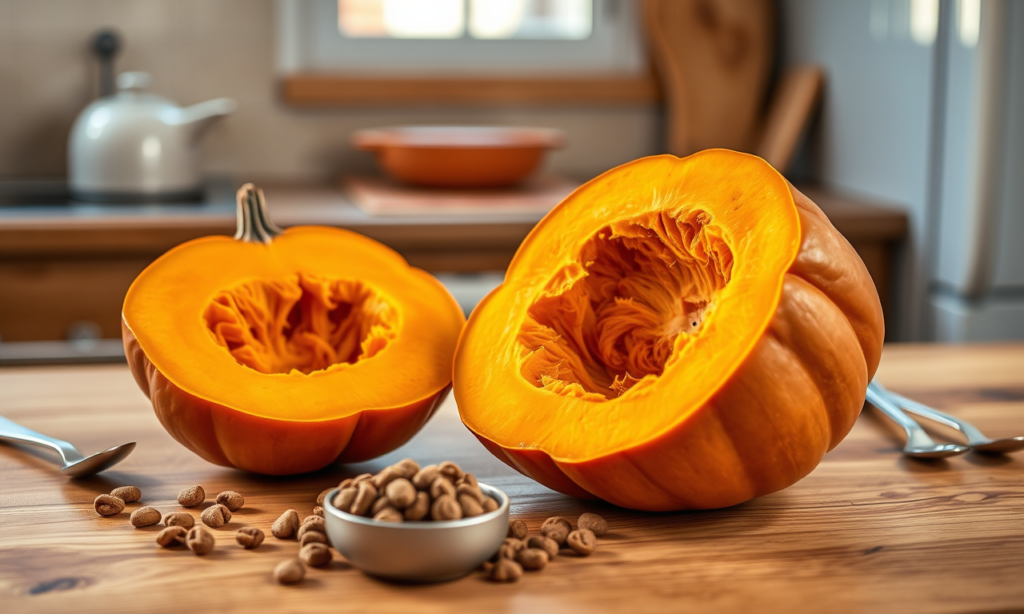
- Plain canned pumpkin. NOT pie filling — 1 tsp per 10 lbs, mixed in. Soluble fiber soothes the colon.
- Watch for 48 hours. If improving, transition back to regular diet over 3-4 days.
If mucus is still present at hour 48 or any red flags appear, stop home care and call the vet.
When to Skip the Home Care and Call the Vet
- Heavy mucus + blood (more than a streak)
- Watery or bloody diarrhea
- Vomiting paired with mucus in stool
- Lethargy, weakness, or pale gums
- Distended or painful belly
- Refusal to eat for 24+ hours
- Puppy or senior with mucus longer than 24 hours
- Recent toy chewing or possible foreign-body ingestion
- Suspected toxin exposure
According to the American Kennel Club health guidelines, any GI symptom in puppies, seniors, or immunocompromised dogs warrants faster vet contact than the same symptom in a healthy adult dog.
How to Prevent Mucus in Dog Poop
- Slow diet transitions. 7-10 days when changing foods. Abrupt switches are the #1 trigger we see.
- Year-round broad-spectrum parasite prevention. Heartgard Plus or Sentinel monthly knocks out roundworm, hookworm, whipworm, and heartworm together.
- Daily yard cleanup. Removes parasite eggs from the environment before they reinfect. Our weekly cleanup service handles this for busy households.
- Consistent stress management. Boarding-related colitis can be reduced with calming aids (Adaptil pheromone, plain L-theanine) before high-stress events.
- Limit table scraps. Most dietary indiscretion cases trace back to fatty human food — cut back and watch what improves.
- Annual fecal exam. Catches asymptomatic parasites before they show up as a mucus problem.
Frequently Asked Questions
Should I be worried about a single instance of mucus in dog poop?
Usually not. One mucus-coated stool with otherwise normal behavior, eating, and drinking is rarely a problem. Watch for 48 hours; if it doesn’t repeat, you can stop watching.
What’s the difference between mucus and worms?
Mucus is a clear or white jelly-like coating that doesn’t move. Worms are visible parasites — spaghetti-shaped roundworms or rice-grain tapeworm segments — and may wriggle when fresh. If you see anything that looks like a worm, take a photo and bring a stool sample to the vet for a fecal float. Pair this with our worms in dog poop guide for visual ID.
Can mucus be caused by stress alone?
Yes — stress colitis is the most common single cause we see. Boarding, schedule changes, new pets, fireworks, and even unfamiliar visitors can all trigger it. Most cases resolve in 2-3 days once the stress passes.
How long should I wait before calling the vet?
If mucus is the only symptom and your dog is otherwise normal: 48-72 hours of bland diet and probiotic at home is reasonable. With any other symptom (vomiting, lethargy, blood, refusing food) — same-day call. For puppies and seniors, shorter window: 24 hours.
Can certain foods trigger mucus in dog poop?
Yes. Sudden diet changes, dairy, fatty table scraps, and individual food sensitivities are all common triggers. Keeping a simple food diary for 1-2 weeks often pinpoints the culprit.
Is mucus in dog poop contagious to other pets?
The mucus itself isn’t, but the cause might be. Parasites and bacterial infections (giardia, salmonella, parvo) ARE contagious between dogs. If you have multiple pets and one shows mucus + diarrhea, separate food/water bowls and pick up immediately.
What if my yard cleanup keeps falling behind during a flare?
Old poop in the yard reinfects dogs with whichever parasite caused the issue in the first place. Daily pickup is critical during recovery. Pair this with our dog poop color chart guide so you can spot subtle changes alongside the mucus.
Pair This With Our Other Guides
- Dog Poop Color Chart — what each color means about your dog’s health
- Dog Diarrhea: 12 Common Causes — pairs naturally with mucus-coated stool
- Why Is My Dog Eating Poop? — coprophagia and what it signals
- Worms in Dog Poop: 7 Types — visual ID for parasites
The Bottom Line
Mucus in dog poop is the colon’s “I’m irritated” signal. Mild and occasional is fine. Heavy, persistent, or paired with other symptoms is a vet visit. Most cases trace back to stress, diet change, or parasites — all easy to diagnose and fix. Bookmark this guide, watch for the red flags, and trust your gut: you know your dog’s normal better than anyone.
If reinfection from yard contamination keeps making mucus in dog poop a recurring problem at your house, reach out with your zip code — daily cleanup is the simplest preventive step you can take.