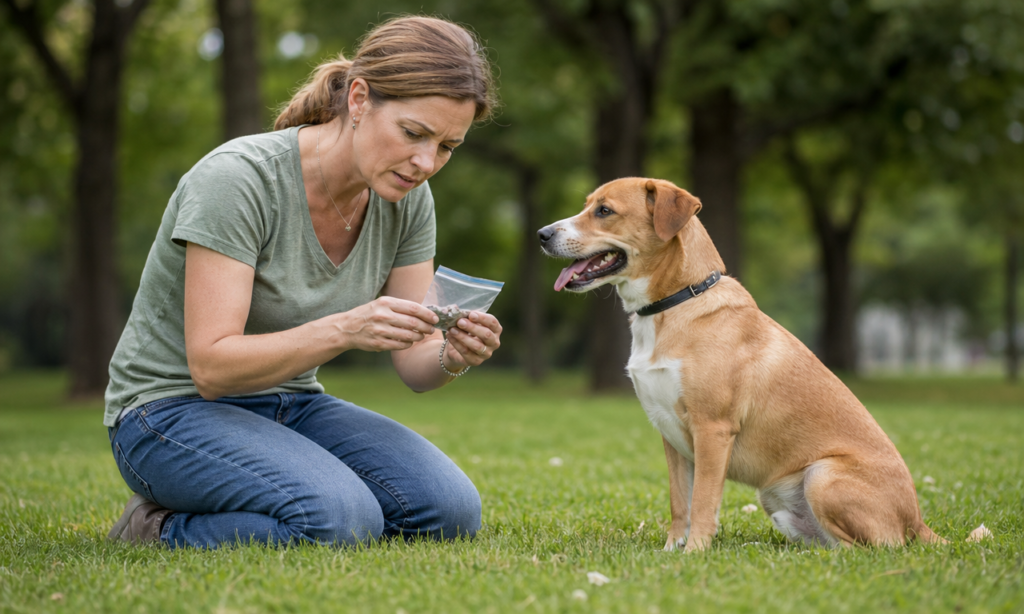
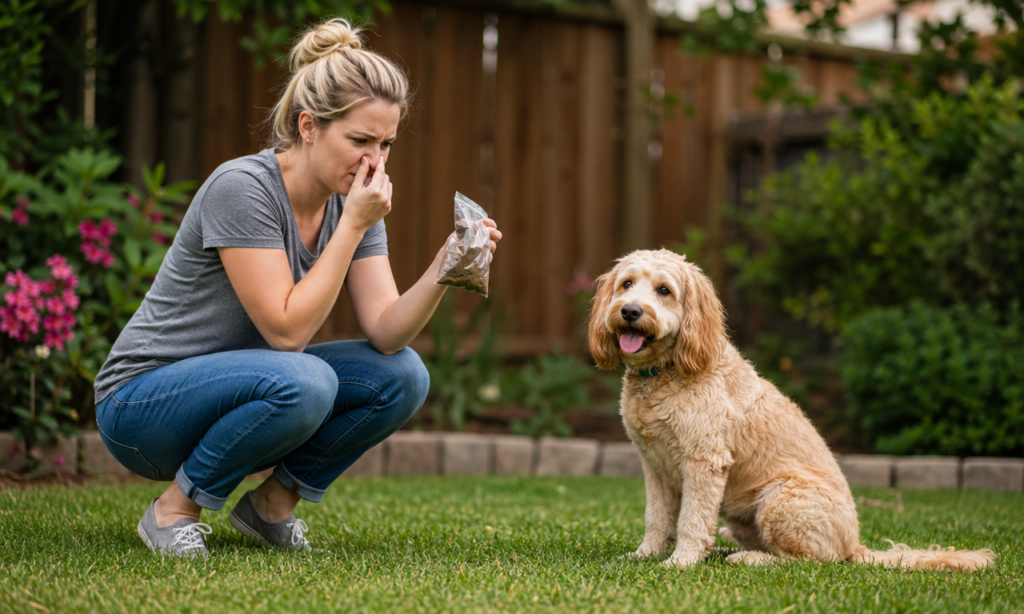
A dog straining to poop — squatting, pushing, walking away with nothing produced — is alarming, and for good reason. Sometimes it’s a one-off from a low-fiber day. Sometimes it’s a sign of something that needs a vet today. The trick is knowing which is which.
The medical name for repeated, unproductive straining is tenesmus, and in dogs it has six common causes. Here’s how to recognize each one and what to do about it.
1. Constipation: the most common reason a dog is straining to poop
The most common cause and usually the most benign. A constipated dog produces small, hard, dry stools — or nothing at all — and may strain for several minutes per attempt.
Common triggers:
- Dehydration (especially in older dogs or in hot weather)
- Low-fiber diet, sudden food change
- Bones, hair, or non-food items in the stool
- Lack of exercise
- Holding it too long (e.g., long car rides, anxious house guests)
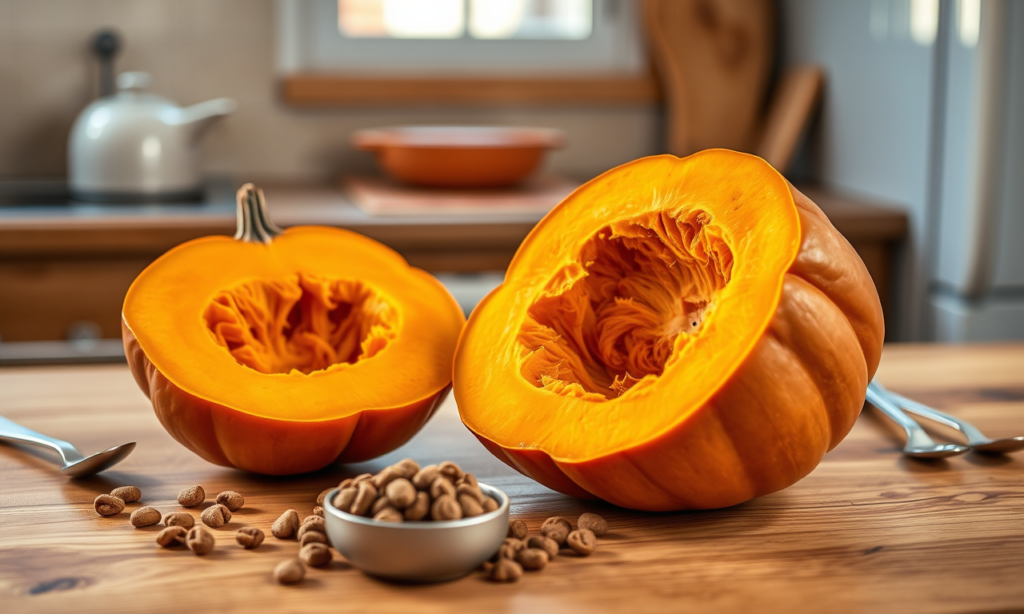
What helps at home: a tablespoon of plain canned pumpkin per 10 lb of body weight, fresh water, a longer walk, and sometimes a teaspoon of olive oil mixed into food. See our full guide on dog constipation for dosage tables and when home remedies stop being appropriate.
When to call the vet: if your dog has gone more than 48 hours without a bowel movement, is vomiting, or seems lethargic.
If you’re searching for the best dog straining to poop specifically — that’s exactly what this set was built around. The whole reason to pick a dog straining to poop over a more generic one is consistency of mood and theme across every page.
2. Anal gland problems
Dogs have two scent glands flanking the anus that normally express a small amount of fluid every time they poop. When the ducts get blocked, the glands swell, and pooping suddenly hurts. Your dog will strain, scoot, lick the area obsessively, and may yelp on the way out.
How to recognize it:
- Scooting on carpet or grass
- Strong fishy smell
- Visible swelling or redness near the anus
- Straining with normal-looking stool
This one isn’t usually an emergency, but it’s not a wait-and-see either. An impacted gland can rupture into an abscess if left for days. Most dogs need a vet or groomer to express the glands manually.
3. Diarrhea (yes, it can cause straining too)
It sounds backward, but a dog with severe diarrhea or colitis often strains between bouts because the colon is irritated and keeps signaling “there’s more to come.” You’ll see frequent small amounts of soft or mucus-coated stool, sometimes with a few drops of blood.
For context on what the stool itself is telling you, our guides on dog diarrhea, mucus in dog poop, and the dog poop color chart cover this in detail.
When to call the vet: any diarrhea lasting more than 24 hours, any blood, any vomiting alongside it, or any sign of dehydration (sticky gums, slow skin tent).
4. Foreign body or obstruction
This is the cause every dog owner should rule out fast. A swallowed sock, bone fragment, corn cob, or piece of toy can get stuck on the way through and create a partial blockage. Your dog will strain, may pass small amounts, then strain again — and over hours will get progressively worse, not better.
Red flags:
- Repeated vomiting (especially of food, then bile, then nothing)
- Loss of appetite
- Lethargy or hiding
- Bloated or painful abdomen
- Known history of eating something they shouldn’t have
This is an emergency. Obstructions can perforate the intestine within 24–48 hours. The AKC’s guide to intestinal obstruction in dogs walks through warning signs in more detail. If you have any reason to think your dog ate something inedible and they’re now straining and off their food, go to a vet — same day, or after-hours if needed.
5. Prostate problems (intact males)
In male dogs that haven’t been neutered — and occasionally in older neutered males — the prostate sits next to the colon and can press on it when enlarged or infected. The dog strains, sometimes produces ribbon-thin stools, and may have urinary signs alongside (dribbling, blood-tinged urine).
Causes range from benign prostatic hyperplasia (common, manageable) to prostatitis (infection — needs antibiotics) to prostate cancer (uncommon but serious). All of them want a vet.
6. Pelvic injury, mass, or perineal hernia
Less common but worth knowing about, especially in older dogs. Anything that physically narrows the pelvic canal — a healed fracture, a tumor, or a perineal hernia (where abdominal contents push through weakened pelvic muscles next to the anus) — will make pooping mechanically difficult.
Signs:
- Visible bulge next to the anus, often more noticeable when straining
- Persistent ribbon-thin or flat stools
- Older intact males are highest-risk for perineal hernia specifically
This isn’t fixable at home. Diagnosis is a vet exam, often with imaging.
Triage checklist for a dog straining to poop right now
If your dog is straining right now, ask these questions in order:
- Are they vomiting, lethargic, or refusing food? → vet today.
- Could they have eaten something inedible in the last 48 hours? → vet today.
- Is there blood, or has straining gone on more than 48 hours? → vet today.
- Are they scooting, licking, or smelling fishy? → likely anal glands; book this week.
- Are stools small, hard, and dry, but the dog is otherwise themselves? → try water, exercise, and pumpkin for 24 hours. If no improvement, vet.
What you can do tonight
If your dog is bright, alert, eating, and just having a slow day:
- Hydrate. Add water or low-sodium broth to their food. Many dogs simply don’t drink enough.
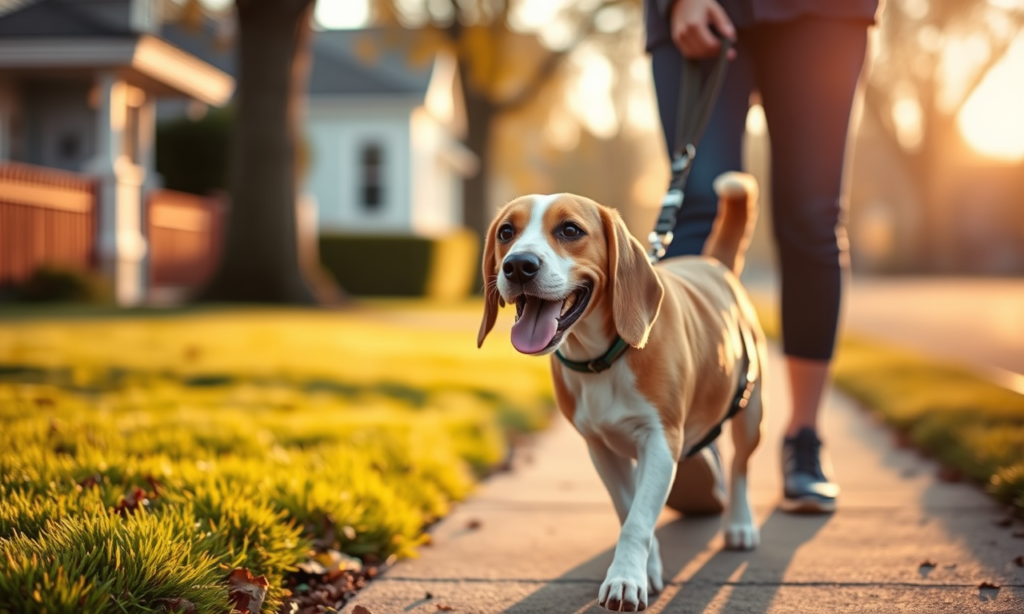
- Walk them. Movement gets the colon moving. A 20-minute brisk walk works better than any supplement.
- Add fiber. Plain canned pumpkin (not pie filling) — 1 tbsp per 10 lb of body weight, twice a day, for up to 3 days.
- Skip the treats. Especially anything bony, fatty, or rich for the next day or two.
For longer-term frequency context, see how often a healthy dog should poop — knowing your dog’s normal makes “off” much easier to spot.
The bottom line
One day of mild straining with otherwise normal behavior usually resolves itself. Repeated straining, straining with vomiting, blood, lethargy, or a known dietary indiscretion is not something to wait out. When in doubt, the vet’s phone triage line is free — call and describe what you’re seeing rather than guessing.
This article is general information, not veterinary advice. If your dog is sick, talk to your vet.
A dog straining to poop can mean any of six different things, ranging from mild constipation to a true emergency. When you have a dog straining to poop right now, the safest move is to walk through the triage list below in order — most cases of dog straining to poop resolve at home, but a few absolutely don’t.
A dog straining to poop can mean any of six different things, ranging from mild constipation to a true emergency. When you have a dog straining to poop right now, the safest move is to walk through the triage list below in order — most cases of dog straining to poop resolve at home, but a few absolutely don’t.