Few things spike a dog owner’s anxiety quite like the sight (and smell) of liquid mess on the kitchen floor. Dog diarrhea causes range from “they ate something dumb” to “this needs the emergency vet right now,” and figuring out which category yours falls into is the difference between a stressful weekend and a $1,500 bill.
This guide covers the most common dog diarrhea causes the 12 most common reasons dogs get diarrhea, what to do for each, and the red flags that tell you it’s time to stop watching and start driving.
What Counts as Diarrhea?
Healthy dog stool is firm, log-shaped, and easy to pick up. Diarrhea is anything looser than that — from soft-serve consistency through full liquid. One soft poop after a treat splurge isn’t diarrhea. Three loose stools in a day, watery stool, or stool that’s exclusively mucus or liquid blood is diarrhea, and it deserves attention.
The 12 Most Common Dog Diarrhea Causes
1. Dietary Indiscretion (“Garbage Gut”)
Far and away the #1 entry on any list of dog diarrhea causes. Trash, table scraps, a half-eaten chicken bone in the alley, dead-thing-in-the-yard — dogs eat things that aren’t food and their digestive systems revolt. Symptoms usually start within 12-24 hours and resolve within 1-2 days with fasting and a bland diet.
Action: withhold food for 12-24 hours (water still available), then offer 2-3 days of bland diet (boiled chicken + plain rice, no seasoning, in small frequent meals). Most cases resolve.
2. Sudden Diet Change
Switching foods overnight is one of the most common dog diarrhea causes we see. Gut bacteria need time to adapt to new ingredients. Whenever you switch foods, transition over 7-10 days: 25% new / 75% old, then 50/50, then 75/25, then full new.
Action: if you accidentally switched cold-turkey, go back to the old food and transition properly. The diarrhea usually resolves in 2-4 days.
3. Food Allergy or Intolerance
Chronic, recurring, mild diarrhea — especially paired with itchy skin, ear infections, or paw chewing — can point to a food sensitivity. The most common dog allergens are beef, chicken, dairy, wheat, and eggs. Diagnosis requires a strict elimination diet for 8-12 weeks.
4. Parasites
Giardia, coccidia, hookworms, whipworms, and roundworms all cause diarrhea, often with blood or mucus. Puppies are especially at risk. A simple fecal float at the vet diagnoses most parasites within 24 hours, and treatment is usually a single course of dewormer.
5. Bacterial Infections
Salmonella, Campylobacter, and Clostridium can cause severe diarrhea, often with blood, fever, and vomiting. Risk is higher in dogs eating raw food, drinking from puddles or streams, or in contact with unvaccinated animals. These cases often need antibiotics.
6. Viral Infections
Parvovirus is the scariest. Unvaccinated puppies with bloody, watery diarrhea, vomiting, lethargy, and refusal to eat is a parvo emergency — survival depends on rapid hospitalization. Distemper, coronavirus, and rotavirus also cause diarrhea but are less catastrophic.
Among all dog diarrhea causes, parvo is the most urgent. If you have an unvaccinated or under-vaccinated puppy with sudden, severe, bloody diarrhea, do not wait. Vet, now.
7. Stress and Anxiety (“Stress Colitis”)
Boarding, travel, a new pet, fireworks, separation anxiety, or any major change can trigger acute colitis. Stool is often soft to liquid with red streaks and mucus. Most cases resolve within 24-48 hours of stress removal, sometimes with a probiotic boost.
8. Inflammatory Bowel Disease (IBD)
Chronic, recurring diarrhea — especially with weight loss, vomiting, and intermittent appetite — can indicate IBD. Diagnosis often requires bloodwork, ultrasound, and sometimes biopsy. Management is lifelong and combines diet, medications (steroids, immunosuppressants), and sometimes B12 supplementation.
9. Pancreatitis
An inflamed pancreas causes severe abdominal pain, vomiting, and often diarrhea. Risk factors include high-fat meals (post-Thanksgiving turkey skin is a classic trigger), obesity, and certain breeds (Schnauzers, Yorkies). Severe cases need hospitalization.
10. Liver, Kidney, or Adrenal Disease
Internal organ disease often presents with chronic GI signs — including diarrhea — alongside changes in appetite, thirst, and energy. Older dogs with chronic loose stool deserve a senior wellness panel.
11. Medications and Toxins
Antibiotics frequently cause diarrhea by disrupting gut flora. NSAIDs (carprofen, meloxicam, and worse, human ibuprofen) can cause GI bleeding. And of course actual toxins — chocolate, grapes, xylitol, certain mushrooms, some plants — cause acute and sometimes fatal diarrhea.
If your dog has access to anything potentially toxic and develops sudden severe symptoms, call the ASPCA Animal Poison Control hotline (888-426-4435) immediately.
12. Foreign Body Obstruction
A swallowed sock, toy, bone, or rock that gets partially stuck causes intermittent diarrhea, often with vomiting, abdominal pain, and decreased appetite. Partial obstructions can pass; complete obstructions are surgical emergencies. X-rays diagnose most cases.
What to Do at Home for Mild Cases
If your otherwise-healthy adult dog has mild diarrhea (1-2 soft stools), is acting normal, eating, drinking, and has no concerning symptoms — try this 48-hour home protocol:
- Withhold food for 12 hours. Water always available. Skip just dinner or just breakfast.
- Reintroduce bland food. Plain boiled chicken (no skin, no seasoning) and plain white rice, ratio about 1 part chicken to 2 parts rice. Small portions, 4-5 times a day.
- Add a probiotic. Plain unsweetened yogurt (1 tsp per 10 lbs), or a vet-formulated probiotic like FortiFlora or Proviable.
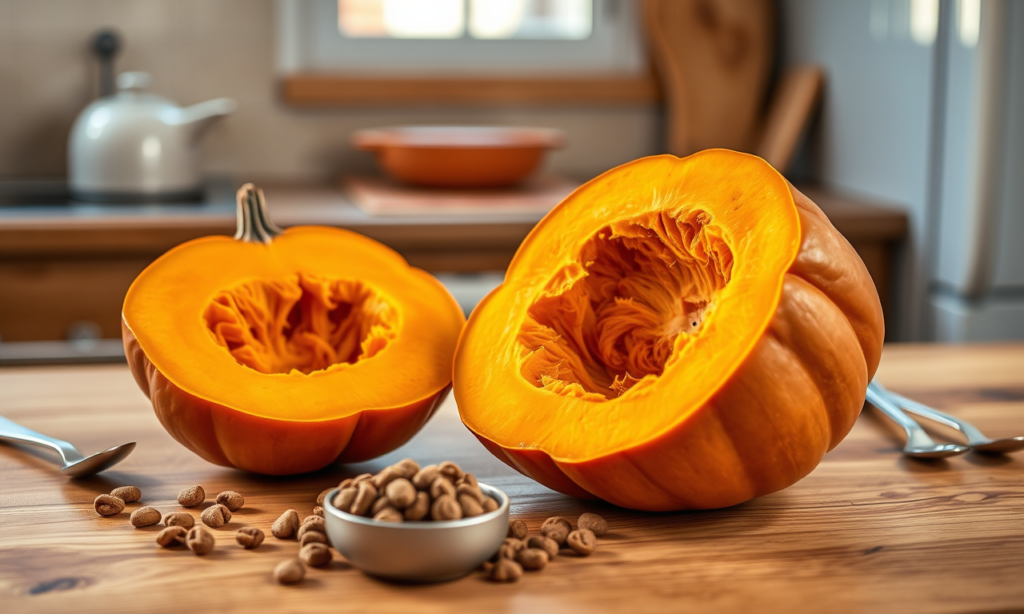
- Pumpkin can help. Plain canned pumpkin (not pie filling), 1 tsp per 10 lbs, mixed with food. Soluble fiber firms loose stool.
- Watch for 48 hours. If improving, gradually transition back to regular diet over 3-4 days.
If diarrhea isn’t improving by hour 48, or if any red flags appear, stop home treatment and call the vet.
Red Flags: When Diarrhea Is an Emergency
Don’t wait, don’t try home remedies, drive to the vet if any of these are present:
- Bloody diarrhea (especially red, watery, or “raspberry jam” appearance)
- Black, tarry stool (digested blood from upper GI)
- Vomiting paired with diarrhea (rapid dehydration risk)
- Lethargy — listless, unresponsive, not their normal self
- Dehydration signs — sunken eyes, sticky/dry gums, skin that doesn’t snap back when pinched
- Fever — normal dog temp is 101-102.5°F
- Distended or painful belly
- Puppy or senior with diarrhea more than 24 hours
- Suspected toxin ingestion
- Pale gums or weakness — could indicate blood loss or shock
Preventing Future Diarrhea
You can’t prevent everything, but most cases trace back to a few avoidable causes:
- Slow diet transitions — 7-10 days when changing foods
- Consistent vaccinations and parasite prevention — especially for puppies and outdoor dogs
- Trash management — locked lids, no counter-surfing access
- Limited table scraps — especially fatty foods and dairy
- Regular fecal exams — annually for adults, more often for puppies
- Clean water — fresh daily, no puddle drinking on walks if you can help it
- Stress management — predictable routine, gradual introductions, calming aids when needed
Frequently Asked Questions
How long does dog diarrhea usually last?
Most cases of acute diarrhea (dietary, mild stress, mild infection) resolve in 24-72 hours with home care. Anything past 72 hours deserves a vet visit.
Can I give my dog Imodium or Pepto-Bismol?
Pepto-Bismol contains salicylates that can be toxic to dogs at high doses, and Imodium can have severe side effects in certain breeds (especially Collies and other MDR1-mutation breeds). Don’t give either without checking with your vet first.
Should I feed a dog with diarrhea?
For mild cases, a 12-hour fast followed by bland food usually helps. For puppies, seniors, and small dogs, never fast without vet guidance — they can’t afford the blood-sugar drop.
Is diarrhea contagious between dogs?
Some causes are highly contagious (parvo, parasites, certain bacteria). If you have multiple dogs and one has diarrhea, separate food/water bowls, clean up immediately, and watch the others closely.
What about pumpkin for dog diarrhea?
Plain canned pumpkin (not pie filling) is genuinely helpful for mild cases. The soluble fiber slows water absorption and helps form stool. 1 teaspoon per 10 lbs of body weight, mixed into food.
What about cleanup logistics during a flare?
Diarrhea-week is messy. If yard cleanup keeps falling behind, our service can take that off your plate. Reach out for service area details — most of our customers find that consistent yard hygiene also reduces future GI flares.
The Bottom Line
Most dog diarrhea causes are minor and resolve within 1-3 days with conservative home care: brief fast, bland diet, probiotic, and patience. The 10% of cases that aren’t minor deserve fast vet care — and the red-flag list above is the most important section of this entire article. Bookmark it.
Pair this with our dog poop color chart and you’ve got most of the diagnostic toolkit a non-vet owner can use. When in doubt, call your vet — they’d rather hear from you for a false alarm than not hear from you when it actually mattered.