Black, tarry dog poop — sticky, almost shiny, smelling worse than usual — is a signal worth taking seriously. The medical name is melena, and what it usually means is that blood has been digested somewhere upstream in the gut and traveled through the digestive tract before showing up in the stool. That’s different from fresh red blood (which is called hematochezia) and the cause and urgency are different too.
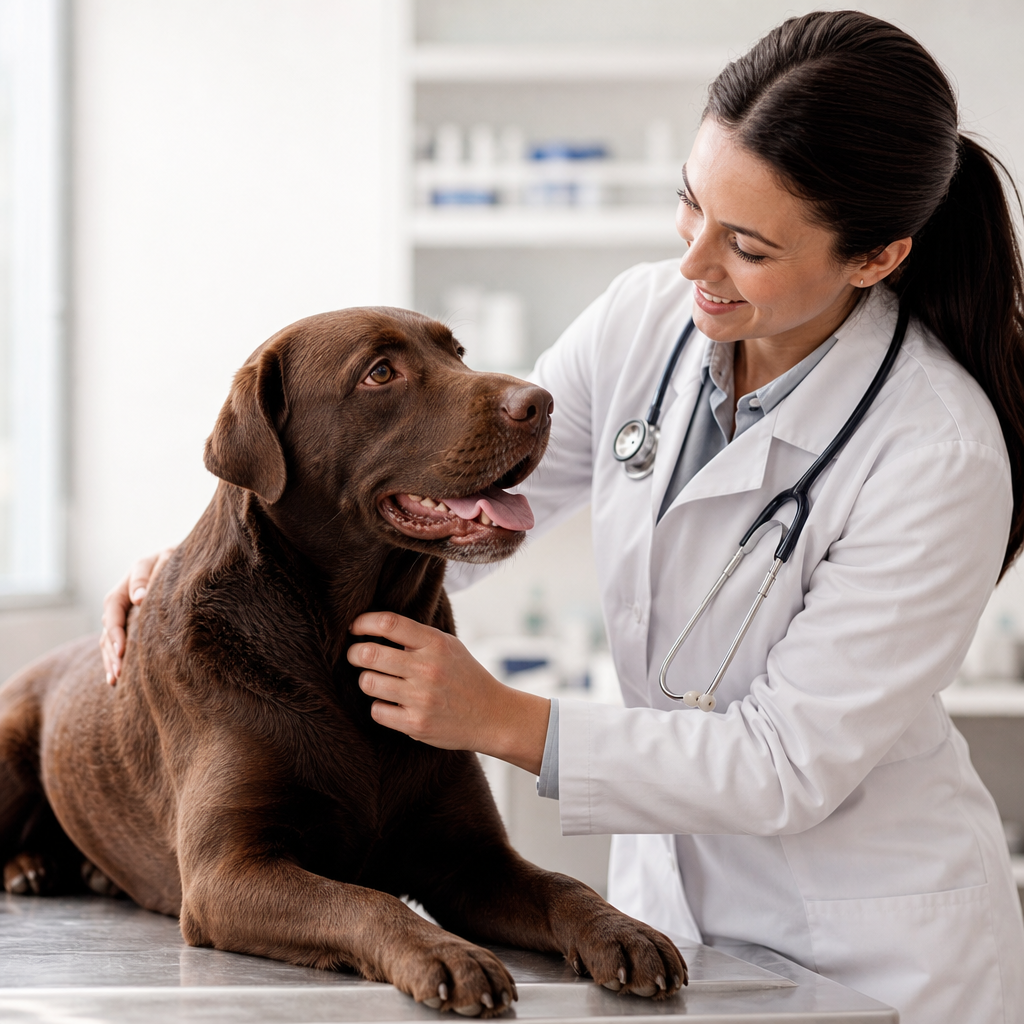
Here are the five most common causes of black tarry dog poop, how to tell each apart, and when to skip Google and call the vet.
What black tarry dog poop actually looks like
Real melena has a distinctive look:
- Color is dark, almost black — not just dark brown
- Texture is sticky and tarry, like roofing tar or thick molasses
- It often has a stronger, more metallic or rotten odor than normal stool
- It may be slightly shiny when fresh
If your dog’s stool is dark brown but normal-textured and odorless-ish, that’s probably just diet (a lot of liver in their food, blueberries, beets, or activated charcoal). True melena is sticky and unmistakable once you’ve seen it.
Comparing it to a baseline helps — our dog poop color chart walks through what each variation typically signals.
If you’re searching for the best black tarry dog poop specifically — that’s exactly what this set was built around. The whole reason to pick a black tarry dog poop over a more generic one is consistency of mood and theme across every page.
1. Stomach or upper-intestinal ulcer
The most common cause. An ulcer in the stomach lining or duodenum bleeds slowly. The blood gets digested as it travels through the rest of the GI tract and shows up as black tarry stool hours or a day later.
Common triggers:
- Long-term NSAID use (carprofen, meloxicam) — by far the most common preventable cause
- Steroid use (especially when combined with NSAIDs — never give both)
- Stress (post-surgery, hospitalization, severe illness)
- Liver or kidney disease that affects clotting
When it’s urgent: if your dog is on NSAIDs or steroids and you see melena, stop the medication and call your vet today. Ulcer bleeding can become severe quickly.
2. Foreign body or sharp object
Bone fragments, splinters from chew toys, or sharp ingested objects can lacerate the stomach or upper intestinal lining. The bleeding pattern is melena (because the blood gets digested before it exits) often combined with vomiting and reluctance to eat.
Red flags requiring same-day vet attention:
- Recent history of chewing bones, sticks, plastic toys, or rocks
- Repeated vomiting
- Painful, tense abdomen
- Lethargy or hiding
- Refusing food
If you suspect a foreign body, the AKC’s overview of intestinal obstruction has a useful walkthrough of warning signs.
3. Parasites
Heavy parasite loads — especially hookworms — feed on blood from the intestinal lining. The blood loss is usually slow and chronic, producing black tarry dog poop that may come and go for weeks. Puppies are highest-risk for severe hookworm-related anemia.
Signs:
- Pale gums (a key sign of anemia)
- Weakness, lower energy than usual
- Stool may also have visible worms or worm segments — see our guide to worms in dog poop for what to look for
- Poor coat condition
This is fixable with deworming, but the diagnosis needs a fecal test at the vet. Don’t guess at over-the-counter dewormers — they don’t all cover hookworms.
4. Clotting disorders or rat-poison ingestion
If your dog has gotten into rodenticide (anticoagulant rat poison) or has a clotting disorder, you’ll see melena along with bleeding from other places: nose, gums, urine, or under the skin (look for unexplained bruises). This is a medical emergency.
Same-day emergency vet if:
- Rat poison or pesticide is even possibly accessible
- Multiple bleeding sites (nose + stool, or bruising + stool)
- Sudden lethargy with melena and no other obvious cause
Anticoagulant poisoning is treatable when caught early but fatal if untreated.
5. Tumors or polyps in the upper GI tract
Less common but worth knowing about, especially in dogs over 8 years old. Bleeding tumors or benign polyps in the stomach or upper intestine can cause intermittent melena over weeks. The dog often seems otherwise mostly fine — eating, drinking, normal energy — until the bleeding becomes significant enough to cause anemia.
Signs that point this direction:
- Older dog (>8)
- Black tarry stool that comes and goes over weeks
- Slow weight loss
- Pale gums developing over time
Diagnosis requires endoscopy or imaging at the vet. Caught early, many of these are treatable.
The triage checklist when you see black tarry dog poop
Run through these in order:
- Could they have eaten rat poison or anticoagulants in the last 5 days? → emergency vet now.
- Are they vomiting, lethargic, or refusing food? → vet today.
- Are they on NSAIDs or steroids right now? → stop the medication, vet today.
- Are gums pale, white, or grey instead of pink? → vet today (sign of anemia).
- Is there blood from any other site (nose, gums, urine, bruises)? → emergency vet.
- Eating fine, energy normal, just one tarry stool? → call your vet’s phone triage line; they’ll probably want a fecal sample dropped off this week.
What to bring the vet
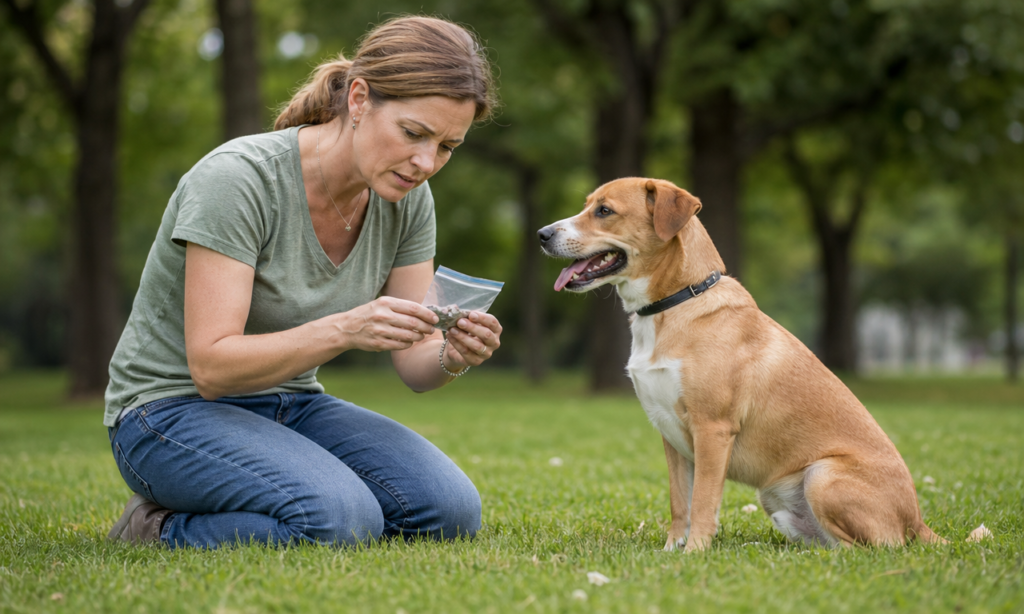
If at all possible, bring a small sample of the stool in a sealed bag. Vets can do fecal occult blood tests on it (cheap, fast — confirms melena vs diet-related dark stool), check for parasites, and decide if more workup is needed.
Also useful to bring:
- List of every medication, supplement, and chew the dog has had in the last 7 days
- Photos of the stool if you didn’t save a sample
- Notes on energy, appetite, and any vomiting
The bottom line
Black tarry dog poop is rarely something to wait on. The benign causes (one-time ulcer flare, mild parasite load) are still worth a vet visit because the dangerous causes (rat poison, perforating ulcer, GI tumor) look identical from the outside. The fecal test alone is fast, cheap, and rules out the worst options quickly.
For broader stool baseline knowledge, our guides on dog diarrhea, mucus in dog poop, and a dog straining to poop cover related signals.
This article is general information, not veterinary advice. If your dog is sick, talk to your vet.
If you’re searching for what causes black tarry dog poop specifically, this guide walks through the five most common reasons for black tarry dog poop, in order of urgency.