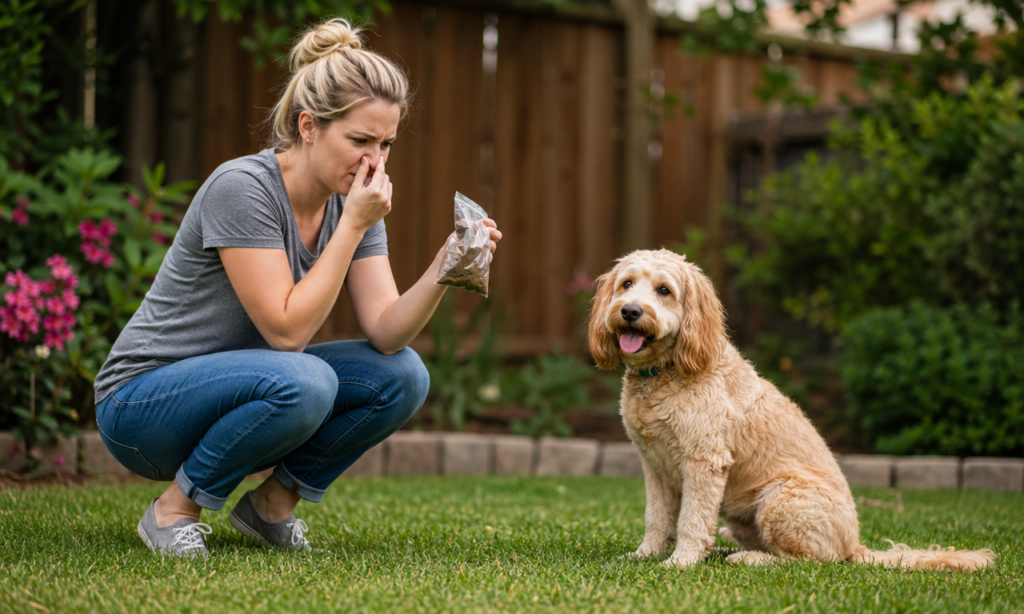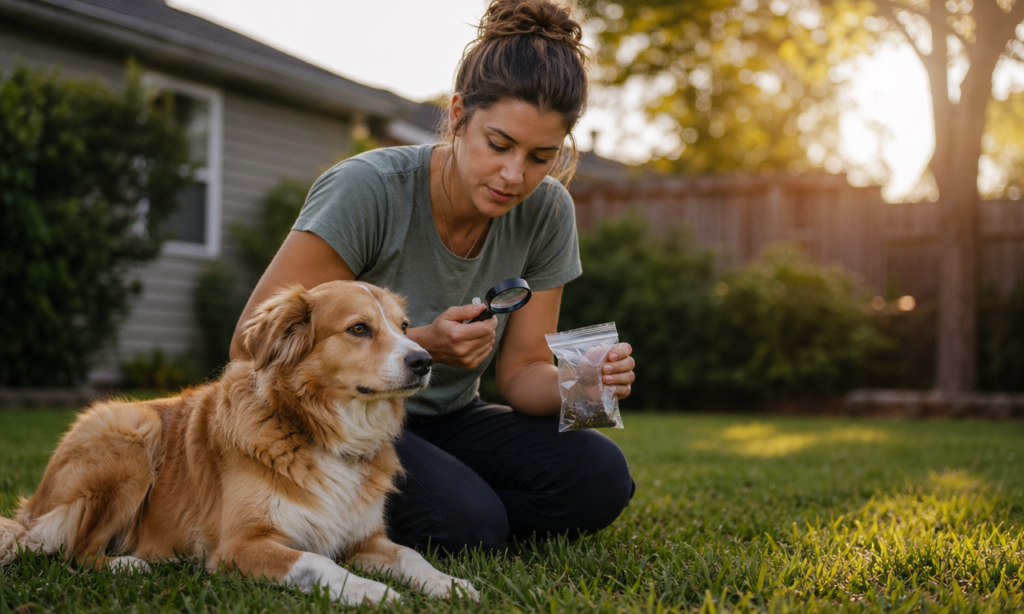
If you’ve ever found yourself squinting at a deposit in the yard wondering whether something’s off with your dog, you’re not alone. The honest truth is that your dog poop color chart reading skills can save you a vet bill — or, more importantly, save your dog’s life. Color, shape, and consistency are some of the earliest signals your dog gives you about what’s happening inside.
This guide walks through every color you might see, what it usually means, and when to stop reading articles and call your vet. We’ve packaged it as a simple dog poop color chart so you can scan the yard with confidence.
The Quick Dog Poop Color Chart
Bookmark this dog poop color chart section. Most stool that lands in the healthy zone of any dog poop color chart falls into a narrow range, and any deviation that lasts more than a day or two is worth investigating.
| Color | What It Likely Means | Action |
|---|---|---|
| Chocolate Brown | Healthy, normal digestion | No action — keep doing what you’re doing |
| Black or Tarry | Possible upper GI bleeding (digested blood) | Call vet within 24 hours |
| Red Streaks | Lower GI bleeding, anal gland, colitis | Vet within 48 hours; sooner if heavy |
| Yellow / Orange | Liver, gallbladder, or biliary issue; food intolerance | Vet within 1-2 days if it persists |
| Green | Grass eating, rapid transit, gallbladder, or a green-dyed treat | Monitor 24-48 hrs; vet if recurring |
| White or Chalky | Too much calcium / bone, or rice-grain parasites | Adjust diet; vet if you see “rice” |
| Gray or Greasy | Pancreatic or liver fat-malabsorption (EPI) | Vet visit — needs labs |
Brown — The Gold Standard
A healthy dog stool is a rich chocolate brown — about the color of a Hershey’s bar. The brown comes from stercobilin, a pigment produced when the liver breaks down old red blood cells and excretes the byproduct (bilirubin) into the bile. When digestion is moving at a normal pace and the liver is working, brown is the result. Shape should be log-like, firm but not hard, and easy to pick up in one piece.
If your dog’s stool is consistently chocolate brown with a sausage-link shape, that’s the dog poop color chart equivalent of a green light. Don’t fix what isn’t broken.
Black or Tarry Stool — Possible Upper GI Bleeding
Black, sticky, tar-like stool (vets call it melena) usually means blood from the stomach or upper small intestine has been digested on its way through. By the time it exits, hemoglobin has oxidized into a dark, almost shiny black. This is not normal, and it’s not the same as eating too much beef liver.
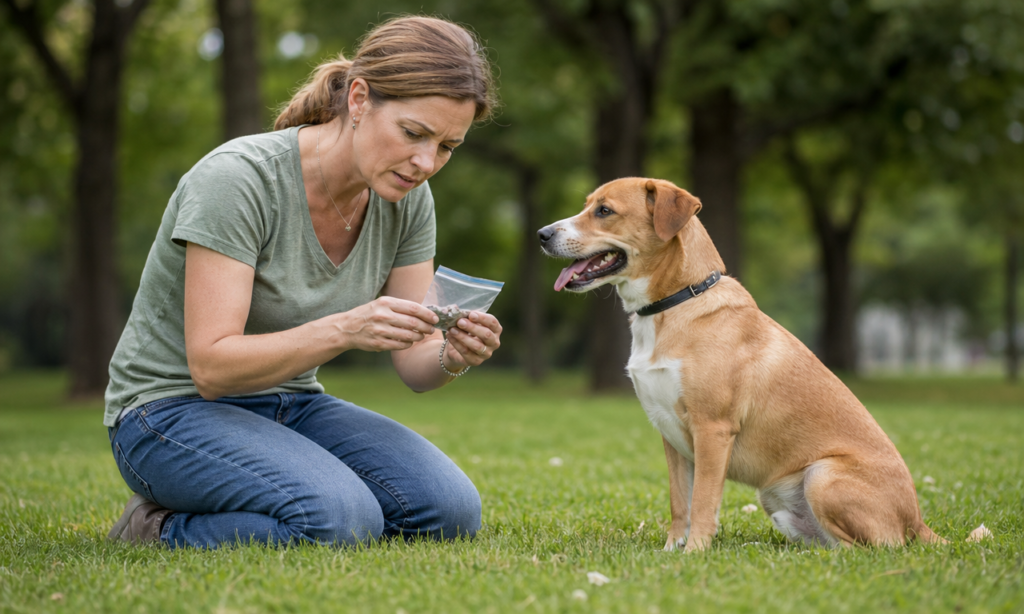
Common causes include stomach ulcers, NSAID side effects (ibuprofen and aspirin are toxic to dogs), parasites, foreign-body injury, or a tumor. Don’t wait this one out — call your vet within 24 hours. The American Veterinary Medical Association recommends keeping a sample (yes, in a sealed bag) for the visit. It feels weird; it helps the diagnosis.
Red Streaks — Lower GI Bleeding or Anal Glands
Bright red streaks or fresh red coating on the outside of the stool point to bleeding lower in the GI tract — colon, rectum, or anal area. The blood hasn’t been digested, so it stays bright. Common causes:
- Colitis — inflammation of the colon, often from stress, dietary indiscretion, or a sudden food change.
- Anal gland issues — impacted or infected glands can leak blood onto stool.
- Parasites — whipworms and hookworms in particular.
- Hard stool / straining — a small tear from constipation can streak the surface.
One streak after a hard poop with otherwise normal behavior? Watch for 24 hours. Multiple bloody stools, lethargy, vomiting, or your dog refusing food? Vet, today.
Yellow or Orange — Liver, Gallbladder, or Diet
Yellow stool has more nuance than people give it credit for. Bright mustard yellow can mean:
- Bile imbalance — the gallbladder isn’t releasing bile correctly, or food is moving so fast through the gut that bile doesn’t get reabsorbed.
- Liver disease — bilirubin processing is impaired.
- Pancreatitis — inflammation reduces digestive enzyme output.
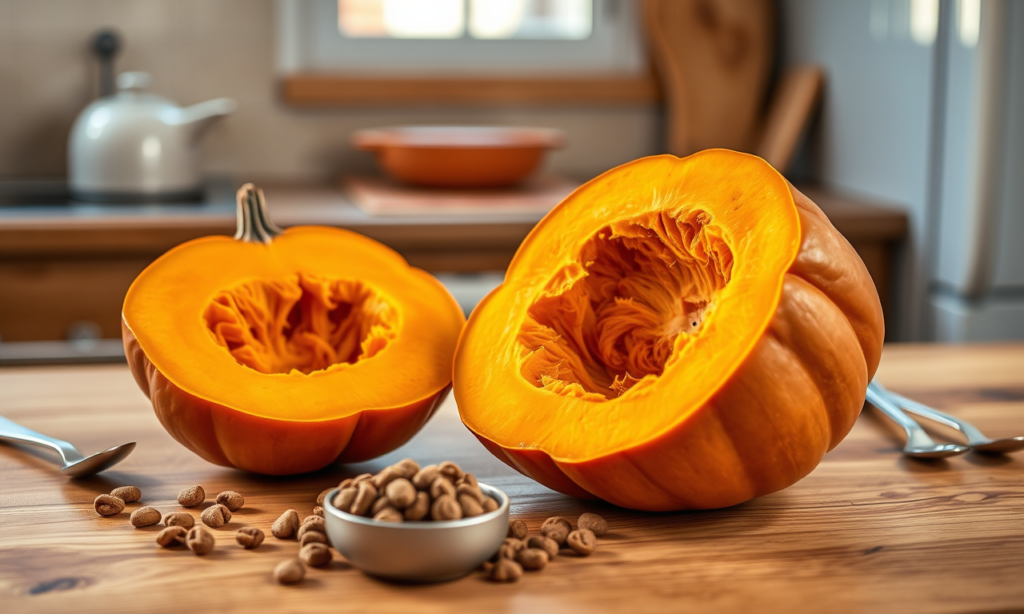
- New food — a high-pumpkin or carrot-heavy diet can tint stool orange.
One off-color poop after pumpkin treats is fine. Yellow stool that lasts more than 48 hours, especially with vomiting, lethargy, or jaundice (yellow gums or eyes), needs a vet workup with bloodwork.
Green — Usually Diet, Sometimes Bigger
Green poop is one of the most common color flags pet owners ask about. Causes range from totally benign to genuinely concerning:
- Grass eating — by far the most common cause. Chlorophyll passes right through.
- Green dyes in treats, mint chews, or “doggie ice cream.”
- Rapid transit — bile is green when fresh; if food moves through too fast, it stays green.
- Gallbladder dysfunction — bile concentration issues.
- Rodenticide exposure — many rodent poisons are dyed green-blue. If your dog might have gotten into mouse poison, this is an emergency.
If your dog grazed on the lawn after dinner and you find a green deposit the next morning, relax. If green poop shows up with vomiting, weakness, or unexplained bruising, get to the vet.
White or Chalky — Calcium or Parasites
White, crumbly, or chalky stool usually points to a calcium-heavy diet — common in dogs eating raw with too much bone. The fix is usually as simple as adjusting the meat-to-bone ratio.
What you don’t want to see is white “rice grains” mixed into the stool. Those are tapeworm segments, and they confirm an intestinal parasite. The good news: tapeworm is easily treated with a single dewormer dose. The bad news: dogs usually catch tapeworm by ingesting an infected flea, which means you have a flea problem to address too.
Gray or Greasy — Fat Malabsorption
Gray, oily, or unusually shiny stool suggests your dog’s pancreas or liver isn’t producing enough enzymes or bile to break down dietary fat. The technical name is steatorrhea, and one common cause in dogs (especially German Shepherds) is exocrine pancreatic insufficiency (EPI). EPI is treatable with prescription enzyme powder, but it requires bloodwork and a real diagnosis. Don’t guess this one — book the vet.
Beyond Color: Texture, Shape, and Size Matter Too
Color, the heart of any dog poop color chart, tells one part of the story; consistency tells another. Healthy stool should:
- Be log-shaped, segmented, and pick up in one piece.
- Hold its shape for 30 seconds after landing — not melt into the grass.
- Not contain visible mucus, undigested food chunks, or worms.
- Match your dog’s size — a 60-pound dog produces more than a 10-pound dog. Both should be proportional.
Mucus coating once in a while is normal. Persistent slime, especially with red streaks, points to colitis or IBD and deserves a vet visit.
How Often Should Your Dog Poop?
Healthy adult dogs typically poop 1–3 times per day. Puppies go 4–5 times. Seniors sometimes drop to once daily. The number that matters most is your dog’s normal. Sudden changes — going twice as often, going half as often, or straining without producing — are the red flags.
When to Call the Vet
You don’t need to panic over every odd-colored deposit. But these signs deserve a same-day call:
- Black, tarry stool
- More than a streak of bright red blood
- Yellow or gray stool that lasts more than 48 hours
- Any stool color change paired with vomiting, lethargy, refusing food, or pale gums
- Visible parasites (worms, “rice grains”)
- Persistent diarrhea longer than 48 hours
The American Kennel Club publishes good general health guides for early symptom recognition; bookmark a couple of trustworthy sources so you’re not guessing in the moment.
Frequently Asked Questions
Is one bad-colored poop a problem?
Usually no. A single off-color stool after a treat change, grass binge, or stressful day is rarely a crisis. Pay attention to patterns — what’s happening across multiple poops over 24-48 hours.
Can dog food brand change stool color?
Yes. Switching to a salmon-based or beet-pulp food can shift hue noticeably. Give a new diet 7-10 days to settle before reading the dog poop color chart too literally.
Should I bring a sample to the vet?
If color, blood, or parasites are involved — yes. A fresh sample (under 4 hours old, refrigerated if possible) lets the vet run a fecal float and identify parasites without an extra visit.
How do I clean it all up between vet visits?
If picking up after multiple dogs is becoming a daily chore, our team handles weekly yard cleanup so you can focus on the dog, not the deposit. See our service plans or drop us a note with your zip code.
The Bottom Line on Reading Your Dog Poop Color Chart
Brown and log-shaped is what you want. Anything else that lasts more than a day, or that shows up with other symptoms, deserves attention. Reading the dog poop color chart isn’t hypochondria for paying attention — you’re being a good owner. Most dogs can’t tell us when something hurts; their dog poop color chart often can when something hurts; their stool often can.
Got a question about a specific color from your own dog poop color chart reading or pattern you saw today? Reach out — we’re not vets, but we’ve seen a lot of yards. We’ll point you in the right direction.